Research Labs
MICROBIAL ASSEMBLIES LAB
Director:
Laura Maria Gonzalez
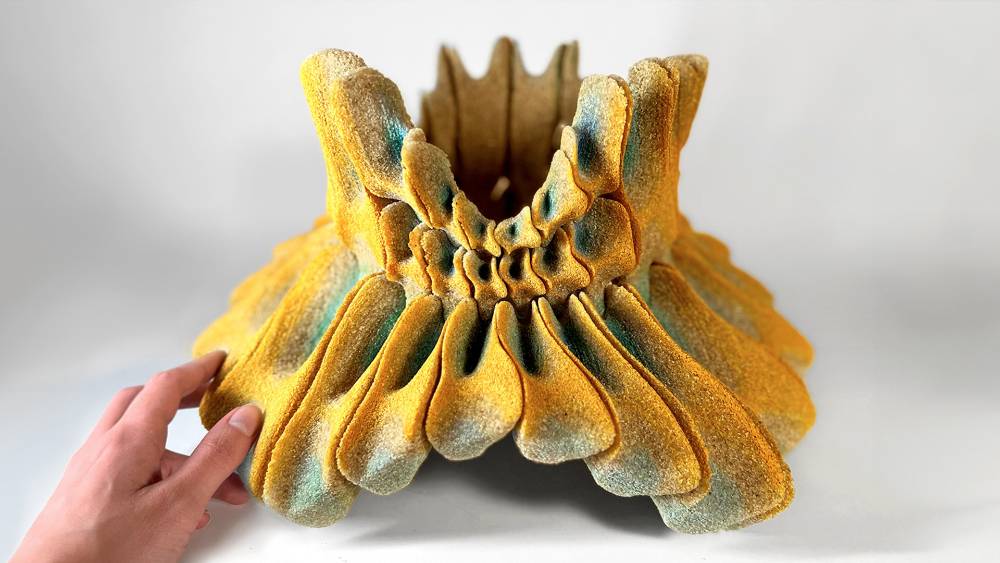
The Microbial Assemblies Lab is an interdisciplinary research space focused on the development of engineered living materials (ELMs) through the integration of microbial systems with architectural substrates. Drawing from synthetic biology, materials science, and computational design, the lab investigates how microbial processes - such as biocementation and biosensing - can be embedded into material systems to enable responsive, functional, and environmentally engaged forms of construction.
The lab is equipped to support Biosafety Level 1 (BSL1) protocols, with infrastructure for bacterial culture, molecular cloning, and genetic circuit design. Core research activities include the casting and additive manufacturing of ELM components, the engineering of Bacillus subtilis to develop a biosensing library, and the formulation of bio-receptive substrates that sustain microbial viability. Projects in the lab explore biocementation for self-healing structural materials, the integration of biosensing microbes for passive environmental signaling, and the design of layered substrates that enhance microbial longevity and material performance over time.
In addition to wet lab work, the lab conducts computational modeling of material behavior and bio-integration strategies. It serves as a research and teaching platform for faculty and students working across architecture, biology, and environmental design, and aims to expand the role of living systems within the built environment through both speculative and applied research.
ARCHITECTURAL PRODUCTS LAB
Director:
Dustin White
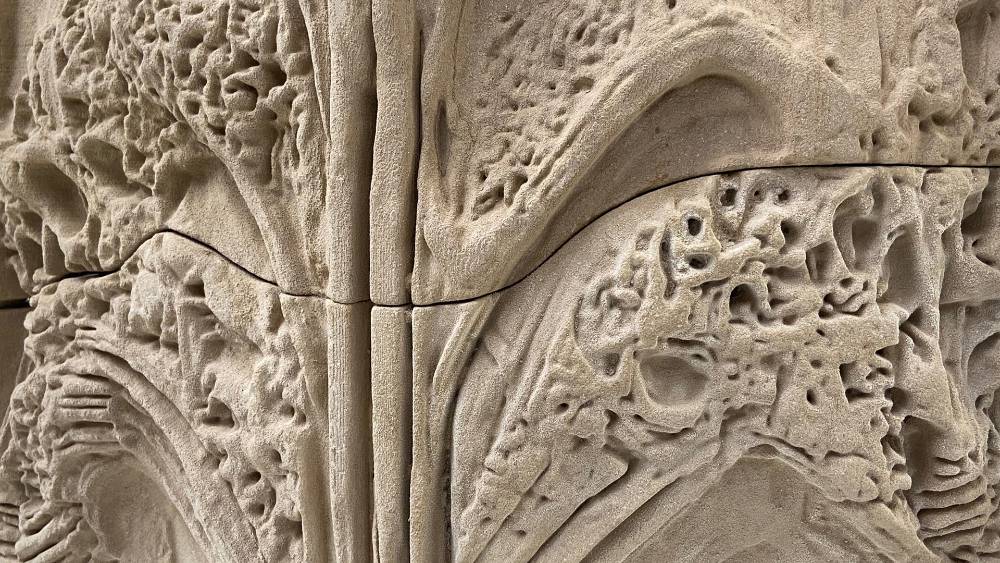
The Architectural Products Lab, located in the School of Architecture at Florida Atlantic University, is a design research lab focused on creating innovative building products through advanced manufacturing, sustainable material practices, and architectural experimentation. The lab relies on additive manufacturing, computational design, and circular material strategies to shape a new generation of architectural artifacts. Research and projects operate across scales from furniture and interior assemblies to full-scale structural prototypes.
Motivated by the belief that architectural products are not passive byproducts but active agents in shaping architectural experience, material culture, and environmental impact, the lab develops prototypes not only as speculative investigations but as potential building components, designed for real-world applications or as drivers for rethinking methods of making. By considering structural performance, formal expression, and a commitment to material ethics, this method broadens how we think about, build, and critique material assemblies.
Through workflows that integrate digital technologies with traditional craft, the lab investigates the expressive and structural potential of a variety of material systems through additive manufacturing. Through collaborative industry partnerships, these processes transform research into usable products and systems, encouraging collaboration between academic design and fabrication practices. In doing so, the lab advances an idea of architecture that is materially intelligent, environmentally receptive, and poetically charged.
The Architectural Products Lab offers students and partners the opportunity to engage in practical experimentation, prototyping, and design research. From the initial ideas to public exhibitions, its work supports a wide range of discussions about the use of materials, the quality of craftsmanship, and the advancement of building technology.
INTERACTIVE MACHINES LAB
Director:
Luis Pacheco
We design systems that make machines easier to work with, live with, and create with.
What We Do
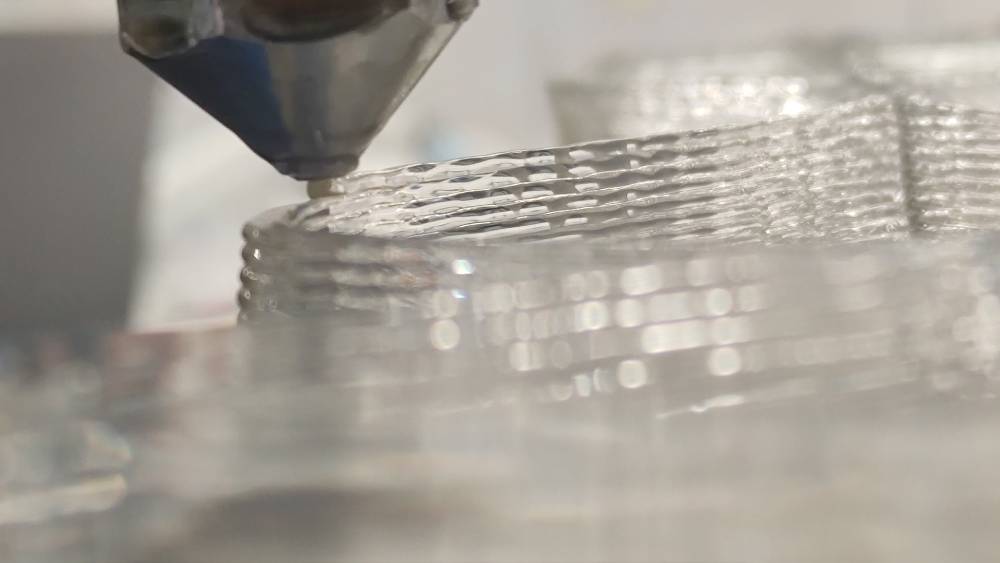
The Interactive Machines Lab explores how intelligent systems can interact with people through physical presence, spatial awareness, and real-time behavior. We focus on making machines more intuitive—whether they’re tools, collaborators, or creative partners. Our work brings together robotics, AI, design, and interaction to prototype systems that feel responsive, reliable, and expressive in everyday contexts.
Research Areas
1. Physical AI
We give AI a physical layer connecting models like language, diffusion, and control systems to motion, expression, and embodied behavior in the real world.
2. Spatial User Interfaces (SUI)
We design interfaces that operate in physical space beyond screens. These systems use motion, positioning, and spatial context to enable direct, dynamic interaction with machines and environments.
3. Procedural Robot Control
We develop real-time, generative control systems for robots. Using animation logic, simulation, and custom tooling, we enable flexible, improvisational machine behavior for tasks in fabrication, performance, and interaction.