TESTCOL1
TESTCOL2
REQUIRED
Intro to Literary Studies
ENG 3822.006|Z. Kocher|Req*|Boca Raton|In-Person|W/F 12:30pm–1:50pm
This course “prepares students to enter the field of literary studies by introducing three genres and key literary concepts.” To achieve these outcomes, students will read texts from the genres of drama, poetry, and prose, and apply theoretical approaches to these texts. This course will use a transhistorical lens to examine theoretical approaches to identity formation, adaptation/transformation, and performance. This course emphasizes close textual analysis and basic research skills through three essays, weekly reflective journal entries, and short in-class writing assignments. Among the authors included are Honorée Fanonne Jeffers, Nella Larsen, Mike Lew, Carmen Maria Machado, Toni Morrison, William Shakespeare, and Phillis Wheatley Peters.
*Professional & Creative Writing Concentration students must take ENG 3822 or LIT 3213; required for all other English majors
Intro to Literary Studies
ENG 3822.005|S. Lettman|Req*|Distance Learning|Fully Online Class|
We will focus primarily on fairy tales across different genres and time periods in this English major gateway course. You will be introduced to literary tools that will aid in your close reading of the assigned literary texts. As instruments for analysis, you will be introduced to a number of theoretical ideas that will foster your interpretations beyond the aesthetic elements of the text. Your weekly critical response posts on Canvas will be one forum in which you will practice the skills of close reading, critical analysis, and writing when you reflect upon the assigned readings.
*Professional & Creative Writing Concentration students must take ENG 3822 or LIT 3213; required for all other English majors
Literary Theory
LIT 3213.002|T. Hagood|Req*|Distance Learning|Fully Online Class|
Literary theory is a fundamental aspect of literary studies and criticism. Theory provides the abstract modeling that guides interpretation of primary literary texts and thus is crucial to successful work as an English major. This course explores the development of literary theory from the New Criticism to the major movements of the present moment.
*Professional & Creative Writing Concentration students must take ENG 3822 or LIT 3213; required for all other English majors
CATEGORY 1
Florida Women Writers
AML 3264.001|R. Fox|Cat 1|Boca Raton|In-Person|W/F 12:30pm–1:50pm
Though we will incorporate poetry and visual art about the state of Florida throughout this course, the heart of “Florida Women Writers” will be a comparison of short stories and prose to novels by three writers: Zora Neale Hurston, Edwidge Danticat, and Tananarive Due. In particular, we will consider how experiences and concepts of race, history, environment, and community, structure Hurston’s, Danticat’s, and Due’s fictional and autobiographical texts. Examining this specific collective of writers will permit us to analyze what it means to “come of age” in Florida, as well as to consider how faith, language, violence, and resistance contribute to perceptions of Florida as “home.” Together, we will take up love stories and ghost stories, at the same time that we address matters of diaspora and of class conflict. Placing historical and contemporary texts in conversation, we will grapple with the complexity and ongoing importance of Florida women’s writing.
African-American Literature 1895-Present
AML 4607.001|S. Dagbovie-Mullins|Cat 1|Distance Learning|Online Live Lecture|R 4pm–6:50pm

This class will pursue a chronological examination of African American literature, considering the historical, cultural, and social contexts that have shaped African American literary production. We will explore various literary movements (such as the Harlem Renaissance, the Protest Period, and the Black Arts Movement) and discuss ongoing debates: What is black writing? What is the role of the African American writer? What is the function of African American literary art? How does one define a black aesthetic? This course meets virtually via Zoom. Please note that each student is required to have their camera on during class (4-6:50 pm).
Jewish-American Literature
AML 4663.001|A. Furman|Cat 1|Boca Raton|In-Person|T/R 2pm–3:20pm
This course will provide you with the opportunity to explore the work of several major (and emergent) Jewish-American fiction writers. We will pay attention to the aesthetic issues informing this literary tradition, with a keen eye toward its synergies and rivalries with other literary traditions (e.g., modernism, “American” literature, postmodernism). In addition, the novels and short-stories should provide you with a richer understanding of Jewish-American culture in this century than afforded by the more popular and pervasive media images of the Jew in America.
World Literature: Critical Approaches
LIT 4225.001|M. Ma|Cat 1|Boca Raton|In-Person|W/F 11am–12:20pm

This course offers a critical exploration of world literature through a variety of theoretical lenses, focusing on how texts reflect and contest global histories, power structures, and cultural geographies. We will examine literature not just as artistic expression but as a form of knowledge shaped by imperialism, migration, and environmental change. Through authors such as Nnedi Okorafor and Amitav Ghosh, we will consider how narrative form, language, and genre mediate experiences of place and identity. Students will engage with critical frameworks including Ecocriticism, New Materialism, Feminist Theory, and Postcolonial Theory to interrogate how literature can disrupt dominant narratives and reimagine what the “world” in world literature means.
Postcolonial Literature
LIT 4233.001|S. Lettman|Cat 1|Boca Raton|In-Person|W/F 11am–12:20pm
As a multidisciplinary field of scholarship and literature, postcolonial studies reevaluates not only the entrenched discourses but also the complex power relations and its intersections with culture, race, language, gender, and politico-economics. This class course will focus on the significance of the ghost, its symbolic meaning in postcolonial literary texts from Africa, Asia, and the Americas. Postcolonial scholars and writers in this field highlight the displacement that result from histories of conquest, such as slavery and colonialism, and other forces of modernity, including the ruptures that occur from the emergence of new national identities with the ever-shifting global discourses and reconfigurations of political boundaries.
Women and Literature
LIT 4383.001|C. Thomas|Cat 1|Distance Learning|Online Live Lecture|M 7:10pm–10pm
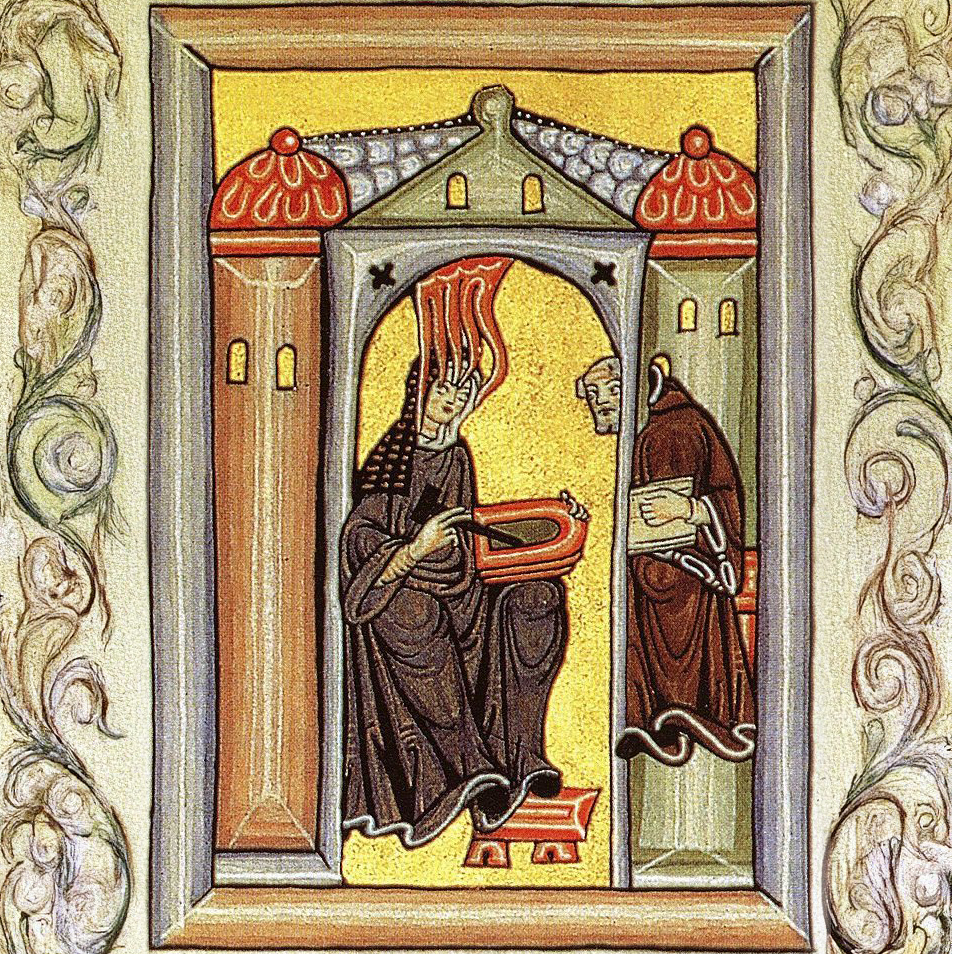
In this course, we'll explore medieval women through historical documents that demonstrate the "standard" life cycles of women while questioning the very notion of a standard; early medieval penitentials & secular law codes; representations of “monstrous” women, such as Meghan Purvis' translation of Beowulf; ancient & medieval antifeminist writings that heavily influenced not only medieval culture but also our culture today; two of Geoffrey Chaucer’s pilgrims from The Canterbury Tales; the earliest feminist treatise in French by Christine de Pizan; visions by the 11th-century abbess and polymath Hildegard von Bingen; hagiography of a Black Egyptian saint; French romance of a gender non-conforming knight, and more! Medieval women are not exactly what you expect, and sometimes they’re exactly what you expect. Just like women today, however, there is no one mold, nor should there be.
CATEGORY 2
American Literature from 1865
AML 2020.001|S. Dagbovie-Mullins|Cat 2‡|Boca Raton|In-Person|W/F 12:30pm–1:50pm
Catalog Course Description: An overview of American literature including representative writers of the Realist, Naturalist, Modernist and Postmodernist movements.
‡max of 2 courses (6 credits) can be in lower division for the entire major
Colonial & Early American Literature
AML 4213.001|D. Medina|Cat 2 (pre-1800)|Distance Learning|Online Live Lecture|T 4pm–6:50pm
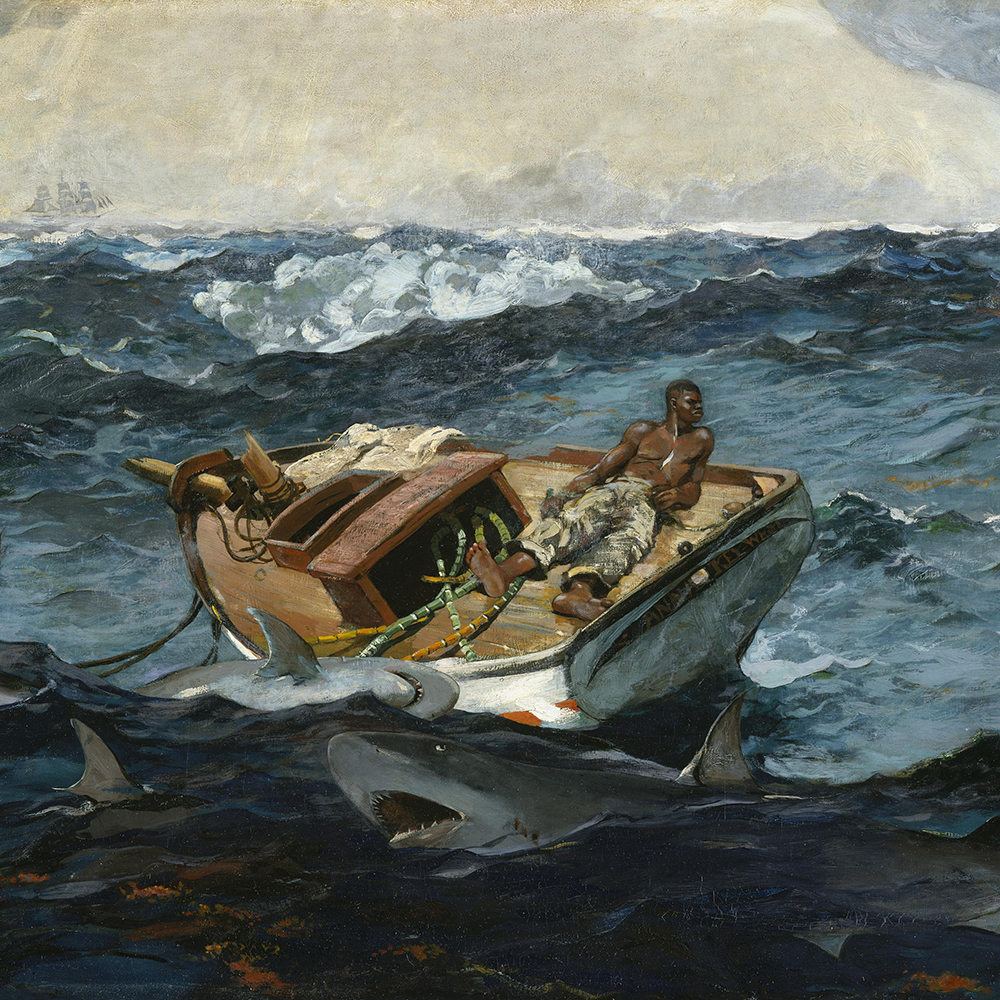
This course surveys American literature from the colonial period (1600) to the end of the eighteenth century (1800). Throughout the course, we examine literature from early America to better understand American literary and cultural legacies. Our readings will begin with early accounts of European arrival in the New World and will end with fiction and poetry written before the American Civil War. In between, we’ll sample the rich and extensive multinational, multilingual, and multicultural American literature, considering how that literature imagines America—whether as home or as foreign territory, as indigenous, colonial, national, or imperial space. Students will leave this course with a deeper understanding of literature as it relates to: settler colonialism in the New World; Puritanism and Protestantism in North America; the Enlightenment and the American Revolution; Native resistance to dispossession and forced removal; chattel slavery; abolition and emancipation; and more.
Literature And Film
ENG 4114.001|R. Adams|Cat 2|Distance Learning|Online Live Lecture|T 7:10pm–10pm
In this course, we will be reading six novels and novellas and viewing the six films that were adapted from them. The course is divided into three thematic sections, which are detailed below:
- Society, Obligations, and the Civilized Self, in which we will be reading and viewing Our Man in Havana and The Long Goodbye.
- Alternative Futures, Identity, and the Ethical Self, in which we will be reading The Minority Report and viewing Minority Report, and reading Story of Your Life and viewing Arrival.
- Family, Politics, and the Psychosexual Self, in which we will be reading and viewing Carol and A Single Man.
Coursework will consist of two medium-length assigned essays, one in-class essay exam, and weekly simple-answer quizzes at the beginning and end of each week’s class. The course will be taught via zoom online and live attendance is required. Novels and films must be read and viewed on your own time before the class meetings in which they are to be discussed.
Bible as Literature
ENL 3425.001|R. McKay|Cat 2 (pre-1800)|Boca Raton|In-Person|W/F 12:30pm–1:50pm
Catalog Course Description: Provides crucial backgrounds, allusions, themes, "histories" and other elements that are contexts for British and American literary works. Topics include the Bible as literature, Greek and Roman classics, epic, mythology, diaspora, ancient literary criticism, ancient non-Western literature, science and literature and metamorphosis.
17th Century Literature
ENL 4221.001|C. Chenovick|Cat 2 (pre-1800)|Boca Raton|In-Person|W/F 11am–12:20pm
The seventeenth century in England was a time of tremendous upheaval and vibrant literary and artistic creativity. The “scientific revolutions” laid the foundations for what we know as “scientific method,” while European exploration of the Americas seemed to promise untold riches even as it resulted in problematic and violent encounters. In England, there was the trauma of civil war and religious turmoil, while in in the domestic sphere the roles of the sexes were hotly debated. This course will examine the impact of these forces on the poetry, prose, and drama of the period, exploring work by the stunning so-called “metaphysical” poets Donne, Herbert, and Crashaw, political and religious writing, plays by Elizabeth Cary and Aphra Behn, and selected travel writings, memoirs, and proto-science fiction texts. As we will see, these authors are sometimes strikingly modern in their investigations of the permeable boundary between friendship and erotic love, their expressions of religious doubt, and their critiques of social and gender hierarchies. They also offer us romance, riotous comedy, and weird and wonderful alternate worlds that may inspire us to think differently about our own world.
18th Century Literature
ENL 4230.001|Z. Kocher|Cat 2 (pre-1800)|Boca Raton|In-Person|W/F 2pm–3:20pm
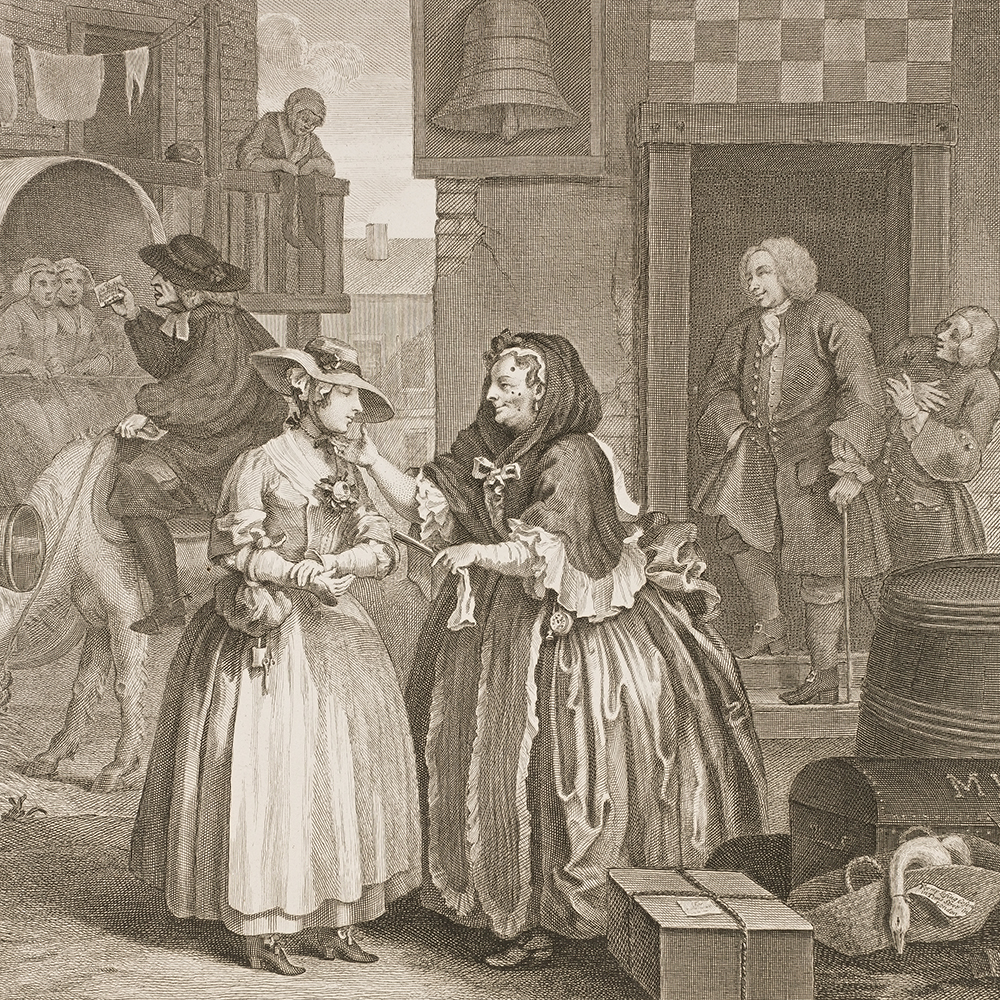
This course focuses on “major prose, poetry, drama, and satire of the 18th century.” Students will read a range of texts that make up the canon of the long eighteenth century and have had a major impact on the literature and culture of the world we live in. From the bawdy humor of William Wycherley’s The Country Wife to the Utopic female isolation of Sarah Scott’s Millenium Hall to the Gothic horror and absurdity of Walpole’s Castle of Otranto , we will trace the threads of the Enlightenment and other social movements and anxieties that still plague our lives today. Students will complete two formal papers, a commonplace book of quotations from the texts we read, biweekly journal entries, and short in-class writing assignments.
Victorian Literature
ENL 4251.001|T. Taylor|Cat 2|Boca Raton|In-Person|T/R 12:30pm–1:50pm
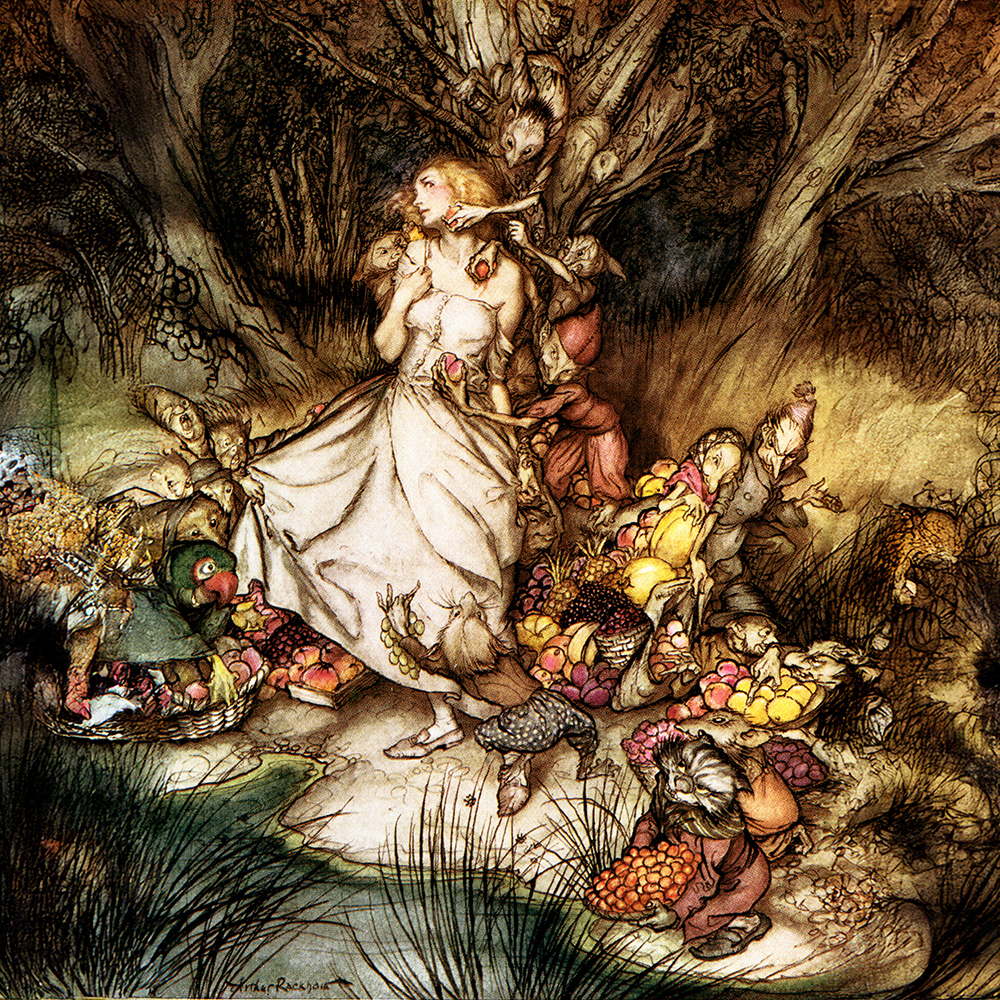
The Victorian Supernatural/Fantastic:: Immerse yourself in the supernatural and fantastic literature of the Victorian period! This course will focus on major works of Victorian fiction and prose that include supernatural and/or fantastic elements. We’ll explore how Victorian authors and poets engage the Gothic, horror, science fiction, fantasy, and adventure genres in their fiction and poetry. Readings will include a mix of poems, short fiction, and novels. Possible novels may include Dracula, The Island of Dr. Moreau, Strange Case of Dr. Jekyll and Mr. Hyde, Wuthering Heights, The Princess and the Goblin, and/or The Picture of Dorian Gray (we will not, alas, likely be able to cover all these novels, so the specifics are still TBD).
Shakespeare
ENL 4333.001|C. Chenovick|Cat 2 (pre-1800)|Boca Raton|In-Person|W/F 9:30am–10:50am
This class focuses on the works and cultural contexts of William Shakespeare. We will consider selected poems and five plays: Richard III, Twelfth Night, Measure for Measure, The Winter’s Tale, and The Tempest. These works grapple in various ways with the complex relationships between bodies and identities, the nature of love and desire, the dynamics of power and consent, the relationship between church and state, and the question of what makes for good or just governance. They also invite questions about how we relate to others, how and why our emotions are moved in particular ways, and whether we can ultimately experience redemption or forgiveness. These are deep and rewarding topics that were just as urgent in Shakespeare’s time as they are in our own. As we explore our own reactions to Shakespeare’s handling of these topics, we will trace how he and his contemporaries helped shape present-day beliefs and discourses around key issues that continue to be central in our present culture.
Intro to Old English
ENL 4930.001|C. Thomas|Cat 2 (pre-1800)|Boca Raton|In-Person|T/R 11am–12:20pm
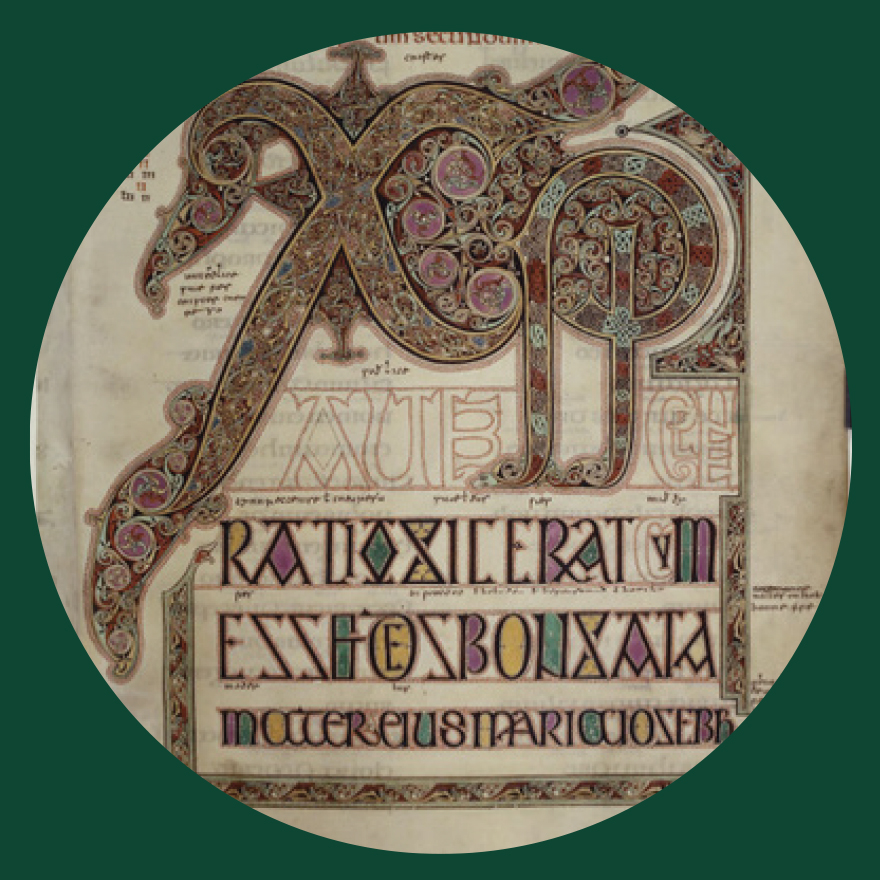
EVER WONDERED WHY ENGLISH IS WONKY?
Join me in a language-based course that will require zero essay writing to learn the basics of the EARLIEST form of the English language!
WHAT YOU WILL LEARN:
- Basic Old English grammar & vocabulary
- how to translate prose & poetry!
- Old English (500-1150 CE) history
- How to explain Modern English oddities to your friends, family, & students
- How to spot medieval influence today!
British Novel: 20th Century
ENL 3132.001|R. Adams|Cat 2|Distance Learning|Online Live Lecture|W 7:10pm–10pm
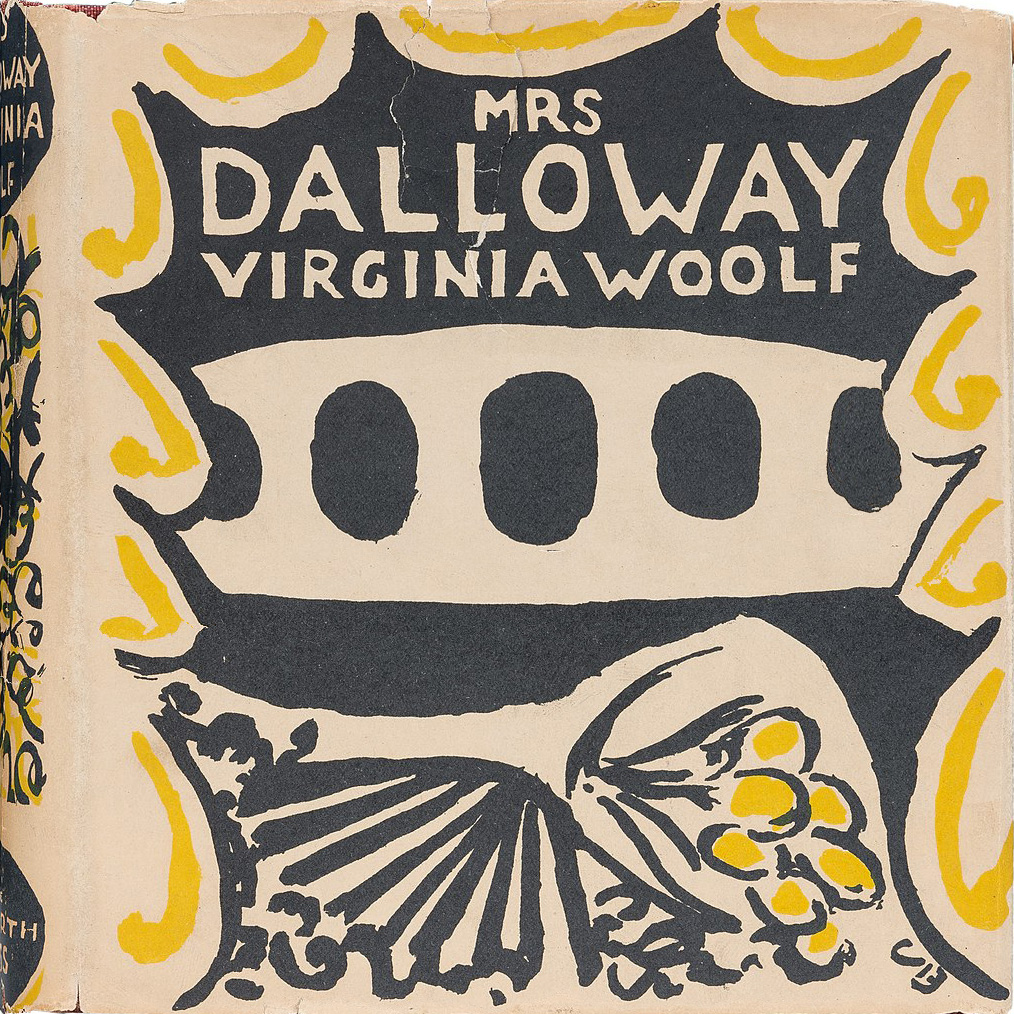
In this course, we will be reading six 20th-century British novels. The course is divided into three thematic sections, which are detailed below:
- Exploring the Relationship between Self and Other — Virginia Woolf, Mrs. Dalloway; William Somerset Maugham, The Narrow Corner
- Contemplating the Spiritual and Sexual Self — D. H. Lawrence, St. Mawr; Penelope Fitzgerald, The Blue Flower
- Examining the Ethical and Political Self — Agatha Christie, Murder on the Orient Express; Graham Greene, The Quiet American
Coursework will consist of 2 medium-length assigned essays, one in-class essay exam, and weekly simple-answer quizzes at the beginning and end of each week’s class. The course will be taught via zoom online and live attendance is required. Assigned readings must be read before the class meetings in which they are to be discussed.
Fantasy Literature
LIT 3312.001|T. Miller|Cat 2|Boca Raton|In-Person|T/R 9:30am–10:50am
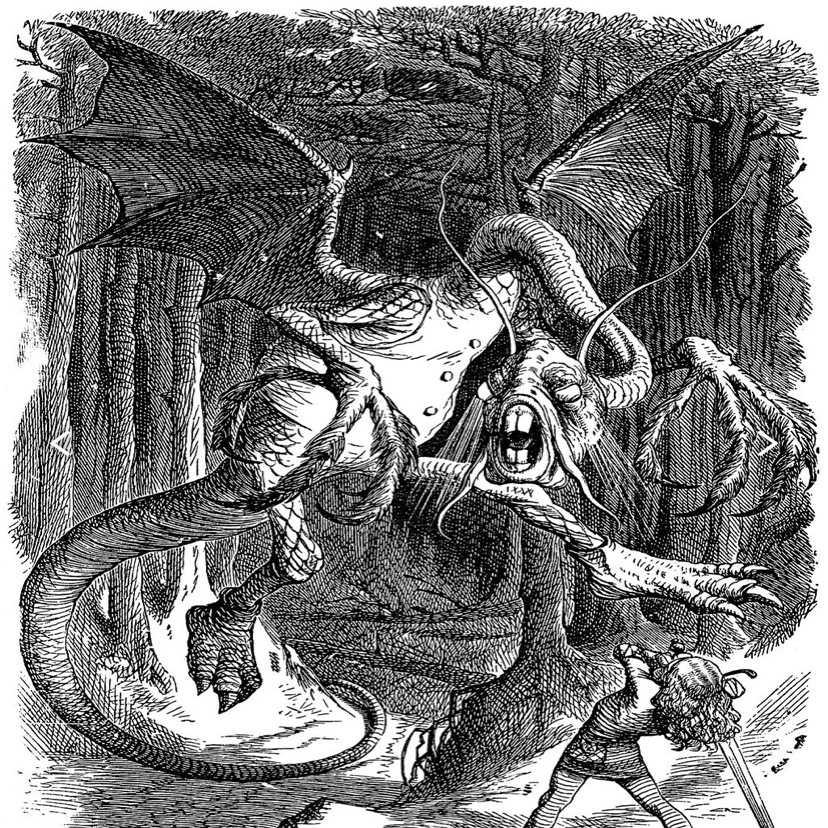
Elves, dragons, and unicorns -- oh my! Readers of The Lord of the Rings, players of Dungeons & Dragons, or viewers of Game of Thrones may feel that they have a sense of the common characteristics of fantasy literature and what we are likely to encounter as visitors to a fantasy world. But how should we define the genre more specifically, and how should we understand its history? This course aims to introduce you to some of the major authors of fantasy literature from the past century or so, as well as familiarize you with the current state of the genre. We will investigate how, for example, women and writers of color such as Ursula K. Le Guin and Nnedi Okorafor have found fantasy a unique vehicle for expressing their experiences despite the previously limited access of marginalized people to the field. We will also be discussing the fantastic across other media including film and the visual arts.
Spy Fiction
LIT 4001.002|O. Buckton|Cat 2|Boca Raton|In-Person|M 4pm–6:50pm

From James Bond’s martinis and gadgets to George Smiley’s quiet betrayals and modern cyber espionage, the spy novel has always offered more than thrilling missions and agents—it reflects the anxieties, ambitions, political conflicts and moral ambiguities of its times. This course delves into the shadowy world of espionage fiction, tracing its evolution from early adventure tales and World War II propaganda to Cold War psychological warfare. We'll explore a range of spy novelists such as Ian Fleming, John le Carré, Helen MacInnes and Stella Rimington. We'll use film adaptations to show how espionage shuttles between page and screen, seducing audiences with glamour even as it exposes corruption. Assignments include essays, reports, and creative spy briefs. Whether you’re drawn to the moral puzzles of betrayal or the adrenaline of covert operations, this course offers a journey through the literature of secrecy and deception that will leave you questioning what—and who—you can trust.
Latinx Caribbean Adaptations
LIT 4001.001|I. Zamora|Cat 2|Boca Raton|In-Person|T/R 12:30pm–1:50pm
Focusing on Latinx Caribbean texts, this course explores the various adaptations of Latinx Caribbean sounds, images, and stories to shape identities and experiences of peoples from Puerto Rico, Cuba, the Dominican Republic, Colombia, and more. Through interdisciplinary theories and multimedia texts, this course will analyze key components of Latinx Caribbean experiences in the US and highlight both the historical and current literary, sonic, and media movements emerging between Latinx Caribbean communities. Some texts we’ll analyze include: West Side Story (2021), Family Lore by Elizabeth Acevedo, The Waves Take You Home by María Alejandra Barrios Vélez, and Debí tirar más fotos by Bad Bunny.
Literature and Environment
LIT 4434.001|S. Balkan|Cat 2|Boca Raton|In-Person|T/R 11am–12:20pm

This course will explore literary expressions of the natural environment, ranging from ancient pastoral to postcolonial satire to speculative climate fiction. Readings will also consider popular understandings of “nature” and “environment” that have historically privileged such aesthetic traditions as “wilderness” over the economic imperatives of survival, or habitability; and we shall, consequently, also consider competing notions of “environmentalism.” Readings will include works by a variety of writers including bell hooks, Arundhati Roy, Robin Wall Kimmerer, Indra Sinha, Ken Saro-Wiwa, Tommy Pico, Samuel R. Delany, and Imbolo Mbue.
CATEGORY 3
Creative Writing
CRW 3010.004|S. Anderson|Req/Cat 3†|Boca Raton|In-Person|W/F 12:30pm–1:50pm
From the course catalog: “Guidance and criticism for beginners in writing prose fiction and poetry.”
Welcome to Introduction to Creative Writing! This is an introductory course on the writing of literary short fiction, creative nonfiction, and poetry. We will focus primarily on the writing process: How do creative writers go about producing finished texts? What tools do they use? What makes a story, essay, or poem literary? To this end, we will “workshop” “workshop” (i.e. critique via oral and written comments) one another’s short stories, essays, and poems in class.
In addition, our readings, class discussions, and reading response assignments will broaden our understanding of how to produce literary fiction, creative nonfiction, and poetry—and to begin developing our own unique voices and perspectives.
†Required for Professional & Creative Writing concentration students; Cat 3 for all other English majors
Creative Writing
CRW 3010.005|J. Schwartz|Req/Cat 3†|Distance Learning|Online Live Lecture|R 7:10pm–10pm
CRW 3010.006|TBA|Req/Cat 3†|Boca Raton|In-Person|T/R 11am–12:20pm
Catalog Course Description: Guidance and criticism for beginners in writing prose fiction and poetry.
†Required for Professional & Creative Writing concentration students; Cat 3 for all other English majors
Fiction Workshop 1
CRW 4120.001|J. Schwartz|Cat 3|Distance Learning|Online Live Lecture|W 4pm–6:50pm
Catalog Course Description: Concentrates on essentials of the short story form through emulations of varied modern authorial styles. Point of view, narrative form, voice, creating characters, tone and atmosphere are some of the topics covered. Students write several stories, revise and critique. Reading consists of single-author collections and anthology selections. Course may be repeated for credit once.
Poetry Workshop 1
CRW 4310.001|O. Oriogun|Cat 3|Boca Raton|In-Person|W/F 2pm–3:20pm
This workshop is designed for students interested in exploring contemporary poetry and developing their own unique voices as writers. Through close readings of diverse poets from around the world, we will engage with new perspectives, styles, and forms that challenge conventional ways of seeing and writing. Students will explore poets such as Tomas Tranströmer, John Burnside, and Ada Limón, whose works push the boundaries of language, nature, and the self. Emphasis will be placed on discovering emerging poets, blending the personal and the political, and crafting poems that reflect both individual experience and a broader global context.
Poetic Forms
CRW 4311.001|R. McKay|Cat 3|Boca Raton|In-Person|W/F 2pm–3:20pm
Catalog Course Description: Students develop appreciation for poetic forms by writing sestinas, sonnets, villanelles, blank verse and a variety of other forms. Emphasis on contemporary poets experimenting in medieval, Renaissance, 17th-century forms and romantic forms such as the ode.
Honors Creative Writing Seminar
CRW 4932.001|A. Furman|Cat 3|Boca Raton|In-Person|W 2pm–4:50pm
This is an advanced course in creative writing (mixed genres) in which students study technique and craft in order to produce an honors thesis of creative work. This course provides a structured framework for students in the Creative Writing Honors track to complete their honors thesis (either a work of fiction, nonfiction or a collection of poetry). It examines works of fiction, poetry and creative nonfiction in more depth and with more of an eye toward craft than may have been possible in previous coursework. We will also discuss possibilities for graduate programs in creative writing.
Professional Writing
ENC 3213.024|S. Klein|Req/Cat 3†|Distance Learning|Fully Online Class
ENC 3213.023|TBA|Req/Cat 3†|Boca Raton|In-Person|W/F 9:30am–10:50am
ENC 3213.025|TBA|Req/Cat 3†|Boca Raton|In-Person|T/R 9:30am–10:50am
ENC 3213.026|TBA|Req/Cat 3†|Boca Raton|In-Person|T/R 12:30pm–1:50pm
ENC 3213.027 and ENC 3213.028|TBA|Req/Cat 3†|Distance Learning|Fully Online Class
Catalog Course Description: Prepares the student to write professionally for audiences within and outside a corporation or nonprofit enterprise. Proofreading skills stressed.
†Required for Professional & Creative Writing concentration students; Cat 3 for all other English majors
Multimodal Rhetorics
ENC 4930.001|A. Slotkin|Cat 3|Boca Raton|In-Person|T/R 12:30pm–1:50pm
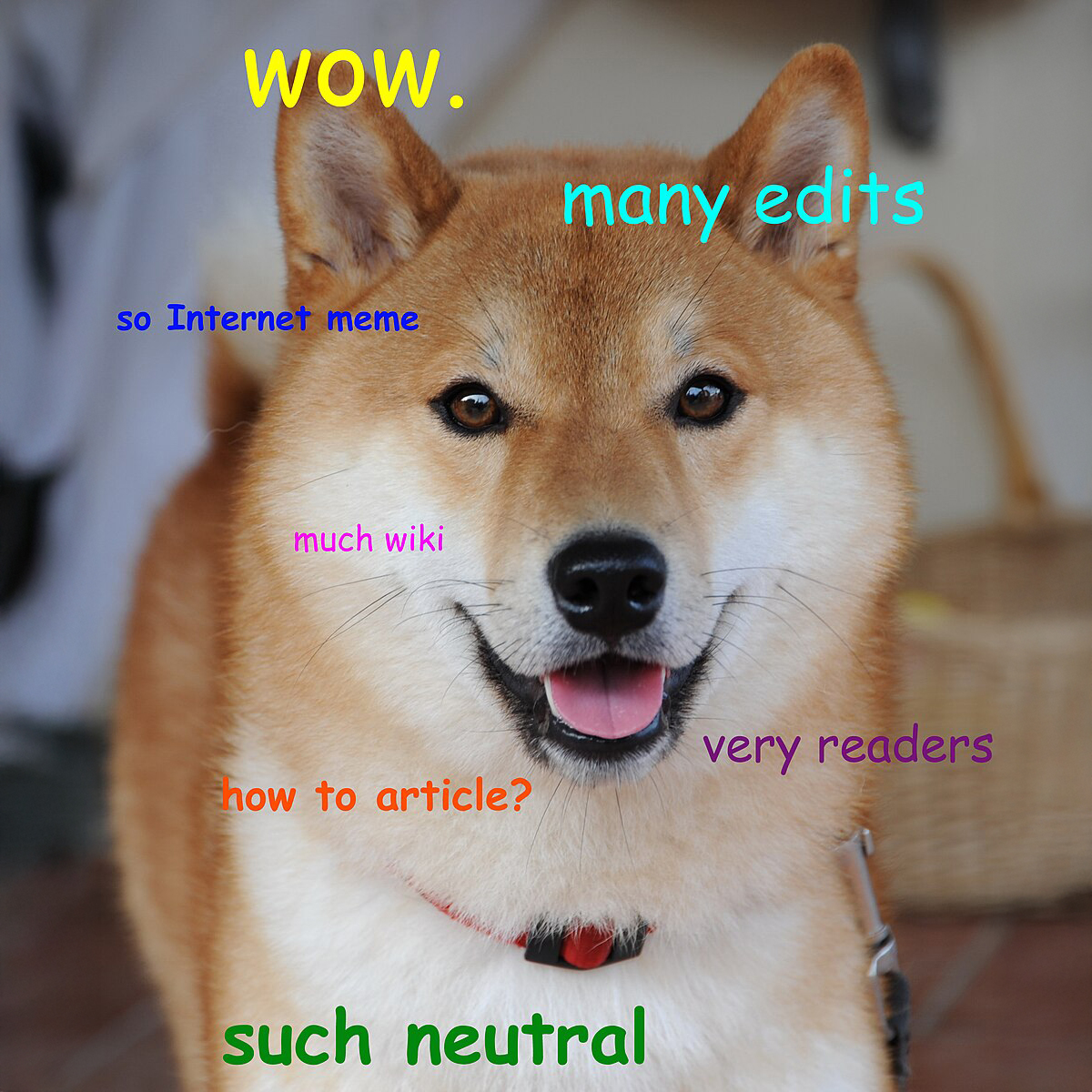
Much of what we read or write today is composed through multiple modes of communication. How often, for example, do we see pictures on Instagram with written captions—captions that use letters and emojis to, say, “☕🌟 show off a brand-new Starbucks drink like it’s the highlight of the semester 📸✨”? And who hasn’t used different fonts or styles when writing their résumé? As people who constantly combine different forms of communication to do things, we need to begin developing an expanded understanding of writing and rhetoric that reflects how we compose in our day-to-day lives.
This class introduces students to multimodal rhetoric: texts and practices that assemble two or more modes of communication to persuade others. Students can expect to compose texts that cross a variety of genres and forms, such as zines, memes, and podcasts.
RI: Honors Research
ENG 4910.001|R. Fox|Cat 3|Boca Raton|In-Person|F 2pm–4:50pm
Honors Research builds upon the work completed in Honors Seminar and facilitates the writing of a 20-40 page honors thesis that makes an original intellectual contribution to the discipline. You will continue your training in identifying, reading, evaluating, and contextualizing literary scholarship while adhering to the standards and best practices of research-level literary scholarship. The course may include library research visits, presentations on different research and analytical methodologies, and peer editing workshops. We will work through successive drafts of the thesis in workshops focused on content, style, structure, and tone. Throughout this course, you will be strengthening your argument in dialogue with existing scholarship in order to produce a thesis that can be communicated effectively in its written form and in a conference-style presentation.
Structure of Modern English
LIN 4680.002|W. Kelly|Cat 3|Boca Raton|In-Person|W/F 11am–12:20pm
Using elaborate tree diagramming and Chomskyan linguistic theory, the course will teach students to describe the structure of Modern English sentences. The textbook is Rodney Huddleston's A Student's Introduction to English Grammar (Second Edition).