Ecuador Field School
Florida Atlantic University Archaeological and Ethnographic Field Programs in Ecuador

The Florida Atlantic University (FAU) Department of Anthropology’s Ecuador Field Program has provided anthropological and archaeological field training for all levels of students: undergraduate, graduate, and doctoral. Since its inception in 1997, the Ecuador Field Program has trained over 600 students in anthropological and archaeological field methods.
From FAU, the US, Europe and South America, students have learned archaeological and ethnographic field techniques and many have completed their theses and doctoral dissertations based on research they conducted at the Ecuador Field Program. FAU faculty, professional anthropologists and archaeologists provide students with methodological training within the context of ongoing research projects.
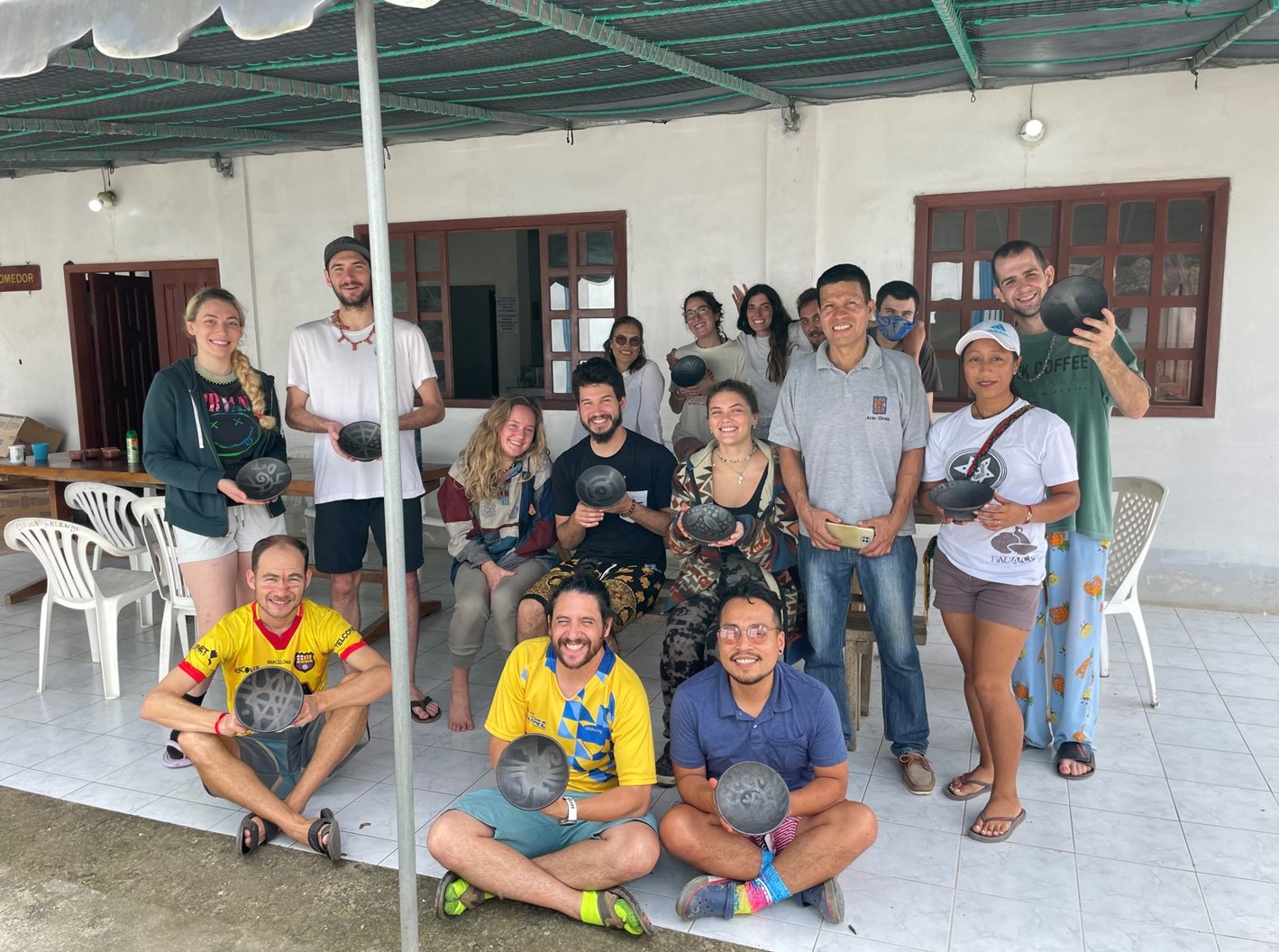
The ethnographic and archaeological research programs center on understanding local subsistence practices in variegated micro-ecosystems with the goal of building a record of how people in coastal Ecuador have made use of multiple ecosystems in a relatively small area from approximately 5000 years ago to the present.
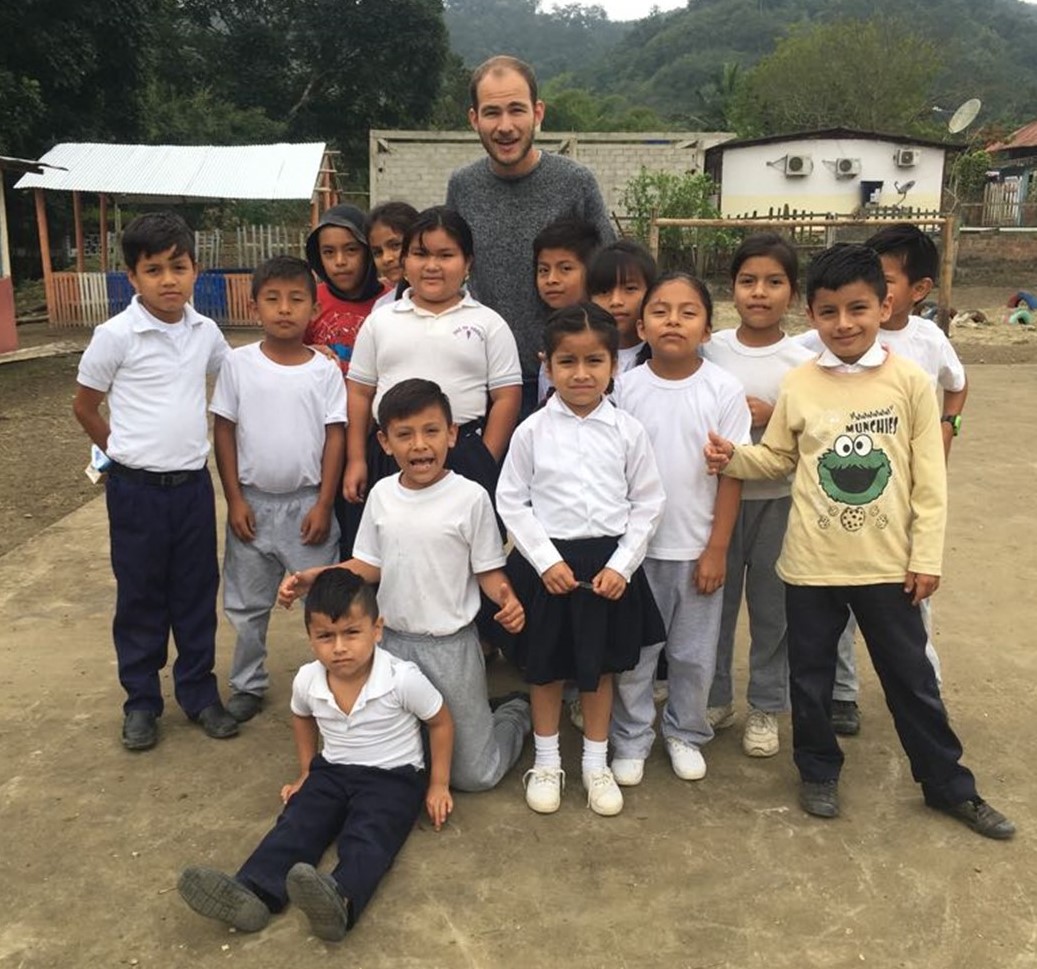
The field program has also initiated an archaeological survey of an interior river valley populated with a number of distinct monkey species. This survey has the potential to expand the programs for the Ecuador Field School’s programs to include primatology, tropical forest ecology, zoology, geography, art and history.

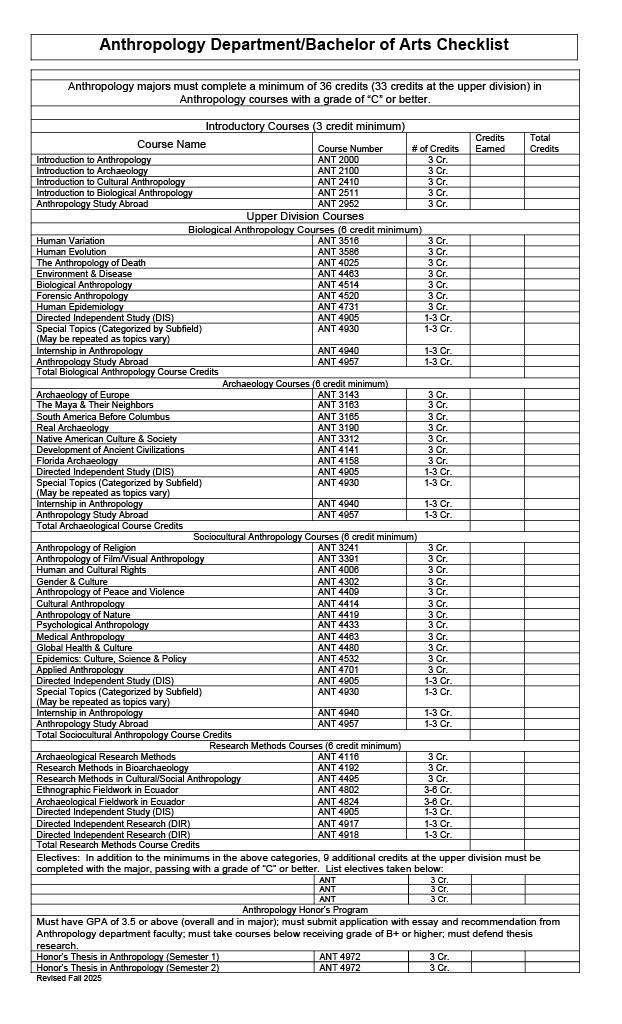
Participation in the Ecuador Field Program can satisfy different course requirements in FAU’s Department of Anthropology BA curriculum. FAU students must register for either Ethnographic Fieldwork Study Abroad (ANT 4802) or Fieldwork in Archaeology (ANT 4824) . Students from other colleges and universities are welcome to participate in the program as a non-degree student and may have the option to register for 1 audit credit if they do not need the full course credit transferred back to their home institution. FAU tuition rates apply.
Application Deadlines
Applications must be submitted by May 13, 2025. Early applications are encouraged to guarantee a spot in the program. Space is limited to 20 students per term. Students will be informed of their acceptance by phone or email.
Please Contact:
Valentina Martinez, Field School Director
Email: vmartine@fau.edu, Phone: 561-297-0991
Dr. Michael Harris, Anthropology Department Chairperson
Email: mharris@fau.edu, Phone 561-297-3230
FLORIDA ATLANTIC UNIVERSITY
ARCHAEOLOGICAL FIELD PROGRAM IN ECUADOR
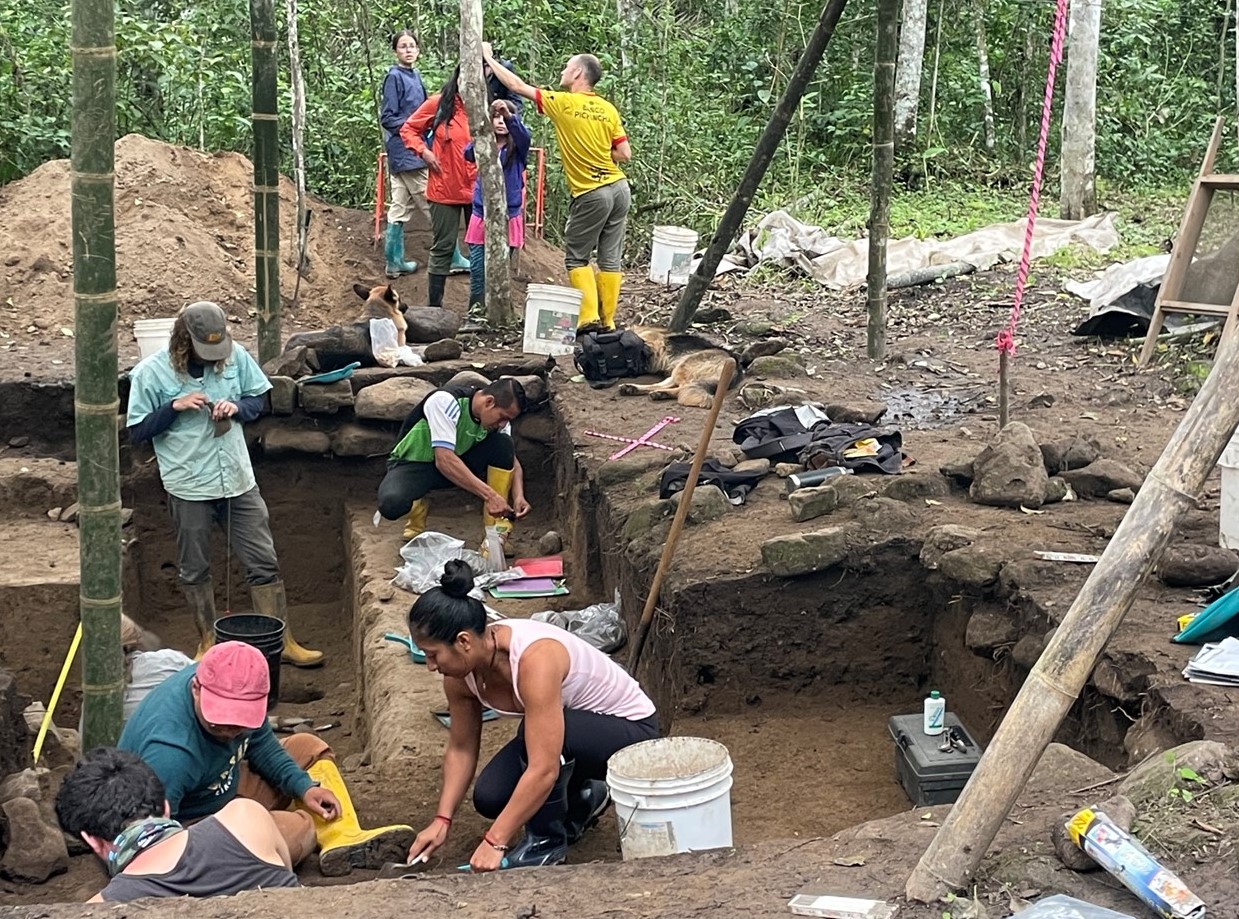
The primary goal of the Florida Atlantic University Department of Anthropology’s Archaeological Field Program is to create field archaeologists.
The academic purpose of the program is to train students in archaeological field and laboratory methods. The program provides comprehensive and intensive training in archaeological field methods and interpretation. Students gain hands-on experience in excavation, survey, data recording, laboratory procedures, and report writing. The instructor-student ratio in the field is 1:5.
The Florida Atlantic University's program incorporates a multinational and multidisciplinary team of investigators. The goal for the program is to reconstruct the prehistory and paleoecology of the southern Manabi province. About 5,000 years ago there were permanent settlements based on a mixed economy (horticulture, fishing, and hunting). Over time, agricultural communities with a significant long distance coastal trade network emerged. By the time of the Spanish arrival, ranked societies with very complex socio-political organizations were in existence (Norton 1986).
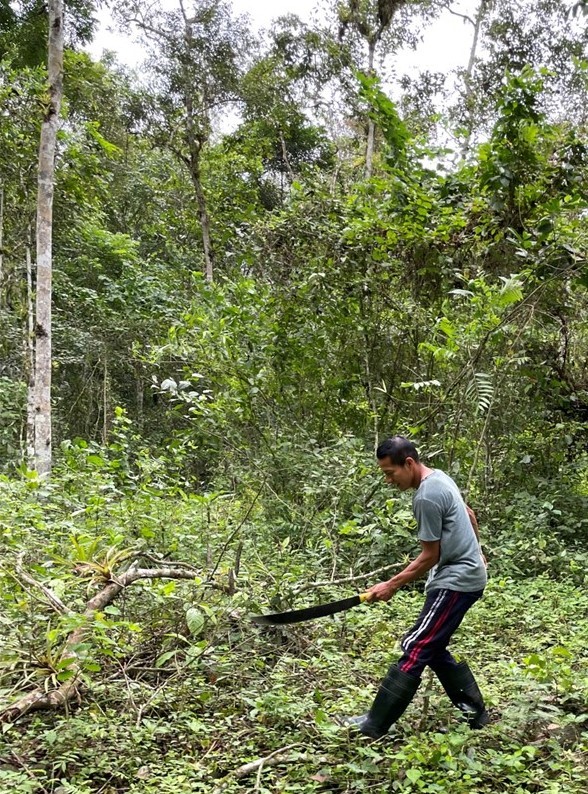
Investigations focus on the systematic survey of alluvial valleys and on the excavation of a coastal sites with cultural components from Valdivia (3500 B.C.E.) until the contact period, and with a particular focus on inland site excavations and surveys to unravel the prehistoric interrelationship between coastal and inland groups.
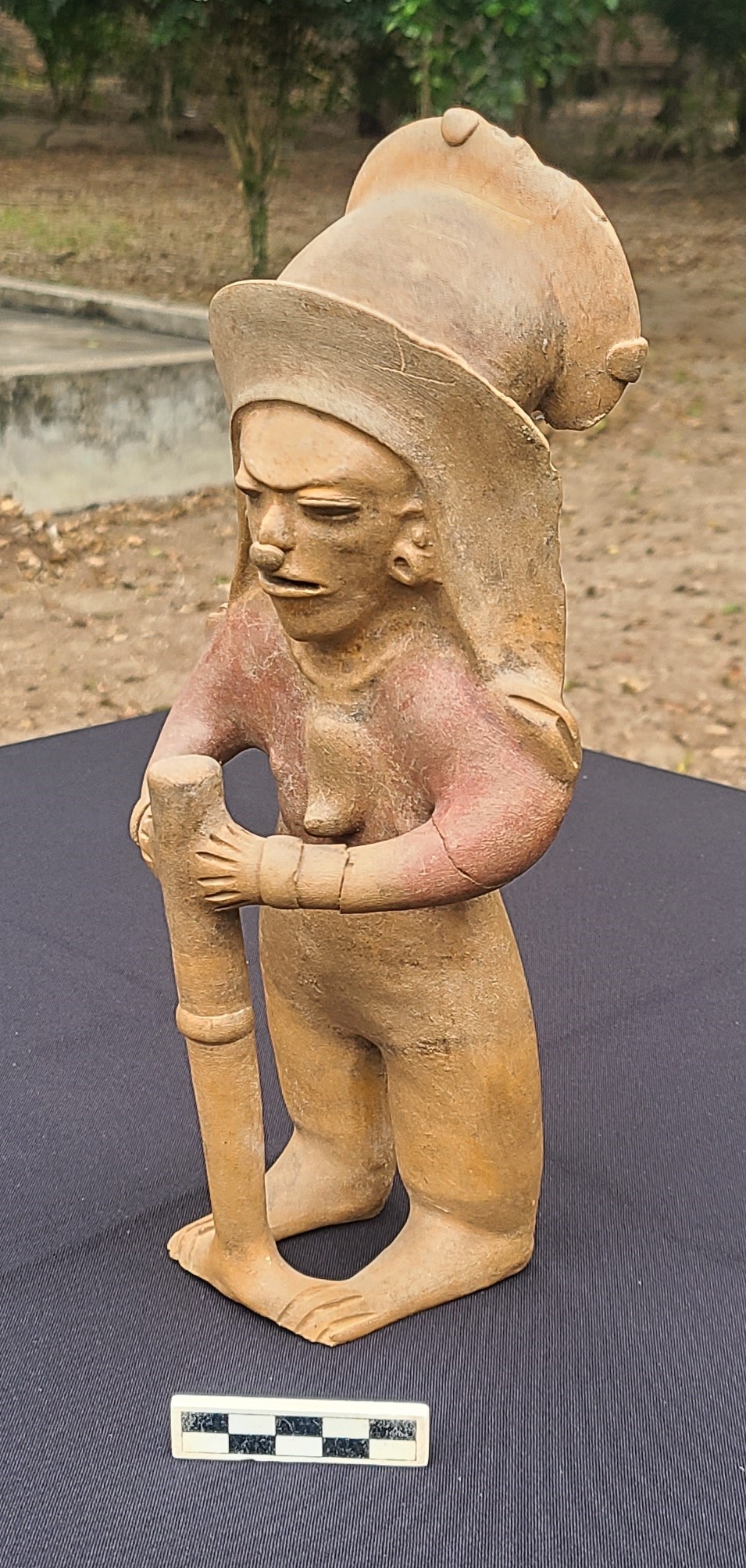
Along with excavation and survey training, there are weekly lectures that focus on the processes and theory of archaeological research and the prehistory of coastal Ecuador. Lectures are given by Field School instructors and guest archaeologists and anthropologists, both local and from abroad.
Since 1997, The Ecuador Field School has trained students from accredited colleges and universities in the United States, South America and Europe, many of whom have gone on to graduate work at the master's and doctoral levels.
The program may be of special interest not only to Anthropology majors but also to Geology, Geography, or Environmental Studies students; the training includes topics related to the dynamics of long-term human use of environments and the creation of landscapes.
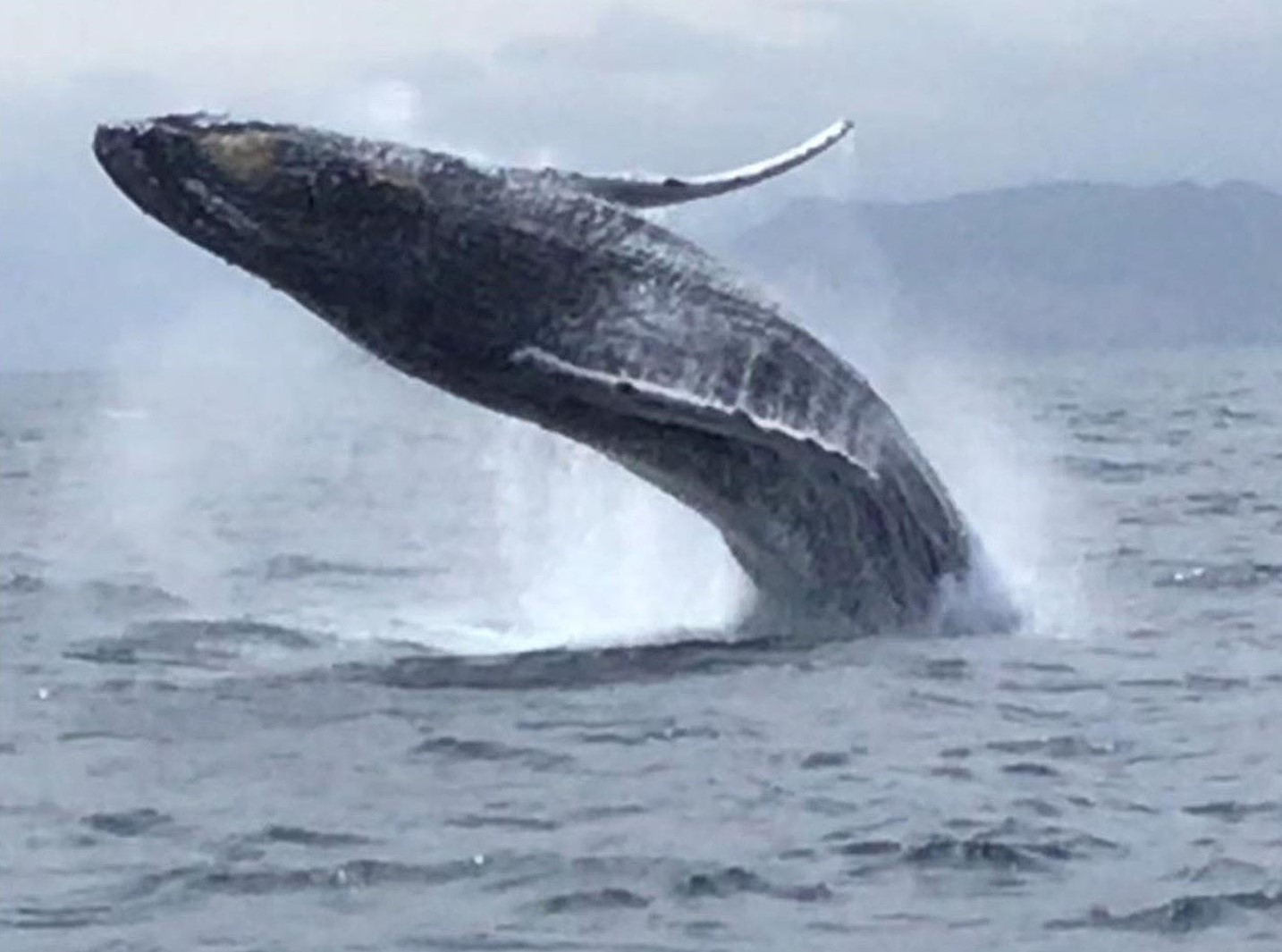
There are several interesting archaeological sites that can be visited by students: Valdivia, San Pedro, Real Alto, Agua Blanca, and Vegas. Other weekends, students can tour coastal Ecuador and the highlands, which offer different areas and activities of interest, such as the Machalilla Tropical Forest Park, surfing, fishing communities that use ancient technologies, and whale watching by boat.
The program can satisfy the research requirements for a BA in Anthropology at Florida Atlantic University. The course is entitled, “Field Methods in Archaeology,” ANT 4824, is offered for 3-6 credit hours. Students from other colleges and universities are welcome to participate in the program as a non-degree student and may have the option to register for 1 audit credit if they do not need the full course credit transferred back to their home institution.
FAU tuition rates still apply.
FLORIDA ATLANTIC UNIVERSITY
ETHNOGRAPHIC FIELDWORK IN COASTAL ECUADOR

This course provides the student with the opportunity to put anthropological methods and theories into practice through participation in a supervised fieldwork situation in a village in coastal Ecuador.
Doing ethnographic fieldwork is the hallmark of cultural anthropology. More than any other approach to the study of culture, it is the primary defining criterion for the discipline and its practitioners. For most anthropologists, having done fieldwork is both a fundamental rite of passage that moves one towards professional status and an important life event that in some fashion shapes the individual. This course attempts to recognize the importance of fieldwork to the student personally as well as to introduce the student to a series of methods that anthropologists use in the process of doing fieldwork and gathering data.
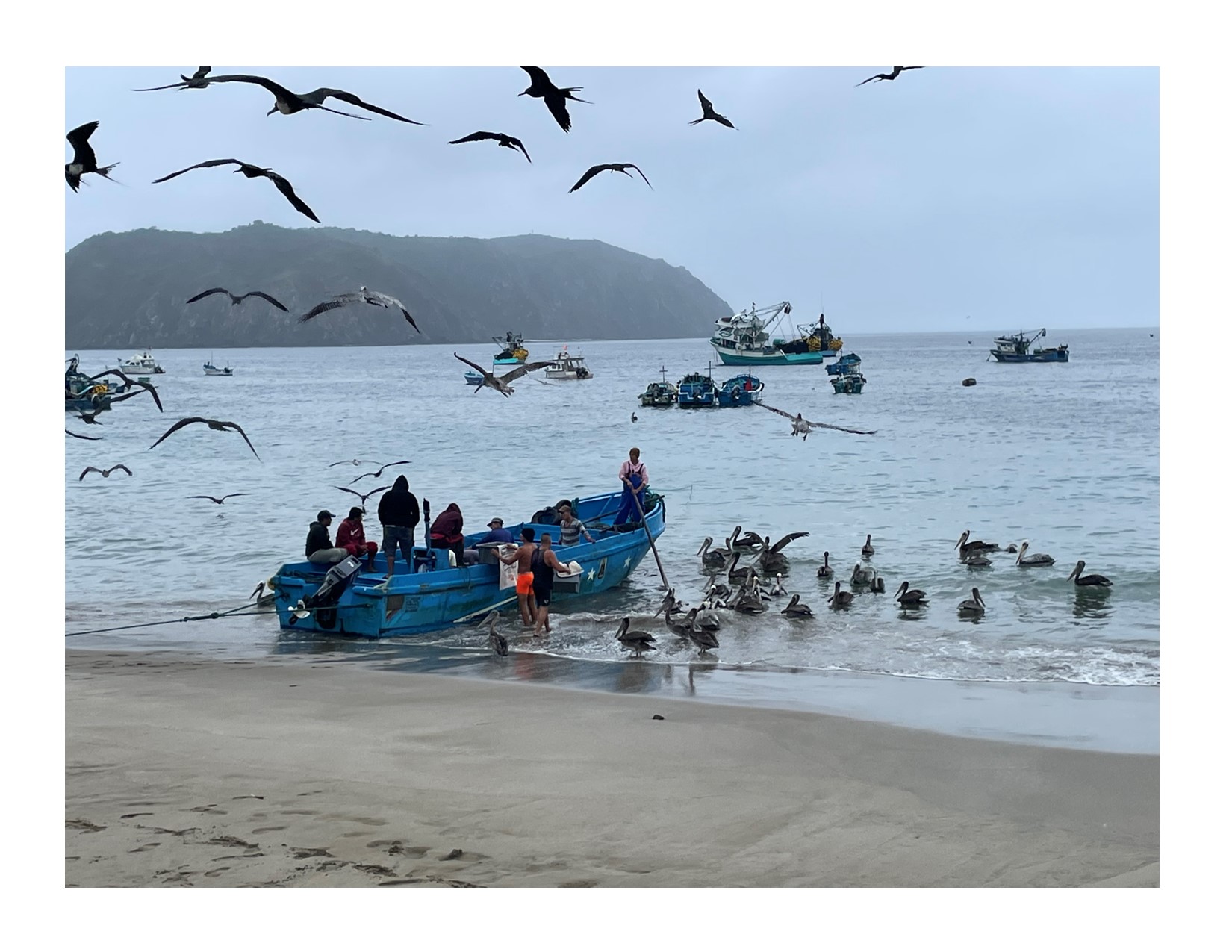
In general, students spend the first two weeks mapping and doing observation, while more slowly embarking on verbally intensive methods. By the third week, participants narrow their interests to a primary research topic that is focused on for the rest of the program. The final days are spent writing an ethnographic report.
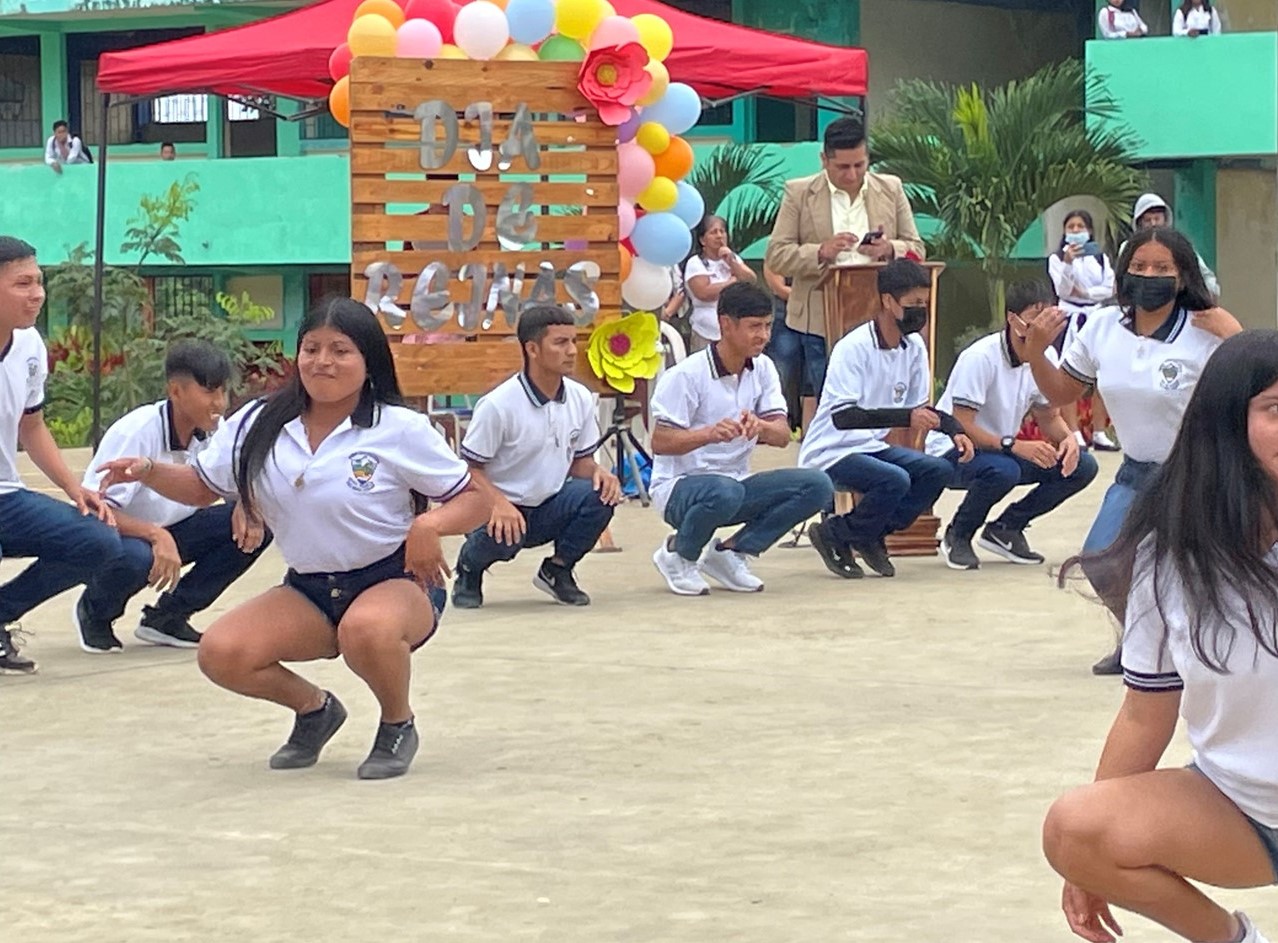
In the past students have focused on some of the following topics as women's roles, agriculture, fishing, young men's groups, education, health and disease, childbirth, evangelism, and card playing as a site of masculinity.
There is still plenty of work to accomplish on each of these and a wide array of topics that haven't been explored.
The program takes place in Salango in the Manabi province of Ecuador. It is a fishing village of approximately 1,200 inhabitants. Local economies are dependent on ocean products, with horticulture (manioc, corn, beans) practiced on nearby inland terraces, and tree crop cultivation (citrus, tagua, coffee) in low mountain areas.
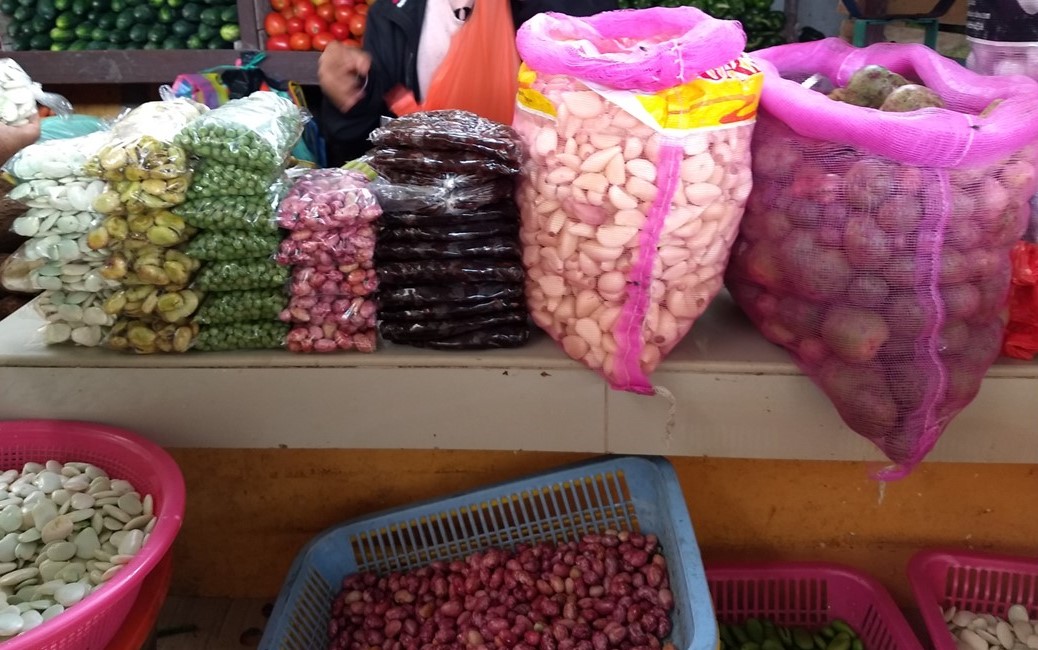
The coastal region of southern Manabi province is characterized by stretches of small mountains and hills that run along the coast. Most villages and towns are located seaside, adjacent to the beach. The closest town to the village of Salango is Puerto Lopez, a ten-minute ride by camioneta (a small truck used to transport goods and people). Puerto Lopez has an open-air market, numerous small shops, pharmacies, some doctors, a small hospital, and some restaurants.
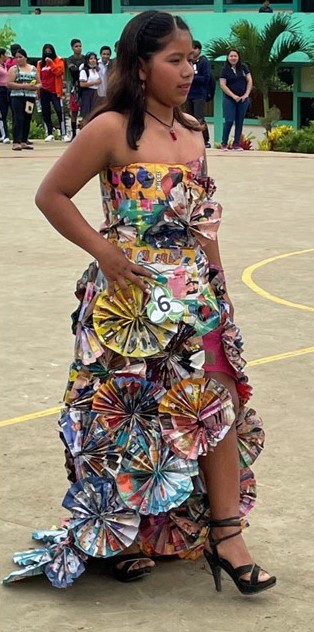
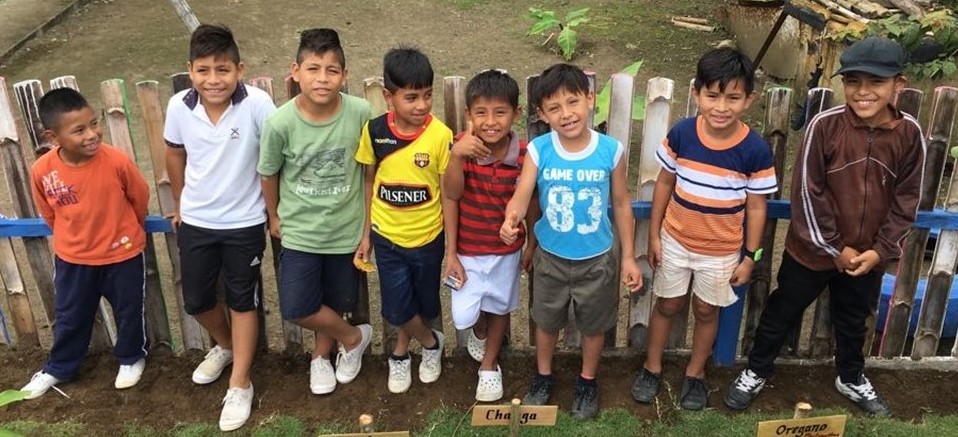
Student participants come from diverse backgrounds and with diverse interests. Some, but not all, are anthropology majors. Some speak Spanish very well, while others struggle mightily with both speaking and comprehending Spanish. The most important qualities required for this program are a willingness to place oneself in situations that demand concentration and alertness and a willingness to write daily, intensive field notes.
The program can satisfy the research requirements for a BA in Anthropology at Florida Atlantic University. The course is entitled, “Field Methods in Ethnographic Fieldwork,” ANT 4802, is offered for 3-6 credit hours. Students from other colleges and universities are welcome to participate in the program as a non-degree student and may have the option to register for 1 audit credit if they do not need the full course credit transferred back to their home institution. FAU tuition rates still apply.
Students live in a research center located in the village of Salango. The village has a few small stores, a church, restaurants and bars. The research center is a walled compound located on the beach. Students are housed in the Center's cabanas.
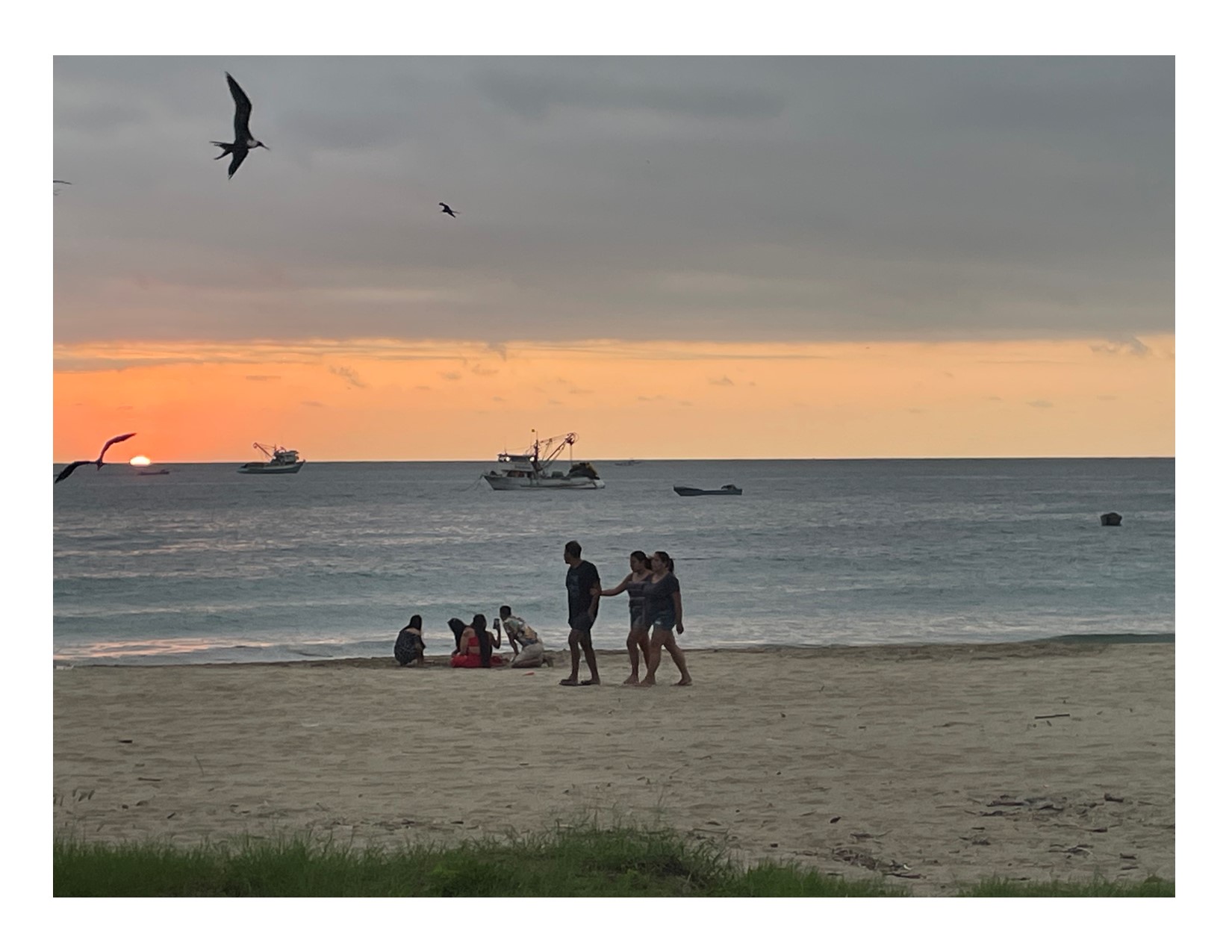
Adjacent to the beach, The Salango Research Center is the program’s base of operation. It is located in a walled, secure compound and is an excellent site for lodging students. There are computer facilities, a modern kitchen, showers and toilets. Breakfast and dinner are prepared at the Center by project cooks. Students make their own sandwiches for lunch.
The program is a joint effort between Florida Atlantic University’s Department of Anthropology and the following Ecuadorian institutions: the Comuna Salango and the Salango Research Center. Founded by Presley Norton in the 1970s, the Center is currently administered by the indigenous people of the village organized in a communal landholding entity known as the Comuna Salango.
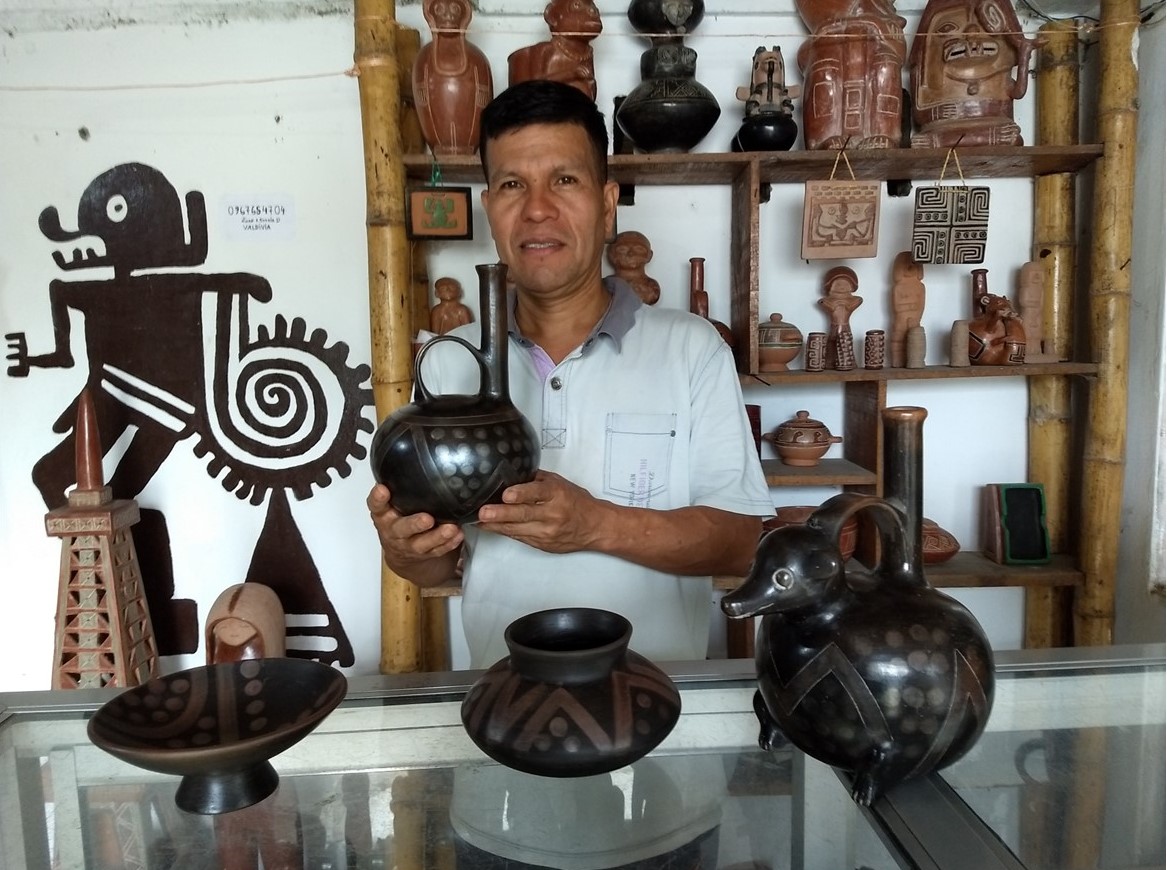
The Salango Research Center houses an archaeological museum that attracts international visitors and is also open to the public. The Center has laboratories and facilities for international researchers and houses one of the most extensive faunal collections in South America
Application Deadlines
The deadline for applications is May 13, 2025. Early applications are encouraged to guarantee a spot in the Field School. Space is limited to 20 students per term. Students will be informed of their acceptance by phone or letter.
Please contact:
Valentina Martinez, Field School Director
Email: vmartine@fau.edu, or Phone 561-297-0991
Dr. Michael Harris, Anthropology Department Chairperson
Email: mharris@fau.edu, or Phone 561- 297-3230