1/8/2026
Art of Science: Beauty in Fruit Flies
Science and Art Take Guts
Using fruit flies as a research model, Tanja Godenschwege, Ph.D., is unraveling the mysterious connection of how a person's gut impacts their mood, their brain, their behavior and even the onset of neurodegenerative diseases like Alzheimer's.
“Most people think of the gut as ugly because they associate it with its final product,” said Godenschwege, professor, Charles E. Schmidt College of Science. “But when you look closely, it's astonishingly beautiful.”
Godenschwege and several of her students recently earned accolades for images of their research submitted to the annual Art of Science, an initiative that highlights photographs and videography of research happening across the colleges at Florida Atlantic University.
“Our images show the elegance that can be found in science while also reminding us how important the proper communication between gut and brain is to human health,” Godenschwege said. “Miscommunication leads to obesity, diabetes, mood disorders and neurodegeneration.”
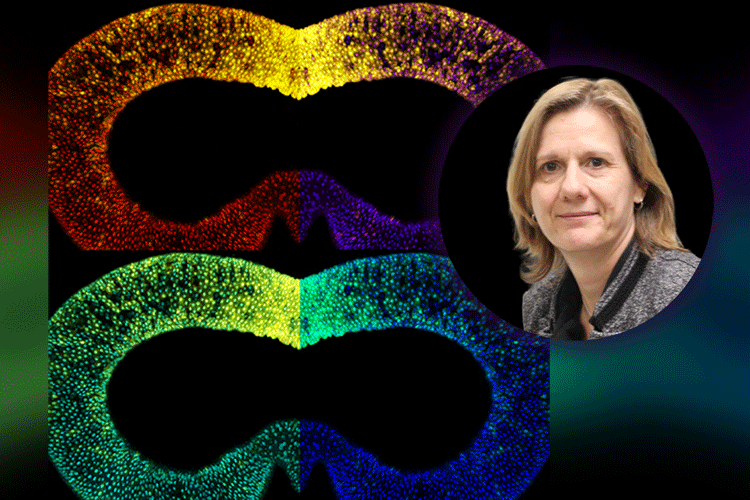
Godenschwege's winning image, titled Owls Having Guts, earned an honorable mention. Captured with a microscope, the image reveals the intricate structure of the fruit fly digestive system. Her students' entries reflected their emerging scientific skills.
Here is a look at some of her students' winning submissions:
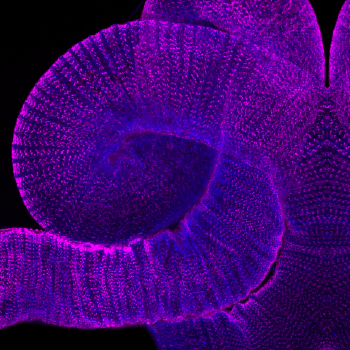
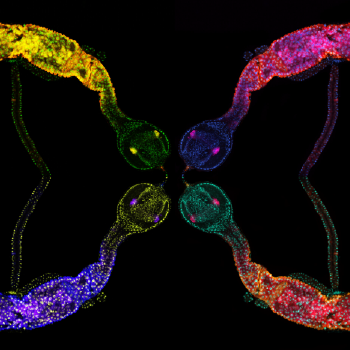
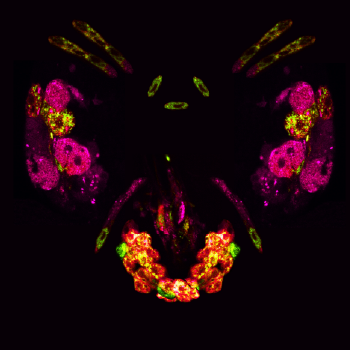
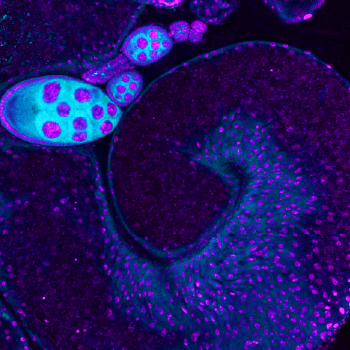
For Godenschwege, her students' success is more meaningful than her own, she said.
“My students spend many hours learning and then executing tedious dissections of these tiny fruit flies to obtain these beautiful images,” she said. “Seeing them recognized for that hard work is incredibly rewarding. I'm proud of my honorable mention but watching my students succeed is even better.”
Art of Science
Join us in celebrating this year's winners of the 7th annual Art of Science contest during the opening ceremonies of the nearly monthlong exhibition. Free food, wine and giveaways.
4 to 6 p.m., March 31
Exhibition runs through
April 19
Register Now for the 7th Annual Art of Science Gallery opening ceremonies
View all Art of Science winners here.
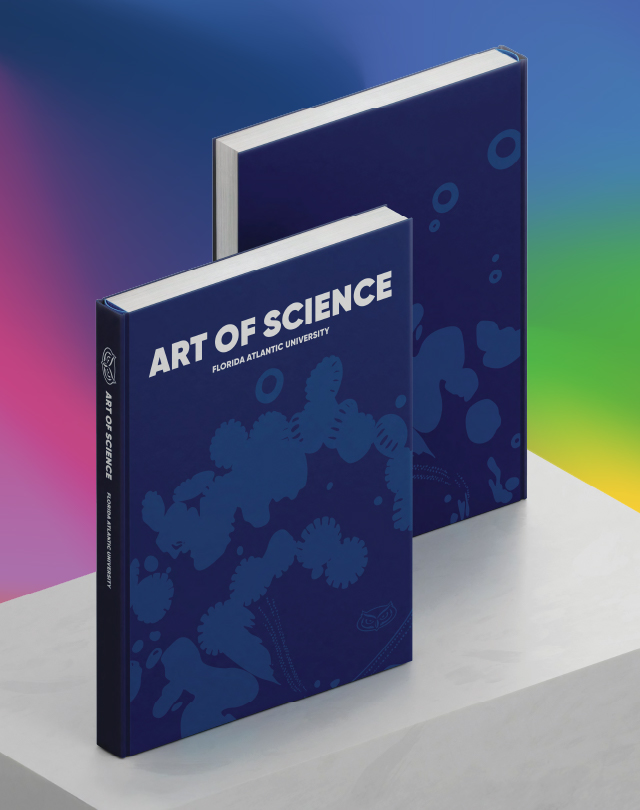
Get your copy of the commemorative Art of Science coffee-table book ...
All of the research
All of the pictures
All of the stories
All yours.