Stories of Rising Risks - Women's Stories
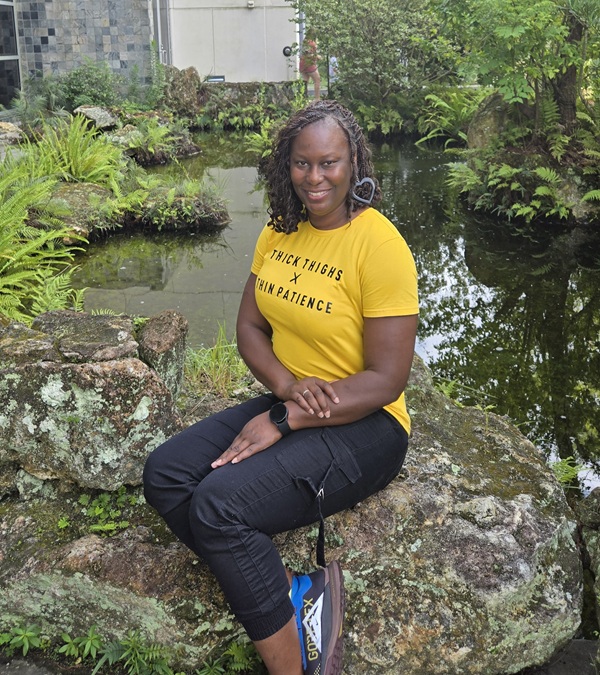
Anastasia, a Black/African American study participant, learned about breast cancer awareness
through an informational and decided to perform a self-exam in 2011 as a 28-year-old. She discovered a lump in
her right breast but wasn’t concerned at the time. Later that year, a biopsy confirmed that she had stage IIb
triple-negative breast cancer – an aggressive form of the disease. “Receiving that news at 28 is not something
you want to hear,” said Anastasia. Unaware of her family history, she decided to get genetic testing. The
results confirmed that she had a BRCA1 gene mutation or pathogenic variant, which also increased her risk for
ovarian cancer. At 41, she proactively had her ovaries and fallopian tubes removed as a preventive measure. Now
cancer-free for 13 years, Anastasia advises women to take charge of their health and consider genetic testing.
“I encourage anyone going through this process to get tested – not just for yourself, but for your loved ones.
Early testing can provide clarity and potentially spare you and your family from the many procedures I had to
endure,” said Anastasia.
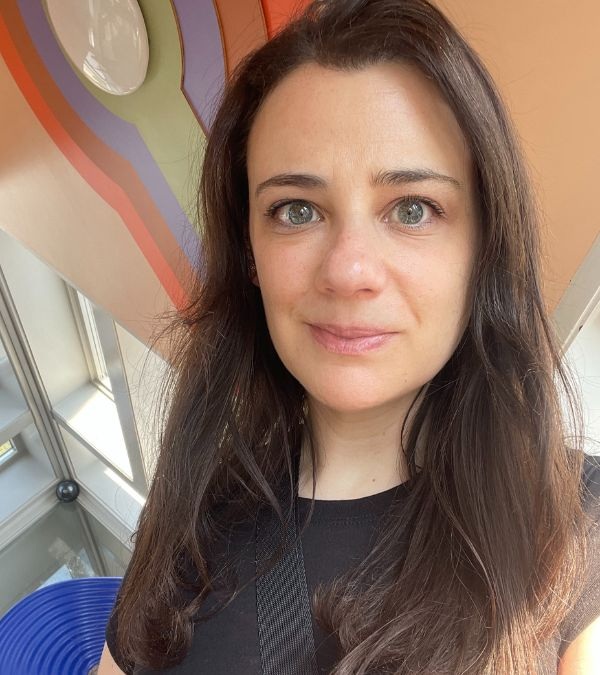
Margalit, a study participant of Ashkenazi Jewish descent, was diagnosed with stage II breast
cancer in 2020 at age 31 after discovering a lump in the shower. At first, she thought she was the only person
in the world going through this. “I would later realize there were growing numbers of young breast cancer
patients,” said Margalit. With no family history of breast cancer, the diagnosis came as a shock. She underwent
active treatment during the pandemic, including a double mastectomy, chemotherapy and endocrine therapy. But for
Margalit, the hardest part came after treatment. “Post-cancer aftermath was harder than active treatment – and
while that’s not true for everyone, resources are lacking for those who are struggling,” she said. She
emphasizes the importance of onco-psychosocial support and therapy to address mental health challenges like
anxiety, depression and fear of recurrence. While many worry about things like clean products or sugar intake,
Margalit focuses on what she believes truly matters: treatment and lifestyle choices like limiting alcohol and
not smoking. Now, five years out, she finds support through peer networks – women with similar experiences who
understand the unique needs of young adult survivors. “I believe that the most effective treatment for these
challenges is finding community,” she said.

Monica, a Hispanic study participant, discovered a lump in her right breast at age 37 while
adjusting her bra during dinner in 2022. “I had a sinking feeling that I thought something was wrong,” she said.
The next day, her gynecologist ordered further testing. She has a family history of breast cancer – her mother
was diagnosed just five years prior. Following a mammogram, ultrasound and biopsy, she was diagnosed with stage
II breast cancer. She underwent active treatment including a lumpectomy, radiation and chemotherapy. “My
daughter was about 1 and my other daughter was just turning 3 and I had to do this for them,” said Monica. Just
three months after completing radiation, her yearly mammogram revealed a suspicious finding. She sought a second
and third opinion. After an MRI, biopsy and breast surgery, the cancer had returned. “It was not just in my
lymph nodes, but in my breast again,” she said. Facing this difficult reality, she made the decision to have a
double mastectomy. Employing a special surgery to prevent lymphedema, her surgeon removed 25 lymph nodes. Monica
is almost three years cancer-free and is passionate about raising awareness and self-advocacy. “I just want to
make sure the next person doesn’t have to go through everything I did,” she said. She urges young women to be
their own advocate, to be loud, to be unforgettable and to ask every question.
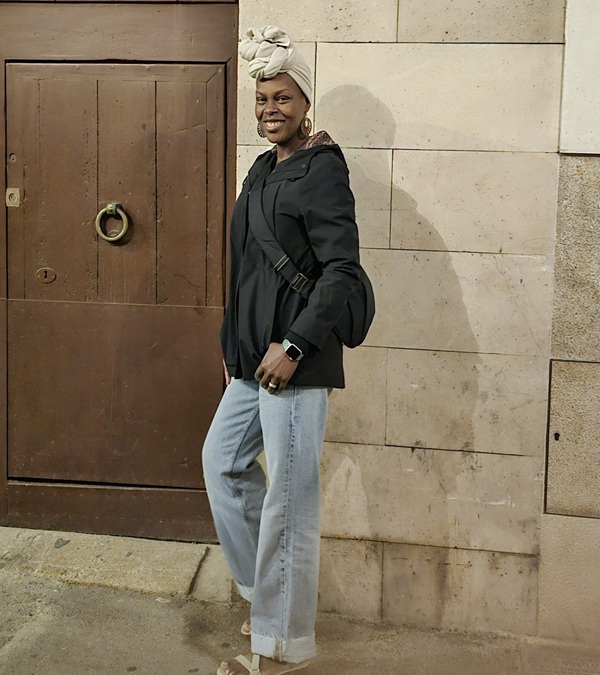
Nediva, a Black/African American study participant, was diagnosed with stage I breast cancer
in 2014 at age 33. She initially thought a lump in her right breast was a clogged milk duct, but it turned out
to be cancer. Genetic testing showed she was negative for BRCA1/2 mutations. She fought fiercely, undergoing a
double mastectomy, chemotherapy and endocrine therapy to reduce her risk of recurrence. But in 2019, the cancer
returned. “I had no symptoms leading up to my second diagnosis,” she said. It was during a routine oncology
visit that elevated tumor markers were detected. The news was a shock: stage IV metastatic breast cancer. She
was thrust back into the emotional whirlwind of treatment. At first, the only person she confided in outside her
family was a close friend also battling breast cancer – whose support was a lifeline until she passed away.
After her second diagnosis, Nediva began a wellness journey, embracing a more holistic approach. Now 44, a
10-year cancer survivor and five-year metastatic survivor, she balances medical treatment with a plant-based
diet, exercise, acupuncture, massage, supplements and mental health therapy – something she wishes she had
started sooner. She currently has no evidence of active disease. Being a mom and wife keeps her going. Her
family is her pride and joy, and being active in her children’s lives brings her purpose. “This is my story –
about living with metastatic breast cancer, surviving, thriving and being a ‘Warrior Queen,’” she said.