News

March 10, 2025
FAU engineering and Marcus Neuroscience Institute researchers have identified current shortcomings of AI in health care and explored its potential to provide a roadmap for future advancements.
March 04, 2025
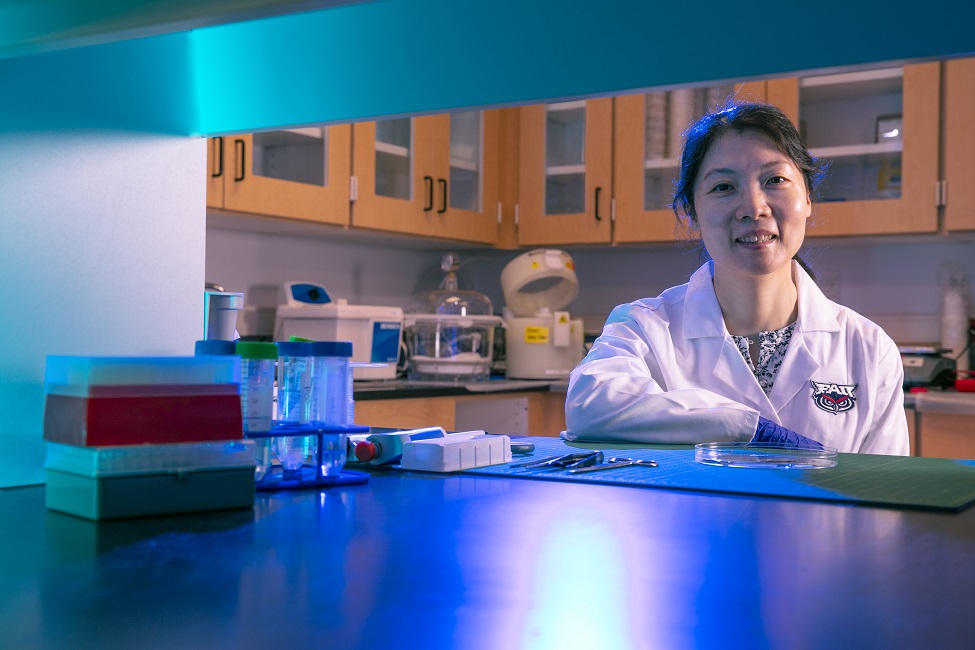
E. (Sarah) Du, Ph.D., an associate professor in the College of Engineering and Computer Science, was selected for her significant contributions in advancing medical technology.

February 25, 2025
With a grant from the U.S. Department of Defense, FAU has acquired an advanced micro-CT system that will greatly enhance research across various fields including ocean science, materials, biology and medicine.

February 10, 2025
A new conceptual design for long-term monitoring of Arctic ice melt holds promise for marine vehicle autonomy, maritime missions, and better understanding of how melting sea ice impacts marine ecosystems.
November 12, 2024
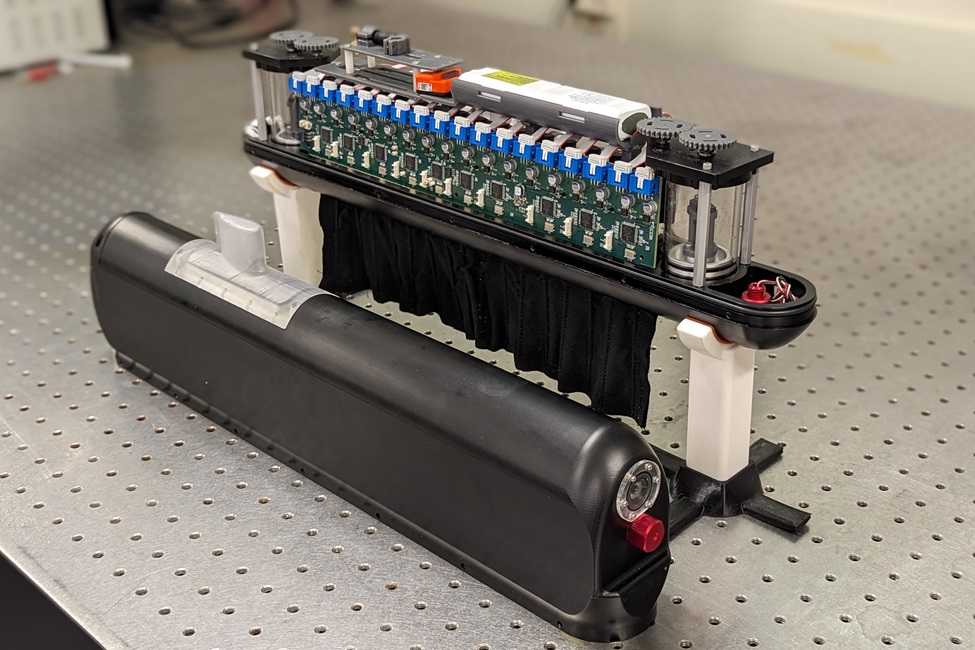
A school of bio-robotic fish with advanced sensors will create a versatile network capable of maneuvers and station-keeping beyond current vehicles in shallow coastal areas and in deep ocean environments.

October 02, 2024
The College of Engineering and Computer Science at Florida Atlantic University is proud to announce that the Human-Powered Submarine (HPS) Team, from the Department of Ocean and Mechanical Engineering, has secured second...
July 15, 2024
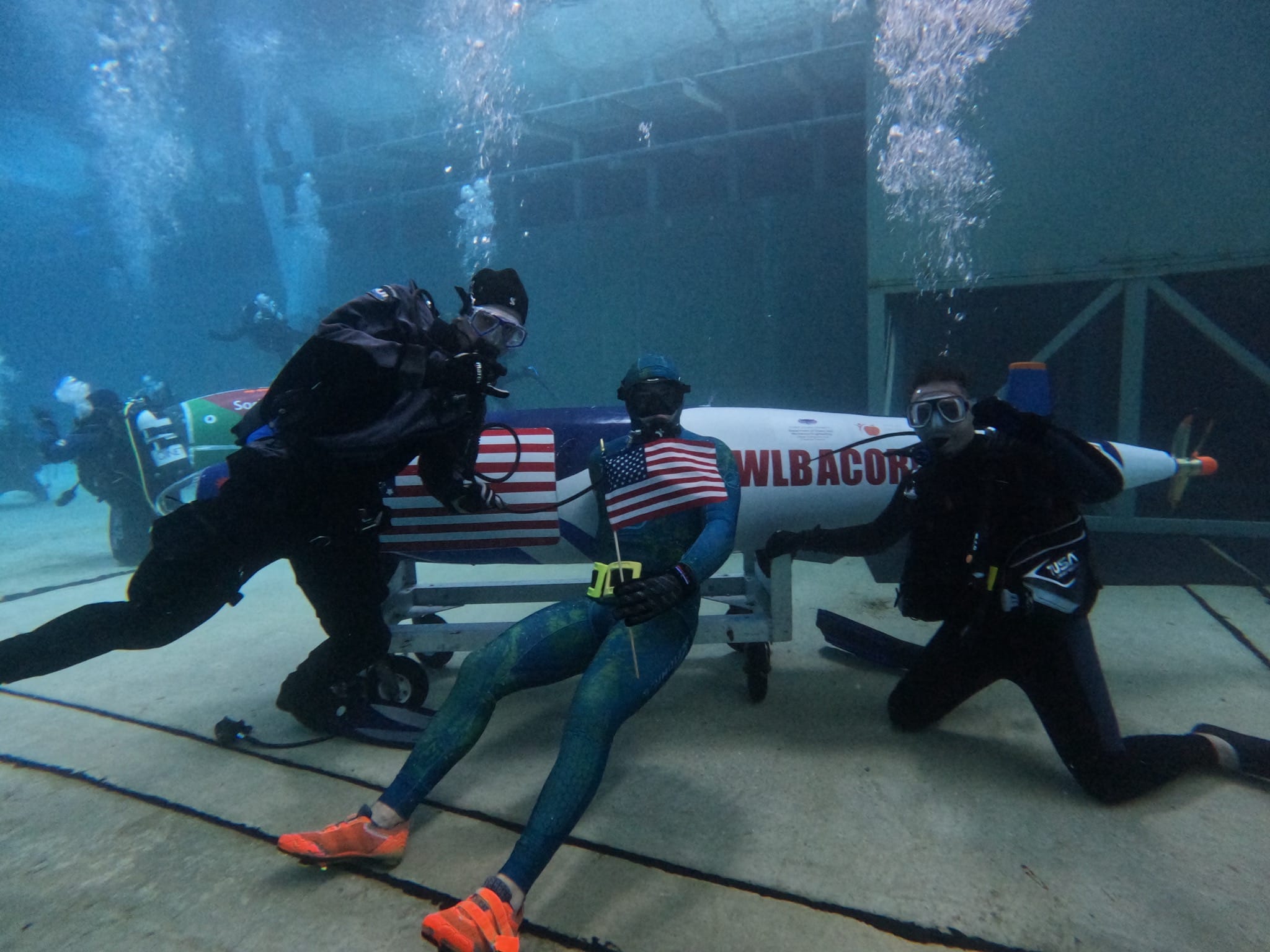
The Florida Atlantic College of Engineering and Computer Science (COECS) Human-Powered Submarine (HPS) team from the Department of Ocean and Mechanical Engineering recently placed second overall at the 2024 European International...

May 17, 2024
The summit brought together leading scientists in the field across North America and Europe to discuss the latest research and advancements in the study of amyloid-related diseases.
May 15, 2024
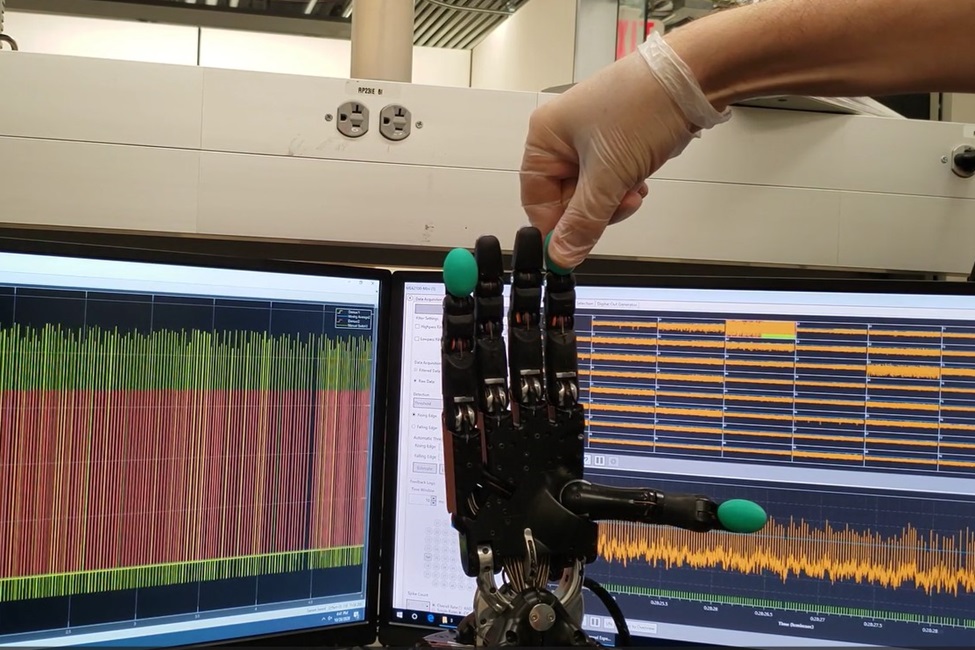
FAU engineering researchers have developed a novel biohybrid neuro-prosthetic research platform to refine control of artificial hands and lead to a better understanding of the complex sensation of touch.
April 17, 2024
The College of Engineering and Computer Science is among eight university teams in the U.S. selected to work with NASA and the U.S. military to foster innovation and expertise in the small satellite sector.