FAU SOA WELCOMES | VYTA PIVO | FALL ‘25/SPRING ‘26 LECTURE SERIES
Thursday, Feb 05, 2026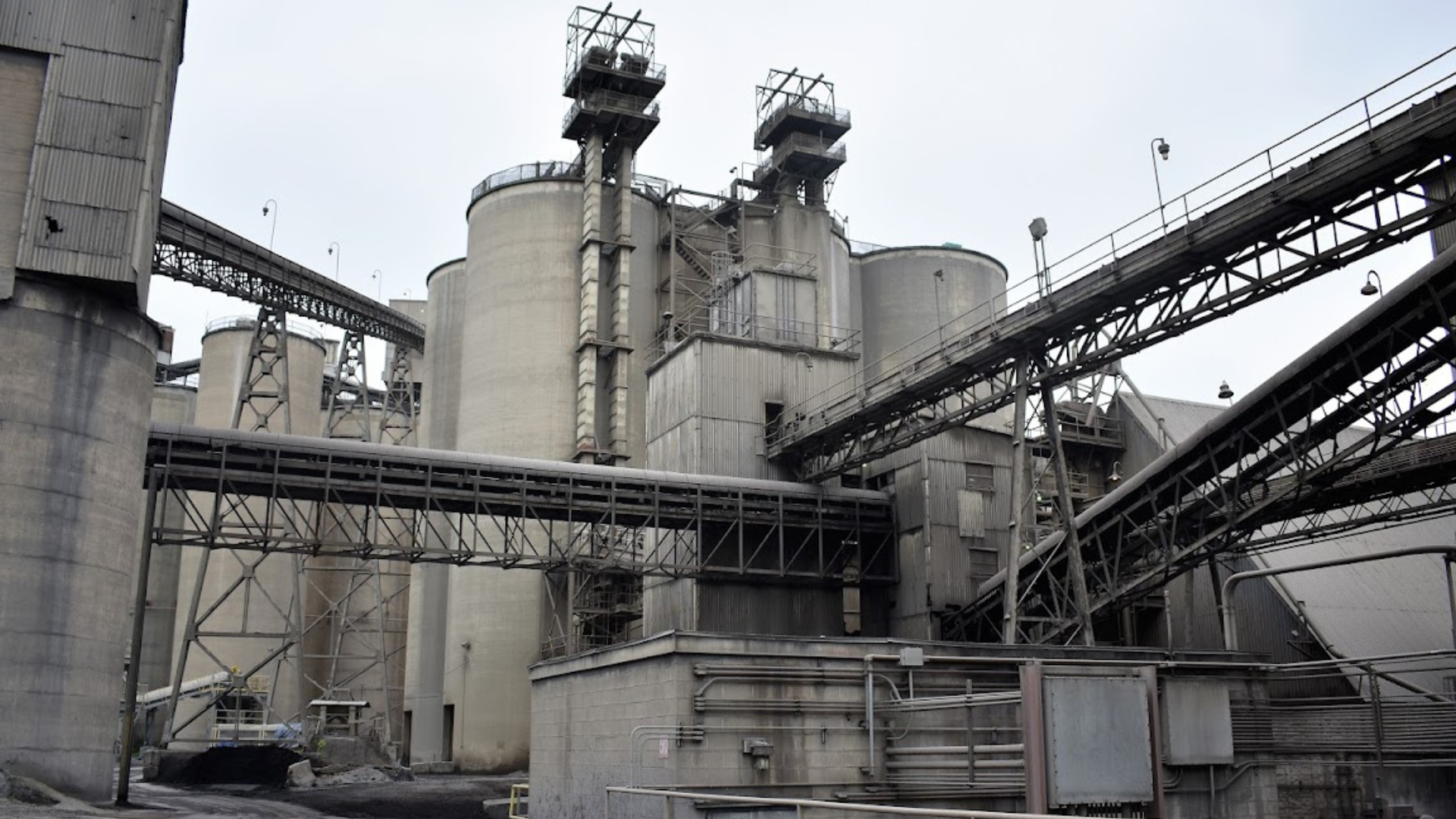
The FAU School of Architecture (SOA) is excited to announce that Vyta Pivo, interdisciplinary historian of the built environment and Associate Professor of Architecture, will present in our annual lecture series on Thursday, February 5, 2026, at 3 p.m. in the MetroLAB
Pivo’s work examines the intertwined histories of architecture, infrastructure, racial capitalism, and U.S. imperial expansion, with a particular focus on the material, environmental, and social impacts of concrete and construction industries. Her current book project, A World Cast in Concrete: How the US Built Its Empire, traces how cement and concrete have shaped global landscapes, labor regimes, and political power.
She has published research in scholarly and public venues, including journals such as the Journal of the Society of Architectural Historians and the Journal of Architectural Education, as well as platforms like PLATFORM, Metropole, and The Conversation, bringing critical perspectives on the built environment to diverse audiences. Her scholarship has been supported by organizations including the American Council of Learned Societies, the Andrew W. Mellon Foundation, the National Science Foundation, and the Smithsonian Institution.
In her lecture, Pivo will draw from this ongoing research to explore how concrete operates as a key medium of empire, from global supply chains and construction labor to questions of environmental justice and urban inequality. By foregrounding the histories embedded in everyday building materials, she will invite students, faculty, and community members to reconsider how architecture participates in broader struggles over resources, power, and more equitable futures for the built environment.