ASSISTANT PROFESSOR LUIS ARTURO PACHECO AWARDED THE KNIGHT ART + TECH EXPANSION FUND
Friday, Feb 27, 2026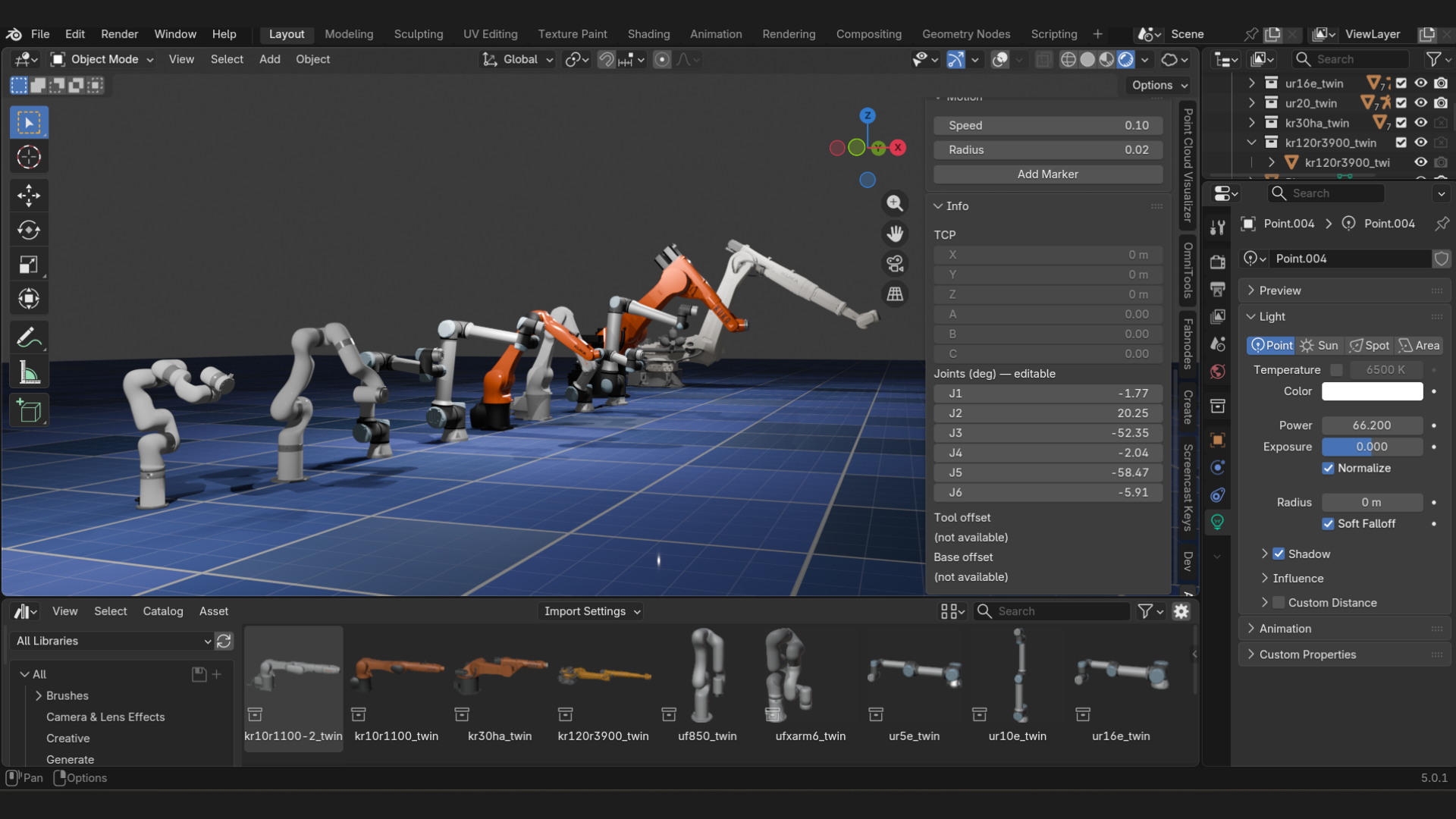
Florida Atlantic University’s School of Architecture proudly congratulates Assistant Professor Luis Arturo Pacheco, Director of the Interactive Machines Lab, on being awarded support through the Knight Art + Tech Expansion Fund. This competitive program invests in artists and arts organizations in Miami who are using technology to expand their reach, deepen community engagement, and strengthen local creative ecosystems.
The grant supports the continued development of Animaquina, an open-source platform created by Pacheco that connects Blender to industrial robotic systems, making advanced robotic fabrication more accessible to artists and designers. Funding from the Knight Art + Tech Expansion Fund will enable the integration of more affordable robotic hardware into the Animaquina platform and the development of hands-on workshops that empower creative practitioners to work directly with robotic tools in their own practices.
While the funding is focused on Miami’s arts ecosystem, the research and development directly strengthen the work underway in FAU’s Interactive Machines Lab, where Pacheco’s research explores the intersection of computational design, robotics, and digital fabrication. The new robotic platform will expand the lab’s capacity for experimental robotic fabrication, support student research and coursework, and create new opportunities for interdisciplinary collaboration across design, technology, and the arts.
“These resources allow us to lower barriers to advanced fabrication tools and invite a broader community of artists and designers into the conversation,” Pacheco said. “By connecting open-source software with more affordable robotic hardware, we can build workflows that are intuitive, sharable, and adaptable for many different creative contexts.”
The Interactive Machines Lab plans to leverage this new capacity to host workshops, partnerships, and public-facing projects that connect FAU students and faculty with artists and organizations across South Florida. These initiatives will help position the lab as an active node in the region’s creative technology landscape, linking FAU’s School of Architecture to a wider network of cultural and technological collaborators.