
Florida Atlantic Environment
Florida Atlantic University’s School of Environmental, Coastal, and Ocean Sustainability (ECOS) drives pioneering research, innovative teaching, and active public engagement to address society’s most pressing environmental challenges.
Established in 2023 as a partnership between the Charles E. Schmidt College of Science and Harbor Branch Oceanographic Institute (HBOI), ECOS brings together more than 250 researchers from six colleges to tackle the environmental issues facing South Florida and to serve as an international model for innovative solutions.
Interested in Getting Involved With ECOS?
Complete the form below and tell us how you’d like to partner with us and to get the latest news from ECOS. When you engage with our environmental researchers, students, and outreach activities, you aren't just supporting a university, you are investing in the resiliency of Florida.
Local Solutions, Worldwide Impact
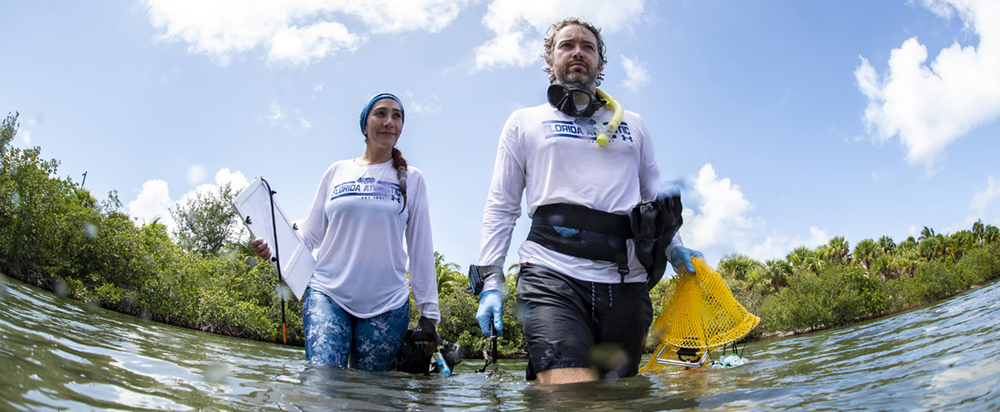
For decades, Florida Atlantic scientists have led efforts to preserve South Florida’s unique ecosystems, boost climate resiliency, and protect the Atlantic coastline. As the university’s hub for solution-based environmental research, ECOS offers distinctive experiential learning opportunities where students graduate well-prepared to become tomorrow’s climate leaders and for our research to drive solutions across the globe.
Florida Atlantic sits at the heart of a unique convergence of marine, freshwater, and terrestrial ecosystems, all bordering the largest metropolitan area in the state. This living laboratory allows our faculty and students to conduct groundbreaking research that drives global change.
Tackling Our Most Pressing Environmental Challenges
FAU researchers are embedded in the field, utilizing advanced technology and innovative methods to protect our natural and urban environments.
Ocean
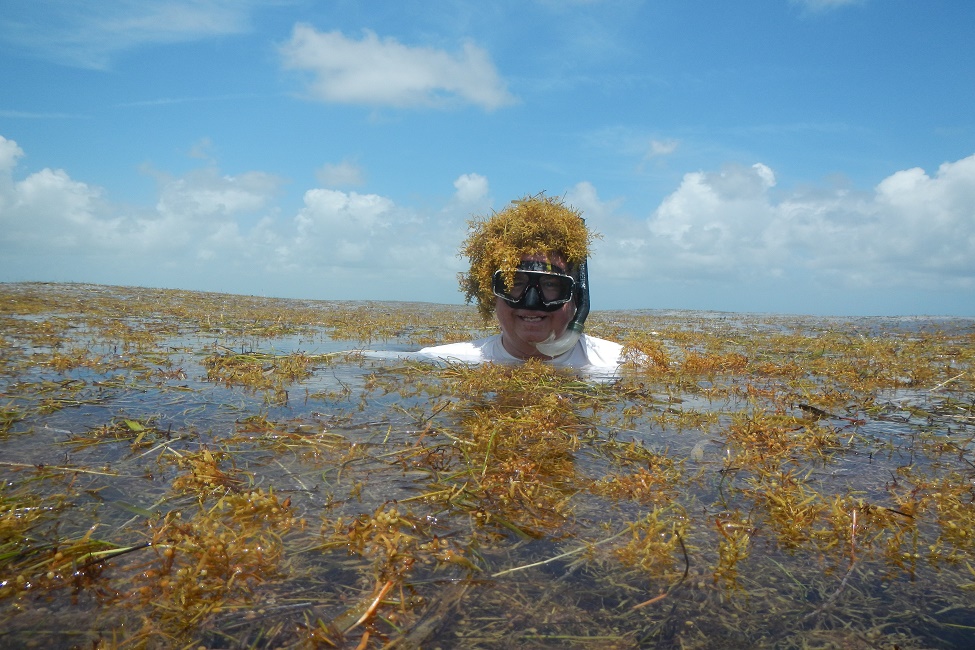
Turning the Tide on Sargassum
In 2025, researchers estimated over 31 million tons of sargassum drifted across the Atlantic—a record-breaking bloom. Dr. Brian LaPointe is leading a $1.3M initiative to study the impact of these blooms on coastal health. His team is testing innovative harvesting methods, from aerial drones to specialized dip-nets, to manage the seaweed and explore sustainable, circular-economy uses for the biomass.
Coastal
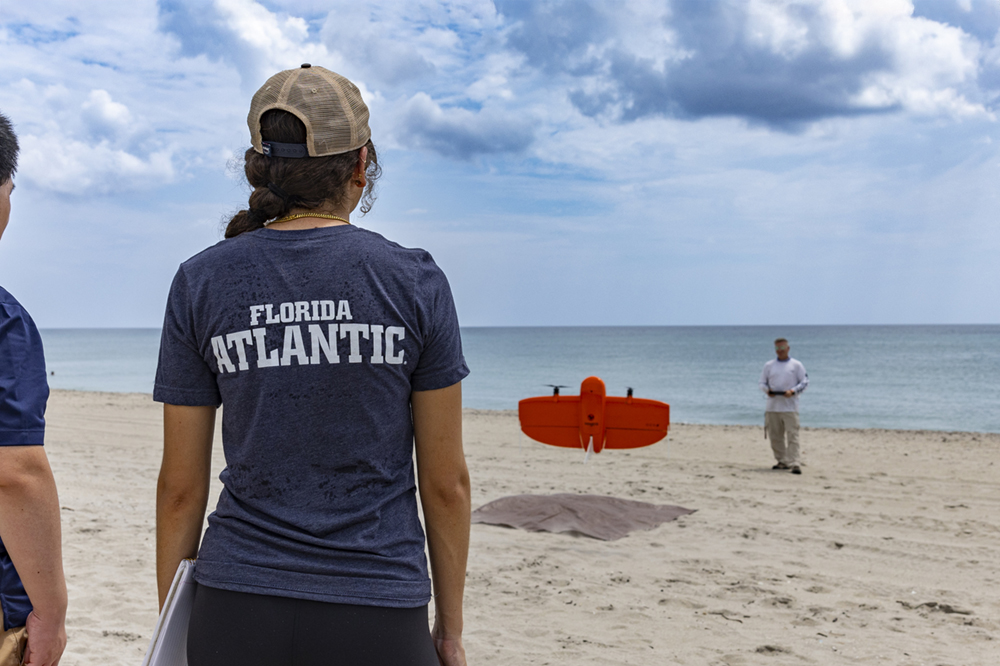
The Future of Storm Damage Assessment
Traditional hurricane recovery can be slow and hazardous. Dr. Tiffany Briggs and Dr. Diana Mitsova are transforming how we respond to disasters. By utilizing remote sensing technology—including drones and high-resolution imaging—they are developing quicker, safer solutions to assess beach erosion and structural damage. This data is vital for enhancing the long-term resilience of hurricane-impacted communities.
Cities and Communities
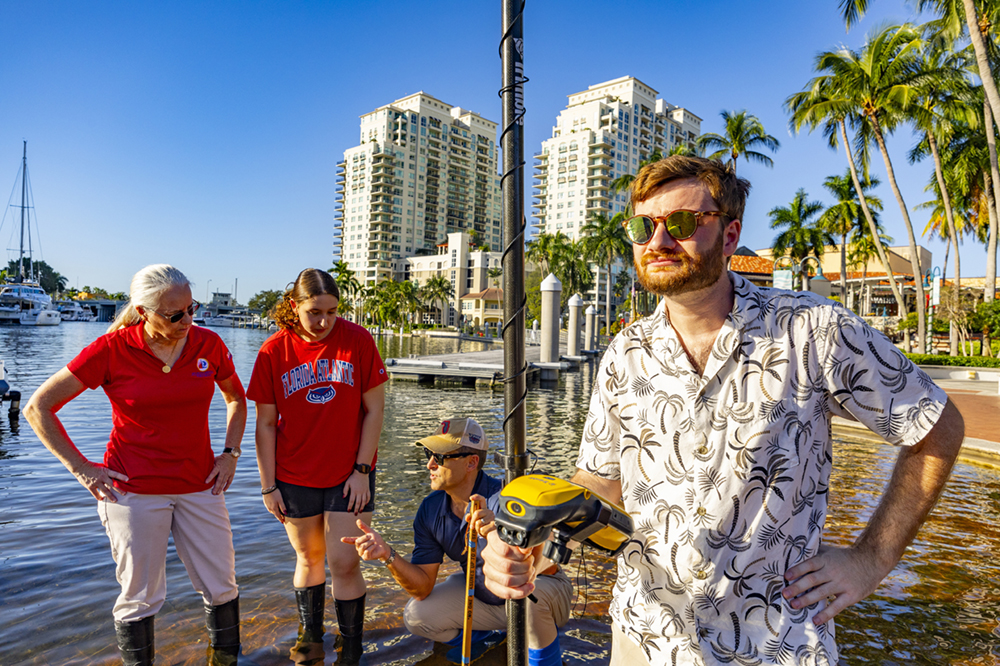
Solving the Flash Flood Puzzle
South Florida’s urban centers are increasingly vulnerable to "rain bombs" and extreme weather. Following the record-breaking storms of late October, FAU scientists analyzed the unique atmospheric conditions that lead to sudden, catastrophic urban flooding. By identifying how urban infrastructure interacts with extreme precipitation, FAU is providing the insights necessary to re-engineer our cities for a wetter future.
Wetlands
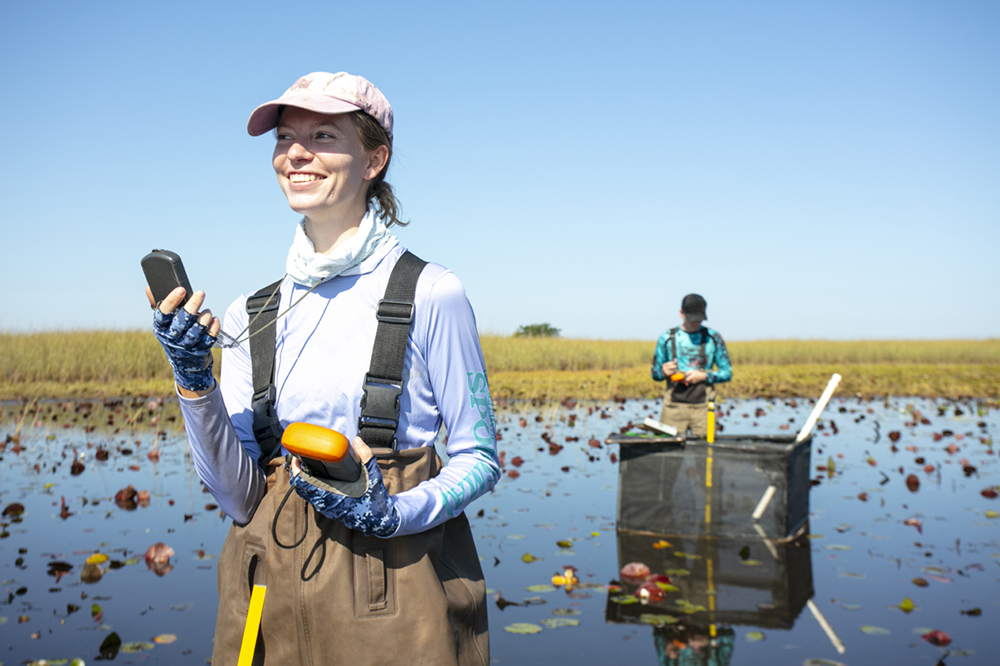
Saving Wading Birds to Restore the Everglades
The health of wading birds is the "pulse" of the Everglades. Dr. Michelle Petersen leads critical research on how water level fluctuations dictate the survival of these iconic species.
Waterways
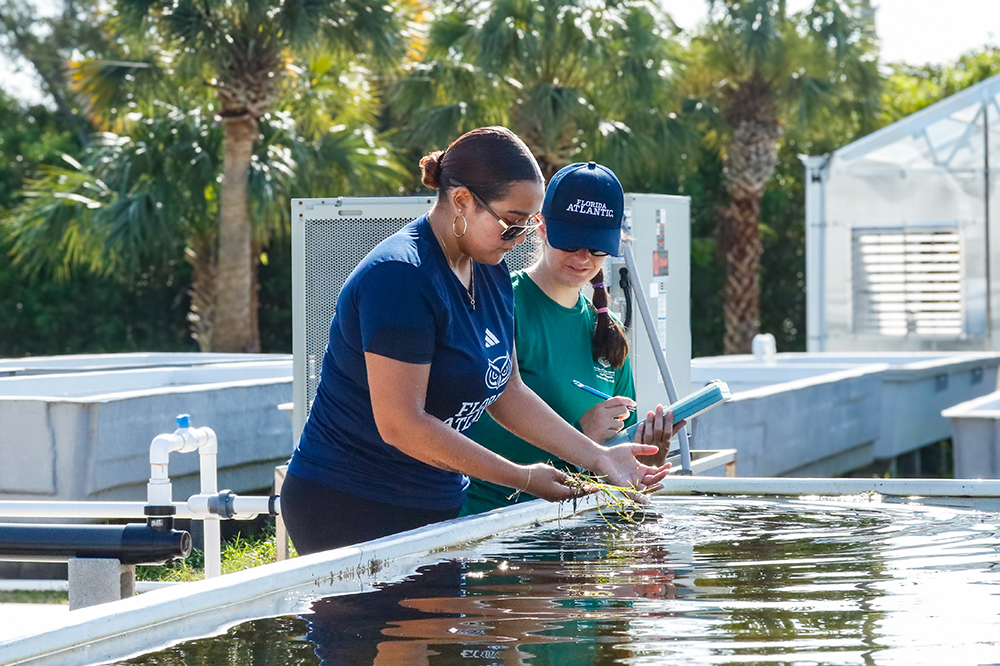
Planting Seagrass to Restore Our Estuaries
A healthy Indian River Lagoon—one of North America’s most biodiverse estuaries—starts with thriving seagrass beds. Dr. Rachel Brewton is pioneering advanced habitat restoration technologies to combat widespread coastal habitat loss. By cultivating resilient native species from sediment seed banks and expanding the nursery network, FAU is delivering the critical science needed to support ecosystem resilience, protect marine biodiversity, and restore essential fisheries.
Education: The Next Generation of Environmental Leaders
From the Field to the Lab in a Single Day
At Florida Atlantic, the classroom has no walls. Our students don’t just study environmental challenges—they live them. From the deck of a research vessel to the controlled environment of a world-renowned laboratory, we offer unparalleled immersive learning opportunities that define the FAU experience.
Your Pathway to Impact
Through six colleges and numerous centers and research institutes, ECOS provides the academic framework for our future environmental scientists, policymakers, and leaders. Whether you are pursuing a career in policy, conservation, or high-tech research, Florida Atlantic is your launchpad for a resilient career.
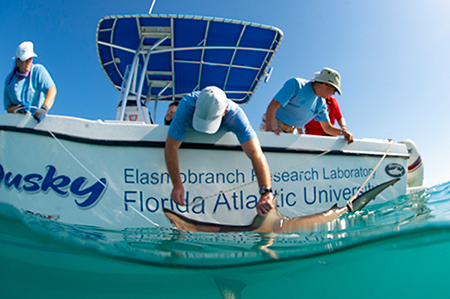
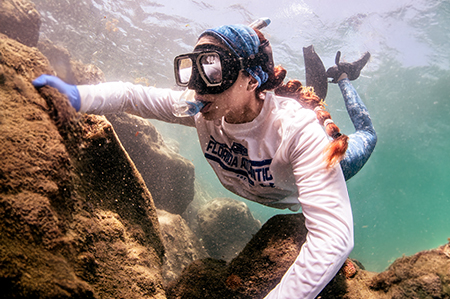
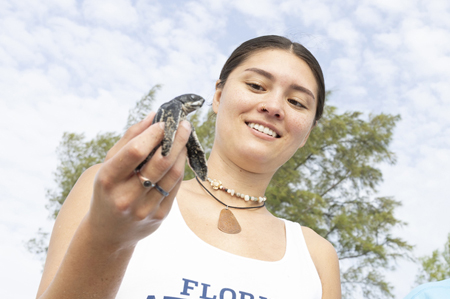
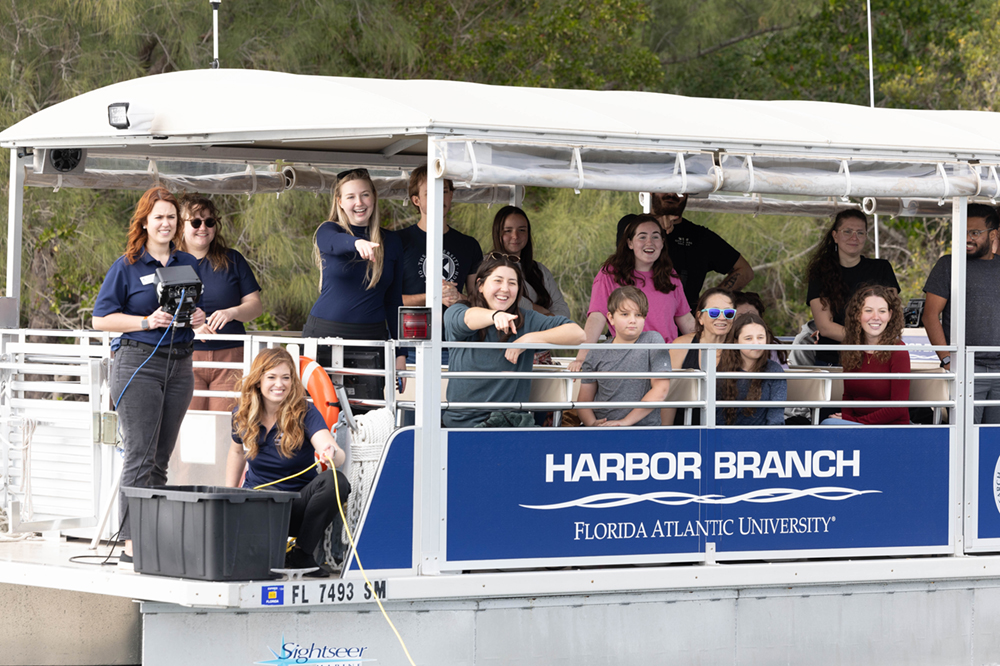
Community Outreach: Bringing Science to the Shoreline
At Florida Atlantic, we believe that groundbreaking research should be shared with the community it serves. Through specialized research institutes, we offer a wide array of public programs designed to inspire curiosity and invite you to become an active participant in our mission. From the Ocean Science Lecture Series, Dolphin Spotter citizen scientist program, and public boat tours at Harbor Branch to the Marine Lab’s public observation deck in Boca Raton, there are countless ways to see science in action. Whether you are volunteering or attending our Frontiers in Science lectures, or engaging with our SEA Scholars, we provide the tools to help you connect with South Florida’s unique ecosystems.
Why This Matters: A Resilient Future
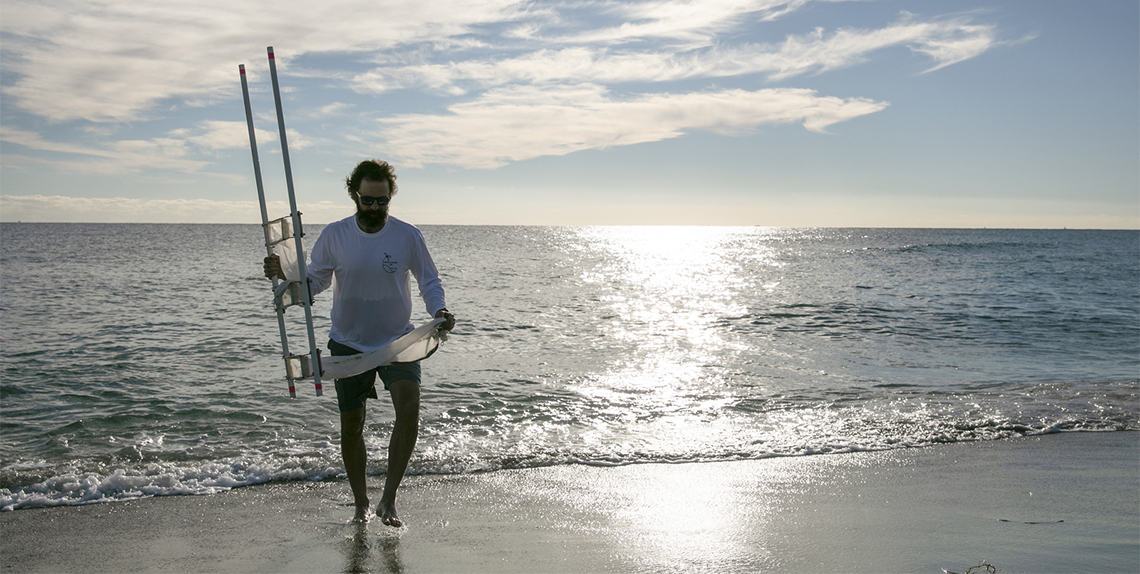
From the depths of the Atlantic to the heart of the Everglades, FAU research isn't just academic—it's foundational. We provide the data that policymakers and practitioners use to protect our environment, leaders use to protect our economy, and safeguards our way of life.
Home to Top-Tier Research and Unbounded Opportunities
Florida Atlantic is a top 100 ranked public university, and is one of only 13 institutions in the nation designated by the Carnegie Foundation as an R1 top-tier research institution , an Opportunity University for student access and post-graduation earnings, and a recipient of the Elective Classification for Community Engagement . Florida Atlantic is leading a future focused on regional impact and national distinction for the students, communities, and state it serves. FAU is home to more than 30,000 students across six southeast Florida campuses, including the main campus in Boca Raton, the HBOI campus in Fort Pierce, and the Davie and Fort Lauderdale campuses. Such ideal locations provide unparalleled access to diverse marine, coastal, wetland, and urban environments.