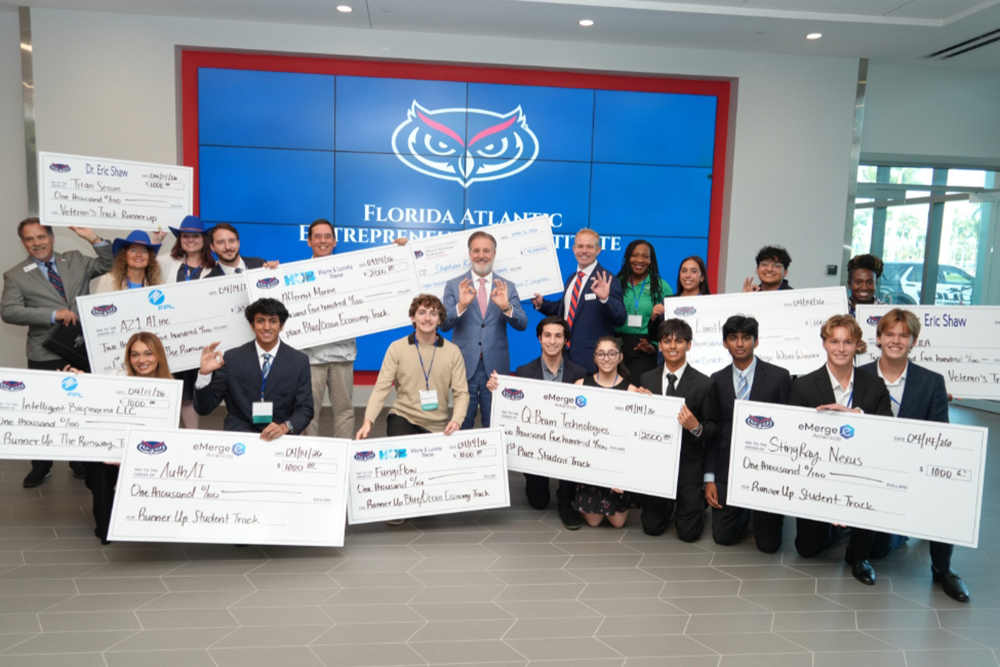
Afferent Marine captured the top spot in the competition's new Ocean Blue Economy track for its pioneering work on a shark deterrent device aimed at reducing bycatch, and FungiFlow was the runner-up in the same track for its eco-friendly, mushroom-based air filters.
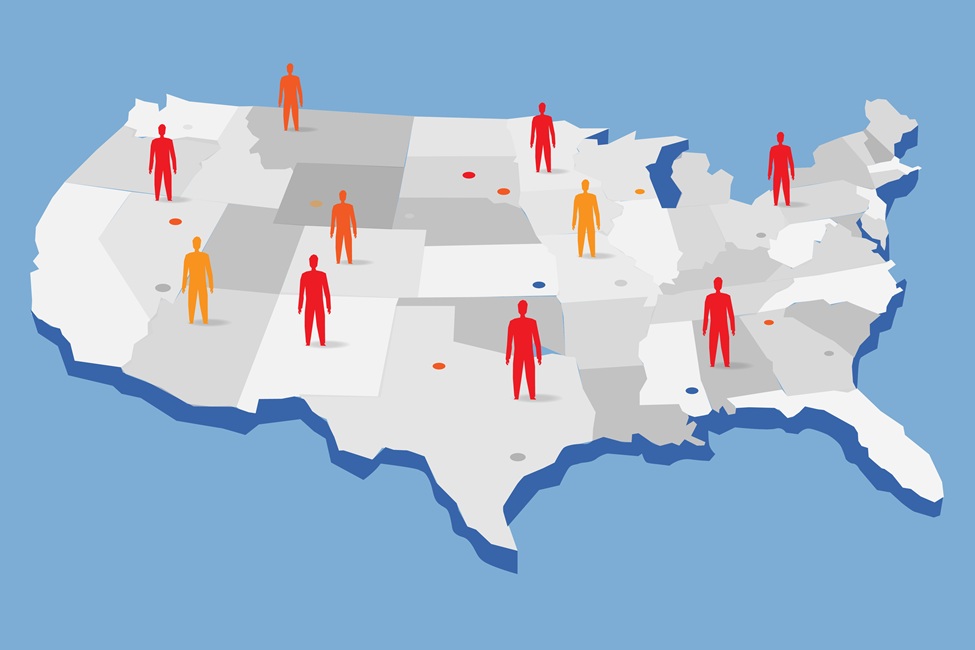
As extreme heat intensifies across the United States, it’s widely assumed that rising temperatures will push people to pack up and leave. But new research from Florida Atlantic University challenges that narrative, showing that heat alone isn’t driving Americans away – at least not yet.
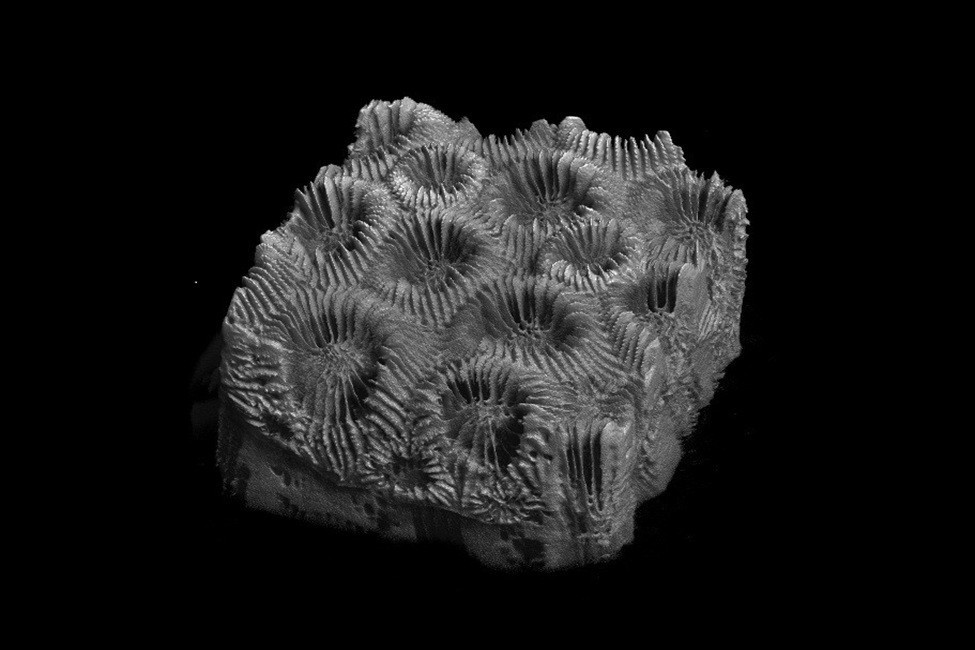
Florida Atlantic University researchers turned to X-ray microcomputed tomography (micro-CT). The technique generates detailed 3D reconstructions down to microscopic pores, which reveal internal skeletal features, including porosity, thickness and structural orientation, in a non-destructive way. Housed in the FAU High School Owls Imaging Lab, the micro-CT was ideal for imaging corals, whose high mineral content provides strong X-ray contrast.
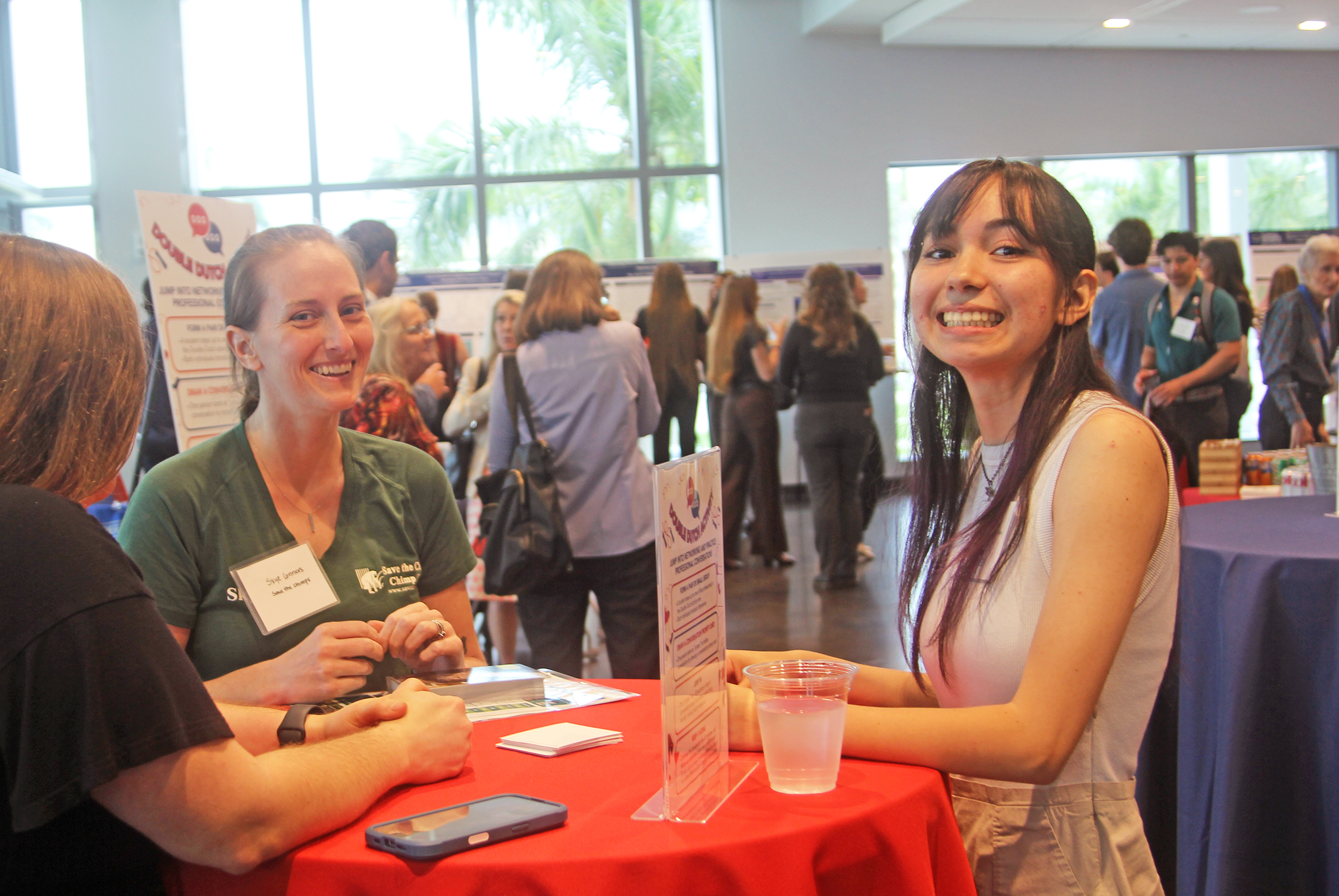
Florida Atlantic University’s School of Environmental, Coastal, and Ocean Sustainability (ECOS) brought more than 100 students and community members together for its inaugural WLW-ECOS Undergraduate Expo on April 7, at the Owl’s Nest in the Schmidt Family Complex for Academic and Athletic Excellence, on the Boca Raton campus.
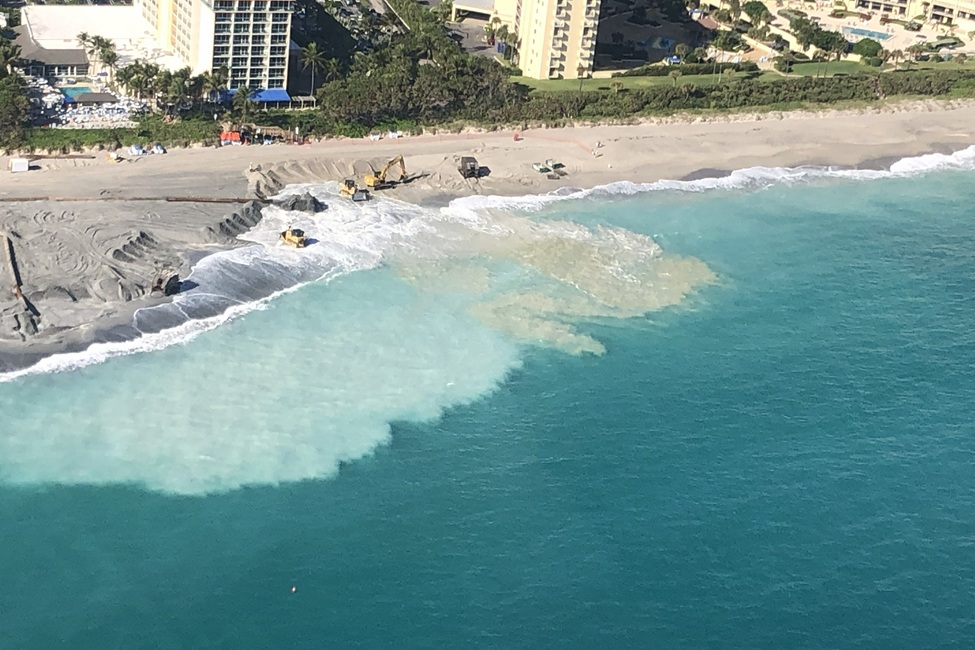
To investigate how large, long-lasting plumes of murky water coincide with the annual blacktip shark migration, Florida Atlantic University researchers tracked the size, duration and timing of turbidity events during the 2020 and 2021 seasons.
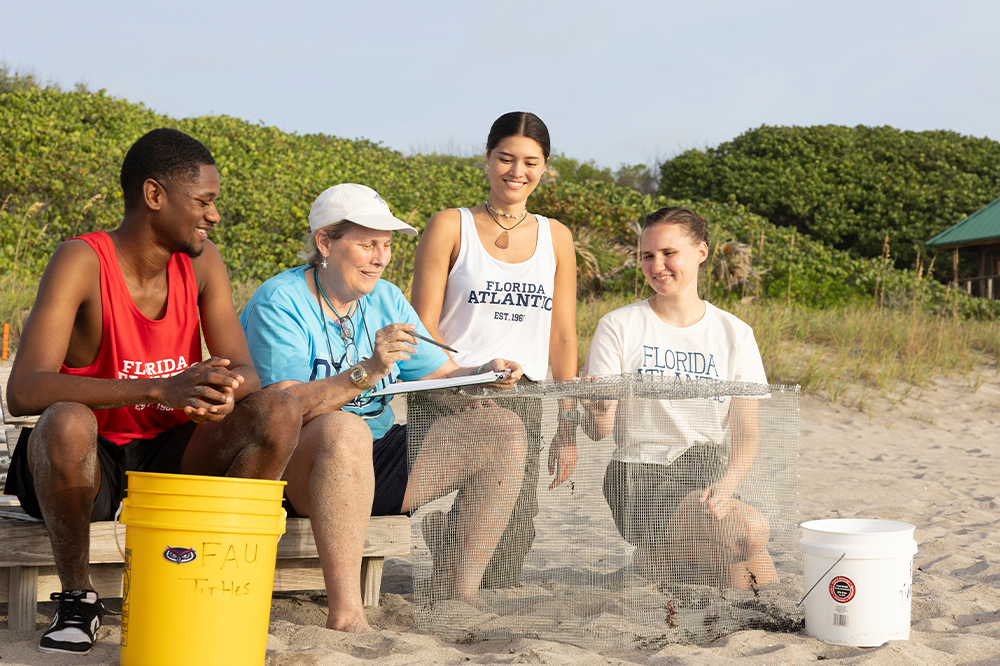
Don't miss the free WLW-ECOS Undergraduate Expo on April 7—come connect with environmental student researchers and professionals, discover internship opportunities, and get personalized resume insights from FAU's Career Center.
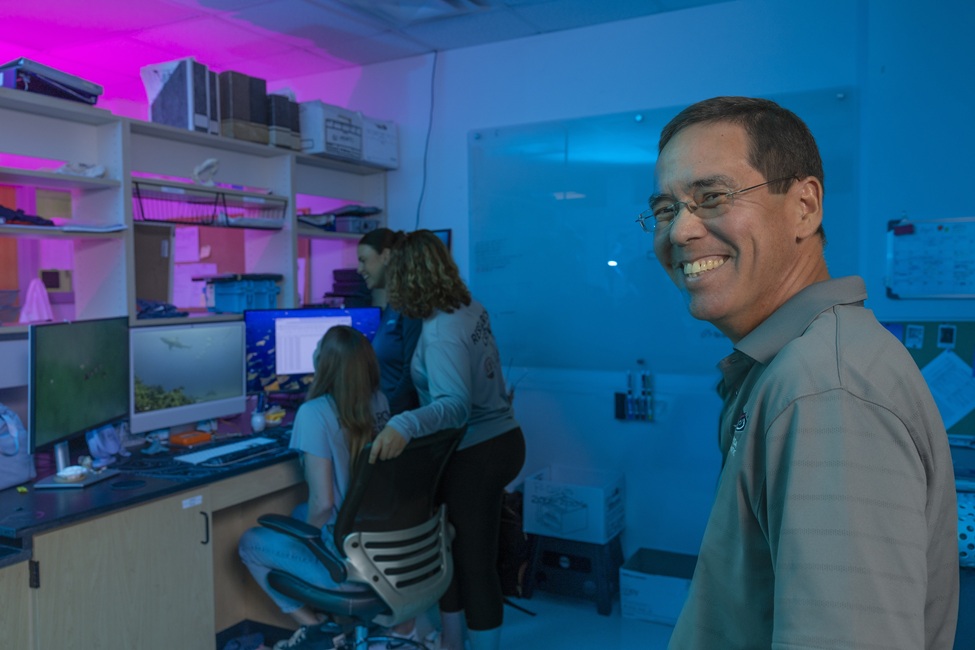
This year’s $15,000 award has been granted to Stephen Kajiura, Ph.D., a professor of biological sciences within FAU’s Charles E. Schmidt College of Science, for his pioneering work on a patent-pending shark deterrent device aimed at reducing bycatch in commercial longline fisheries.
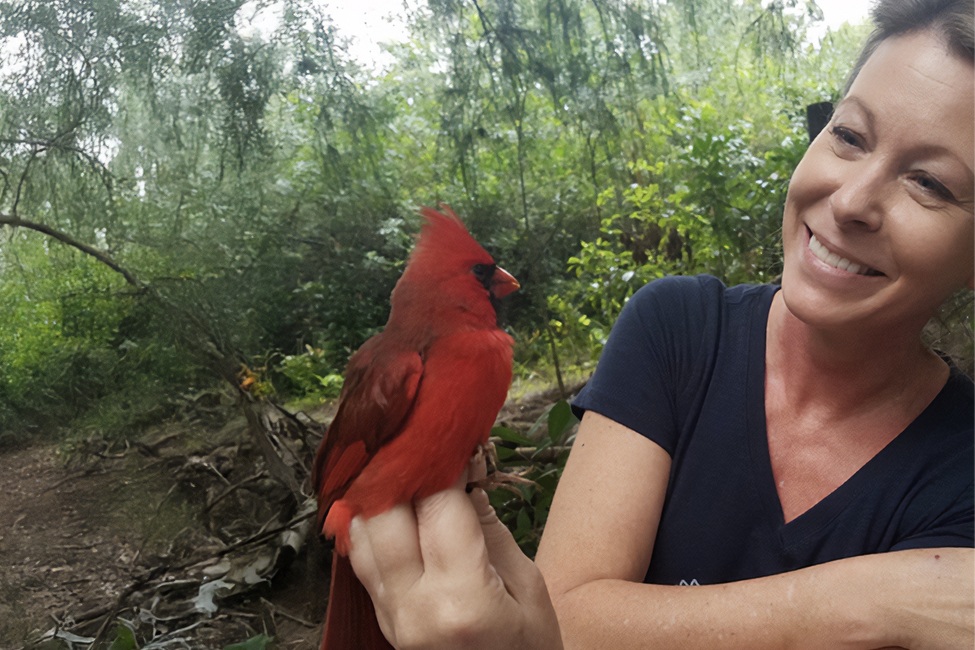
To fill this gap, Florida Atlantic University researchers and their collaborators studied free-living Northern cardinals (Cardinalis cardinalis), a common territorial songbird, to examine how everyday challenges affect gut microbial communities.
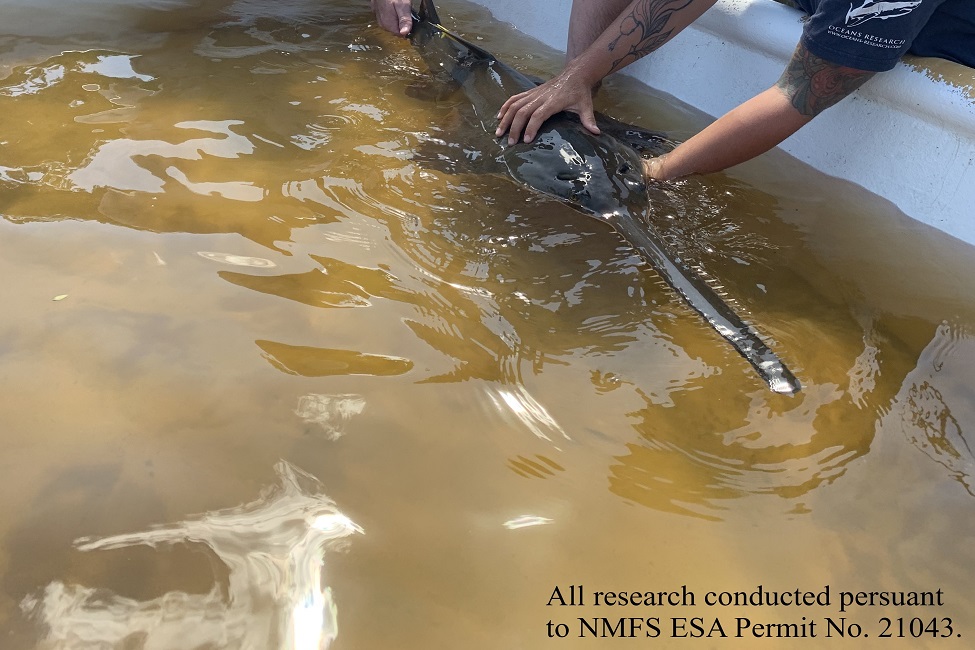
A study by Florida Atlantic University’s Harbor Branch Oceanographic Institute, in collaboration with the Florida Fish and Wildlife Conservation Commission (FWC), provides evidence that a historical nursery area within the IRL may once again be supporting juvenile smalltooth sawfish.
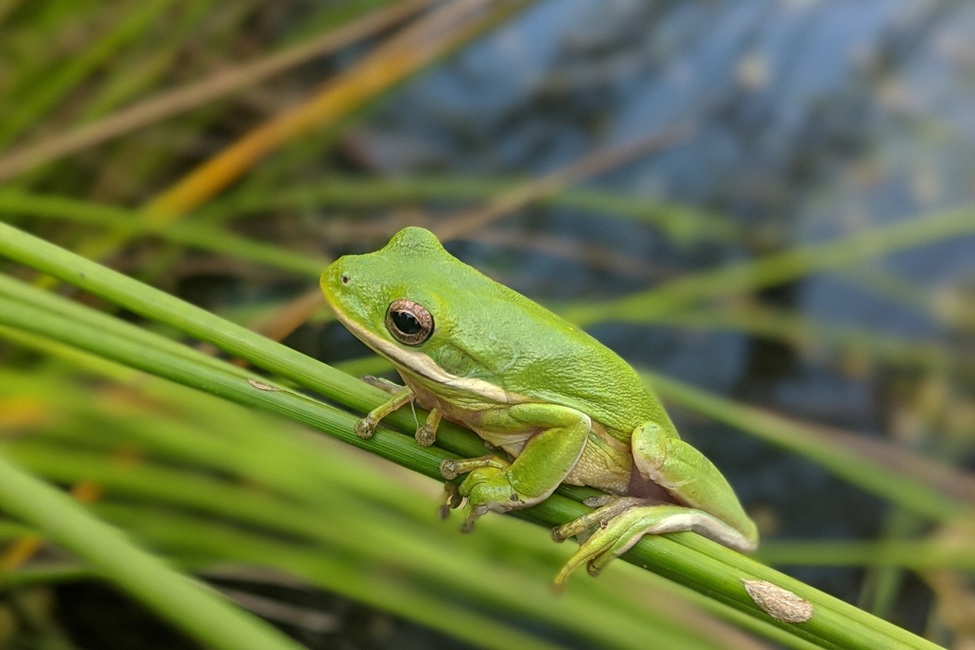
Across the animal kingdom, sound is more than communication – it’s a signal of survival and success. Florida Atlantic University researchers studied green treefrogs (Dryophytes cinereus) and oral frog tongueworm parasites (Halipegus occidualis) that live in the mouth and throat of frogs, to test whether food-web–transmitted parasites influence mating calls and female mate choice in a natural population.