Social Work Faculty Serves as UN Delegate at Qatar Summit
Monday, Nov 24, 2025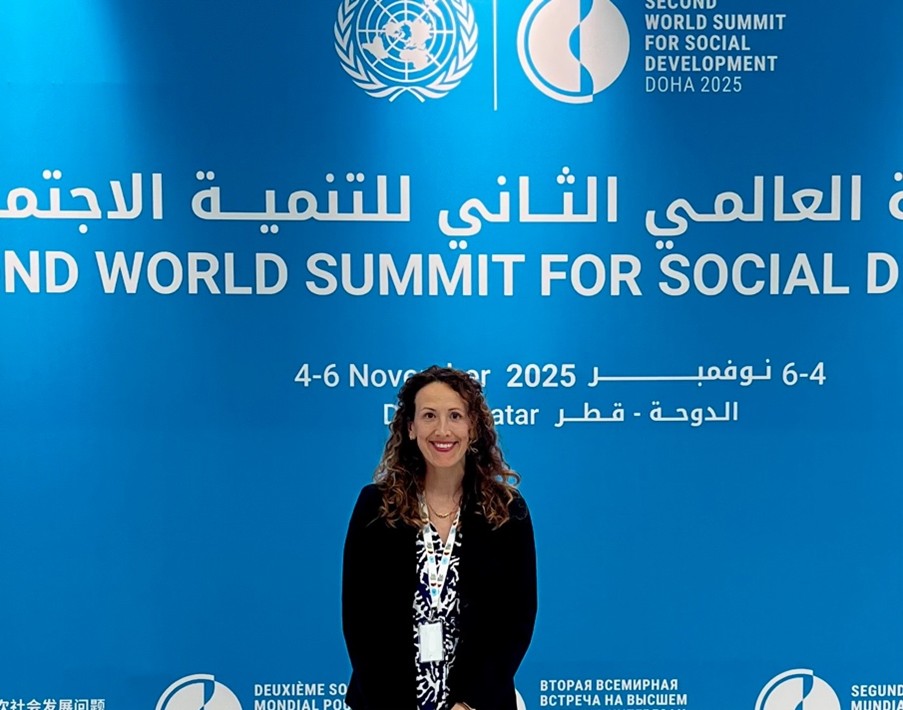
Bridging Academia & Action: FAU Social Work Faculty Serves as Delegate to UN World Summit on Social Development
Thirty years after the first World Summit for Social Development set a global agenda to tackle poverty and advance human well-being, world leaders reconvened in Doha, Qatar, to renew that commitment. Among those contributing to the dialogue was Florida Atlantic University’s Marianna Colvin, Ph.D., MSW, associate dean for research and academic effectiveness for the College of Social Work and Criminal Justice and associate professor in the Phyllis and Harvey Sandler School of Social Work. Colvin joined the United Nations’ Second World Summit for Social Development as one of 15 delegates representing the International Consortium for Social Development (ICSD).
“What went through my mind was a tremendous amount of energy,” said Colvin, reflecting on her selection as a delegate. “But also, of course, a lot of humility.” She described the summit as “a chance to meet and work together with people from all over the world who care deeply about how societies organize themselves to promote well-being and provide opportunity.”
“Being part of that kind of conversation and contributing as a social work educator and researcher is a real honor and a responsibility.”
This historic gathering in early November 2025 brought together 14,000 participants, including Heads of State, policymakers, and social development experts from around the globe, all working toward a shared vision for global social development. On Day 1, at the Second World Summit for Social Development in Doha, Qatar, world leaders adopted the Doha Political Declaration by consensus — a renewed pledge to tackle poverty and protect human rights. UN Secretary-General António Guterres called the Declaration “a booster shot for development — a people’s plan”, urging urgent action to build societies that leave no one behind.
Building Communities Through Research and Practice
As associate dean for research and academic effectiveness, Colvin spends a significant portion of her day-to-day fostering collaboration and supporting faculty and student research. She’s also an associate professor and co-director of the Child Welfare Institute (CWI): roles that reflect her commitment to translating evidence into real-world impact.
Through the Child Welfare Institute, Colvin works with teams on collaborative projects with national, state, and community partners to strengthen support systems for children and families. "Our goal is always very applied and very practical: we strive to turn what we've learned through research into policies and practice tools that make a difference for social workers, families, and communities," she said.
Recent projects include partnerships with the Florida Institute for Child Welfare, the Palm Beach County Community Alliance, and Promise Neighborhoods Broward, aimed at improving how families engage with child welfare and community services. These collaborative studies demonstrate how research can directly inform practice and policy — a central theme of the UN summit.
One area of Colvin’s research combines network analysis with qualitative methods to examine how organizations can collaborate more effectively to strengthen service delivery across complex systems. Reflecting on her experience at the summit, Colvin shared: “A central theme across sessions was how social development is not only a matter of global commitment, but of local systems working effectively together. This mirrors the successes and challenges I see in my own research examining cross-sector, multiprofessional coordination in child welfare and the need for integrated supports that reflect the lived realities of families.”
Connecting Globally, Impacting Locally
Colvin's path to the UN summit began through her involvement with the ICSD, where she serves as Associate Secretary General of Communications. The ICSD – now marking its 50th anniversary – is a global network of scholars and practitioners working to strengthen community capacity and promote social, economic, and environmental well-being worldwide. “The ICSD serves as a bridge between knowledge and action,” Colvin explained. “It connects professionals and institutions across global regions to share research, build understanding, and inform more effective policies and practices.”
Through its consultative status with the UN Economic and Social Council, the ICSD secured representation at the summit, allowing Colvin and other delegates to contribute directly to global social development discussions and the summit's Political Declaration.
ICSD hosted and co-hosted numerous Solution Sessions at the summit in collaboration with global partners including the International Federation of Social Workers (IFSW), the International Association of Schools of Social Work (IASSW), and the International Council on Social Welfare (ICSW). Sessions brought together expert panelists and highlighted strategies—ranging from intergenerational solidarity to integrated social policy, just energy transitions, and links between employment and social services—all aimed at advancing sustainable, people-centered development across communities and nations. These joint sessions reflected an unprecedented level of coordination among leading organizations in the field—each bringing a distinct perspective from practice, education, research, and policy.
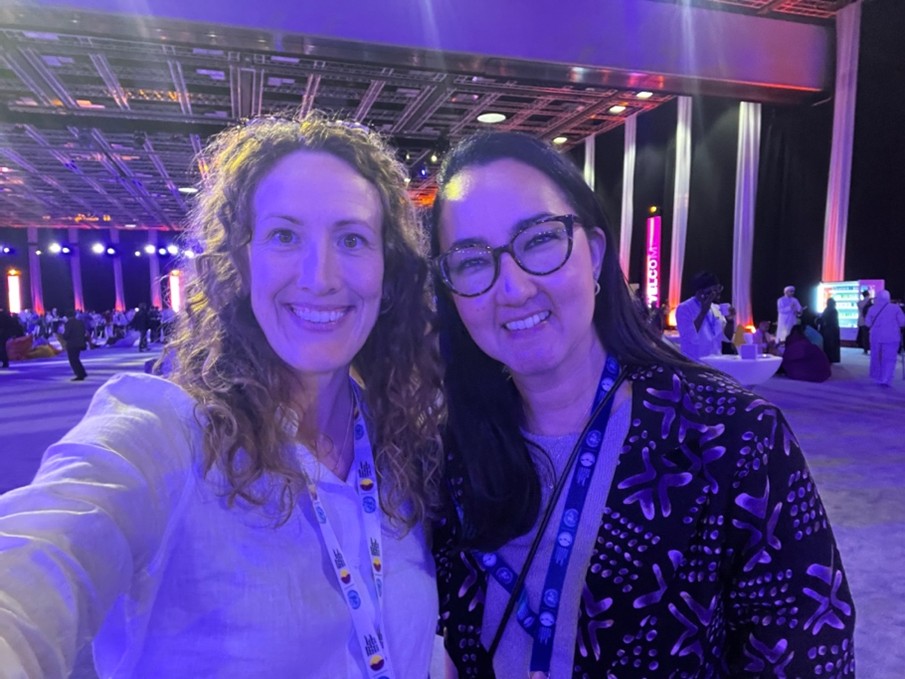
FAU Alum and UN Branch Chief: Colvin was delightfully surprised to cross paths with fellow Owl, Leyla Sharafi, branch chief of the United Nations Population Fund, who graduated from Florida Atlantic in 2001 with dual degrees in Political Science and Communication.
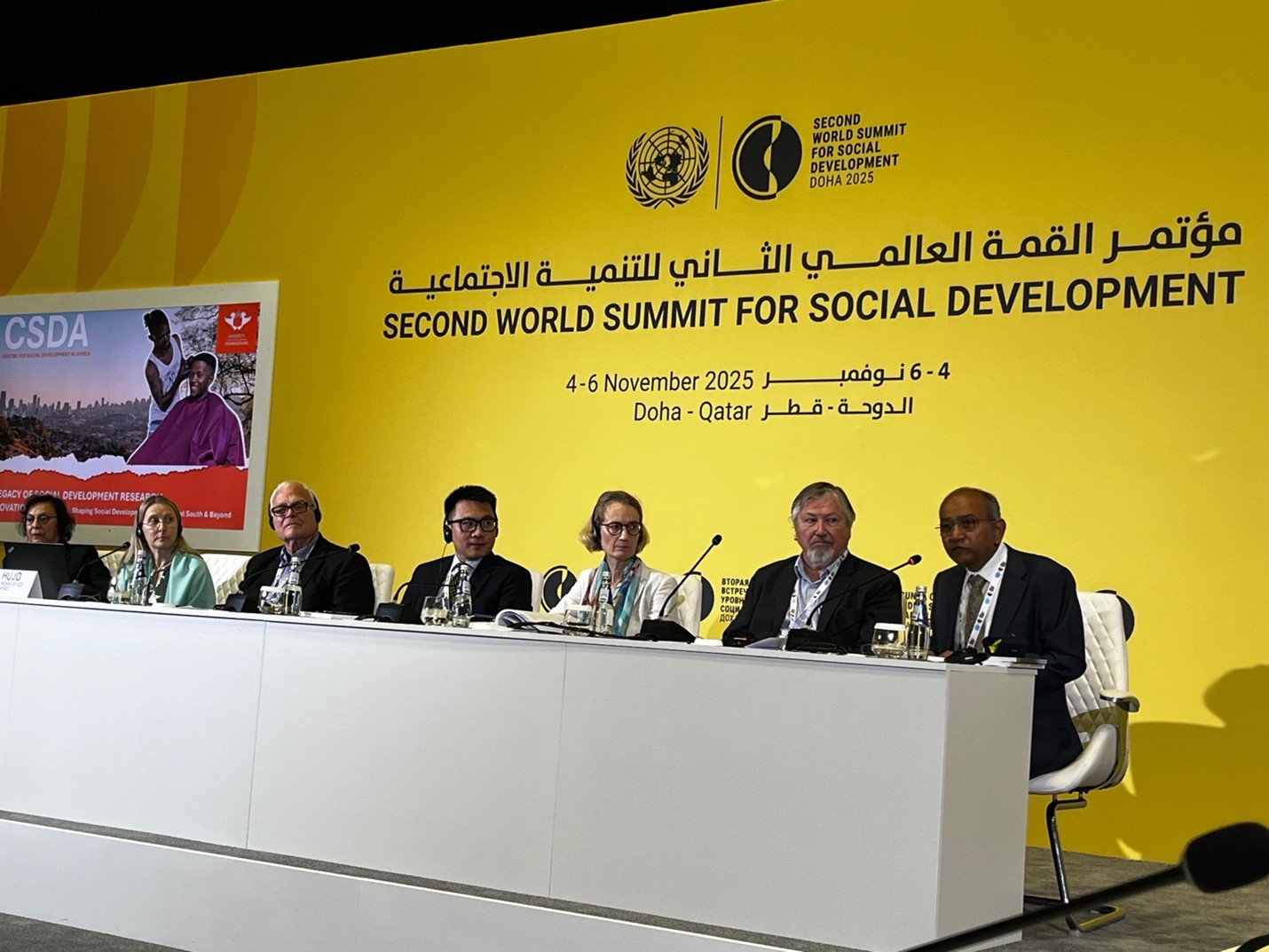
Leila Patel, ICSD president, Distinguished Professor of Social Development Studies at the University of Johannesburg and founder of the Center for Social Development in Africa (CSDA); Katja Hujo, CSD faculty director and head of the Bonn Office for the UN Research Institute for Social Development (UNRISD); Michael Sherraden, senior research coordinator and George Warren Brown Distinguished University Professor at Washington University; Jin Huang, CSD founder and co-director, and Irving Louis Horowitz Professor in Social Policy at Washington University Brown School; Srinivas Tata, CSD co-director and director of the Social Development Division of the UN Economic and Social Commission for Asia and the Pacific; Stephen Kidd, CEO and principal security specialist for Development Pathways; and Manohar Pawar, chair and former president of ICSD, and professor at Charles Sturt University.
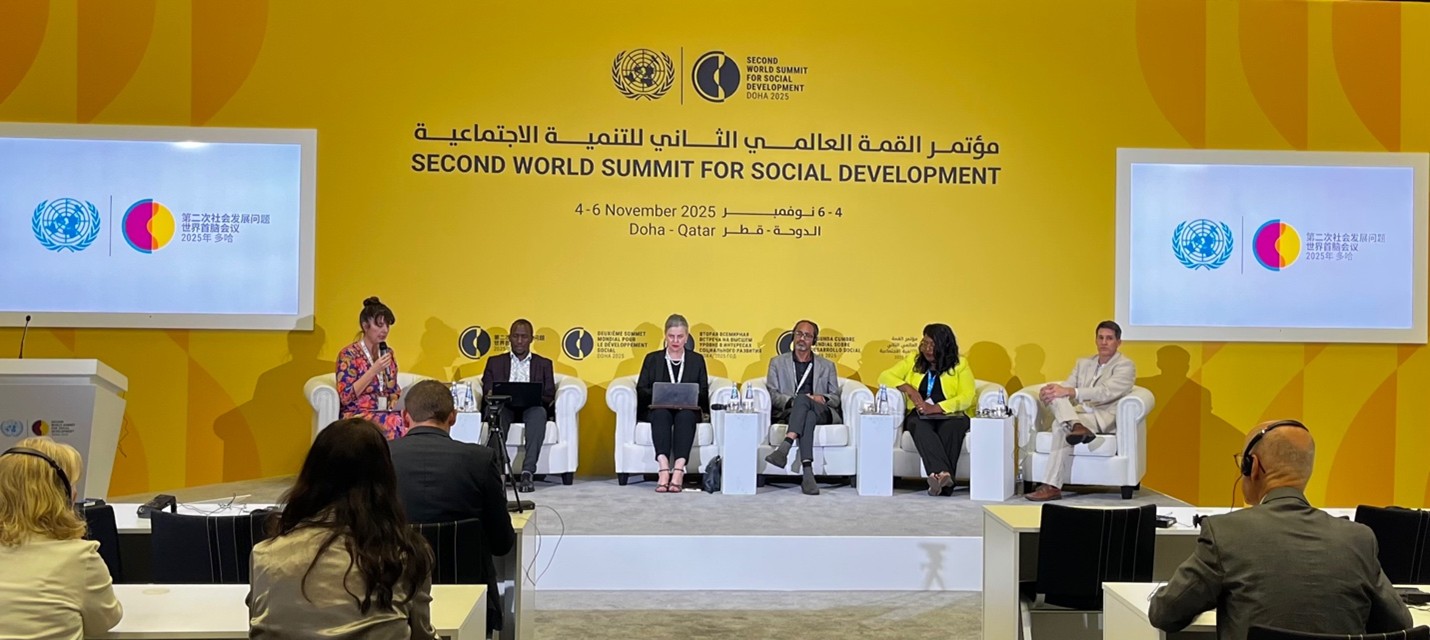
Solution Sessions were hosted or co-hosted by the International Consortium for Social Development in partnership with colleagues from around the world, where thought leaders discussed strategies for accelerating Social Development.
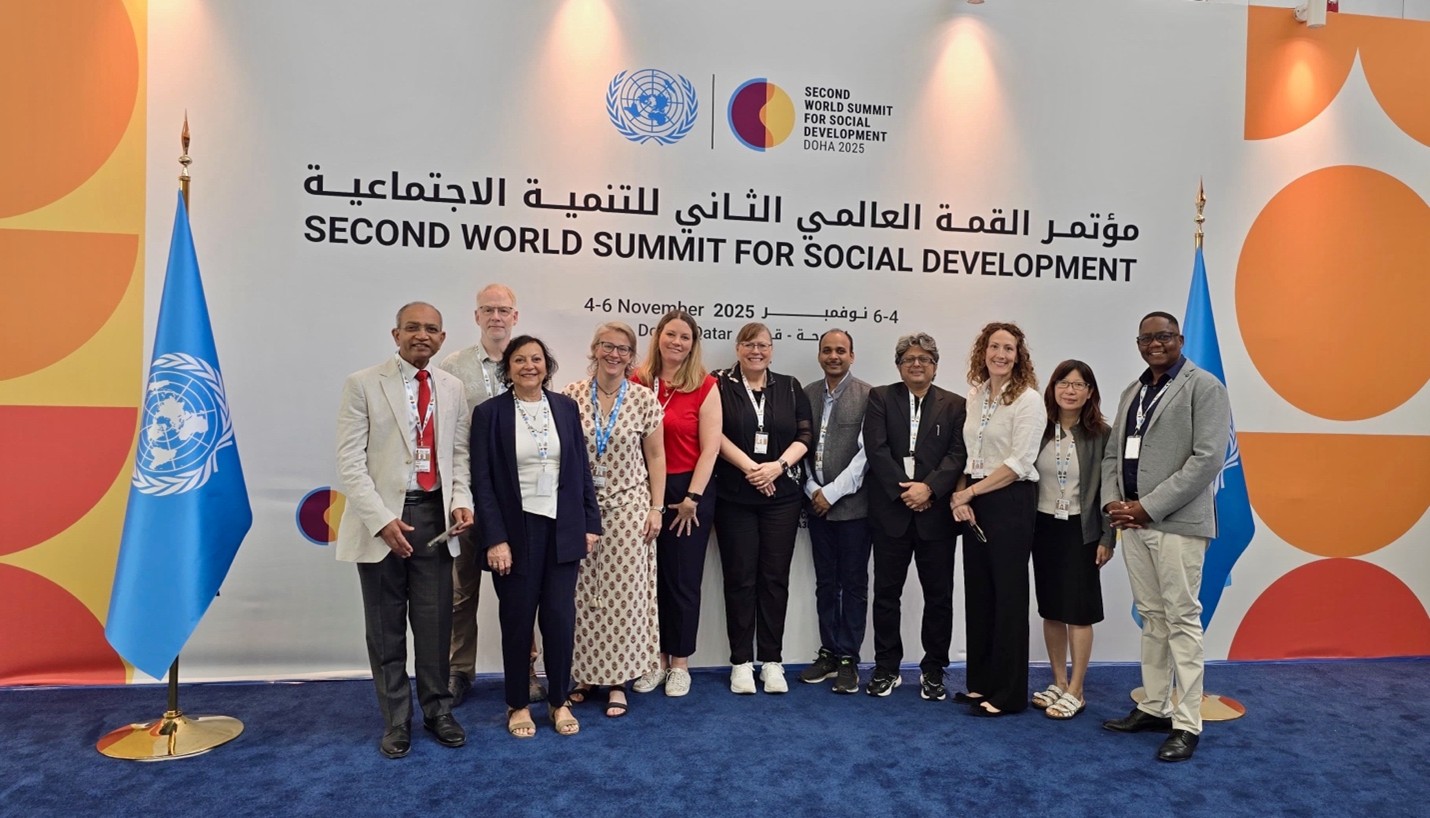
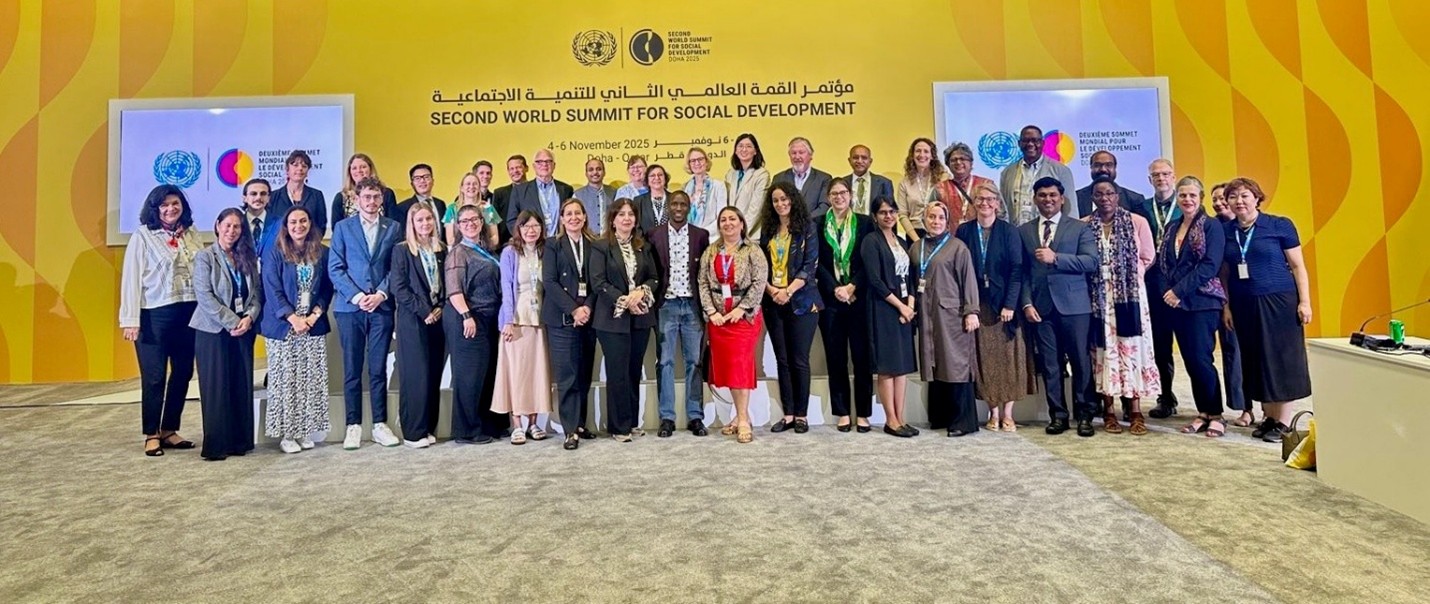
Representatives from the International Consortium for Social Development (ICSD) came together to strengthen collaboration for people-centered development.
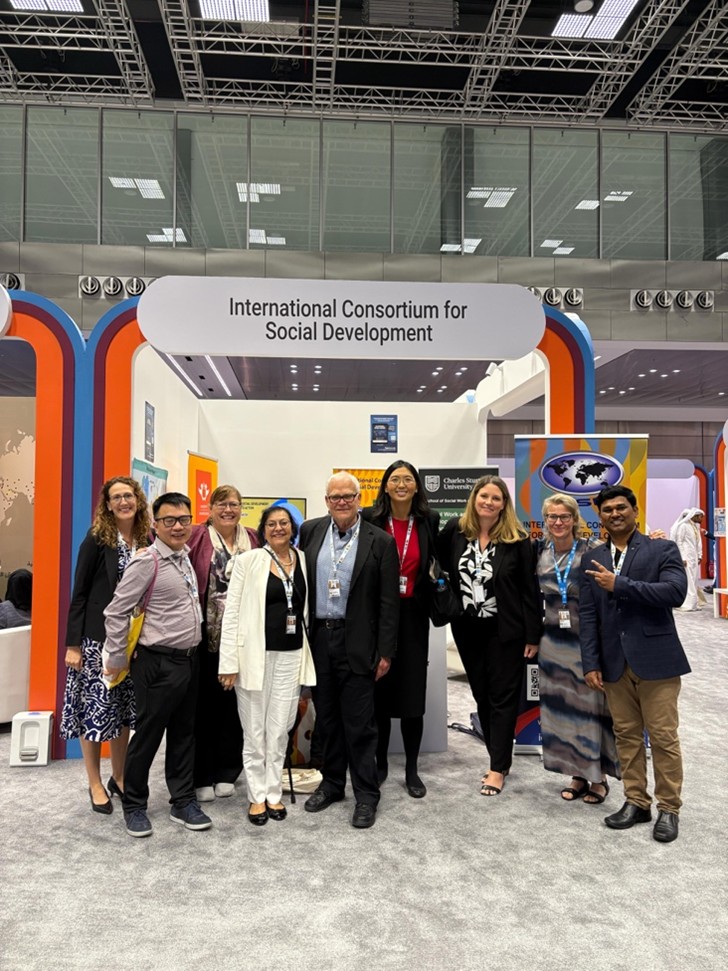
Florida Atlantic's Commitment to Global Impact
Colvin's selection reflects Florida Atlantic's broader commitment to community-engaged research and global collaboration. Her work exemplifies how academic institutions can meaningfully address society's most pressing challenges through rigorous research, innovative partnerships, and a commitment to practical application.
“Dr. Colvin’s participation as a delegate to the UN World Summit on Social Development is a tremendous honor for both her and our college,” said Naelys Luna, Ph.D., MSW, founding dean of the College of Social Work and Criminal Justice and professor in the Sandler School of Social Work. “Her expertise in building collaborative networks and translating research into real-world solutions exemplifies the very best of what we strive for at Florida Atlantic.”
For Colvin, the work continues beyond the summit. "The summit is about making these large global commitments actionable," Colvin said. “My goal is to bring insights back—to strengthen how we teach, conduct research, and partner with communities here in Florida.”

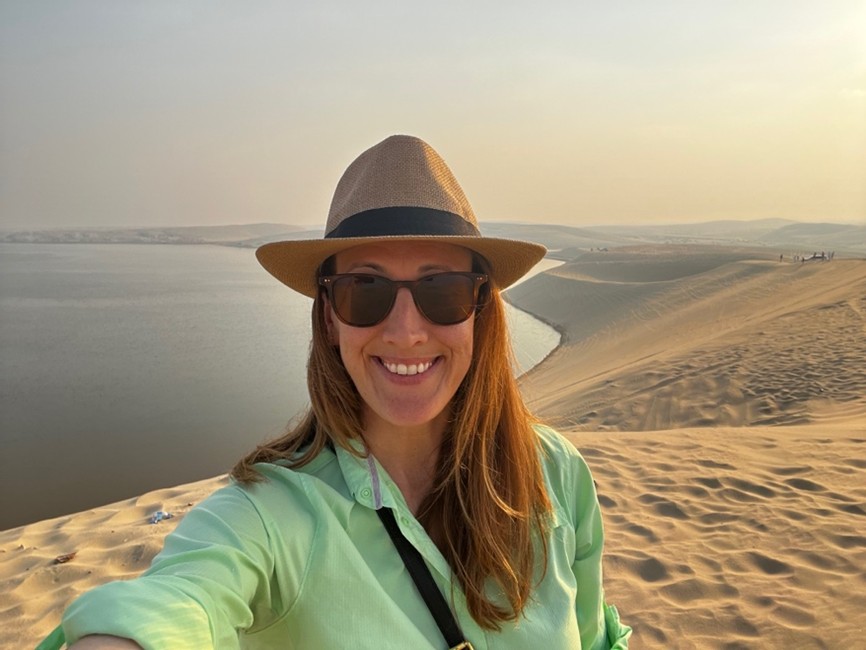
WHEN IN QATAR: Ahead of the consortium’s start, Colvin treated herself to a tranquil camel-back desert safari, followed by a motorized adrenaline-pumping ride over the dunes.