School of Criminology and Criminal Justice Summer Camp Celebrates 10 Years of Opening Doors
Friday, Oct 09, 2026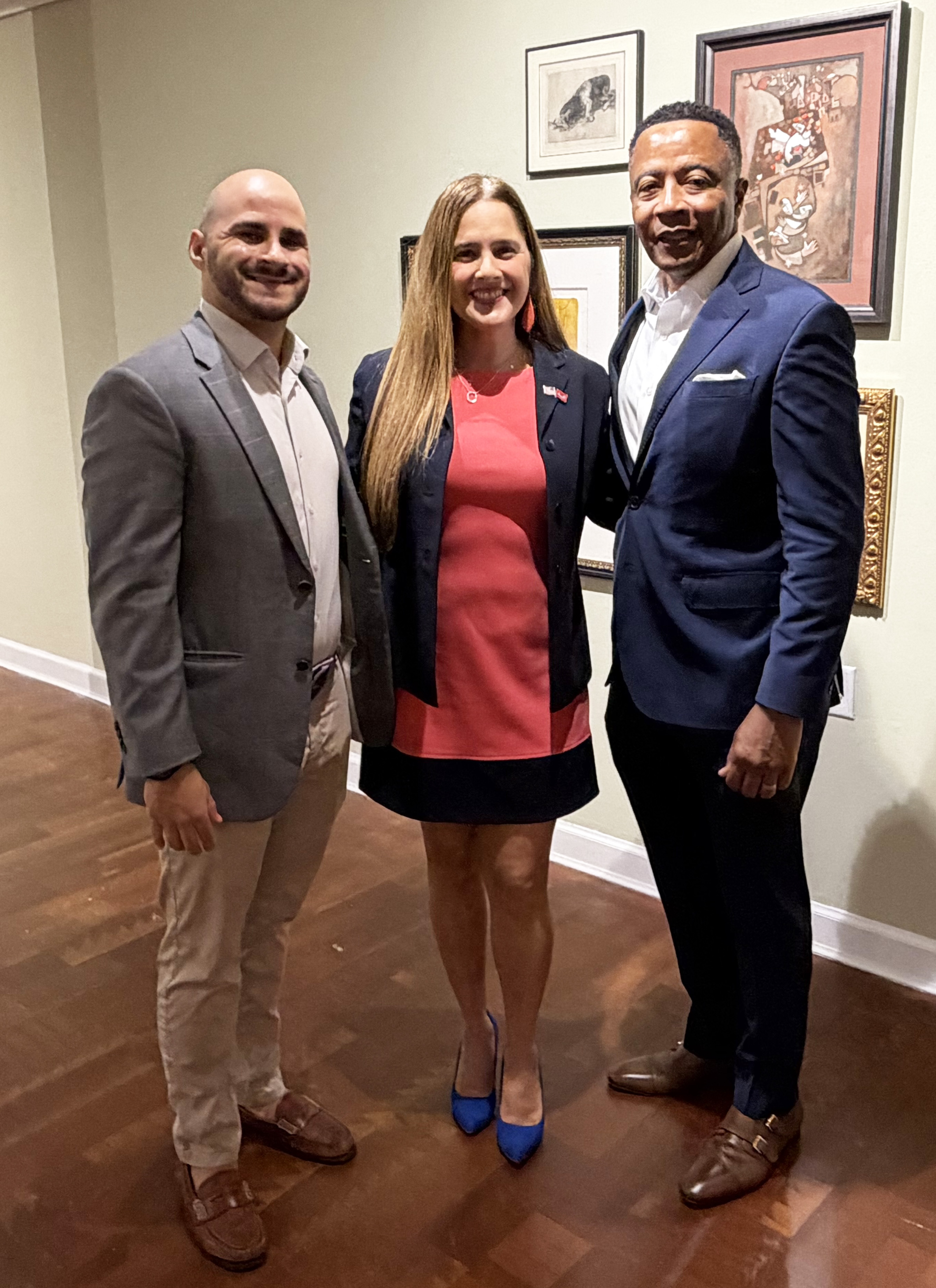
A mock trial can introduce a student to the courtroom. A visit to a forensic science lab can reveal a possible career. A conversation with someone rebuilding a life after incarceration can change how a student understands justice.
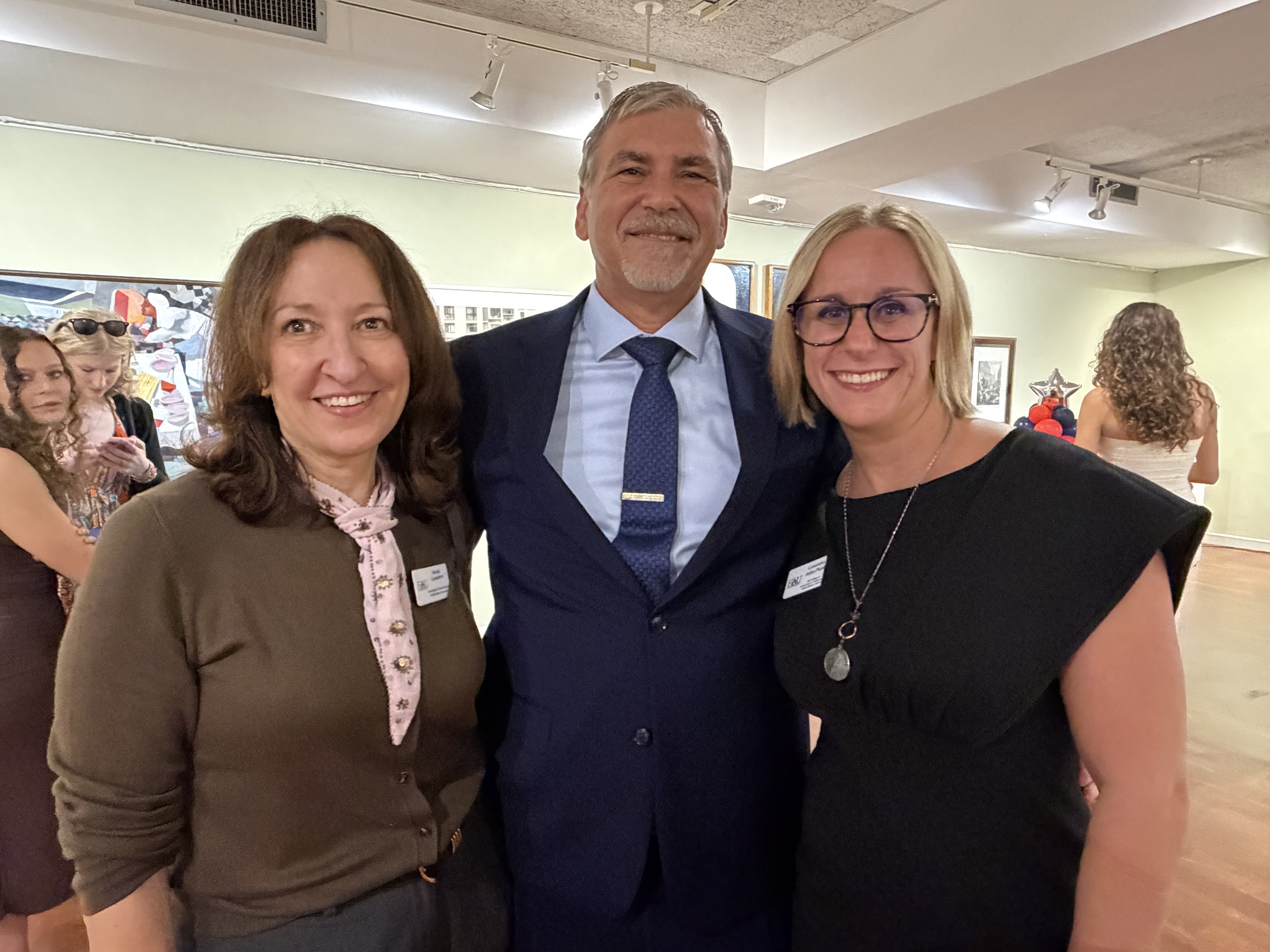
Those experiences shaped this year’s two, weeklong summer camps and the College of Social Work and Criminal Justice School of Criminology and Criminal Justice Summer Camp 10th Anniversary Celebration. The event brought together campers, alumni, families, educators and community partners to reflect on a decade of learning, mentorship and career exploration.
A Milestone Celebration
The celebration was supported by The GEO Group Foundation Inc., the college and the school, with longstanding partners including the Palm Beach County Sheriff’s Office, the Boca Raton Police Department, the Florida Atlantic University Police Department, Witness to Innocence, and The GEO Group.
Guests heard reflections on the camp’s impact and future from Naelys Luna, Ph.D., founding dean of the College of Social Work and Criminal Justice, Cassandra Atkin-Plunk, Ph.D., interim director of the School of Criminology and Criminal Justice, Camp Director Sigal Rubin, and other speakers. Their remarks highlighted the opportunities created for young people, the partnerships behind the program, and a vision for reaching more students.
A Vision for the Next Decade
“This anniversary is an opportunity to celebrate the meaningful impact the camp has had on young people for the past 10 years. By opening doors and widening horizons, it has allowed hundreds of students to experience criminology and criminal justice firsthand. Campers have explored law enforcement, the courts, corrections and forensic science; learned from faculty, professionals and individuals affected by the justice system; visited criminal justice agencies; and discovered where their own interests and talents might take them. Just as importantly, the camp encourages young people to ask thoughtful questions, consider different perspectives and understand the human side of justice. Our hope is that every camper leaves with greater knowledge and confidence, a belief in their own potential and a commitment to fairness and service. As we look toward the next decade, our vision is to increase the accessibility and affordability of the camp through community partnerships, reach more young people, expand hands-on learning and mentorship, and prepare a new generation to lead with integrity, empathy and courage. That is the power of education - one generation of leaders inspiring the next,” said Naelys Luna, Ph.D., founding dean and professor in Florida Atlantic University’s College of Social Work and Criminal Justice.
Campers Come Full Circle
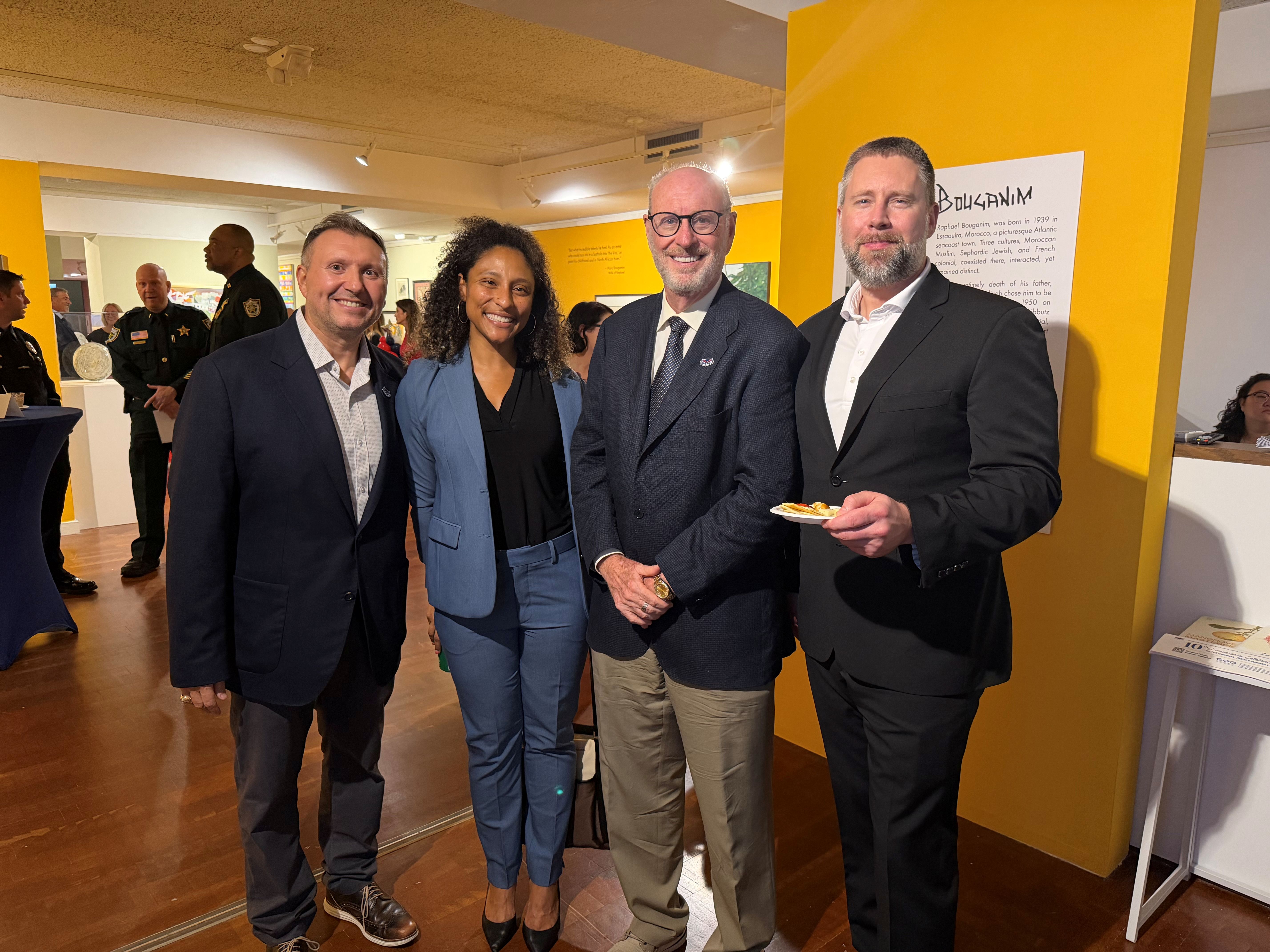
Camp alumni Madeline Friedman and Jagger Weitzen reflected on how the experience shaped their interests and personal growth. Alyssa Lovitt also described the camp’s impact on her daughter, Alexa, giving families insight into the confidence, curiosity and career awareness students can develop. As an inspiring example of where those early interests can lead, Rubin recognized camp alumna Elizabeth Renteria-Gomez, who returned this past summer to meet current campers. Her visit celebrated a full-circle journey from high school participant to federal law enforcement professional.
Community partners Derrick D. Schofield, Ph.D., executive vice president of GEO Continuum of Care and Reentry Services, and Capt. Byron Smith, commander of District 6 for the Palm Beach County Sheriff’s Office, shared professional perspectives on the importance of experiential education, mentorship and community collaboration. Together, their remarks gave attendees a fuller understanding of the camp’s lasting value to students, families and the broader community while demonstrating how partnerships create opportunities for students who otherwise may not be able to afford camp, while helping connect classroom learning with real-world service.
“We want students to understand criminal justice in its full human context. That means learning how the system works while also listening to people affected by it and considering the importance of rehabilitation, reentry and opportunities to rebuild lives,” said School of Criminology and Criminal Justice Interim Director and Associate Professor Cassandra Atkin-Plunk, Ph.D. “Through conversations with practitioners, advocates, and people with firsthand experience, students are encouraged to examine complex issues from multiple perspectives and recognize that decisions made within the justice system can have lasting effects on individuals, families and communities. The camp also gives students the opportunity to connect what they learn in the classroom with real-world experiences, helping them develop the curiosity, empathy, and critical-thinking skills needed to approach these issues responsibly. Whether they pursue careers in criminal justice or serve their communities in other ways, we hope they leave with a deeper understanding of fairness, accountability and the role each person can play in creating safer, stronger and more just communities.”
Learning From People and Experience
Led by Rubin, the two, weeklong camps introduced high school students to criminology and criminal justice through demonstrations, discussions and visits with local organizations. Instructor Patrick McLaughlin and camp counselors Maddie Coddington, Rachel McLaughlin and Brooke Charles helped guide students through this year’s programs.
Among many activities, campers participated in a mock trial, toured the Palm Beach County Sheriff’s Office and the Boca Raton Police Department, and took part in a CSI forensics day led by McLaughlin. During a presentation by Witness to Innocence, Herman Lindsey spoke about his experience of being wrongfully convicted and sentenced to death, giving students a personal perspective on the consequences of errors in the justice system.
With support from Cpl. Kenneth Torrence and the PBSO team, students visited the PBSO Forensic Sciences and Technology Facility, Main Detention Center and 911 Communications Center. They also learned about the agency’s Canine Unit, Mounted Patrol, Aviation Unit and Therapy Dog Program.
The learning continued beyond arrest, trial and incarceration. Representatives of The GEO Group and people with firsthand experience of incarceration spoke with campers about reentry, personal transformation and the support people need to move forward. Their stories invited students to think about how rehabilitation and community opportunity contribute to safer communities.
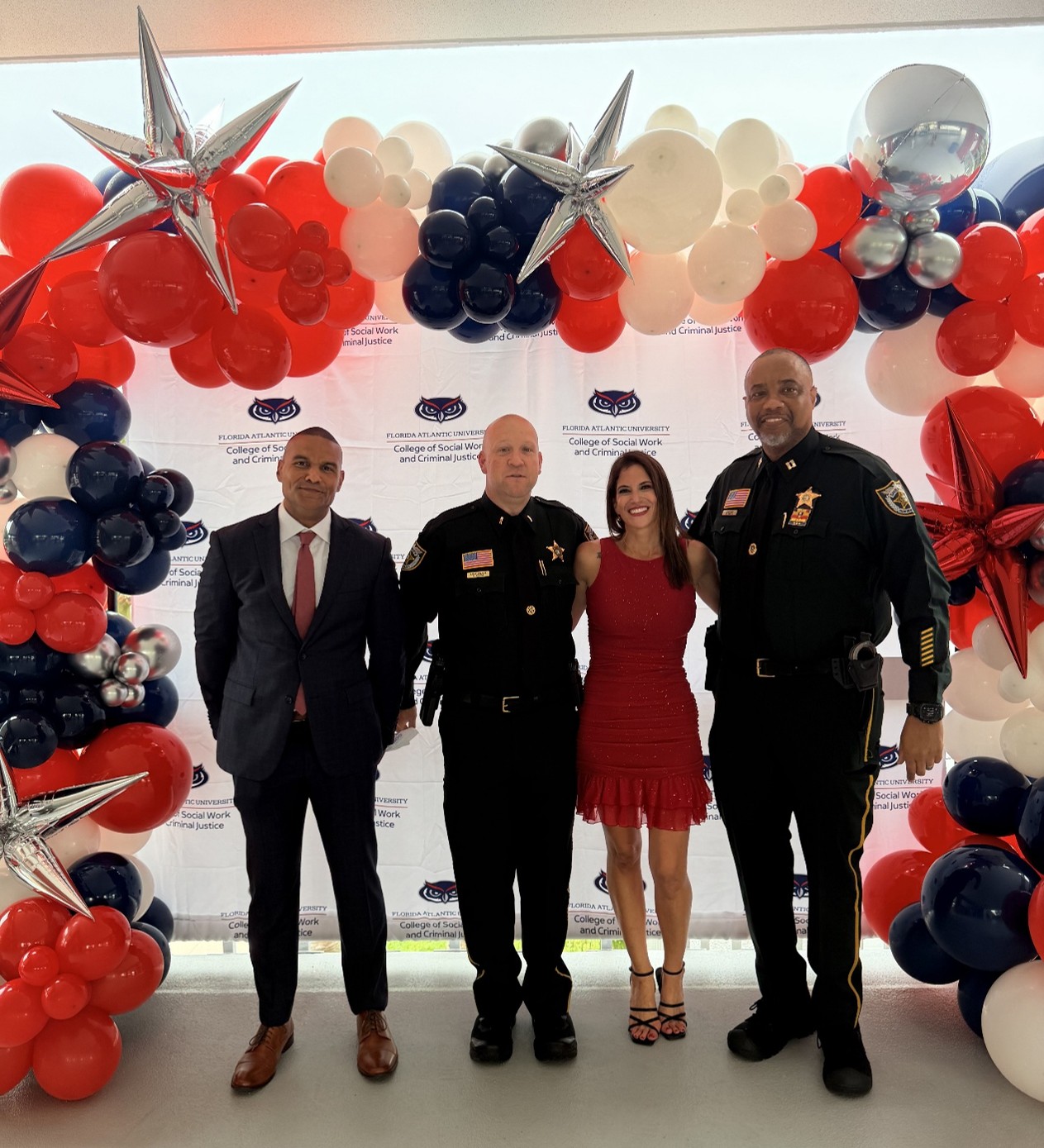
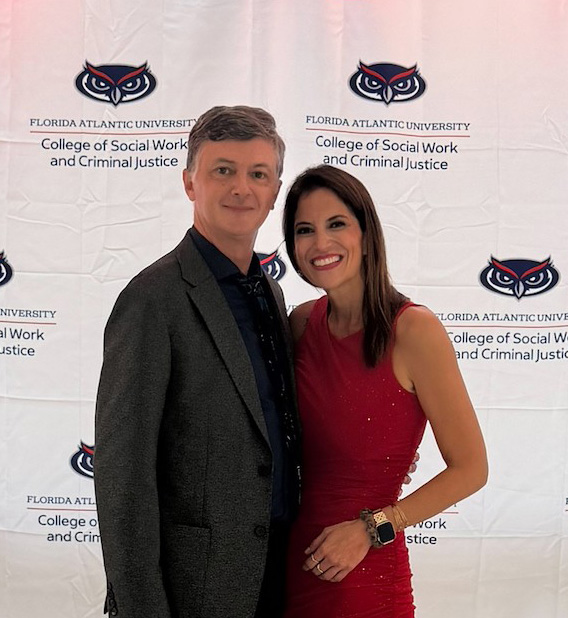
Sgt. Timothy Graham, Lt. Christopher Caris, Sigal Rubin and Capt. Byron Smith
“Some of the most meaningful moments happen when a student begins to see the person behind a case or a job title. That understanding can stay with them whether they pursue a career in criminal justice or become a more informed member of their community. Looking ahead, my vision is to expand the camp’s reach while keeping it accessible, innovative and transformative. I hope to increase scholarship support, create more hands-on forensic, courtroom, investigative and technology-based experiences, strengthen mentorship, build an alumni network and deepen partnerships with law enforcement, judicial, nonprofit and public-sector organizations. Together, these efforts can help more young people explore justice-related careers and develop the integrity, empathy and commitment to service needed to lead in their communities,” said Rubin.
A Decade of Connection
Over the past 10 years, the camp has connected students with educators, professionals and community partners while introducing them to careers in law enforcement, forensic science, the courts, corrections, reentry, victim advocacy and other areas of public service. The anniversary celebration brought those connections into focus as former campers and families shared what the experience has meant to them.
For more information about future camp attendance or sponsorship opportunities, please contact Sigal Rubin at rubins@fau.edu.