Training for Success: ESHP Graduate Student Alexandre Hamaïde
Wednesday, May 14, 2025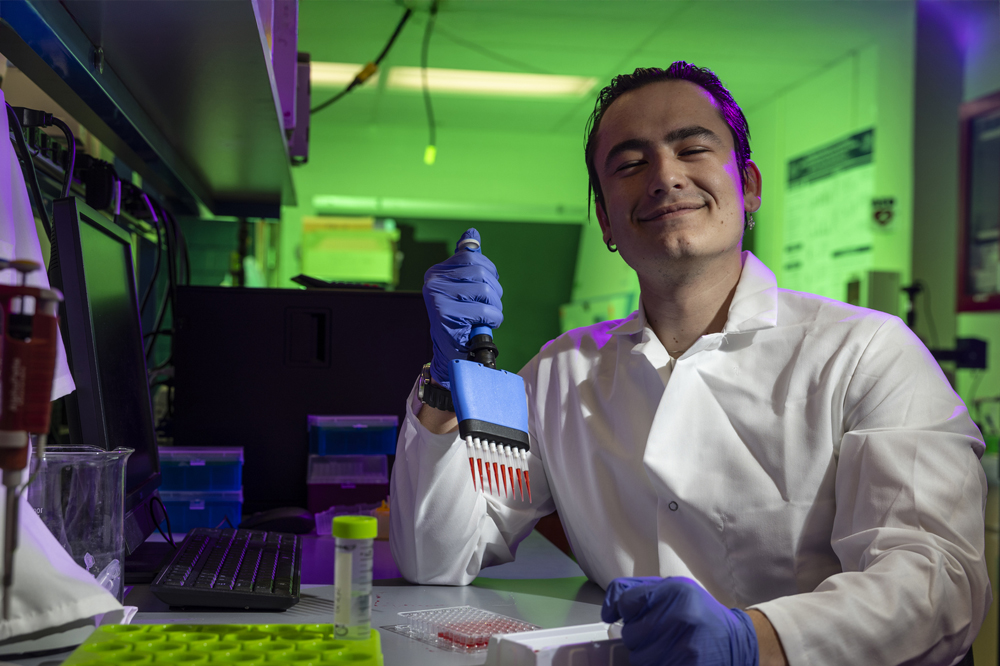
 Alexandre Hamaïde, B.S. ’24, B.A. ’24, originally thought he would begin his graduate student journey at Florida Atlantic as a psychology student. But thanks to his supervisor at the University’s Recreation and Fitness Center—where Hamaïde still works as a personal trainer and group fitness instructor—he discovered the Schmidt College of Science Exercise Science and Health Promotion’s (ESHP) Muscle Physiology and Performance Laboratory.
Hamaïde briefly served as a lab subject and undergraduate volunteer, and ultimately, he decided to apply to the ESHP graduate program because he wanted to immerse himself in research, as well as continue to learn more about the relationships between exercise and important markers of health.
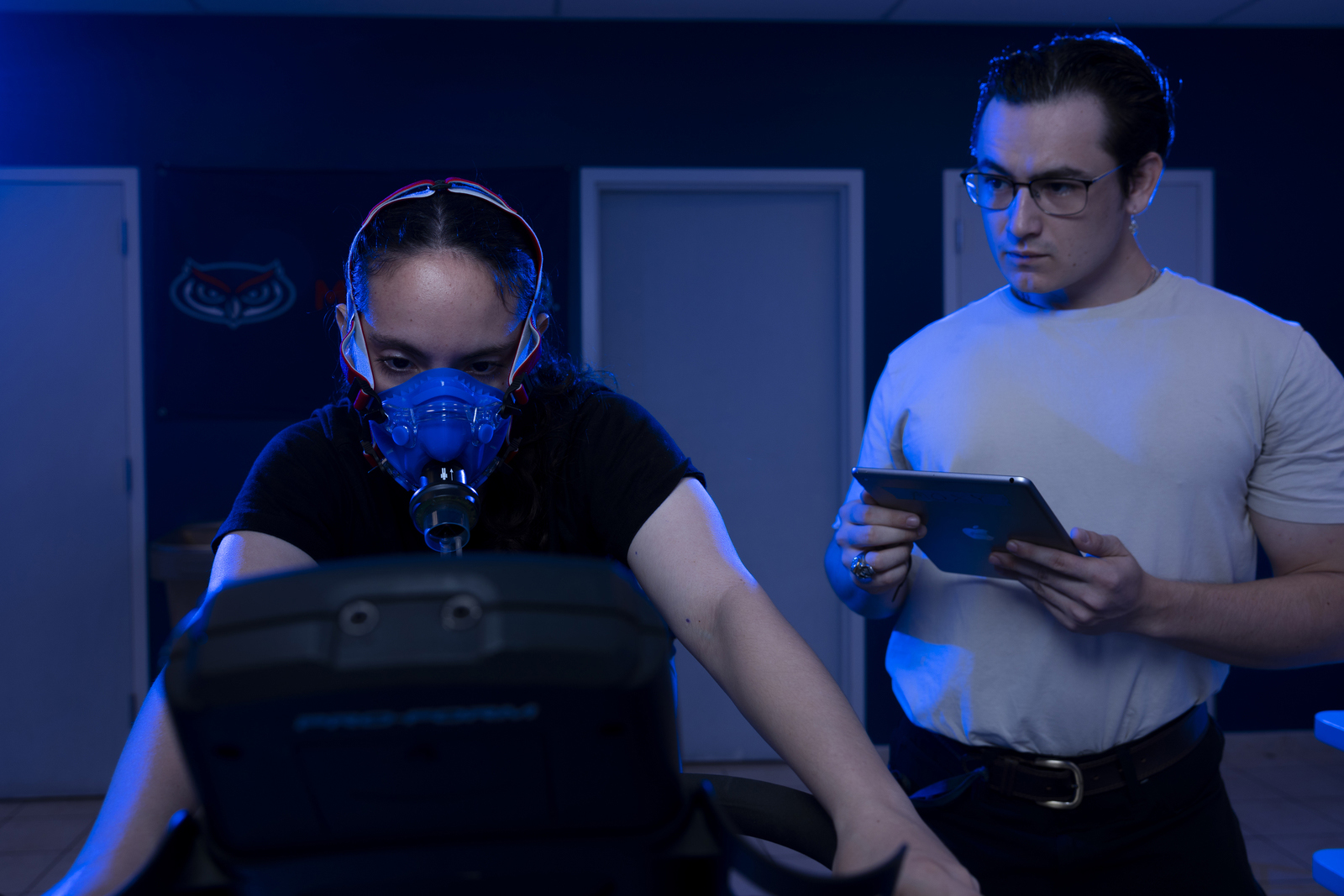
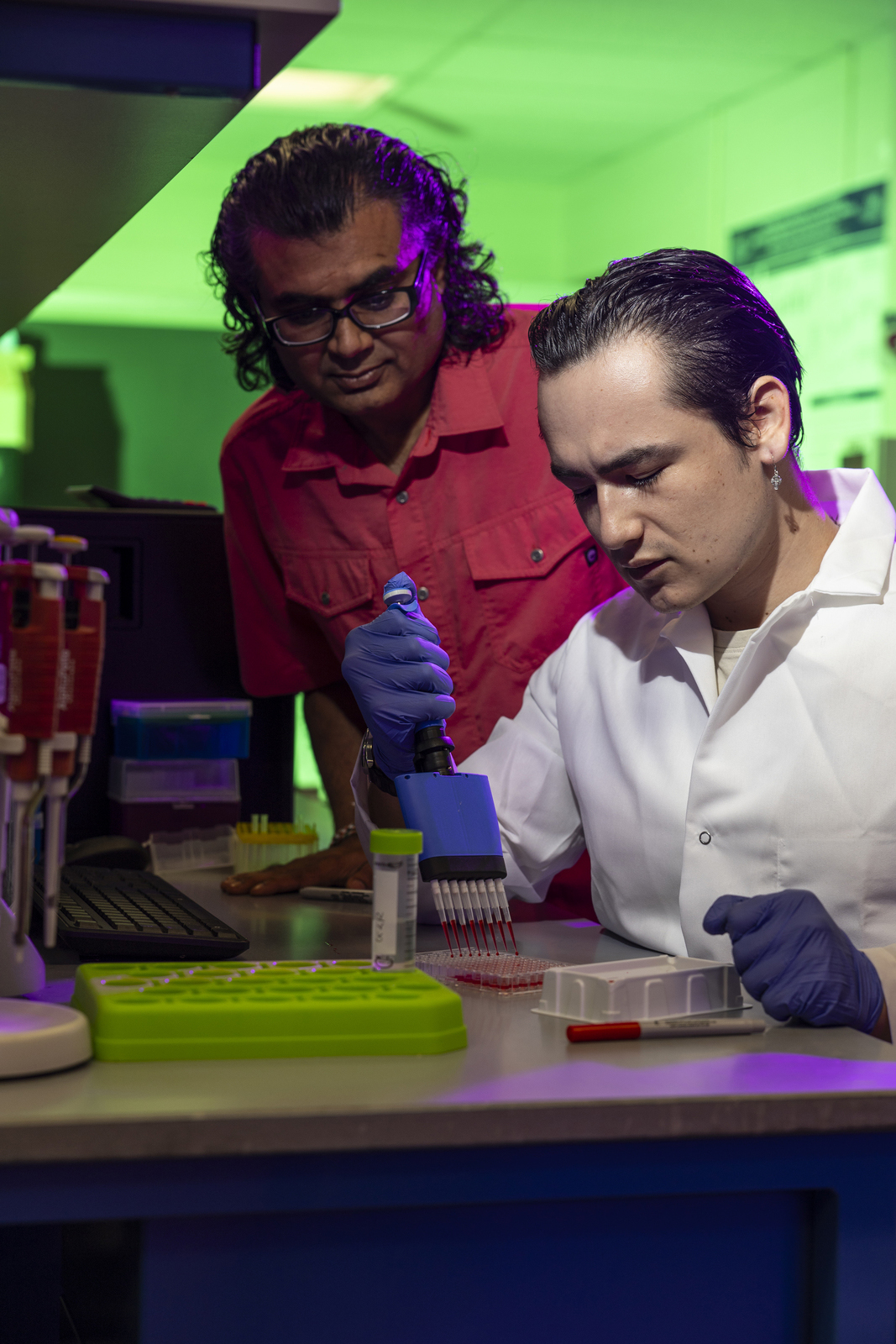
Today, Hamaïde is a first-year graduate student and graduate teaching assistant in the ESHP master’s degree program. He works in the Muscle Physiology and Performance and the Integrative Vascular Physiology and Exercise Science Biochemistry laboratories with Michael Zourdos, Ph.D., ESHP chair and professor, Brandon Fico, Ph.D., assistant professor, and Zac Robinson, Ph.D., postdoctoral fellow. Furthermore, Hamaïde is an instructor for the ESHP program, and he teaches the undergraduate course “Exercise Lab Techniques” under the mentorship of Ashley Artese, Ph.D., ESHP assistant professor.
“The type of research conducted at the Muscle Physiology Lab applies to my daily life, since I have been heavily involved in fitness and resistance training as a young adult, and as a personal trainer, I seek to apply what the latest literature suggests to the programs I create for my clients,” shared Hamaïde. “The work at the Integrative Vascular Physiology Lab is of great significance to me because it allows my colleagues and I to understand how to perform a variety of vascular measurements and laboratory protocols that assess the function of the cardiovascular system of research participants and determine the impact of exercise on vascular health.”
Other projects Hamaïde is assisting with in the Muscle Physiology Lab include researching resistance training program design variables and their impact on skeletal muscle hypertrophy and strength gain, along with exploring the hormonal, psychological and exercise performance effects of an extreme dietary intervention via sample analysis done in the Biochemistry Lab. In addition, he is aiding the Integrative Vascular Physiology Laboratory to analyze the impacts of aging and obesity on various vascular function measurements.
Outside of the gym and classroom, Hamaïde also serves as the co-president of the Muscle Physiology Lab Club. The club’s objective is to communicate what the latest scientific findings suggest when programming for hypertrophy, strength and other fitness-related objectives.
“We seek to reach out to students of all levels of experience in resistance training and collaborate with researchers and guest speakers to present diverse, evidence-based approaches to exercise in an effort to educate the Florida Atlantic community,” stated Hamaïde.
Hamaïde, whose personal motto is “every day is a great day to get better,” is an alumnus of the Schmidt College of Science. During the summer of 2024, he graduated with a Bachelor of Science in neuroscience and behavior, as well as a Bachelor of Arts in psychology. He has also been awarded “Best Personal Trainer of the Year 2024” and the “Spirit Award” plaque from Florida Atlantic’s Recreation and Fitness Center.
Following his anticipated graduation in December 2025, Hamaïde is interested in applying to Florida Atlantic University’s Charles E. Schmidt College of Medicine.