A Journey to the Wildest Places: Award-Winning Photographer and Explorer Dr. Gabby Salazar Comes to Campus
Tuesday, Oct 14, 2025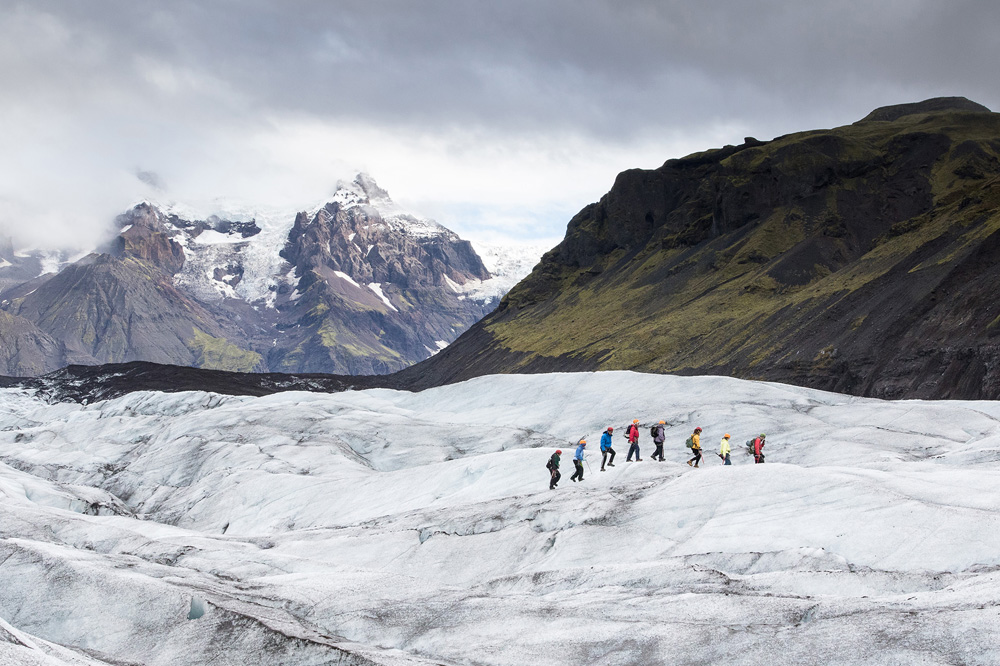
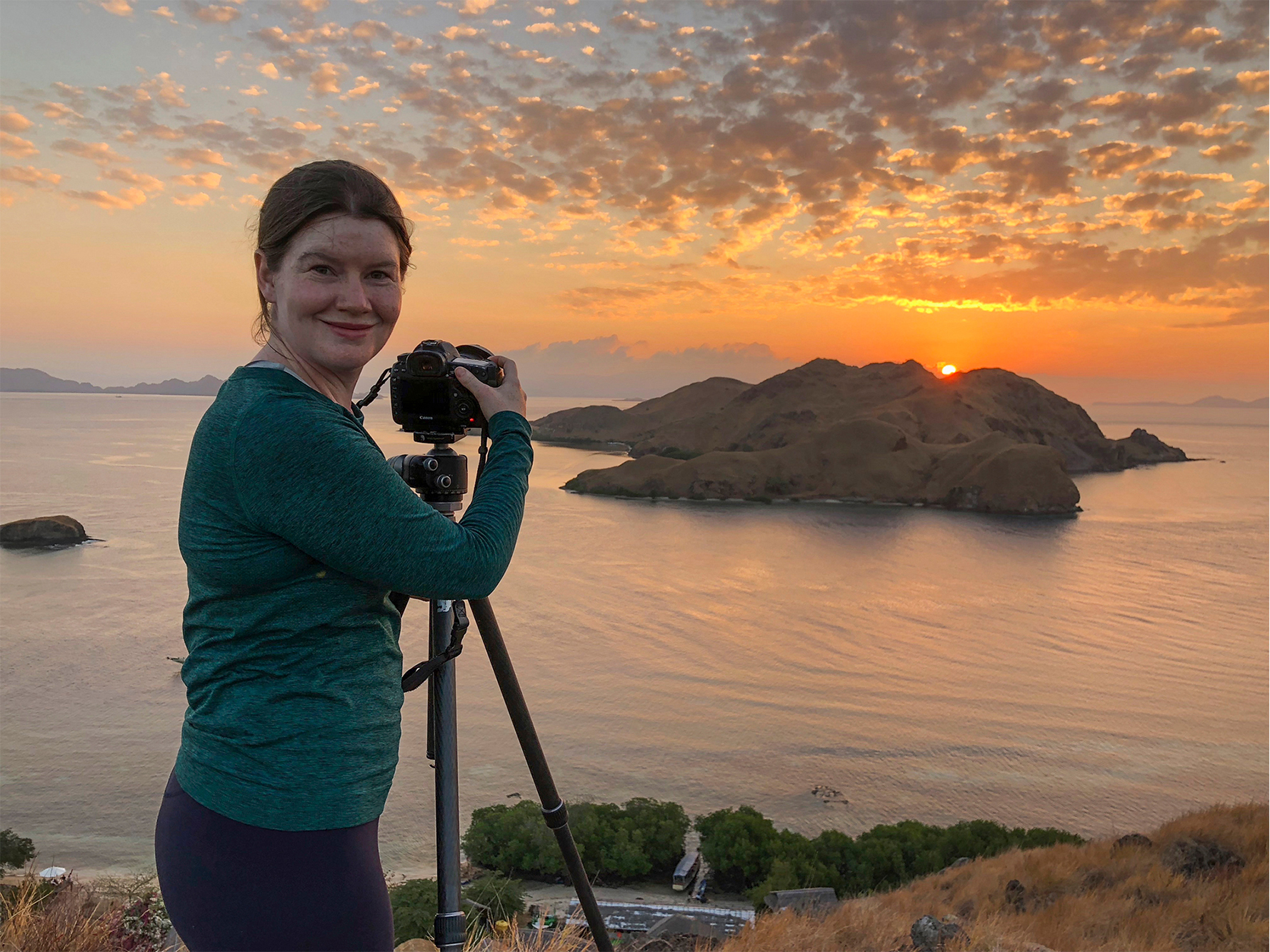 The Charles E. Schmidt College of Science is delighted to host Gabby Salazar, Ph.D., an award-winning photographer and National Geographic Explorer, as part of the Nat and Dorothy Hyman Science Lecture Series. Join Salazar on her breathtaking travels for her lecture titled, “Expedition Science: A Photographer’s Journey to the World’s Wildest Places,” on Thursday, Nov. 13, at 5:30 p.m., in the Live Oak Pavilion, Student Union, Boca Raton campus. A reception with hors d’oeuvres and refreshments will immediately follow the lecture. The event is free and open to the public. Register here.
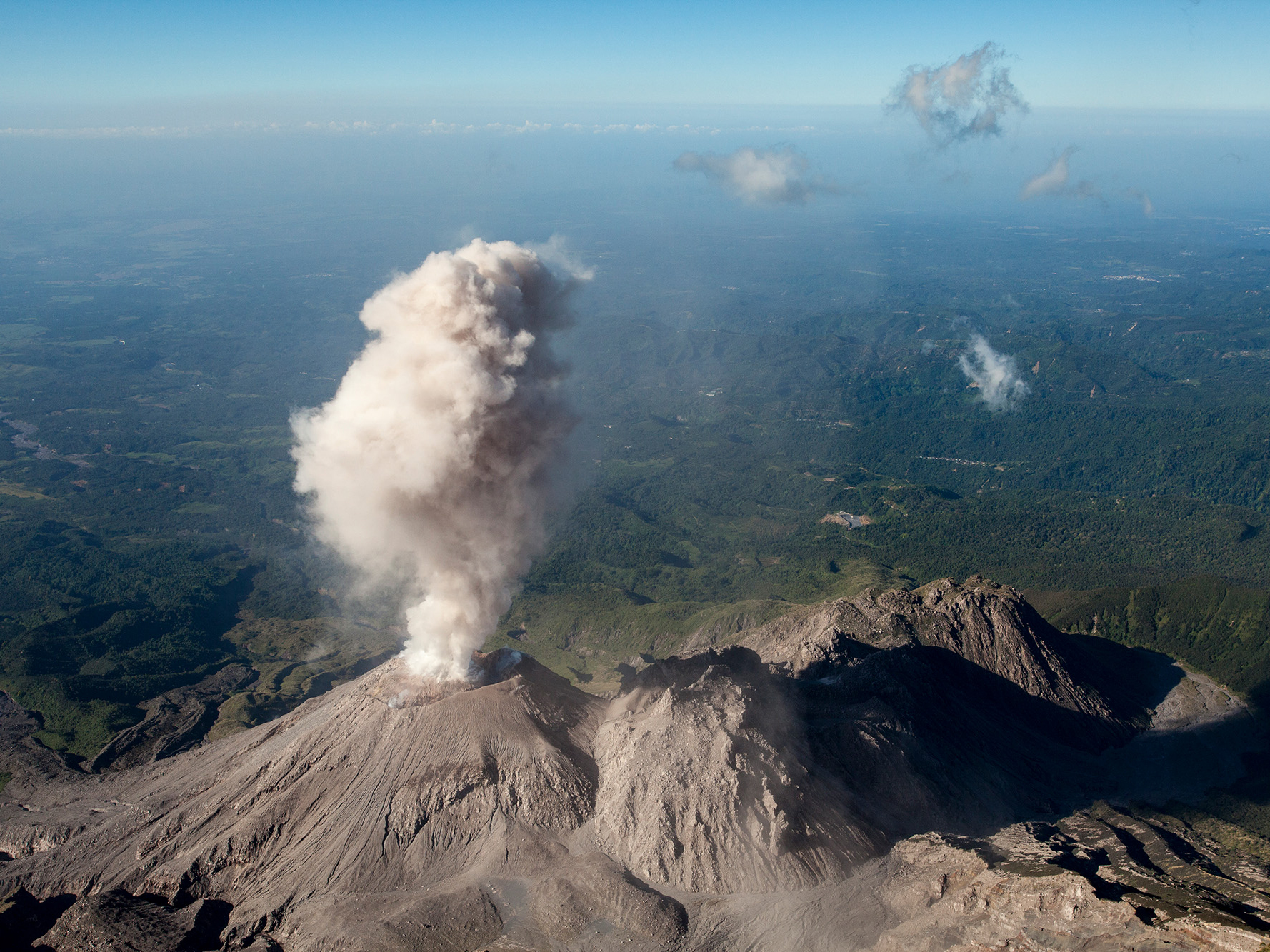
Salazar, an environmental social scientist, will share her thrilling adventures and reveal behind-the-scenes moments, along with surprising discoveries from the frontlines of exploration, including stories from some of her favorite field expeditions to remote locations like Borneo, Indonesia and southeastern Guatemala.
 As an environmental social scientist, Salazar studies the complex relationships between people and the natural environment. She especially focuses on how social, cultural and psychological factors influence environmental issues and human behavior.
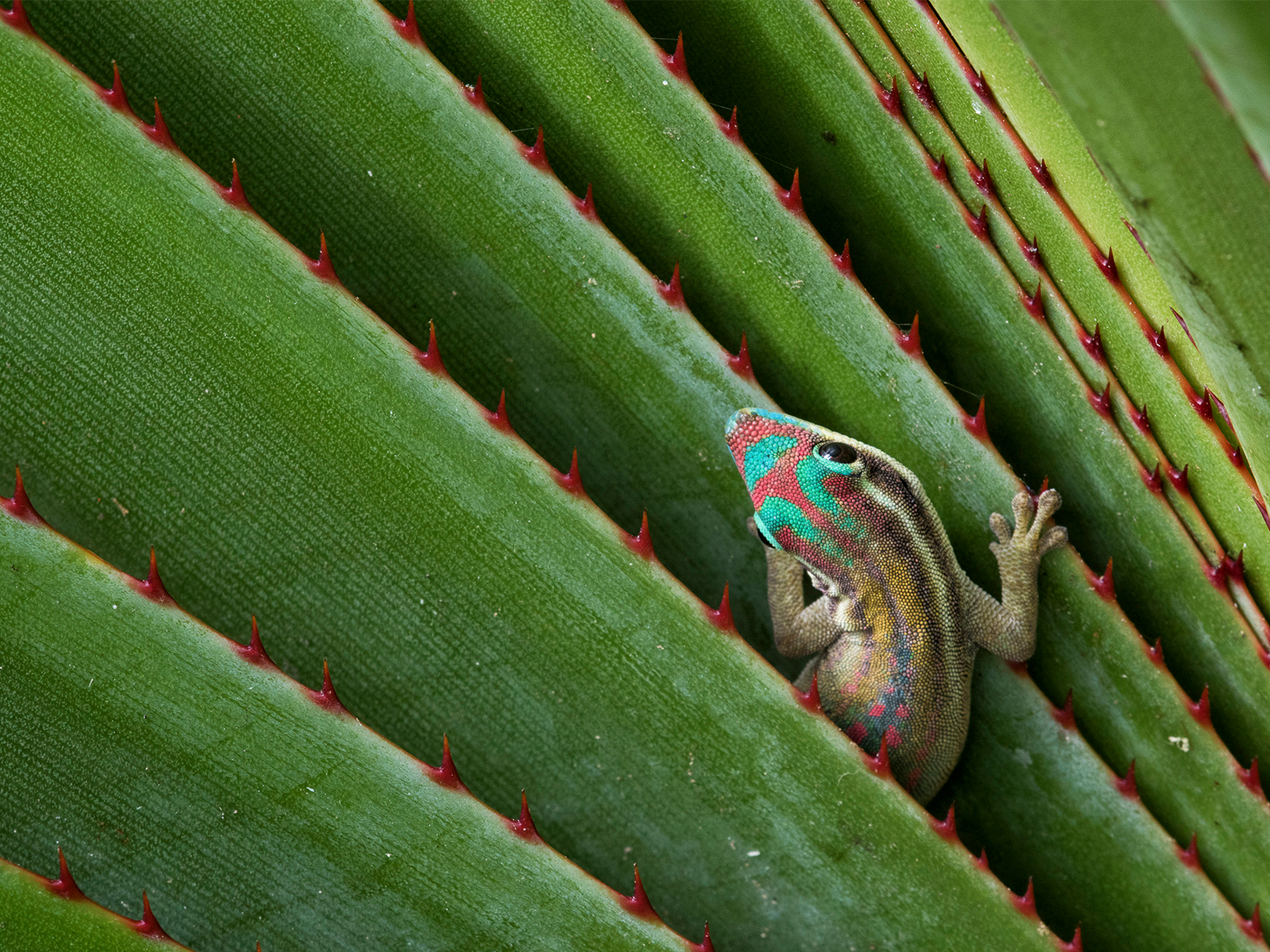
Salazar has always been a curious person who loves exploring new places and ideas. Her passion for photography began at age 11 when her father gave her a camera. Since then, she has traveled extensively across North America and to over 40 countries, capturing images of nature and wildlife.
Early on in her career, Salazar was photographing birds on a beach that was littered with plastic. She maneuvered around, trying to get an angle that did not show the plastic—only the pure beauty of nature.
“I suddenly realized that this was not showing the true reality of the situation, and I decided to zoom out and show the plastic along with the birds,” recalled Salazar. “Ignoring the reality of environmental problems can make us feel better, but it does not lead to any change. I wanted to start using my photography to influence conservation efforts, so I needed to tell the full story.”
For almost a decade, Salazar worked as a full-time conservation photographer, producing images for stories and videos about environmental problems and solutions. While she was working in this field, she became increasingly interested in whether her work—and her colleagues’ work—was making an impact on the issues they cared about. This curiosity led Salazar to go back to school to pursue a master’s degree in Conservation Science at Imperial College London.
“I wanted to understand how to evaluate the impact of conservation campaigns and education programs,” shared Salazar. “The more I learned, the more curious I became, and I eventually went on to pursue a Ph.D. on a related topic at the University of Florida. I call myself an ‘environmental social scientist’ because my work is so interdisciplinary. It draws on methods form a range of fields, including communications, anthropology, sociology and psychology, to answer questions about human relationships with the natural environment.”
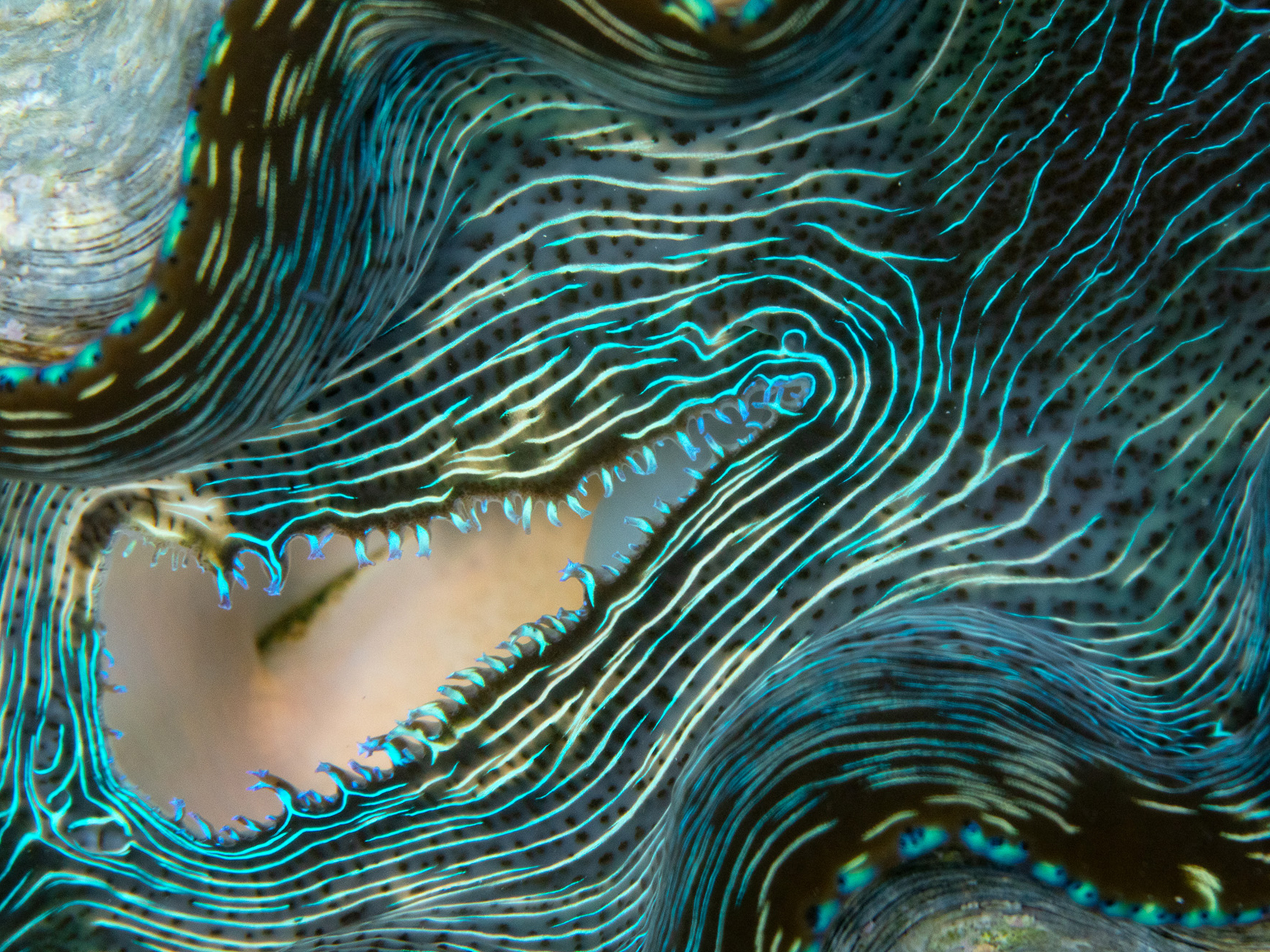 In 2011, Salazar became a National Geographic Explorer when she received her first grant from the National Geographic Society to work on a photography project in Peru. Since then, she has been part of several grant-funded projects with National Geographic, including most recently, a project to study and document the first known petrified forest in Guatemala.
“The project has been an artistic challenge because petrified wood essentially looks like a rock,” noted Salazar. “Many of my projects involve charismatic animals, which are relatively easy to photograph. With the petrified forest, I have had to figure out ways to make visually engaging images of a less obviously charismatic subject. To do this, I have used tools like microscopes and drones, and I have also focused on the scientists who are doing the research. It has been a fun challenge!”
Salazar’s work has earned her notable recognition, including the North American Nature Photography Association (NANPA) Emerging Photographer of the Year in 2021 and BBC Young Wildlife Photographer of the Year in 2004. She is also an Associate Fellow of the International League of Conservation Photographers. Glamour Magazine recognized her as one of the Top 10 College Women in the United States in 2008.
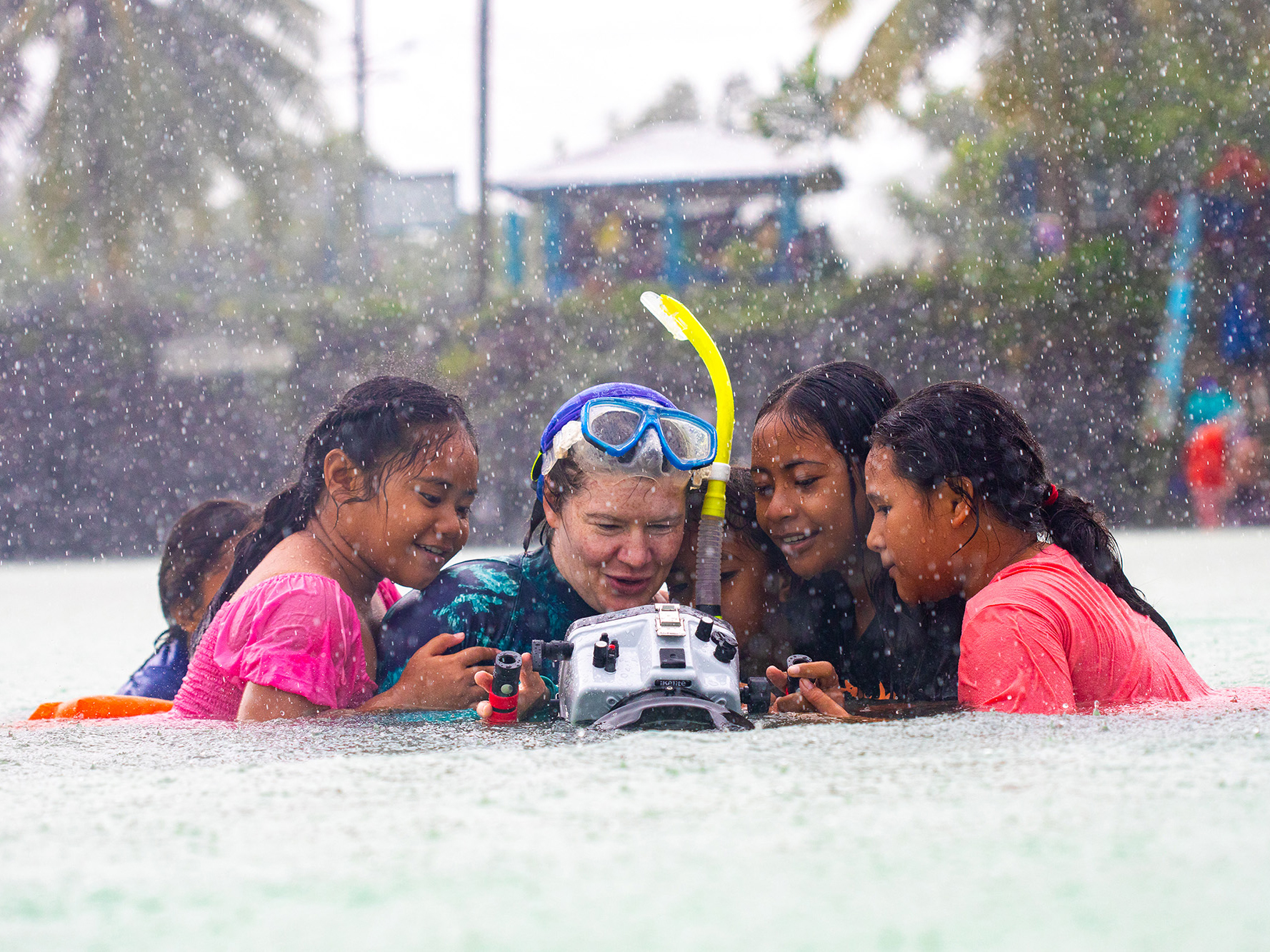 Committed to conservation and education, Salazar has collaborated on projects like the Wild Shaale conservation education program in India, which has reached over 50,000 children. In 2022, Salazar co-authored a children’s book, “No Boundaries: 25 Women Explorers and Scientists Share Adventures, Inspiration and Advice,” with National Geographic Kids Books. The book was named one of the Best STEM Books for K-12 in 2023 by the National Science Teaching Association.
“Education and storytelling are powerful tools to spark curiosity and connect kids with nature,” said Salazar. “At a time when many children spend most of their time indoors and on screens, it is more important than ever to create opportunities that get them outside, exploring and learning. Environmental education programs and creative storytelling not only teach kids about the natural world, they also inspire them to care for it. By helping kids fall in love with nature, we can nurture stewardship values, and hopefully, a lifelong commitment to protecting our plan.”
The Nat and Dorothy Hyman (NDH) Science Lecture Series was made possible by Florida Atlantic alumnus Jerry Hyman, son of Nat and Dorothy Hyman. The NDH Science Lecture Series was created to encourage and inspire students in the sciences and provide access to educational lectures by leaders in the scientific fields for Florida Atlantic students, faculty and community members, free of charge. This lecture series is organized by the Charles E. Schmidt College of Science.
Click here for more information about the Nat and Dorothy Hyman Science Lecture Series.
|
|
|
|