From Classroom to Coast: FAU Students Tag Sharks, Advance Fisheries Science
Thursday, Nov 20, 2025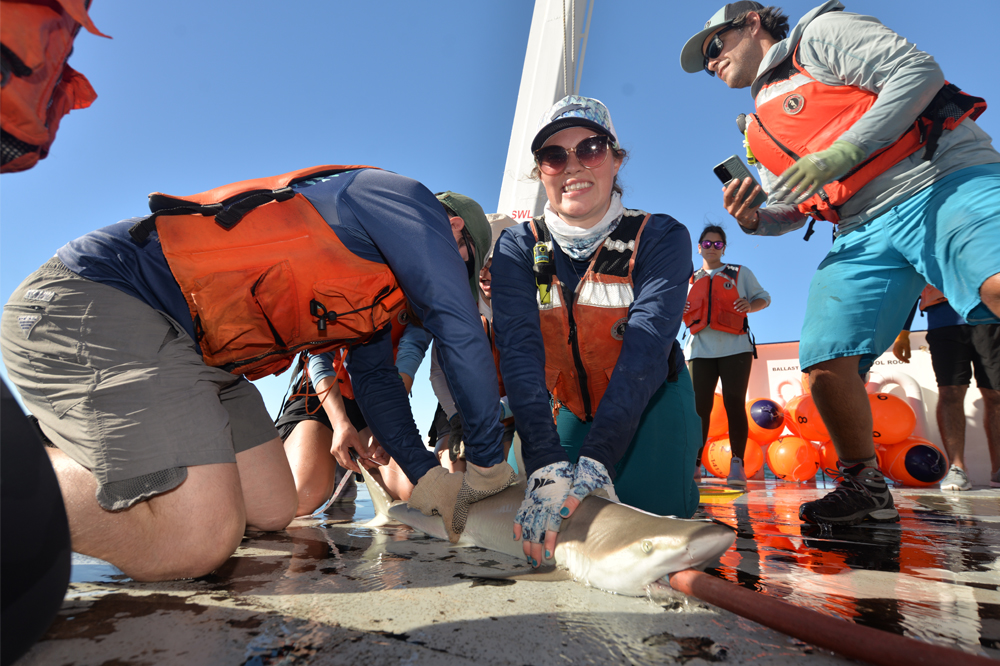
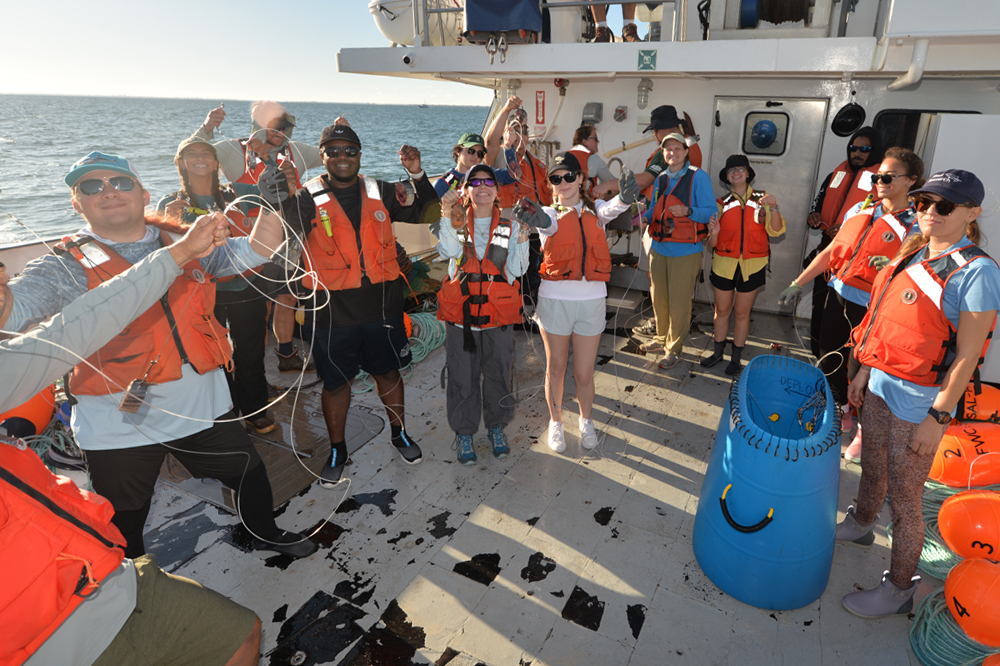
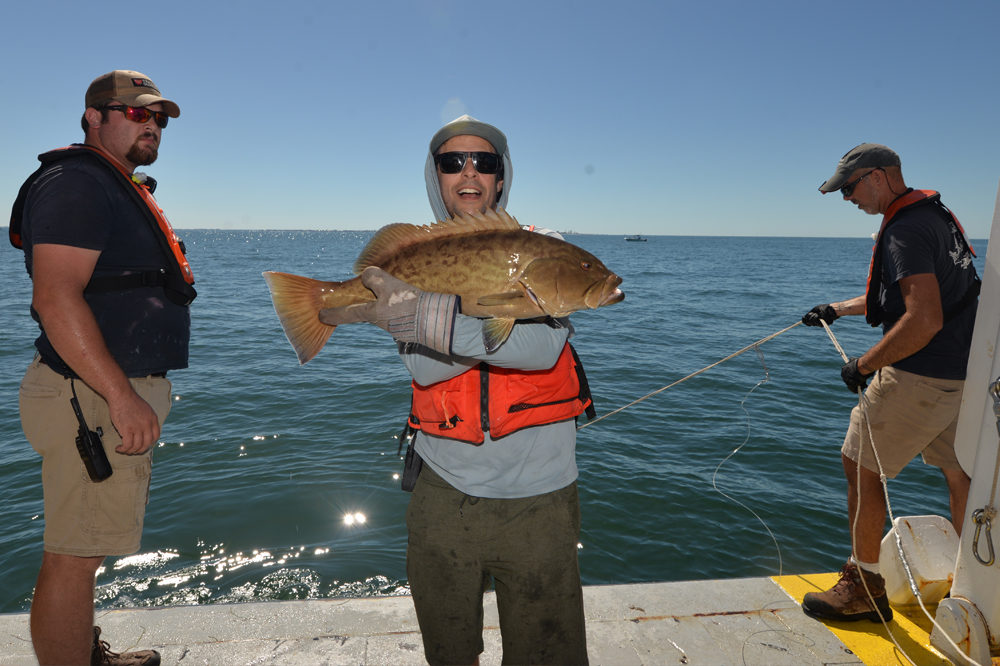
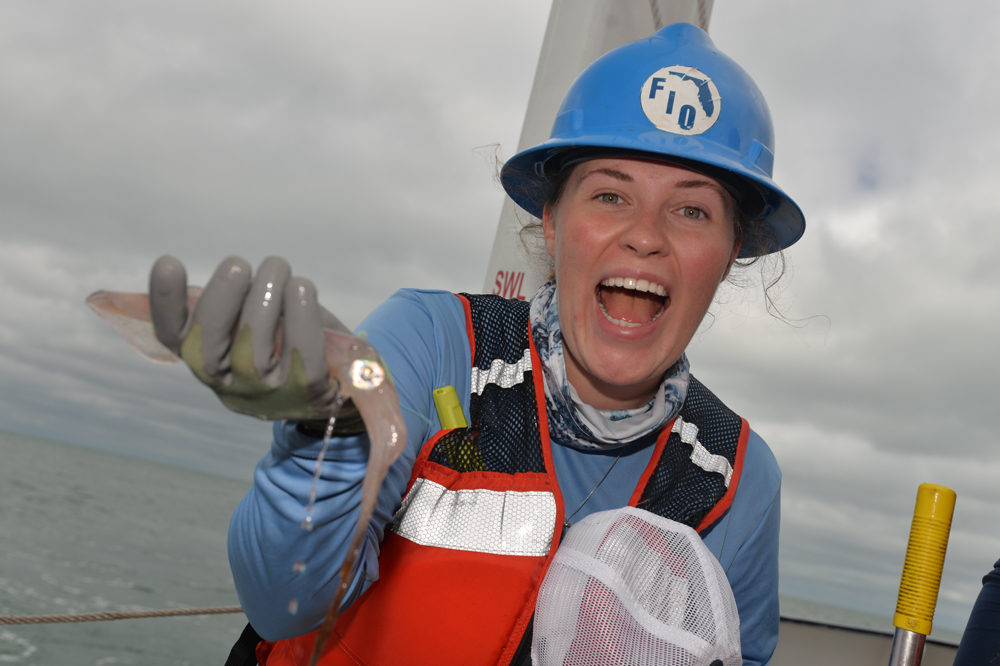
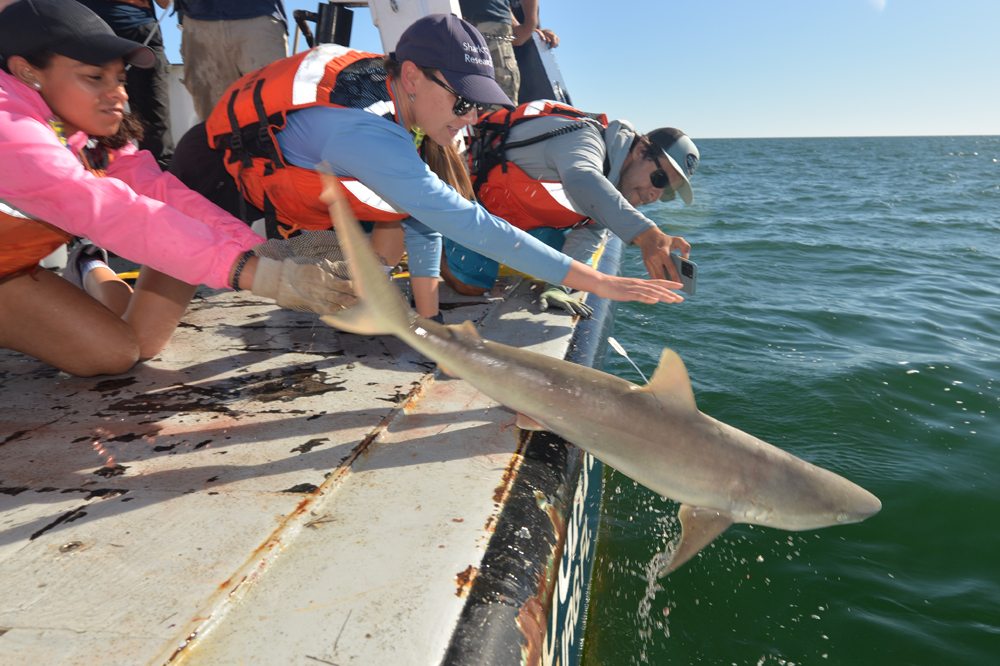
Florida Atlantic University Charles E. Schmidt College of Science Elasmo Lab graduate students joined up with undergraduate students from the University of South Florida’s (USF) Fish Biology Lab to participate in a four-day shark research trip in and around Tampa Bay, Florida. From Oct. 10 to 13, students learned a variety of fisheries techniques, including longline fishing, drum line fishing, bottom trawling, fish identification and shark tagging. The educational cruise was operated through the Florida Institute of Oceanography (FIO) aboard its vessel, the R/V WT Hogarth.
“FIO offers this incredible opportunity for students to gain experience on a research vessel and learn various techniques firsthand. This is the ultimate lab experience,” shared Stephen Kajiura, Ph.D., professor of biological sciences in the Schmidt College of Science’s Department of Biological Sciences. “These trips are also excellent way to tag some sharks on the west coast of Florida, where we do not normally have access.”
A total of 50 students participated, including 11 from Kajiura’s “Biology of Sharks and Their Relatives” course. Together, the group tagged 12 sharks, as well as caught and identified dozens of fish and invertebrates. The expedition was made possible through support from the Department of Integrative Biology at USF, the Colgan Foundation and the FAU WLW-ECOS Fund. That fund was created by a generous gift from Wayne and Lucretia Weiner to the college’s School of Environmental, Coastal, and Ocean Sustainability (ECOS), that the couple established in 2024 to create opportunities for students who are dedicated to creating solutions for a more sustainable future.
Students tagged all the sharks with National Oceanic and Atmospheric Administration-issued (NOAA) ID tags—simple dart tags that do not transmit. In the future, any fisherman who catches the shark will report the tag number to NOAA, and NOAA will report it back to Kajiura’s lab, telling them when and where the shark was recaptured and how much it has grown.
“Some of the sharks that we have caught and tagged on previous cruises have been reported back to us several years afterward,” noted Kajiura.
Even though Kajiura has been part of FIO’s research cruises for the past 20 years, he still gets excited to share this unique opportunity with his students.
“For me, the most rewarding aspect of these trips is providing students with this opportunity to get hands-on with sharks and other fish,” explained Kajiura. “Many students have never seen a live shark before, so to allow them to safely handle and tag a shark is a great experience for them. I always think about how much I would have loved that opportunity when I was a student, and I strive to make it a positive and exciting experience for my students now.”
Jordan Waldron, a third-year integrative biology Ph.D. student in the Schmidt College of Science, participated in this year’s research cruise. She helped train Florida Atlantic graduate students, as well as undergraduate students from the University of South Florida. While many of them had learned about shark biology in their courses, this cruise gave them real life experience in the field.
“For me, the highlight of the trip was getting to connect with students from so many different backgrounds and experience levels, all brought together by a shared curiosity of sharks,” said Waldron. “It was rewarding to watch their confidence and excitement grow as they learned how to handle, measure and tag sharks.”
Miranda Manross, a master’s biology student at the Schmidt College of Science, works closely with Kajiura as an Elasmo Lab volunteer and on the boats when he and his team are out fishing and tagging. Kajiura asked her to join to help facilitate and teach the processes of fishing to the participants.
“When the Elasmo Lab catches sharks, we keep them in the water alongside the vessel to do the ‘work up’ like tagging and measuring. The best part of this trip was to work with sharks on the ship’s deck, which was a new procedure for me,” stated Manross.
|
|
|
|
Story cover photo credit: Miranda Manross
Story photos credit: Stephen Kajiura, Ph.D.