FAU Scientists Encourage Lights Out During Migration Season
Monday, Nov 24, 2025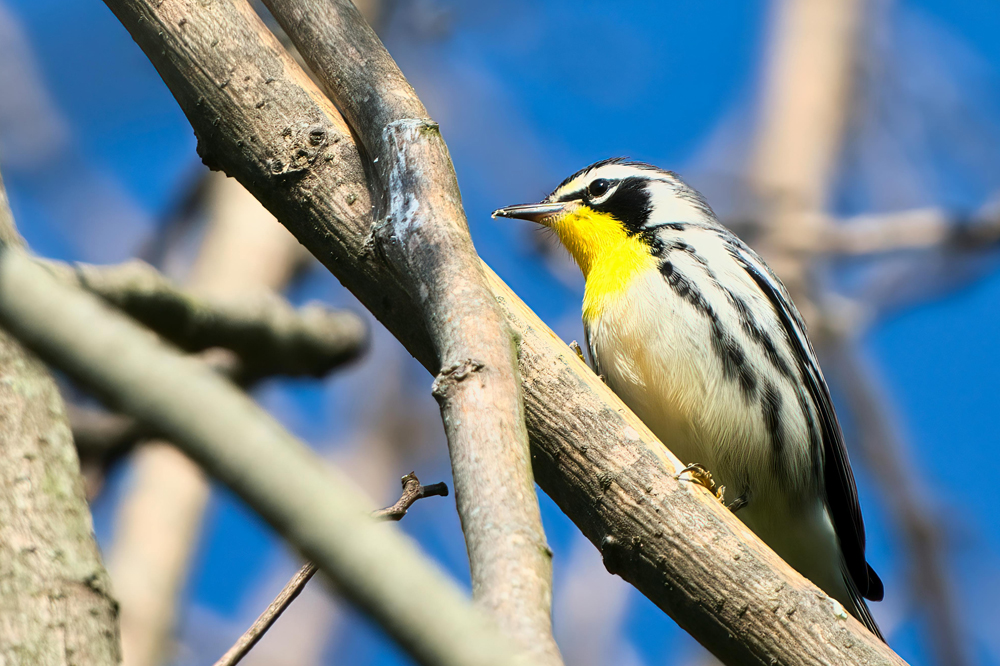
|
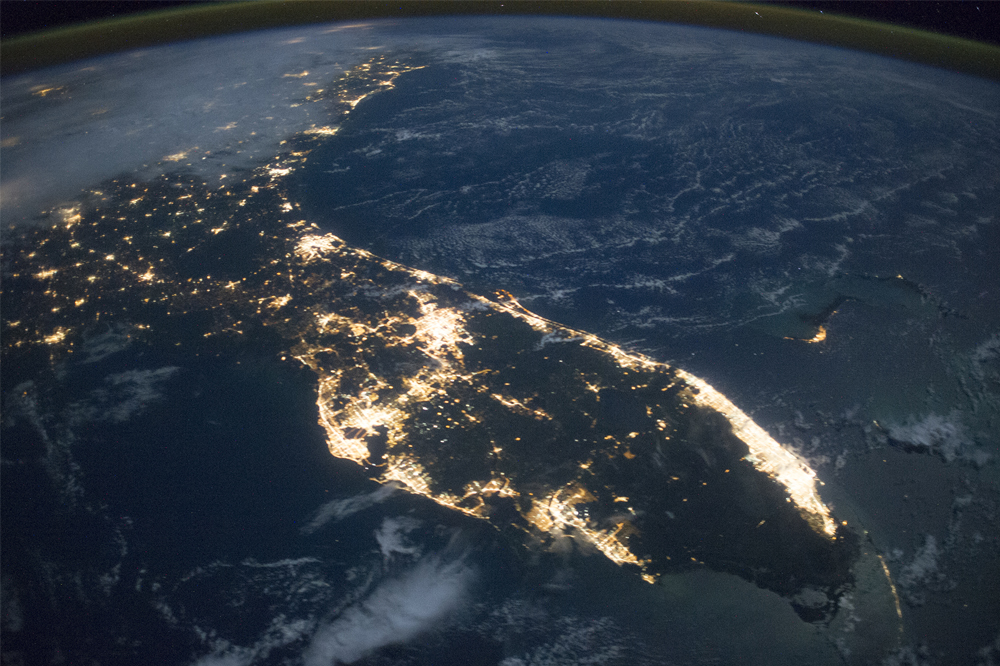
Every spring and fall, billions of birds migrate at night, relying on the stars to guide them. But when birds encounter brightly lit cities, artificial lights disorient them, causing many to collide with unseen windows and buildings. These collisions kill an estimated one billion birds in North America each year. Since 1970, bird populations have plummeted by nearly three billion.
“Birds play critical roles in our ecosystems, and they also delight millions of birdwatchers and naturalists alike,” shared Rindy Anderson, Ph.D., associate professor of biological sciences in the Charles E. Schmidt College of Science. “I have devoted my career to studying birds, so their conservation is a priority for me. It would be sad and destructive if we lost dozens of species to extinction and even the most common birds became rare.”
Together, Anderson and Kimberly Vardeman, assistant director of the Schmidt College of Science's Center for Environmental Studies (CES), are spearheading efforts to make Florida Atlantic University’s campuses safer for migrating birds. Through their grassroots “lights out” campaign, they aim to help reduce hazards during migration periods.
“Each bird migration season, I have been saddened to find birds that had collided with buildings,” expressed Vardeman. “As someone who loves birds and the natural world, I wanted to help. I connected with Dr. Rindy Anderson to work on solutions.”
Two simple actions can make a big difference: turn off lights and close blinds at night during peak migration seasons (September to October and March to April). By reducing nighttime lighting, Florida Atlantic’s greater Owl family can help thousands of birds stay on course.
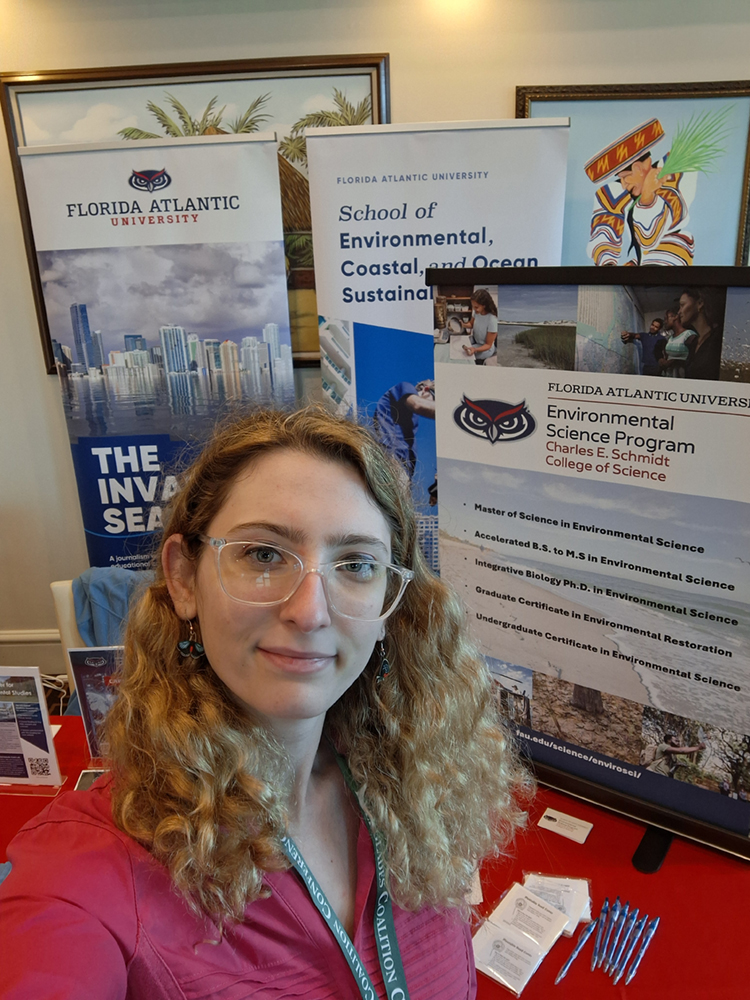 To help collect data about bird collisions on any Florida Atlantic University campus, Arielle Perry, B.S. ‘23, an environmental science master’s degree program student and CES graduate research assistant, has designed a survey to document these instances, as well as identify problem buildings and areas. If you find a dead or injured bird near a building, please use the survey to report it.
Users can type in the address where the collision happened by clicking the “Find My Location” icon to record their current location.
“I love birds, and I am admittedly an amateur birder,” said Perry. “It pains me to think that so many birds are harmed or killed due to collisions with buildings. I wanted to provide an easy and accessible method to allow the Florida Atlantic community to actively get involved in tracking this unfortunate, but common occurrence.”
Other ways to help:
- Turn off unnecessary lighting (especially on upper floors) between 11 p.m. and sunrise
- Put lights on timers
- Make sure external lighting is down-shielded
- Close shades or blinds
- Dim or turn off lobby or atrium lighting
These tips follow directives from a national Lights Out initiative created by the Audubon Society. Read more on the Audubon Society’s website.
Cover image: Yellow-Throated-Warbler
Cover photo credit: Pete Weiler via Pexels