FAU Researcher Leads Pioneering NSF-Funded Study to Boost Coastal Resilience in South Florida
Wednesday, Feb 04, 2026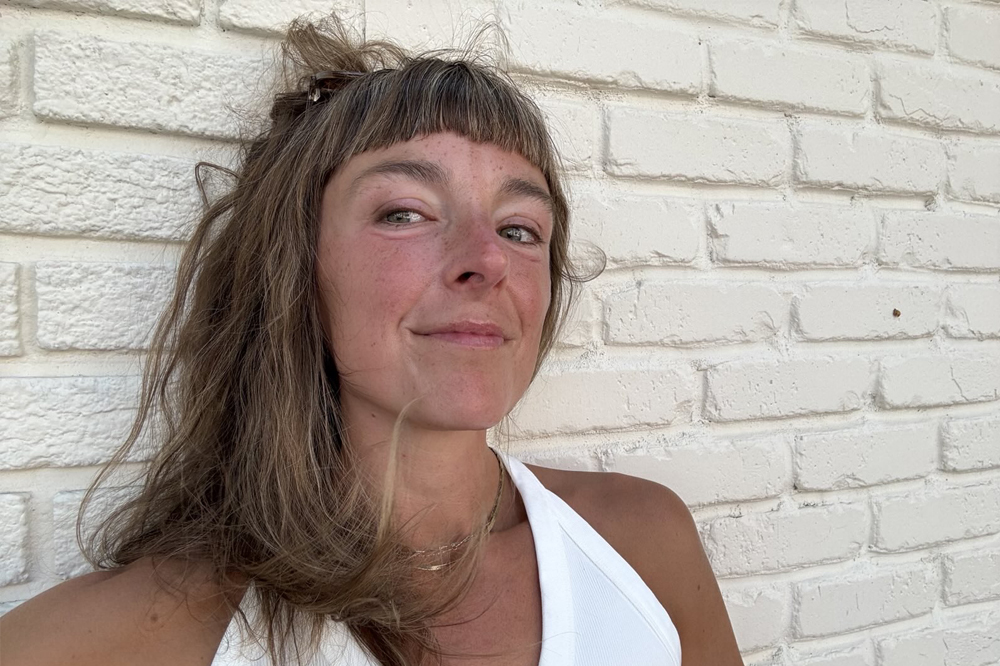
As part of a $6.375 million renewal from the National Science Foundation (NSF) for the Florida Coastal Everglades Long Term Ecological Research (FCE-LTER) program, Stephanie Wakefield, Ph.D., an assistant professor within the Schmidt College of Science’s Department of Urban and Regional Planning, is spearheading research to help South Florida better manage its ecosystems amid environmental change.
The FCE-LTER program is one of 28 sites in the NSF’s Long Term Ecological Research (LTER) Network. FCE researchers examine how climate change and disturbances interact with shifting management of freshwater resources to determine the dynamics and fate of coastal ecosystem properties, functions and services to people.
Based at Florida International University’s (FIU) Institute of Environment, the FCE program is comprised of scientists, students, educators and research staff from multiple universities and partner institutions and agencies. Together, they “co-produce” long-term science to reveal the causes and consequences of long-term change in coastal ecosystems while informing adaptive management of coastal ecological resources.
As the Social-Ecological Landscape Working Group Lead, Wakefield oversees long-term research on how ecosystem services and ecological infrastructure are valued, governed and managed across South Florida—particularly as restoration efforts, climate impacts and disturbance legacies reshape the region. She also serves on the project’s Internal Executive Committee.
While the overall NSF renewal award is administered through FIU as the lead institution, Florida Atlantic University received a subaward to support the research activities conducted through Wakefield’s working group leadership and related responsibilities within the FCE-LTER program.
“This funding supports my research by enabling long-term work on coastal resilience as a social-ecological question—specifically how governance, culture and changing valuations shape restoration and urban planning decisions, and resilience trajectories in South Florida’s coastal communities,” stated Wakefield. “More broadly, it also supports my research on the changing relationship between urbanization and nature, and development of more biophilic, vitalist urban design modalities.”
Wakefield’s subaward also supports the research and engagement activities that she leads through the Social-Ecological Landscape Working Group, including interviews, site visits, surveys, co-production of workshops and studios, spatial and data visualization work to communicate findings and the development of publications and deliverables.