Making Memories in Michigan: Two Schmidt College of Science Undergraduates Share Their WLW-ECOS Summer Externship Experiences
Thursday, Aug 27, 2026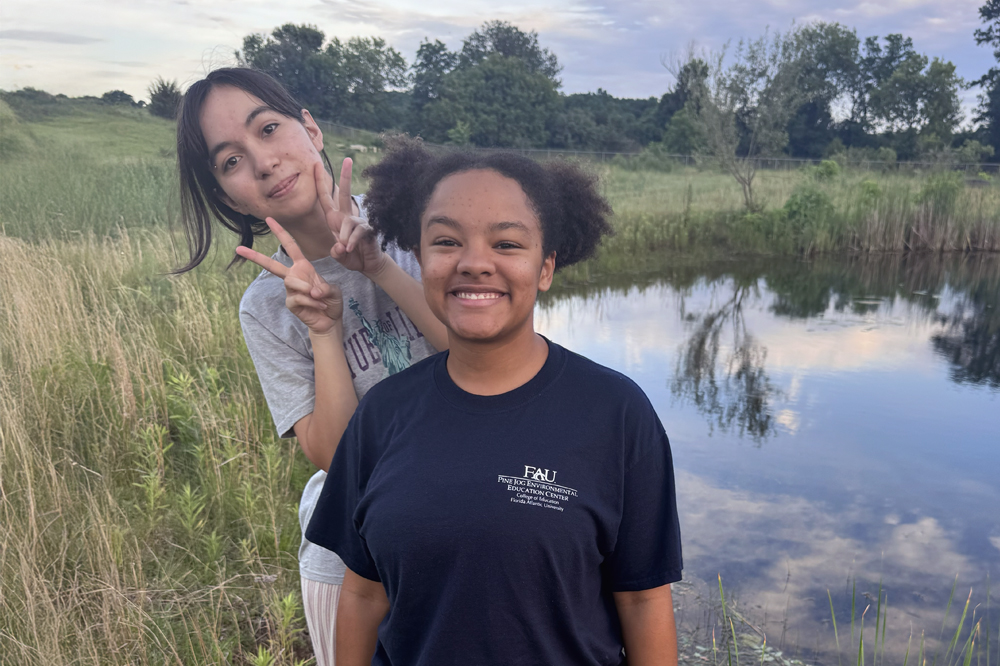
Two rising seniors Ann Levarity, a biology major, and Stephanie Strazzi, a geosciences major, spent 10 memorable weeks this summer at one of North America’s premier inland field stations, Michigan State University’s (MSU) W.K. Kellogg Biological Station (KBS). Situated on peaceful Gull Lake, KBS spans over 4,100 acres of diverse aquatic and terrestrial habitats, including forests, streams, wetlands and agricultural lands.
|
|
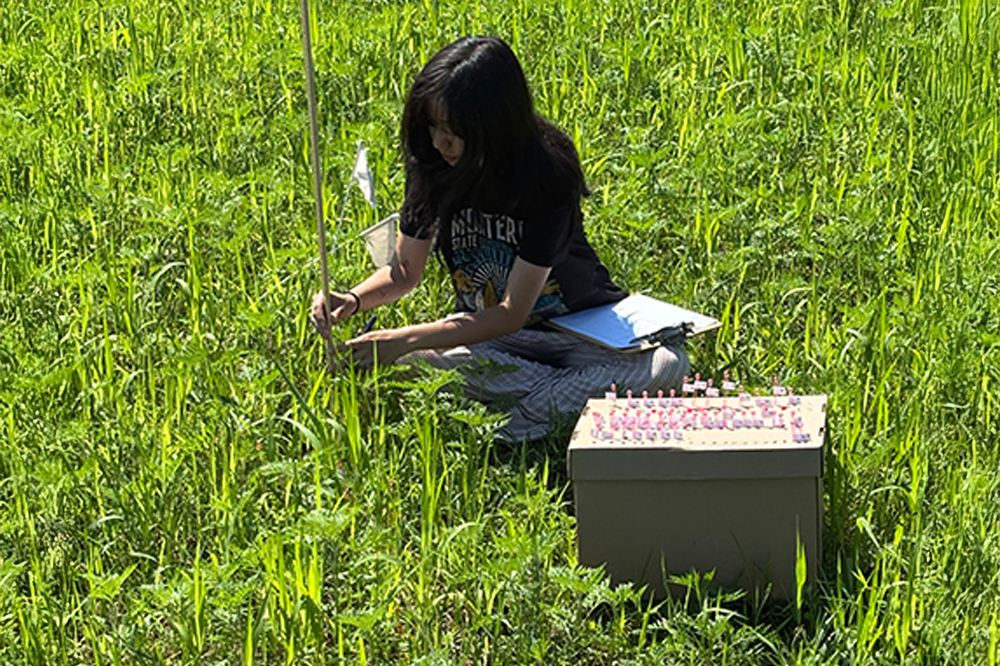
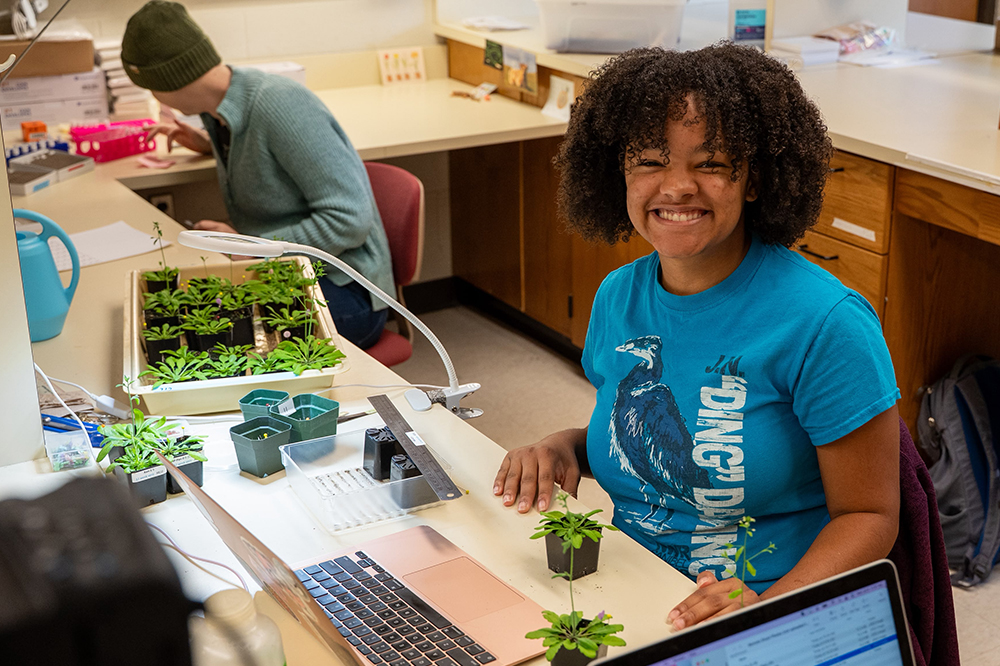
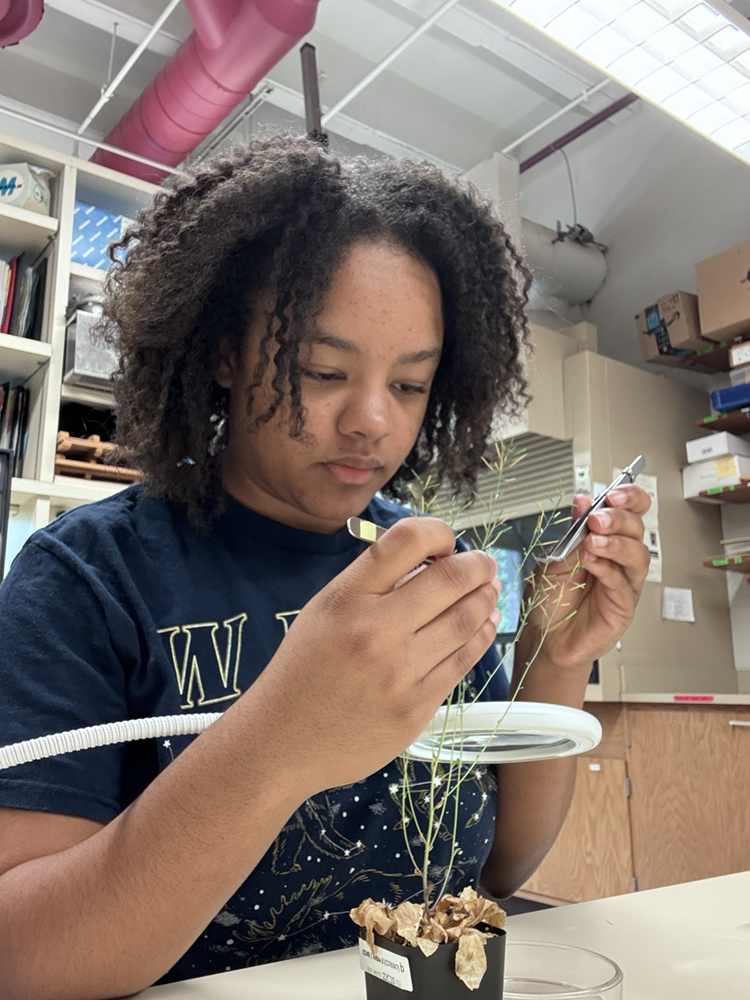
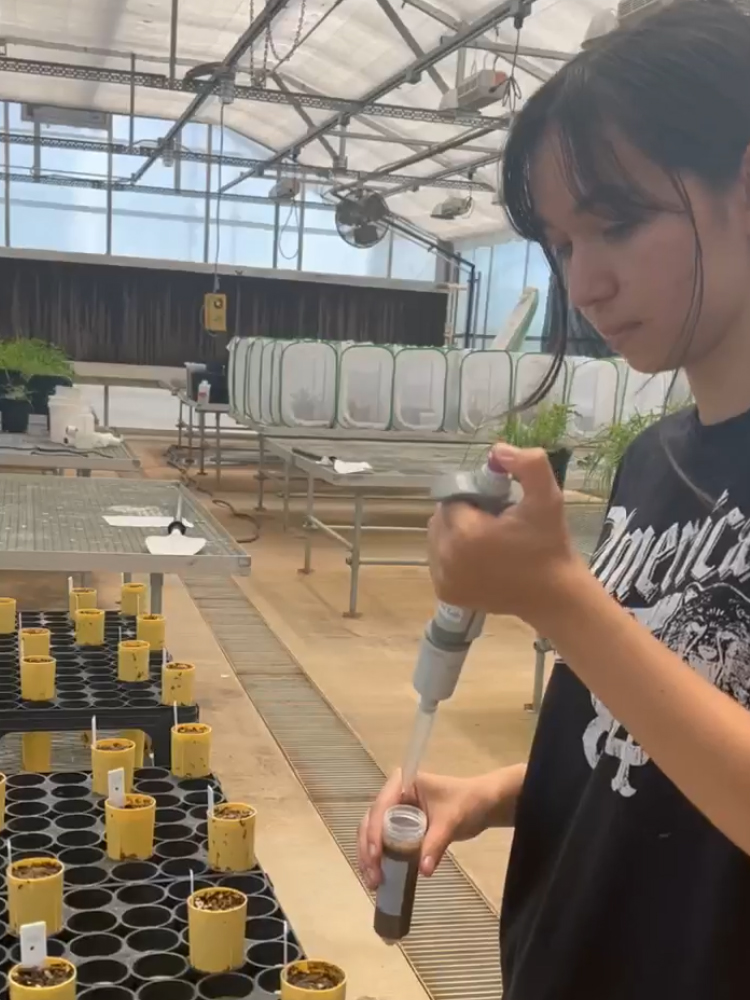
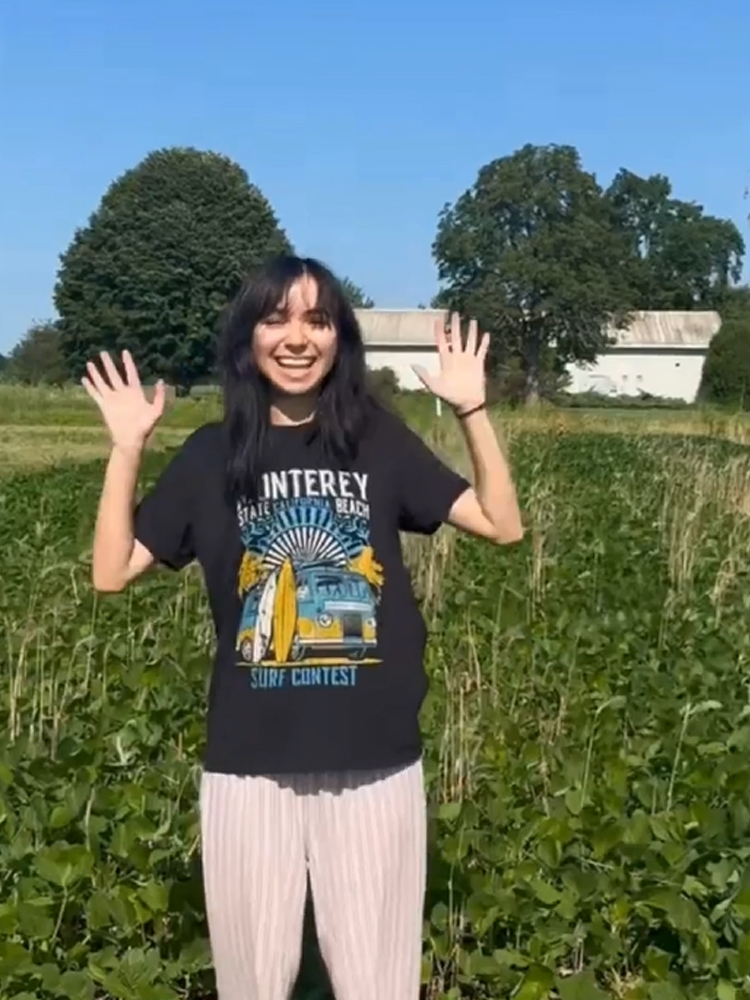
| Stephanie Strazzi in the field | Ann Levarity in the lab |
As a designated National Science Foundation Long-Term Ecological Research (LTER) site since 1987, KBS broadly supports a variety of studies by both residents and visiting researchers that focus on fundamental ecology and evolution topics, and how to best apply these insights to address human needs.
Thanks to generous funding from the WLW-ECOS Summer Externship Program and coordinated by Florida Atlantic University’s School of Environmental, Coastal, and Ocean Sustainability, both Charles E. Schmidt College of Science students enjoyed an educational and unforgettable summer in the Midwest.
 Levarity dove into the summer program and launched a new study to track the flowering time and growth of the plant Arabidopsis thaliana, commonly known as thale cress. While this small plant in the mustard family has become the model system of choice for plant biology research, Levarity is believed to be the first to chart its complete flowering cycle.
“No researchers have ever tracked the full duration of flowering in these plants,” stated Levarity. “Other studies have only looked at the start of flowering period or the genes that cause flowering to occur.”
Strazzi designed – and continues to maintain – her own experiment at Florida Atlantic. In a controlled greenhouse setting with 216 clover plants, she examined whether the mutualistic relationship between rhizobia – a nitrogen-fixing bacteria – and legumes persist under long-term tillage and nitrogen fertilization. Her findings showed that both tillage and nitrogen addition weaken this mutualistic interaction, which is concerning since nitrogen fixation is essential to the nitrogen cycle.
“Modern agriculture in the United States uses nitrogen fertilization and tillage as integral components of farming,” said Strazzi. “Both practices disrupt the nitrogen cycle, which we need to survive. It would be beneficial for the planet if more farmers started implementing alternative practices to stop the degradation of soil microbiomes. For example, legume cover crops, such as clover, are a natural alternative to synthetic fertilizers, which increase soil nitrogen levels by converting atmospheric nitrogen into ammonia.”
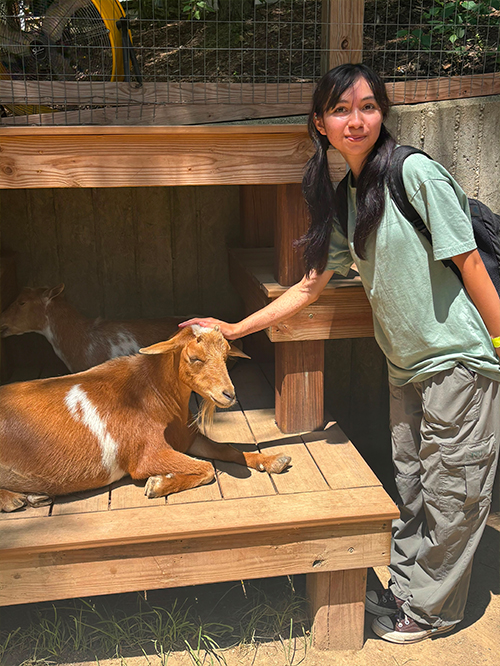
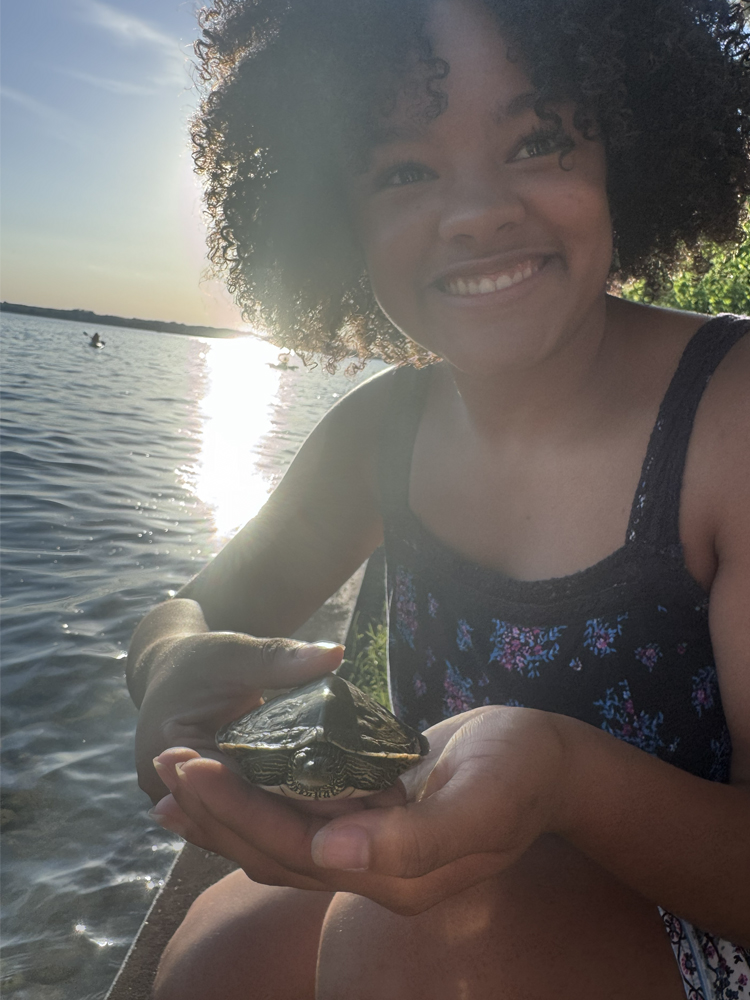
In their free time, both enjoyed catching and releasing frogs and turtles in the evenings after dinner. During a day trip to Lake Michigan, they spent hours searching for fossils and were delighted to discover interesting coral specimens. They also visited the on-site bird sanctuary and explored local farms, rounding out their experience with unique opportunities to connect with nature and the local community.
Both students highly recommend the experience and strongly encourage other undergraduates to try a summer externship for themselves.
“Every day at KBS was an adventure. It was truly the best summer of my life,” shared Strazzi. “I am extremely grateful for this WLW-ECOS opportunity. The experience was a tremendous benefit for my career. I learned something new every day that will help me in the future, and I gained a new perspective on what’s possible. The financial support is also a huge help as I pay for my undergraduate degree myself.”
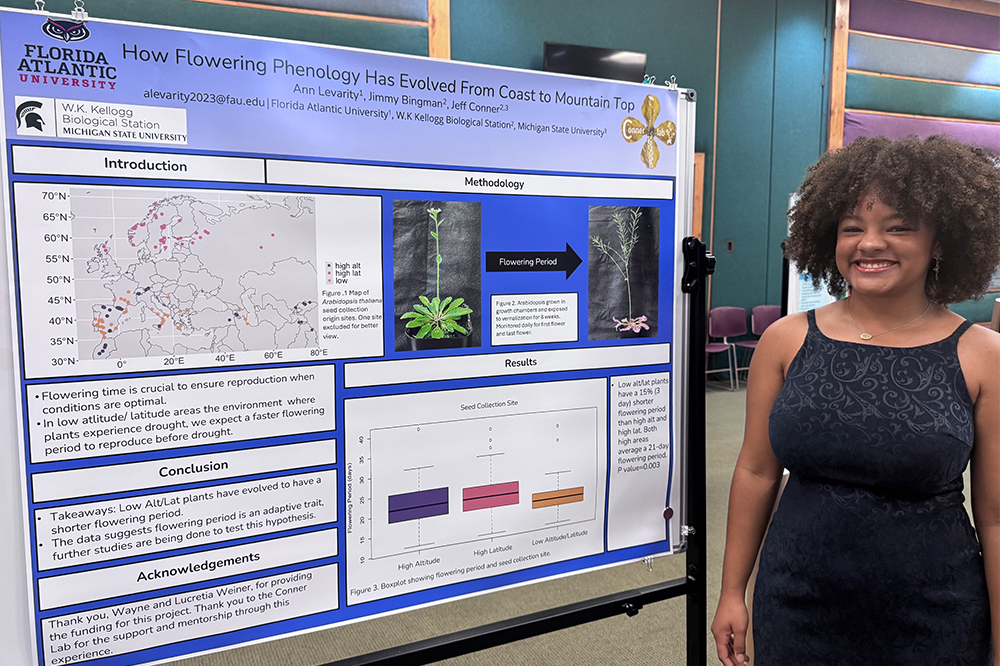
“My summer in Michigan was genuinely life-changing,” expressed Levarity. “Having grown up in Florida, I had never lived anywhere else. The opportunity allowed me to meet incredible people and form lasting connections. I also discovered new science topics I might not have explored otherwise. My project proved that I am capable of conducting research, and it further strengthened my desire to pursue graduate studies in conservation.”
The WLW-ECOS Summer Externship provides Schmidt College of Science undergraduate students with immersive summer research experiences at prestigious marine and environmental research institutions across the United States. The fully-funded externship program covers stipends, travel, room, and board to enable students to work alongside leading researchers and gain exposure to advanced environmental science.
To learn more about WLW-ECOS summer externships, click here.
|
|
|
|
| Ann Levarity |
Stephanie Strazzi |
||