NEUROSCIENCE GRADUATE PROGRAM TRAINEES (NGP)
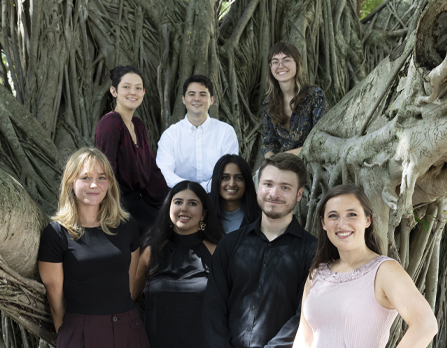 Institute Neuroscience Graduate Trainees (NGP) 2024 Left to Right: Mason Martin, Dhara Patel, Hannah Murphy, Aidan McDonald, Belle Origlio, Kaylee Nott, Gabriella Smith, and Kat Sankey
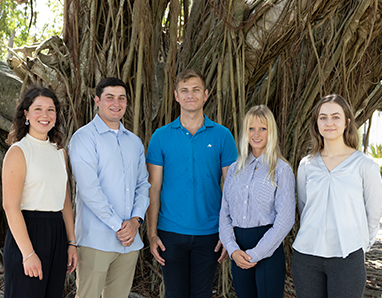 Institute Neuroscience Graduate Trainees (NGP) 2023 Left to Right: Belle Krubitski, Tyler Sarovich, Andy Crider, Alina Dreps, and Tessa Dallo
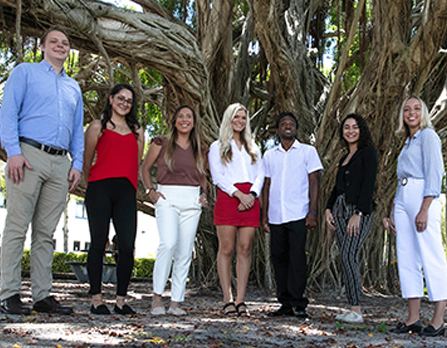 Institute Neuroscience Graduate Trainees (NGP) 2022 Daniel Van Zant, Alejandra Quintero, Claudia Alvarez/2021, Kayleigh Biegler, Ty Roachford, Luiza Sao Pedro Romero, and Valorie Wiseman
 Neuroscience Graduate Program Cohort – 2024 Ice Cream Social Left Around Table: Tyler Sarovich, Belle Origlio, Kaylee Nott, Dhara Patel, Hannah Murphy, Gabriella Smith, Kat Sankey, Mason Martin, Ty Roachford, Daniel van Zant, Aidan McDonald, Andy Crider, and Belle Krubitski
Standing: Luiza Sao Pedro Romero, Kayleigh Biegler, Valorie Wiseman, Alejandra Quintero, Claudia Alvarez, Dr. Randy Blakely, and Dr. Kathleen Guthrie
INSTITUTE NEUROSCIENCE GRADUATE PROGRAM TRAINEES (NGP)
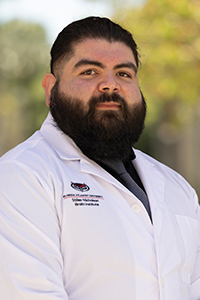
Entered: Neuroscience Graduate Program NGP 2025
Mentor:
Lab Rotation: Alan Kersten, Ph.D.
Thesis Topic: TBD
B.S. Psychology/Behavior Analysis, University of Florida
"During my undergraduate program, I had the opportunity to conduct research at the University of Florida Center for Autism and Neurodevelopment exploring sociability in children with autism spectrum disorder. Our team examined how feeding interventions influenced children's behavioral responses and interaction patterns, challenging the notion that certain behaviors are inherent symptoms rather than conditioned outcomes.
My overall goal is to investigate how cultural and environmental systems influence brain development, behavior, and the emergence of chronic health conditions such as addiction, depression, and diabetes. At the core of this pursuit is the desire to understand the underlying influences of behavior and decision-making, and how they are shaped, reinforced, and sustained within complex systems over time. More broadly, I aim to bridge the realms of neuroscience and behavior analysis, and contribute to the growing effort in understanding the nature of consciousness, not just as a neurobiological phenomenon, but as an emergent property of dynamically interacting systems that extend beyond the individual brain.
I was drawn to the NGP at FAU because of its commitment to integrative, cutting-edge research and the opportunity to engage with diverse perspectives across disciplines. In particular, the program’s lab rotations stood out as a valuable opportunity to move beyond my immediate area of expertise and explore adjacent fields within the broader neuroscience landscape, fostering a deeper synthesis of methodologies, techniques, and theoretical approaches. The program’s stellar faculty, along with its strong partnership with the Max Planck Florida Institute for Neuroscience, were also especially compelling, offering a rich environment for bridging approaches to better understand the brain, mind, and behavior."

Entered: Neuroscience Graduate Program NGP 2025
Mentor: Unassigned
Lab Rotation: Randy D. Blakley, Ph.D.
Thesis Topic: TBD
B.S. Psychology/Neuroscience/Biology Honors College, Coastal Carolina University
"I majored in Psychology at Coastal Carolina University with a concentration in Behavioral Neuroscience and a minor in Biology. While I was there, I did research with Dr. Ryan Yoder on the effect of temporary anoxia/hypoxia on juvenile leopard geckos in ovo and worked to create a brain atlas for the geckos. In the future I hope to do research on the intersection of neuroscience and immunology. I chose FAU because of the diverse research being done and the amazing opportunities available to students that I can't wait to be a part of!"

Entered: Neuroscience Graduate Program NGP 2025
Mentor: Unassigned
Lab Rotation: Srinivasa Subramaniam, Ph.D.
Thesis Topic: TBD
M.S. Microbiology & Cell Science / Medical Microbiology & Biochemistry, University of Florida,
Gainesville
B.S. Biomedical Sciences/Biotechnology/Psychology, University of Central Florida, Orlando
"I majored in Biomedical Sciences and Biotechnology with a minor in Psychology. My overall goal is to investigate the molecular and cellular mechanisms of neurodegenerative diseases and contribute to the development of innovative, patient-centered therapies. In my undergraduate program, I worked in an applied industrial microbiology lab studying Acetobacter contamination in beer tap lines, which strengthened my foundation in experimental design and data analysis.
After completing my undergraduate studies, I earned a Master’s degree in Microbiology and Cell Science at the University of Florida. There, I conducted a literature review focused on microbial infections as a potential risk factor for Parkinson’s disease, deepening my interest in neurodegeneration and disease pathogenesis.
My role as a Clinical Research Coordinator at the Parkinson’s Disease and Movement Disorders Center in Boca Raton has provided me with hands-on experience conducting Phase I–IV clinical research trials focused on investigational therapies for patients with Parkinson’s disease and related movement disorders. This position has allowed me to engage closely with patients and contribute directly to research that evaluates the safety and efficacy of emerging therapies. Witnessing the real-world impact of these studies has deepened my understanding of the urgent need for innovative treatments and strengthened my commitment to advancing therapeutic research in neurodegenerative diseases.
I was drawn to the NGP because of its interdisciplinary training and the opportunity to work with faculty conducting cutting-edge research. I learned about the program while researching graduate programs known for their strong focus on neurodegenerative disease research and innovative therapeutic development. The program’s faculty publications and the impactful work showcased on the university’s website highlighted a collaborative and dynamic research environment that perfectly aligns with my academic and professional goals of further understanding neurodegenerative diseases."
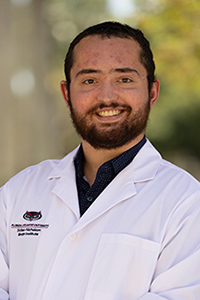
Entered: Neuroscience Graduate Program NGP 2025
Mentor: Unassigned
Lab Rotation: Rodrigo Pena, Ph.D.
Thesis Topic: TBD
B.S. Neuroscience, University of St. Andrews, Scotland, United Kingdom
"I majored in neuroscience at The University of St Andrews in Scotland. My overall goal is to perform theoretical work at the intersection of computational neuroscience and philosophy to help solve problems in the alignment of artificial intelligence with human values. In my undergraduate program, I worked in a research lab which used immunohistochemistry and behavioral techniques to study adult neurogenesis and memory in mice, though I specifically utilized those techniques to study the effects of environmental enrichment on indicators of anxiety in mice. These ideas intrigued me due to their implications in how influential the environment is in shaping the development of emotional processes, which could be relevant to creating embodied artificial agents that can adapt to the environment along similar lines.
I was drawn to the NGP because of the variety of cutting-edge techniques one can learn and projects one can undertake, and the access to research settings that share my focus on solving some of the most important problems of the future, such as navigating the moral and philosophical problems that come with the development of potentially conscious artificial general intelligence. The Center for the Future Mind was a very exciting example of this to me. The interdisciplinary focus of the program made it stand out as well, particularly the intersection between philosophical questions surrounding machine consciousness and theoretical neuroscience approaches to understanding AI from an algorithmic perspective."
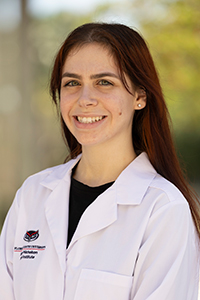
Entered: Neuroscience Graduate Program NGP 2025
Mentor: Unassigned
Lab Rotation: William Alexander, Ph.D.
Thesis Topic: TBD
B.A. Health Science, Behavioral & Mental Health, Florida Atlantic University
"I majored in Health Science with a concentration in Behavioral and Mental Health. Throughout my degree, most of my research was in mathematics, including work in AI and cryptography. These experiences sparked my interest in applying formal systems to explore questions about the mind.
My long-term goal is to use mathematical modeling to better understand how we think, bridging the gap between biological mechanisms and behavioral outcomes. I was drawn to the NGP because its computational neuroscience track closely aligns with this goal, offering the opportunity to study complex systems involving neural activity, cognition, and behavior."
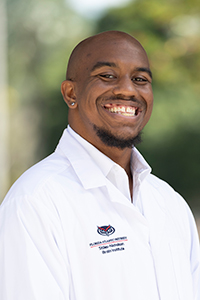
Entered: Neuroscience Graduate Program NGP 2025
Mentor: Unassigned
Lab Rotation: Tanja Godenschwege, Ph.D.
Thesis Topic: TBD
B.S. Neuroscience, minor in Chemistry and LGBTQ+ Studies, University of Miami
Diversity in Science ~ Michael earned the McKnight Doctoral Fellowship! This fellowship was created for students pursing doctorate degrees at Florida universities to build equity, diversity and inclusion for under representation of African American and Hispanic populations for those in pursuit of a career in research and teaching at a college or university level.
"During my undergraduate studies, I majored in Neuroscience at the University of Miami, where I developed a strong interest in how both biological mechanisms and social experiences influence brain health, particularly in marginalized communities. As a research assistant in Dr. Sannisha Dale’s SHINE Lab, I supported projects examining how microaggressions, stigma, and systemic discrimination affect mental and physical health outcomes in Black women living with HIV. Through this work, I gained valuable experience in behavioral assessments, survey data collection, and applying trauma-informed, intersectional research frameworks. I also served as a NIH-funded Summer Undergraduate Research Fellow in Dr. Helen Bramlett’s lab at The Miami Project to Cure Paralysis, where I investigated the role of Gasdermin D knockout in reducing neuroinflammation after traumatic brain injury. In this role, I developed technical skills in tissue processing, histology, microscopy, and the analysis of inflammatory markers in mouse models.
I was drawn to the NGP because of its interdisciplinary focus, collaborative training environment, and opportunities to rotate through labs at institutions like Max Planck and UF Scripps, which are conducting cutting-edge neuroscience research across multiple levels of analysis. I am also deeply inspired by the program’s commitment to community engagement through initiatives like MobileMinds, which brings neuroscience education to Title I schools and underserved communities across South Florida. This blend of rigorous research and public outreach strongly aligns with my goal of becoming a professor dedicated to advancing health equity and making neuroscience more accessible to all."
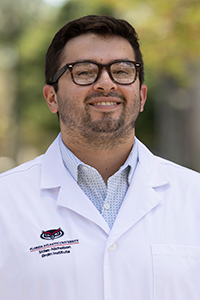
Entered: Neuroscience Graduate Program NGP 2025
Mentor: Unassigned
Lab Rotation: Dr. Behnaz Ghoraani
Thesis Topic: TBD
B.S. Neuroscience, Baylor University, Waco, Texas
"At Baylor University, I earned a bachelor’s degree in Neuroscience. I was drawn to the interdisciplinary nature of the field and knew early on that I wanted to pursue further education with the ultimate goal of helping individuals with neurological disorders. During my time at Baylor, my initial exposure to research came through a clinical project that assessed the effects of live musical performances as an alternative therapy for depression and agitation in older adults with dementia. After graduation, I became the lab manager for Dr. Tracy Centanni’s GAPP Lab at the University of Florida, supporting projects involving neuroimaging (EEG) and interventions for communication disorders. A central part of my role involved collecting high-density EEG data on the perception and expectation of musical rhythms and tones, aiming to explore the shared neural resources involved in processing both reading and music.
Currently, my research interests focus on traumatic brain injuries and other neurodegenerative diseases. I hope to use my graduate studies and future career to investigate their causal factors as well as their functional and cognitive effects.
I was drawn to the NGP for its broad opportunities to explore neuroscience across multiple domains. I aspire to become a well-rounded scientist and to develop my skills across the various areas of emphasis within the program. The program’s structure, including first-year lab rotations and a wide range of coursework, offers the ideal environment for this growth."

Entered: Neuroscience Graduate Program NGP 2025
Mentor: Unassigned
Lab Rotation: Dr. Maré Cudic
Thesis Topic: TBD
B.S. Psychology, Arkansas State University
"I received my BS in Psychology with a minor in biology and a certificate of neuropsychological testing at Arkansas State University. During undergrad, I worked in two Laboratories: Dr. Lorin Neuman-Lee’s herpetological physiology lab, where I examined immunocompetency and hormone levels in a range of reptiles and Dr. Maureen Dolan and Mr. Shea Harris’s mentored NASA SPOCS team at A-State, which sent plastic biodegrading waxworms to the International Space Station. After undergrad, I began working in industry at a small biotech company doing gene therapy work on lysosomal storage disorders. Studying these neurodegenerative diseases helped fortify my resolve to work in neuro research.
My overall goal at FAU is to study the complex interplay of the Nervous system and the Immune system. I was drawn to FAU NGP because of the diverse research topics and supportive, collaborative mentors. I am excited to learn new techniques and form strong connections."
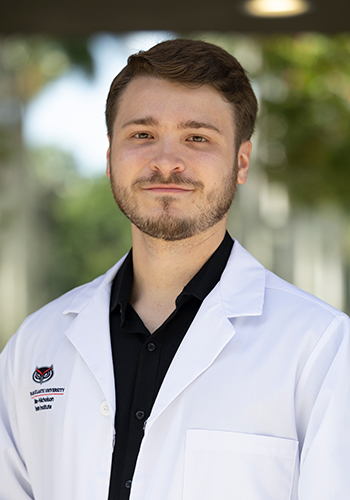
Entered: Neuroscience Graduate Program NGP 2024
Mentor: Lin Tian, Ph.D.
Thesis Topic: TBD
B.S. Biomedical Sciences/Neuroscience, University of Central Florida, Orlando
"I am researching the development and application of genetically encoded glutamate sensors in the labs of Dr. Lin Tian and Dr. Randy Blakely. In the Tian lab, I am using techniques in molecular and cellular biology to optimize a glutamate sensor for in vivo applications. I aim to use this sensor in the Blakely lab to investigate glutamate dynamics between neurons and astrocytes in mice, and how clearance is disrupted in a diseased state.
I majored in Biomedical Sciences at the University of Central Florida, where I studied oxidative stress in neural progenitor cells. After graduating from UCF, I joined Dr. Matthew Disney’s lab as a postbaccalaureate fellow at The Herbert Wertheim UF Scripps Institute, where I investigated chemical probing of a structured RNA in the SARS-CoV-2 genome.
I was attracted to FAU because of the breadth of Neuroscience research areas including molecular, behavioral, and computational labs. During my rotation in the Blakely lab, I conducted metabolic assays in c. elegans to explore the interplay between neurons and glia. In the Toll lab, I applied confocal microscopy and mouse behavior analysis to study IL-1 and its role in pain. My rotation in the Tian lab built on my experience in molecular biology to optimize a genetically encoded glutamate sensor."
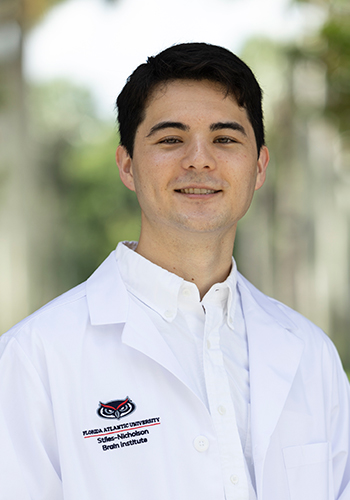
Entered: Neuroscience Graduate Program NGP 2024
Mentor: Gregg Fields, Ph.D.
Thesis Topic: TBD
B.S. Cell Biology, University of California Davis
"In the lab of Dr. Gregg Fields, I will be investigating the function of protease MT5-MMP and its products in Alzheimer's disease. We are also interested in using our cellular and mouse models to explore the role of MT5-MMP's binding partner HTRA1 in neurodegenerative disease.
Before I started in FAU's NGP, I studied as an undergraduate at UC Davis. I majored in cell biology and volunteered in Dr. Neil Hunter's lab to help study how homologous recombination is modulated during meiosis. After graduation, I worked as a research assistant in the lab of Dr. Fred Gage at the Salk Institute to support research characterizing the molecular signature of memory in the dentate gyrus. I wanted to continue investigating memory as well as its dysfunction in neurodegenerative disease in a PhD program.
I was attracted to the NGP program because of the fascinating research conducted by faculty in the program, the emphasis on mentoring, and the collaborative campus environment. In my first year, my rotations in the labs of Dr. Henriette van Praag, Dr. Vidhya Rangaraju, and Dr. Gregg Fields were all valuable and positive experiences."
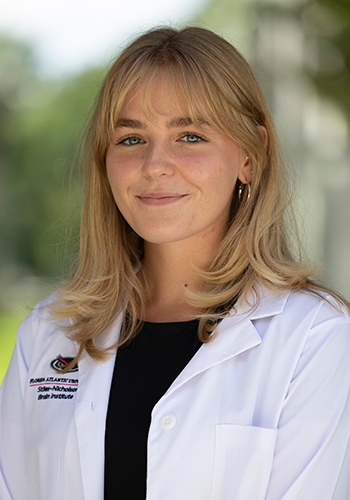
Entered: Neuroscience Graduate Program NGP 2024
Mentor: Laura Fontenas, Ph.D.
Thesis Topic: Peripheral glia interactions in debris clearance and nerve injury
M.S. Experimental Psychology, Nova Southeastern University
B.S. Psychology, University of Indianapolis
"After earning a B.S. in Psychology from the University of Indianapolis, I completed a M.S. in Experimental Psychology at Nova Southeastern University where I explored a SNP in the COMT gene and its associations with dopamine levels and stress. During this time, I worked in the lab of Dr. Jaime Tartar employing molecular biology methodologies to explore stress, inflammation, and cognitive function in human participants.
My interest in genetic model systems led me to join the lab of Dr. Laura Fontenas where I am now conducting research with the zebrafish model organism. Under her mentorship, I aim to further elucidate the mechanisms of nervous system development and repair by exploring peripheral glia interactions in debris clearance, an important cell-mediated process in nerve regeneration. I was fortunate to present my research thus far at the 2025 NeuroCollective Symposium in Jupiter, FL.
The interdisciplinary nature of the Neuroscience Graduate Program at FAU caught my attention, particularly its diverse yet collaborative community of high-caliber faculty and research. The ability to rotate with the labs of Dr. Stackman, Dr. Fontenas, and Dr. Pieraut during year one exposed me to a broad range of scientific topics and experimental approaches, all of which helped inform the direction of my own research."
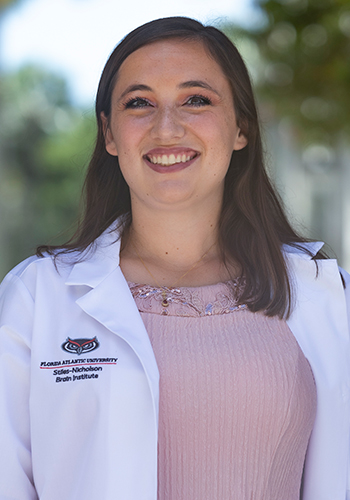
Entered: Neuroscience Graduate Program NGP 2024
Mentor: Irem Korucu, Ph.D.
Thesis Topic: TBD
B.S. Biology/Chemistry, University of Charleston, West Virginia
"I’m currently conducting research in Dr. Irem Koruku’s lab, where we are preparing to investigate how executive function develops in preschool-aged children using behavioral coding methods. The lab focuses on how environmental and contextual factors shape executive function. I’m particularly interested in how early cognitive skills—such as attention, self-control, and working memory—emerge and develop, especially in children facing challenges like ADHD, developmental delays, and educational inequalities.
I earned my bachelor’s degree in biology and chemistry from the University of Charleston. During that time, I worked with Dr. Julie Brefczynski-Lewis on pioneering brain imaging tools such as the Bedside PET Scanner and the PET Helmet. Our team helped demonstrate that portable neuroimaging could be a revolutionary development for clinical care, especially in remote or underserved areas. One highlight was contributing to the first-ever brain scan performed in a fully immersive virtual reality setting—an experience that showed me how innovation can break down barriers to healthcare access. Being from West Virginia, I’ve seen how limited educational resources and healthcare disparities impact children in rural communities. The state ranks low in child well-being indicators, with many families facing significant hurdles to obtaining quality care and early support. These experiences inspired me to focus my research on addressing these inequities, aiming to develop tools and knowledge that can make a real difference for the children who need it most.
I chose FAU’s Neuroscience Graduate Program because it offers a wide range of resources and encourages interdisciplinary collaboration. During my first year, I rotated through Dr. Teresa Wilcox’s lab, which studies mother-infant synchrony, and Dr. Nancy Jones’s lab, which focuses on emotional development in babies. These rotations helped clarify my research goals and confirmed my passion for developmental neuroscience with a strong societal impact.
Looking ahead, I hope my research contributes to identifying early markers of developmental challenges and designing interventions that improve outcomes for children facing these hurdles."
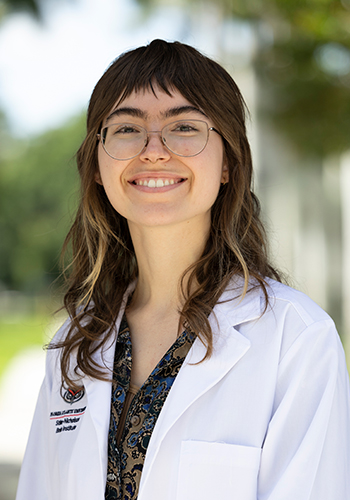
Entered: Neuroscience Graduate Program NGP 2024
Mentor: Nancy Jones, Ph.D.
Thesis topic: Infant EEG Patterns Over Development
BA Neuroscience, New College of Florida
"I am currently doing research under Dr. Nancy Jones looking at EEG and behavioral responses in children 6-24 months old. We are investigating reactions to novel stimuli and how these responses change over development. This work has the potential to uncover predictive measures of later anxiety, allowing early interventions to target children who will need more support.
I majored in Biopsychology/Neuroscience at New College of Florida. As an undergraduate, I investigated white matter pathways in cetaceans (dolphins and whales). By examining the brains of multiple cetacean species, patterns between observable social behaviors and the underlying neural connectivity supporting them can be revealed, allowing us to better understand the neural bases of social complexity.
The neuroscience program at FAU appealed to me because of its thoroughly interdisciplinary nature. I was attracted by the collaborative environment and access to faculty and resources across multiple interconnected disciplines of neuroscience. In my first year I rotated in the labs of Dr. Alan Kersten, Dr. Erik Duboue, and Dr. Nancy Jones. This allowed me to explore my interests from different perspectives before choosing the lab I will complete my dissertation in."
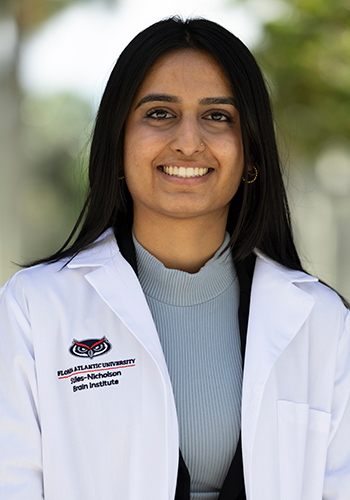
Entered: Neuroscience Graduate Program NGP 2024
Mentor: Gregg Fields, Ph.D.
Thesis Topic: TBD
B.S. Psychology / Biology, East Tennessee State University
"I am pursuing my research under the mentorship of Dr. Gregg Fields, focusing on the enzyme profile of MT5-MMP (Membrane-Type 5 Matrix Metalloproteinase), identifying its potential substrates to map their cleavage sites, and examining how post-translational modifications affect enzymatic activity. Through this research, I am aiming to provide insights into the functional role of MT5-MMP in the Amyloid-η (Aη) pathway, which has been implicated in the early stages of Alzheimer’s disease.
I received a B.S. in Psychology at East Tennessee State University where I had the opportunity to conduct research in Dr. Jerry Deehan's Addictions of Pharmacology lab on various projects relating to adolescent alcohol use disorder, flavored conditioned cues associated with alcohol in adulthood, associative learning model, and overall behavioral neuropharmacology. My current research focus pertains to the molecular and cellular aspect of neurodegenerative diseases, particularly Alzheimer's disease by manipulating glial cells.
I was attracted to the NGP at FAU due to its connections with Max Planck Florida Institute for Neuroscience, allowing exemplary resources that could benefit students. I had the privilege of rotating in the labs of Dr. Gregg Fields, Dr. Ning Quan, and Dr. Sarah Stern. There are a vast number of neuroscience researchers within the NGP and MPFI that utilize the interdisciplinary and collaborative approach to science, which encouraged me apply and join the program."
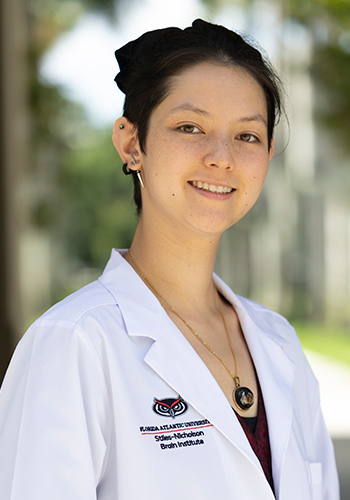
Entered: Neuroscience Graduate Program NGP 2024
Mentor: Tanja Godenschwege, Ph.D.
Thesis Topic: TBD
B.S. Behavioral Neuroscience/ Psychology, Florida International University
"Under the guidance of Dr. Tanja Godenschwege, I will be investigating the role of Attractin (ATRN), a transmembrane protein involved in endolysosomal degradation of inhibitory G-protein coupled receptors (GPCRs), within the insulin signaling pathway in Drosophila. Dysregulation of this critical pathway, which governs metabolism and stress responses, can contribute to the pathogenesis of various neurodegenerative diseases.
I earned my degree in Behavioral Neuroscience at Florida International University, where I conducted behavioral experiments involving odor-sequence memory tasks in rats as well as investigated autophagy within manganese treated primary astrocytes and microglia. This sparked my interest in the cellular and molecular pathways underlying neurodegenerative diseases.
I chose FAU’s Neuroscience Graduate Program (NGP) for its collaborative environment with Max Planck Institute and Scripps which provides a multidisciplinary research opportunities and a strong scientific community. I rotated with Dr. Erik Duboue, Dr. Tanja Godenschwege, and Dr. Ning Quan where I gained a more comprehensive understanding of the interconnected systems supporting the brain."
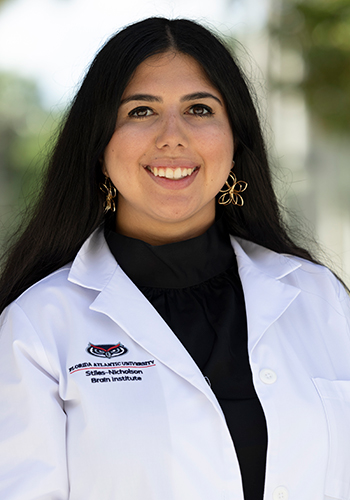
Entered: Neuroscience Graduate Program NGP 2024
Mentor: Randy D. Blakely, Ph.D.
Thesis Topic: TBD
B.S. Neuroscience, Indiana University Bloomington
"I am currently pursuing my research in Dr. Randy Blakely’s lab. I am investigating the cellular and molecular mechanisms underlying a rare dopamine transporter mutation, DATVal599. This rare mutation was identified in humans who were diagnosed with ASD, Bipolar disorder, and ADHD, inspiring the lab to develop a DATVal599 knock-in mouse model. My research aims to use both in vivo and in vitro approaches on this model to advance further pharmacological and behavioral therapies for disorders characterized by dysregulated dopamine homeostasis.
I received my B.S. in neuroscience at Indiana University. During my undergraduate degree, I completed an honors thesis that studied the role of endocannabinoid signaling in the cerebellum. Specifically, how reduced DAGLA in the cerebellum can result in ASD phenotypes.
I was drawn to the NGP at FAU because of the wide variety of cutting-edge research conducted across multiple institutions. I appreciate the opportunity to conduct rotations across three different labs to find the best lab to suit me. Many of the labs in the NGP align with my research interests and use techniques that I am eager to perform."

Entered: Neuroscience Graduate Program NGP 2023
Mentor: Ning Quan, Ph.D.
Thesis Topic: TBD
MS Neuroscience, Tulane University
BS Neuroscience/Cognitive-Computational, Ohio State University
“I am pursuing my research with Dr. Ning Quan, investigating the role of IL-1 in the progression of psychopathic and neurodegenerative disorders, and how its modification affects cell survival. I will be helping to achieve these goals using state of the art transgenic mouse models, IHC and behavioral tests. I am currently working to develop my thesis project, collecting data on a familial Alzheimer’s model.
My goal is to improve the understanding of neurodegenerative disease progression by studying the brain's immune response. I obtained my undergraduate degree in neuroscience from Ohio State University, where I actively participated in research projects within Andy Fischer's lab, specifically focusing on retinal regeneration. During my time in the lab, I was deeply involved in projects centered around investigating cell fate changes and proliferation.
Furthermore, I successfully completed Tulane University's esteemed Neuroscience Master’s program. During my time there, I had the privilege of collaborating with Dr. Rebecca Solch-Ottaiano on her studies exploring the intricate relationship between diet, the resulting microbiome, and cognitive function to identify risk factors for Alzheimer's disease.
My interest in the Neuroscience Graduate Program (NGP) was sparked during my master’s program at Tulane, as my advisors highly recommended it. The program further captured my attention due to its emphasis on students' growth through rotations and the vibrant collaborative environment fostered by the faculty and fellow students, as I experienced during my visit. I was able to rotate in three labs in my first year with Dr. Ning Quan, Dr. Randy Blakely, and Dr. Greg Macleod. I learned not only of the highly cooperative space that FAU fosters through joint lab grants, but also dopaminergic and serotonergic functional/developmental interplay in Dr. Blakely’s Lab, the function of calcium and mitochondria in fundamental neuroscience using a drosophila model with Dr. Macleod, and the intersection of the central and peripheral immune system in mice with Dr. Quan’s lab.”
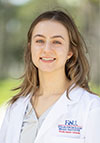
Entered: Neuroscience Graduate Program NGP 2023
Mentor: Laura Fontenas, Ph.D.
Thesis Topic: TBD
BS Biochemistry/Psychology, University of New Mexico, Albuquerque

"I am currently pursuing my research with Dr. Laura Fontenas. Using zebrafish as a model organism, I am investigating glial migration at the interface of the central nervous system and peripheral nervous system to elucidate potential demyelinating pathologies and gain a better understanding of myelination mechanisms. Studying glia fascinates me, as they are not well understood, but are implicated in numerous neuropathologies. Specifically, my motivation lies in exploring the medical applications of glia and neuroscience, delving into therapeutic interventions for neurodegenerative diseases.
I graduated from the University of New Mexico with a BS in Biochemistry and a minor in Psychology. As an undergraduate and then as a post-baccalaureate, I worked as a research technologist in the labs of Drs. Anne Ruffing and Chuck Smallwood at Sandia National Laboratories. Here, I used genetic engineering and machine learning based approaches to study and develop energy efficient biofuels.
FAU's NGP excited me because of the compelling research on its campuses, and I knew I wanted to join an interdisciplinary program with lab rotations. In my first year of the NGP, I rotated in the labs of Dr. Gregg Fields, Dr. Randy Blakely, and Dr. Laura Fontenas. In particular, the NGP stood out for its highly collaborative campus located within a growing neuroscience hub.”

Entered: Neuroscience Graduate Program NGP 2023
Mentor: Patrick Grant, Ph.D.
Thesis Topic: TBD
BA Biology/Spanish, Eckerd College, St. Petersburg, FL
"I am pursuing my research in Dr. Patrick Grant's lab in the College of Medicine.
This research is focused on studying the epigenetic mechanism that underlies Sex differences in Addiction as well as looking at how exercise can prevent relapse in Addiction via epigenetic mechanisms.
As an Undergraduate, I majored in Biology and conducted research at Eckerd College. I worked with the model organism Caenorhabditis elegans to study different compounds and their ability to ameliorate Alzheimer's pathology. I am particularly interested in studying Neurological Disorders such as Addiction and how factors such as diet, sex, and exercise influence the propagation of such pathologies. My ultimate goal is to provide knowledge that could create new therapeutic outlets for people struggling with Addiction.
I was attracted to the Ph.D. Neuroscience program at FAU because of its multidisciplinary approach, the opportunity to collaborate with institutions such as Max Planck, and the ability to conduct research rotations during the first year, where I gained crucial and very insightful experience rotating in the labs of Dr. Randy Blakely, Dr. Patrick Grant and Dr. Henriette Van Praag.”

Entered: Neuroscience Graduate Program NGP 2023
Mentor: Rodrigo Pena, Ph.D.
Thesis Topic: TBD
BS Cell & Molecular Neuroscience, Florida State University
”As an undergraduate, I majored in Cell and Molecular Neuroscience at Florida State University. During my time there, I assisted with several different research projects. The first project was looking into the effects that the parietal cortex and anterior thalamic nuclei have on connecting egocentric action to allocentric orientation toward a goal location in the environment. In the same lab, I assisted as well with looking at the coordination and memory of Alzheimer's versus sham rats. My interests include neurodegenerative diseases such as Alzheimer's and Parkinson's, sleep and memory, and machine learning.
The Ph.D. Neuroscience program at FAU attracted me with its outstanding faculty, cutting-edge research, and collaboration with the Max Planck Institute. I was particularly excited about the opportunity to rotate through different labs and learn new techniques during my first year in the program. I had the pleasure of rotating with Dr. Elan Barenholtz, Dr. Rodrigo Pena, and Dr. William Hahn, each of whom provided valuable insights and guidance.
"I am now pursuing my research with Dr. Rodrigo Pena, focusing on modeling the interplay between hippocampal place cells, parvalbumin interneurons, and theta and gamma rhythms which are responsible for encoding and retrieval of spatial memories, and enhancing plasticity within the hippocampus, respectively. Understanding the role of place cells has far-reaching implications, including developing novel strategies for treating neurological disorders affecting spatial navigation and memory, such as Alzheimer's Disease and age-related cognitive decline.
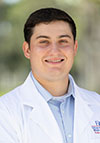
Entered: Neuroscience Graduate Program NGP 2023
Mentor: Jenny Wei, Ph.D.
Thesis Topic: TBD
Membership Coordinator Neuroscience Student Organization
BS Behavioral Neuroscience, University of Kansas
“Under the mentorship of Dr. Jianning Wei, I will be elucidating the molecular pathogenesis of Huntington's Disease. The goal of my research is to aid in the discovery of therapeutic targets and translate scientific insights into clinical applications to benefit patient outcomes. We aim to do so by using human-induced pluripotent stem cells (hIPSCs) as a model to investigate deviations in protein translation and synthesis of this complex disease.
I received my BS in Behavioral Neuroscience from The University of Kansas. Throughout this time, I had the privilege to work in the laboratory of Dr. Zijun Wang, on a variety of projects relating to drug addiction and substance use disorder. Employing a wide range of neuroscience techniques such as whole brain imaging, microscopy, behavioral paradigms, and biochemical assays our work focused on discovering novel therapeutic targets for Opioid Substance Use Disorder. My current research interests are centered on the molecular mechanisms underlying neurodegenerative diseases, particularly Huntington’s disease; a rare, but fatal neurodegenerative disease comprised of progressive degeneration of Medium Spiny Neurons in the Basal Ganglia.
I was attracted to the NGP at FAU because of its unique partnership with Max Planck as well as the ability to conduct research rotations during the first year with Dr. Greg Macleod, Dr. Alan Kersten, and Dr. Jianning Wei. During these rotations I was able to gain first-hand experience of lab environments and mentorship style in addition to learning a variety of techniques such as Calcium Imaging, Biochemical Assays, and Next Generation Sequencing.
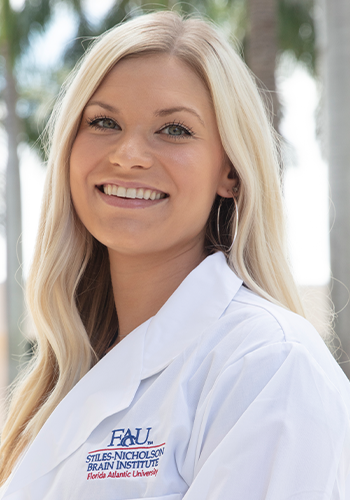
Entered: Neuroscience Graduate Program NGP 2022
Mentor: Patrick Grant, Ph.D.
Thesis Topic: The Epigenetic Mechanism Behind Chemotherapy Resistance in Glioblastoma Multiforme
B.S. Biology, Eckerd College, St. Petersburg, FL
Completed the prestigious course at Cold Spring Harbor Laboratory in New York on Chromatin, Epigenetics & Gene Expression. Selected from a highly competitive pool of applicants worldwide, for one of 16 coveted spots available for students, postdocs, and principal investigators at the 3-week summer 2024 course. Kayleigh is a NGP student researcher in the Department of Biomedical Science in the lab of Dr. Patrick Grant. We are very proud that Kayleigh earned a spot in this course and gained exposure to so many leading experts in gene expressions and chromatin biology. She can now apply these methodologies to her research on the epigenetics of chemotherapy resistance in glioblastoma. Kayleigh received a FAU Student Travel Award to help cover the costs of attending this course.
"I am pursuing my research in Dr. Patrick Grant’s lab in the College of Medicine. Using yeast and human cells, I am investigating the epigenetic mechanisms of resistance to chemotherapy in glioblastomas. As an Undergraduate, I majored in Molecular Biology with a minor in Marine Science and conducted research at Eckerd College and the University of Iowa. I used the model genetic organism, Caenorhabditis elegans, to investigate signal transduction and pathology. My interests ranged, including stem cell research, addiction, and brain cancer.
I was attracted to the Ph.D. Neuroscience Program because of their multidisciplinary approach. My lab rotations included working with Dr. Patrick Grant, Dr. Randy D. Blakely, and Dr. Andy Khamoui. Since I was interested in several different branches of neuroscience, having the opportunity to have a lab rotation within each interest helped me find my specific path in neuroscience for my dissertation work. I am honored to have the opportunity to work with so many resources from several institutes, such as the Brain Institute and Max Planck."
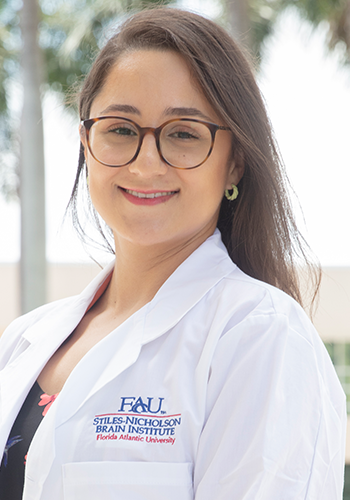
Entered: Neuroscience Graduate Program NGP 2022
Mentor: Cheryl Krause-Parello, Ph.D.
Thesis Topic: TBD
B.S. Behavioral Neuroscience/Psychology, Nova Southeastern University, Fort Lauderdale, FL
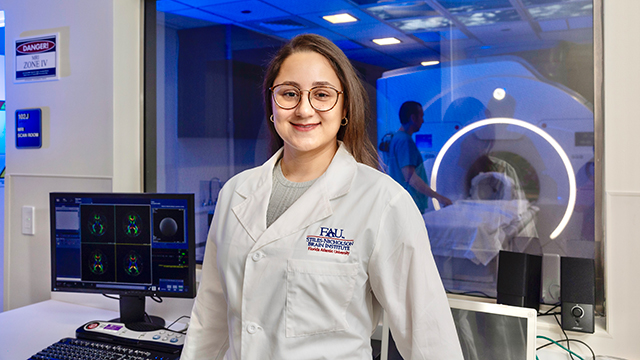
"I am investigating the cognitive and psychosocial symptomatology associated with long COVID. The objective of my research is to determine the potential therapeutic benefits of photo biomodulation in alleviating symptoms within these domains for long COVID patients, under the mentorship of Dr. Chad Forbes.
During my first year in the NGP I was given the opportunity to rotate with Dr. Julie Pilitsis, Dr. Henriette van Praag, and Dr. Carmen Varela. The lab rotations offered through the neuroscience graduate program (NGP) presented the opportunity to explore various research domains, assisting me in selecting the lab where I am currently conducting my studies with Dr. Forbes. As an undergraduate, I majored in Behavioral Neuroscience with a minor in Psychology at Nova Southeastern University. During that time, I worked on a research project aimed to investigate neural and behavioral differences in executive function between bilinguals and monolinguals as well as reveal the relationship between inhibition and linguistic balance.
I was attracted to the Ph.D. Neuroscience program not only because of its cross-disciplinary nature but also due to the unique two-way partnership between FAU and Max Planck. Through NGP I look forward to collaborating across different areas of research and becoming involved in the numerous community outreach programs available through this institution."
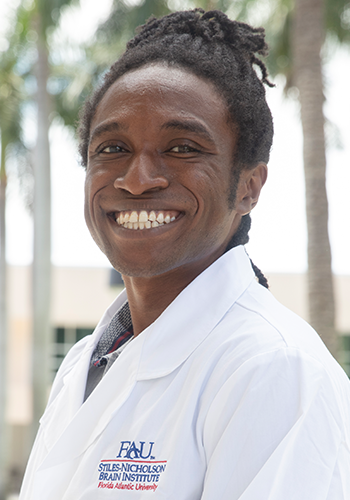
Entered: Neuroscience Graduate Program NGP 2022
Mentor: Rodrigo Pena, Ph.D.
Thesis Topic: Investigating the functional implications of co-transmission
B.S. Behavioral Neuroscience/Psychology, Nova Southeastern University, Fort Lauderdale, FL
"Under the mentorship of Dr. Rodrigo Pena, I am developing a novel framework for creating computational models of neuronal bioenergetics to study the role of bioenergetics in influencing neural morphology and activity. The framework uses insights from neuroscience and thermodynamics to organize existing computational models into a single cell model that accurately reflects bioenergetic constraints. This framework will be used to understand how bioenergetic dysfunction leads to cognitive and neurodegenerative disorders like Alzheimer’s, Parkinson’s and Huntington’s.
More generally, I am interested in the problem of “Open-Ended Evolution”, that is, how to create a computer program that, like our universe, starts simple and grows indefinitely complex. Towards that end I use constructor theory to create thermodynamic models of evolutionary processes to gain insight into the precise physical requirements for open-ended evolution.”
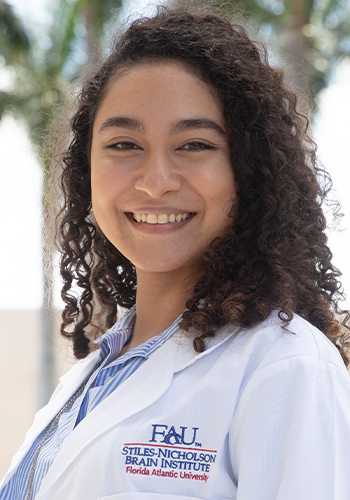
Entered: Neuroscience Graduate Program NGP 2022
Mentor: Wen Shen, Ph.D.
Thesis Topic: Different Cell Types and Functional Relevance of a Novel Subgroup of Retinal Ganglion Cells
B.S. Neuroscience & Behavior, Florida Atlantic University
"I was excited that I was able to experience three different labs in my rotations with Dr. Wen Shen, Dr. Jang (John) Wu, and Dr. Howard Prentice in my first year in the NGP. I am particularly interested in Neurophysiology, which studies the nervous system function. To be more specific, I am fascinated with studying synapses, which assist in neural communication, and neuroplasticity, concerning the change or reorganization of neural networks. I am also interested in the morphology of neurons, connecting their function to how they are structured. Currently, I am being mentored by Dr. Wen Shen while researching neurons in the mouse retina. Dr. Shen has been assisting me on using electrophysiology techniques, such as voltage clamp and patch-clamp, to study these retinal cells. My goal is to study the neural mechanism of a new subtype of neurons in the mouse retina that expresses the receptor tyrosine kinase by using Cre techniques and intravitreal injections of AAV-GFP to differentiate neuron morphology and different drugs to identify their function and synaptic activity.
I was attracted to the Ph.D. Neuroscience programs because of the ability to have lab rotations. I believe that with these rotations I will gain a lot of research experience and be able to learn new techniques that might assist in my research. In addition to that, I am excited to be part of the FAU Stiles-Nicholson Brain Institute community and participate in the growth of Neuroscience research. I hope you will consider being part of our program, and I am looking forward to the future neuroscientists that will join our community."
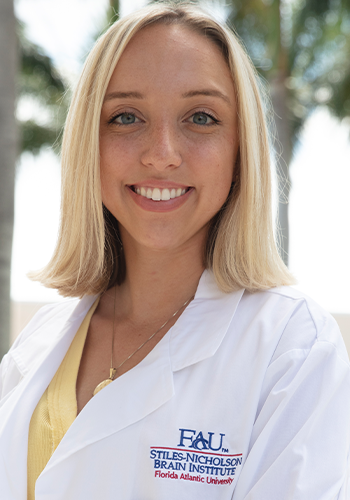
Entered: Neuroscience Graduate Program NGP 2022
Mentor: Sammy Hong, Ph.D.
Thesis Topic: Hemispheric Asymmetries in Working Memory and Attention When Processing Visual Crowding and Spatial Uncertainty
B.S. Neuroscience & Behavior/Minor Psychology, Florida Atlantic University
“I am researching contralateral processing biases in working memory and attention. I am interested in understanding how attentional processes are influenced by uncertainty in the visual environment under the mentorship of Dr. Summer Sheremata. The goal of my research is to further our current understanding of how hemispheric asymmetries permeate human cognitive processes and to provide increased awareness of contralateral processing biases in working memory and attention. The long-term objective of my research is to benefit current therapies for attention and visual processing disorders, specifically attention deficit disorder and dyslexia. During my first year with the NGP, I rotated in labs with Dr. Summer Sheremata, Dr. William Alexander, and Dr. Sammy Hong.
As I received my bachelor’s degree from Florida Atlantic University, I already knew firsthand the amazing opportunities FAU offers and how the faculty truly care for their students. I was attracted to the Ph.D. Neuroscience program because of the impressive list of Brain Institute members from various scientific backgrounds. I chose the Neuroscience Graduate Program because of the amazing opportunities and nurturing educators that this interdisciplinary program offers.”
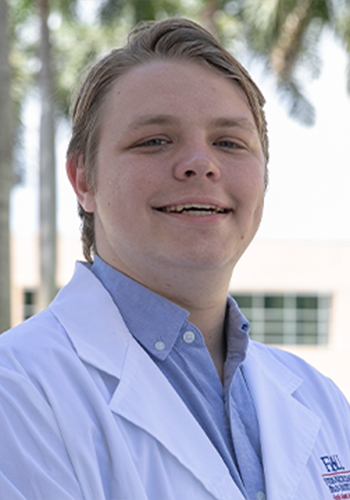
Entered: Neuroscience Graduate Program NGP 2022
Mentor: Elan Barenholtz Ph.D.
Thesis Topic: Using Large Language Models to Automate Drosophila Theory Validation
B.S. Psychology, Florida State University, Tallahassee, FL
“My primary research interests are using large language models to automate model validation in computational neuroscience. For the validation analysis I am focused on drosophila connectomics data and augmenting the connectomics tool ‘FlyBrainLab’. I am also working with the National Drug Early Warning System on a NIH training grant to predict substance abuse trends by using machine learning on data scraped from online drug discussion forums.
The NGP has an extremely interdisciplinary group of faculty members which has been perfect for putting together my supervisory committee as my dissertation topic is very interdisciplinary. I have gotten the opportunity to take some useful classes from some excellent professors including "Scientific Communication", "Methods in Complex Systems", "Computational Neuroscience" and "Nonlinear Dynamical Systems". My favorite part of the NGP so far has been the many excellent events and networking opportunities. In addition to the events hosted by the Stiles-Nicholson Brain Institute, I have also gotten the chance to attend many events through my affiliation with the The Center for Complex Systems and Brain Sciences, Center for Future Mind, Rubin and Cindy Gruber AI Sandbox, and the Machine Perception and Cognitive Robotics Lab (all of which are hosted here at FAU). In the past year, I have gotten the chance to meet and learn from such great thinkers as Dr. Andre Fenton, Dr. Stephen Wolfram, and Dr. Sara Walker to name a few. FAU also has an impressive network of complex systems neuroscientists that are based right here at the university.
During my first year, I was able to rotate with Dr. Barenholtz and Dr. Hahn, Dr. Dawei Li, and Dr. Behnaz Ghoraani. All of them are doing fascinating dry lab brain research which uses state of the art machine learning methods. Although my final choice of lab was Dr. Barenholtz and Dr. Hahn’s Machine Perception and Cognitive Robotics Laboratory (MPCR), I was glad to be able to make connections and learn some of the methods employed in multi-omics and biotechnology.”
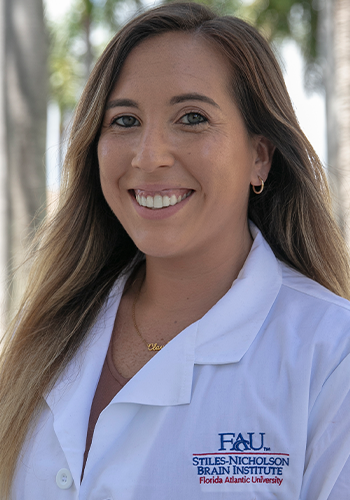
Entered: Neuroscience Graduate Program 2022 (GNTP 2021)
Mentor: Ali Danesh, Ph.D.
Thesis Topic: The characterization of vestibular dysfunction and cognitive impairment in Parkinson’s Disease
BS Behavioral Neuroscience & Psychology, Randolph-Macon College
“I am investigating the clinical characteristics of vestibular dysfunction and cognitive impairment in Parkinson’s Disease (PD) in Dr. Ali Danesh’s lab. My work focuses on understanding characteristic measures of postural control, eye movements and cognitive abnormalities in PD and how these variables can contribute to both fall risk and a diminished quality of life in this population. In addition, these variables have potential for future therapeutic intervention in PD. My prior work involved research in a molecular biology lab setting, where I studied the correlation between the peripheral effects of exercise in modulation of adult neurogenesis and neuroinflammation in the central nervous system. Following my undergraduate work, I was employed at Radius TBI of South Florida, where I worked as a Clinical Research Coordinator. Here I studied the use of oculo-motor function as a potential non-invasive biomarker of mild cognitive impairment. I was attracted to the Neuroscience program at FAU because of its multidisciplinary approach to the field of neuroscience. The structure of the program was very appealing, because it provides students with the opportunity to have a rotation within each of these disciplines when making the decision of which PhD to further pursue."
INSTITUTE NEUROSCIENCE GRADUATE PROGRAM TRAINEES (NGP)
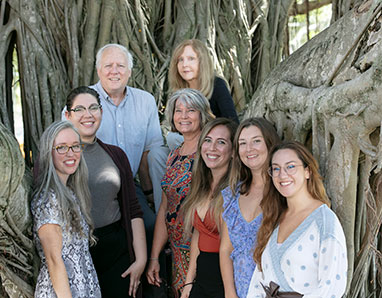
Right to left: Kylie Foster, Jennifer Giordano, Claudia Alvarez, Linda Petersen, Dr. Kate Guthrie, Dr. Randy Blakely, Gianna Cannestro, Bethany O'Donnellr
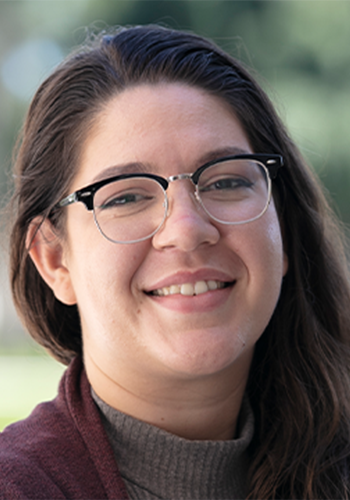
Entered: Graduate Neuroscience Training Program 2021
GNTP Affiliate Program: Complex Systems and Brain Sciences
Mentor: Jenny Wei, Ph.D.
Thesis Topic: Electrophysiological characterization of Huntington's disease using human-derived iPSCs
BS Biological Sciences, Florida Atlantic University
BA Health Sciences, Florida Atlantic University
Diversity in Science ~ Gianna earned the McKnight Doctoral Fellowship! This fellowship was created for students pursing doctorate degrees at Florida universities to build equity, diversity and inclusion for under representation of African American and Hispanic populations for those in pursuit of a career in research and teaching at a college or university level. This fellowship provides tuition up to $5,000 per year, and a $12,000 annual stipend.
"I am interested in studying Huntington's disease (HD) and how it affects the morphology and communication between neurons. I have been working with FAU faculty to present and publish work on the usage of iPSCs as a model for HD. In my first year with the GNTP I rotated in labs with Drs. Jenny Wei, Larry Toll, and Summer Sheremata, and have been pursuing my research in Dr. Wei's lab. I am investigating how the disease affects cells singularly but also in communication across networks of cells. By understanding the relationship between the disease and the presentation at the cellular level, we may be able to identify areas for therapeutic targets. "
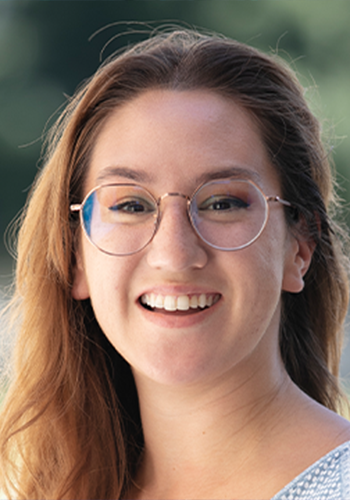
Entered: Graduate Neuroscience Training Program 2021
GNTP Affiliate Program: Integrative Biology/Neuroscience
Mentor: Larry Toll, Ph.D.
Thesis Topic: Exploration of Neural Signaling Mediating Sex-specific Behaviors in Comorbid
Alcohol Use Disorder (AUD) and Post-Traumatic Stress Disorder (PTSD)
BA Psychology, California State University, Long Beach, CA
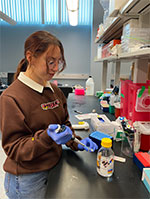
"I majored in Psychology and conducted research in Community Psychology and Neuropsychology at California State University, Long Beach. I rotated in labs with Dr. Lucia Carvelli, Dr. Robert Vertes, and Dr. Larry Toll.
Sex has been implicated as a key factor contributing to alcohol use disorder (AUD) vulnerability, with males being more susceptible. In contrast, post-traumatic stress disorder (PTSD) is more prevalent in females than males. Through my research in Dr. Toll’s lab, I aim to better understand the role of sex at the intersection of alcohol and stress processing within the brain. Males and females have differing perceptions and motivations towards alcohol at various ages and stages of life. These differences cause a cascade of changes to the neural system which subsequently results in sex differences in treatment outcomes for the treatment of AUD. A review of current pharmacotherapies prescribed for AUD management have a large array of outcomes that are mainly driven patient-specific attributes like initial health status, environmental support, and sex. Similarly, medications for the treatment of PTSD do not show consistent results. An experimental benefit of comparing the neurobiology of AUD to comorbid AUD-PTSD is that neurobiological changes in humans with PTSD is highly dependent upon environmental factors. PTSD is more commonly seen in patients with a history of other psychiatric disorders and the complexities of these co-occurrences result in reduced efficacy of pharmacotherapies for the treatment of PTSD. It is imperative for us to more closely investigate neural circuitry mediating alcohol use disorder and comorbid posttraumatic stress disorder to dissect the compounding effect on the brain. The reciprocal relationship between AUD and PTSD in both clinical and preclinical studies demonstrate the necessity for a treatment designed to address their comorbidity.
I was drawn to the program because there are a multitude of labs that emphasize interdisciplinary and collaborative research. I was also impressed by the level of involvement the Brain Institute has with the communities surrounding FAU. I came from an underserved area, and I am thankful that with this program, I will be in a position to help young students from similar communities."
Entered: Graduate Neuroscience Training Program 2021
GNTP Affiliate Program: Complex Systems and Brain Sciences
Mentor: Erik Engeberg, Ph.D.
MA Psychology/Psychological Science, University of North Carolina at Wilmington
BA Psychology, University of North Carolina at Wilmington
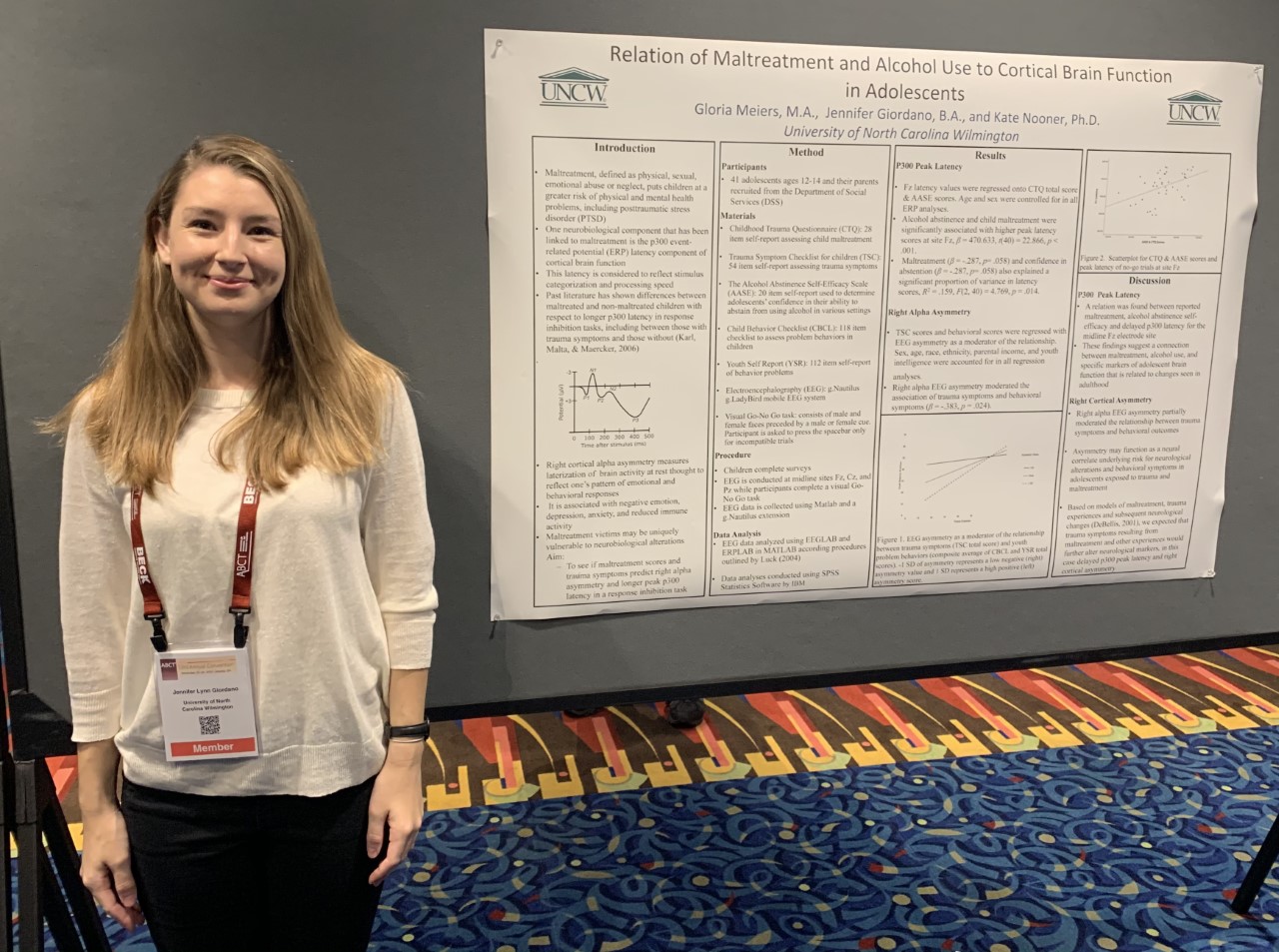
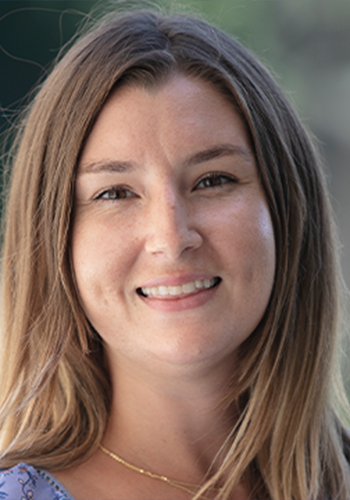
"I received my BA in Psychology and MA in Psychological Science from the University of North Carolina at Wilmington. During this time, I worked on a variety of research projects relating to traumatic brain injury and brain development using neuroimaging techniques, like EEG and fMRI. Recently, I have been interested in learning more about the aging process and the factors that influence neurodegenerative disease. I rotated in labs with Dr. Jenny Wei, Dr. Chad Forbes, and Dr. William Hahn, and will pursue my research in Dr. Hahn's lab. I was initially attracted to the GNTP because of its interdisciplinary approach and the opportunity to explore my research interests through lab rotations. The exceptional resources at FAU combined with beautiful South Florida weather made the GNTP an easy choice!"
In this photo, I was presenting my lab's research during a poster session in 2019 at the Annual Conference for the Association of Behavioral and Cognitive Therapies (ABCT) that was held in Atlanta, Georgia.
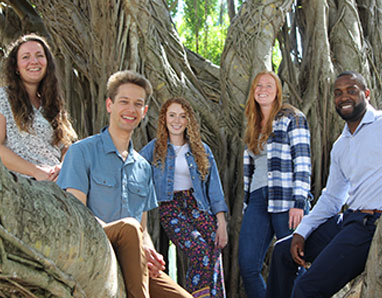
Left to Right: Allison Walsh, Stephen Hoover, Madeline Martinez, Lindsey Pugh, and Claudius Osei
Entered: Graduate Neuroscience Training Program 2020
Ph.D. candidate in Complex Systems and Brain Sciences
Mentor: Ashkaan Fahimipour, Ph.D.
Thesis Topic: Solutions to Alignment Failures in General Learning Algorithms
B.S. (Hons.) in Mathematics, Florida Atlantic University, Boca Raton, FL
M.S. in Artificial Intelligence, Florida Atlantic University, Boca Raton, FL
Stephen is interested in computational neuroscience, specifically learning algorithms and artificial intelligence. Stephen's research focuses on developing algorithms that learn to achieve goals without causing catastrophic consequences. His work is mostly about artificial intelligence safety, particularly alignment and reportability.
Lab rotations during the first year in the labs of Drs. William Alexander, William Hahn, Elan Barenholtz, and Dr. Sarah Stern @ Max Planck Florida Institute for Neuroscience (MPFI).
"I was attracted to the GNTP because of the freedom and resources to achieve my goals. My rotations were in the labs of Drs. William Alexander, William Hahn, Elan Barenholtz and with Dr. Sarah Stern @ Max Planck Florida Institute for Neuroscience (MPFI). Now that I've completed rotations, I am working on two projects. The first uses mathematics to predict and control the behavior of generally intelligent, artificial agents. The goal of this project is to use create constraints so that artificial intelligence (AI) systems are beneficial instead of dangerous. The problem I'm trying to solve has a wide range of applications in science and industry by making machine learning systems more reliable and safer to deploy. My second project uses computer vision and machine learning to increase the wellbeing of animals in a research setting while increasing efficacy of certain experiments that require animal subjects."
Entered: Graduate Neuroscience Training Program 2020
GNTP Affiliate Program:
Integrative Biology/Neuroscience
Mentor: Lawrence Toll, Ph.D.
Thesis Topic: TBD
Neuroscience Student Organization Membership Coordinator
MS Neuroscience, Tulane University, New Orleans, Louisiana
BS Neuroscience & Cognitive Science emphasis Neurobiology, University of Arizona

"I am particularly interested in the neurobiological changes resulting from substance use, and the epigenetic component of addiction. I am currently working on generating a new transgenic rodent line that can be used to study the role of mu opioid receptors in addiction. My three lab rotations were in the labs of Drs. Lucia Carvelli, Ning Quan, and Lawrence Toll. The interdisciplinary and collaborate culture of the GNTP enticed me to apply, and I encourage you to as well!"
Entered: Graduate Neuroscience Training Program 2020
GNTP Affiliate Program:
Experimental Psychology
Mentor: Dr. Alan Kersten
Thesis Topic: Effects of Emotional Objects on Associative Memory for Events
Dissertation Topic: Weapon Presence on Feature Memory in Eyewitness Memory
President Neuroscience Student Organization
BS Neuroscience, Susquehanna University, Selinsgrove, PA
"I am interested in metacognition, working memory, and emotion. My master's thesis looked at how emotionally charged objects (such as weapons) can affect the ability of viewers to remember certain aspects of an event. Currently, I am working on publishing a follow up project to my thesis where we are adding a source component to investigate how source variability can affect the same memory components as my thesis investigated. I have formulated my dissertation project which will focus on the effects of weapon presence on feature memory. This will help us to better understand how people view armed crimes and how that can affect their memory when it comes time to interview them for who committed the crimes and what weapons were used. My three rotations were in the labs of Drs. Summer Sheremata, Gizelle Anzures, and Alan Kersten. I was attracted to the GNTP because of the ability to rotate in labs and explore different interests along with the ability to collaborate with other labs on projects. This program is great because it allows you to experience lab atmospheres before choosing which lab to join. My interests changed drastically once I was exposed to research I hadn't originally considered!"
Entered: Graduate Neuroscience Training Program 2020
GNTP Affiliate Program:
Integrative Biology/Neuroscience
Mentor: Randy D. Blakely, Ph.D.
Thesis Topic: Investigating the Link Between Serotonergic Signaling and Innate Immune Activation In Vivo
Masters in Public Health MPH Environmental Health & Toxicology, University of Alabama at Birmingham
BS Animal Science & Marine Biology, Auburn University, AL
"My research interests in neuroscience are broadly-speaking, the interaction between our environment and health. My three GNTP lab rotations were in the labs of Drs. Erik Duboue, Randy Blakely, and Sarah Stern. I worked under Dr. Stern at MPFI for two semesters, investigating integrative circuits and complex behavior. The focus of our work was on the circuitry underlying feeding and its ability to be altered by environmental stimuli and stress. I moved to Dr. Blakely's lab in the spring 2022 semester to continue to pursue my research. As a neuroscience graduate student, I was attracted to the GNTP Ph.D. program at FAU for the many opportunities it offers, such as the close working relationship to the first German Max Planck Institute in the US. The available resources have allowed me the chance to study neuroscience in multiple animal models with cutting-edge technologies, in a diverse and collaborative environment, while enjoying South Florida living."
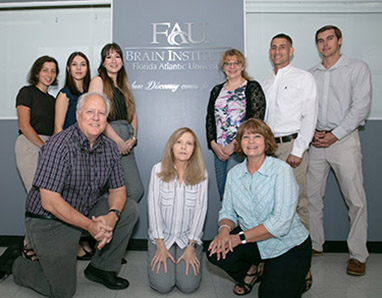
Standing, Kori Citrin, Goksu Oz, Amanda Rojas, Amanda Rainey, Ryan Gallagher & Donald Holder; Kneeling FAU Brain Institute - Dr. Randy Blakely, Executive Director, Dr. Kate Guthrie, Assistant Director for Educational Programs & Linda Petersen, GNTP Graduate Education Coordinator
Entered: Graduate Neuroscience Training Program 2019
GNTP Affiliate Program: Integrative Biology/Neuroscience @ Max Planck Florida Institute for Neuroscience (MPFI)
Mentor: Yingxue Wang, Ph.D.
Thesis topic: Hippocampal Neuromodulatory Circuits
BS Psychology/Neuroscience, University of Connecticut, Storrs, CT
"I'm particularly interested in how and why the brain remembers certain events but not others. Under the guidance of Dr. Yingxue Wang at Max Planck Florida Institute for Neuroscience (MPFI), I am investigating the role of hippocampal neuromodulatory circuits in working memory. I was attracted to the GNTP because of the wealth of resources shared between FAU, MPFI, and Herbert Wertheim UF Scripps Institute. This gave me the ability to work in three GNTP lab rotations on the Jupiter campus with Dr. Carmen Varela, Dr. Sathya Puthanveettil at Herbert Wertheim UF Scripps Institute, and with my mentor Dr. Yingxue Wang at MPFI. While neuroscience is just one of many programs at other universities, at FAU Jupiter campus, brain research is the focal point."
Entered: Graduate Neuroscience Training Program 2019
GNTP Affiliate Program:
Complex Systems and Brain Sciences
Mentor: William Alexander, Ph.D.
Thesis topic: Decision-Making and Cognitive Control
BS Neuroscience & Behavior/Biological Sciences, Florida Atlantic University, Boca Raton, FL
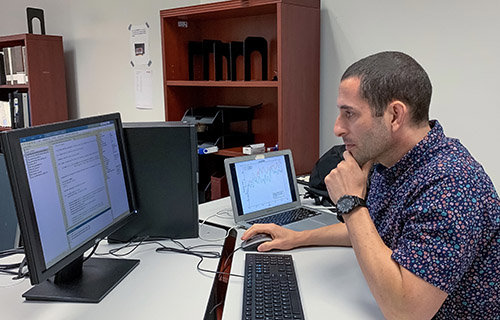
"I am particularly interested in value-based decision-making, reward processing and learning reinforcement. Currently under the tutelage of Dr. William Alexander, I am investigating how multiple informational cues are integrated to then be used in executing the appropriate behavior. I was attracted to the GNTP because of faculty and resources available that best allowed me to pursue my intellectual interests in lab rotations with Drs. Teresa Wilcox, Elan Barenholtz, and William Alexander. I hope you will consider joining our program!"
"I am working on fitting a computational model to data I had previously collected. The data was collected during a study that investigated learning rates and preferred sequencing of informational cues.
Entered: Graduate Neuroscience Training Program 2019
GNTP Affiliate Program:
Integrative Biology/Neuroscience @ Max Planck Florida Institute for Neuroscience (MPFI)
Mentor: Ryohei Yasuda, Ph.D.
Thesis topic: The Roles of PKMζ and the other PKC Isoforms in the Maintenance of Long Term Memory
BA Psychology, Florida Atlantic University
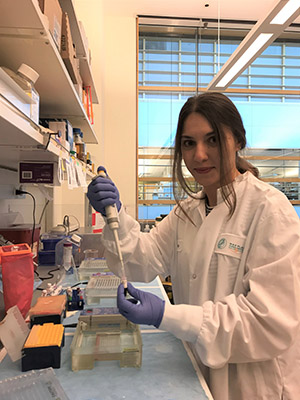
"I am interested in molecular basis of learning and memory. Currently under the tutelage of Dr. Ryohei Yasuda at Max Planck Florida Institute for Neuroscience, I am investigating the compensatory role of PKC isoforms in the maintenance of long-term memory. I was attracted to the GNTP because of the unique training opportunity that it provides to the first year Ph.D. students not only at FAU, but also in globally known institutions like Max Planck and Herbert Wertheim UF Scripps Institute. Florida Atlantic University is a rapidly progressing public university, especially in the field of life sciences, and we have already started to see the impact of FAU students and the alumni worldwide. I hope you will consider joining our GNTP team and contribute to this professional and supportive academic environment that the FAU Brain Institute has created."
"In this lab photo, I am filling the tiny pores on the agarose gel to conduct gel electrophoresis, which is technique that is used to sort the molecules based on their size differences."
ALUMNI GNTP
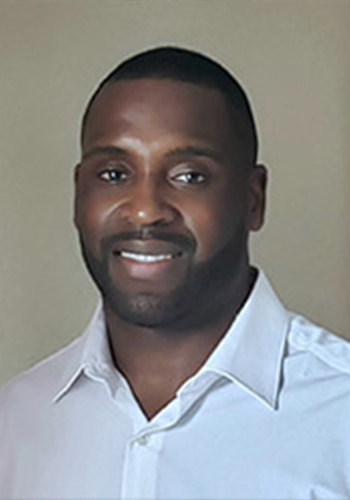
Ph.D. in Experimental Psychology / GNTP Student
Ph.D. Advisors: Andrzej Nowak, Ph.D. (Chair), David Bjorklund, Ph.D., Robin Vallacher, Ph.D., and Robert Gray, Ph.D.
Dissertation: Emerging Skill Acquisition: Differential Learning of a Basketball Shooting Task
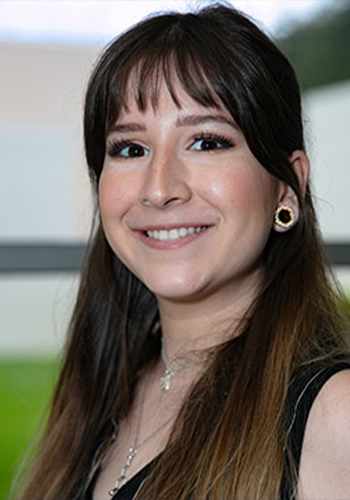
Ph.D. in Complex Systems and Brain Sciences / GNTP Student
Amanda looks to pursue a career in scientific publishing with PLoS One.
Ph.D. Advisors: Dr. Robert Vertes, Dr. Robert Stackman, Dr. Henriette Van Praag, and Dr. Stephanie Linley (University of North Colorado)
Dissertation: The Role of the Paratenial Nucleus and Nucleus Reuniens of the
Midline Thalamus in Cognition and Affect
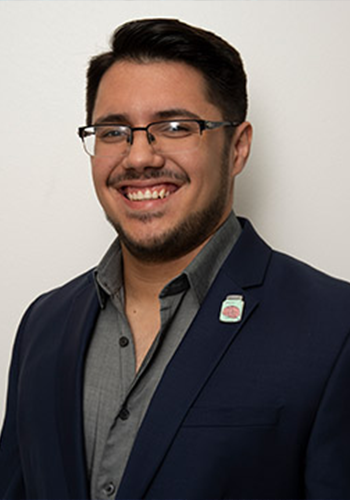
Ph.D. in Experimental Psychology / GNTP Student
Ph.D. Advisor: Sang Wook Hong, Ph.D.
Dissertation: Decoding of Face Stimuli in Basic Facial Expression and Anti-Expression Conditions
Neuroscience Student Organization Community Relations Officer
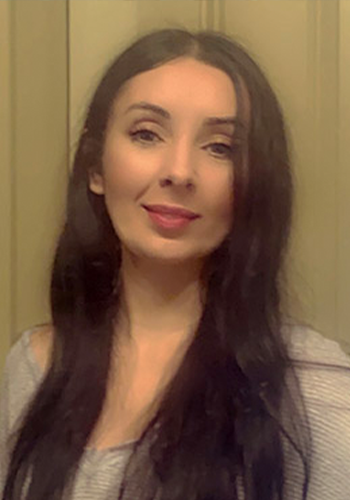
Ph.D. in Complex Systems and Brain Sciences / GNTP Student
Postdoctoral fellowship with Dr. Chad Forbes and Dr. Susan Schneider at FAU
Ph.D. Advisors: Dr. William Hahn, FAU, and Dr. Edward Ester, University of Nevada
Dissertation: Mechanisms of Selective Attention in Working Memory, Modeled from Human’s Alpha Band Oscillations
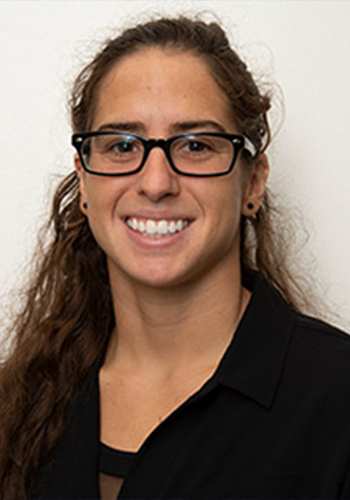
Ph.D. in Integrative Biology/Neuroscience
Postdoctoral Fellow Assistant to the Director of community Engagement and Programming, Stiles-Nicholson Brain Institute
Ph.D. Advisor: Erik Duboue, Ph.D.
Dissertation: The characterization of a simple startle circuit in Astyanax mexicanus
Ph.D. in Experimental Psychology
Postdoctoral fellowship with Dr. Sang Wook Hong
Ph.D. Advisor: Sang Wook Hong, Ph.D.
Dissertation: Individual Difference in Binocular Rivalry Dynamics
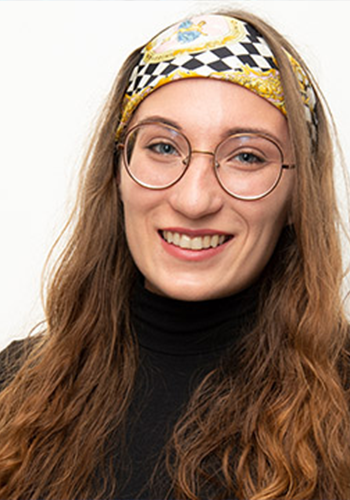
Ph.D. in Complex Systems and Brain Sciences / GNTP
Hi-tech start-up company in AGI
Ph.D. Advisor: Dr. Elan Barenholtz, Dr. William Han, and Dr. Susan Schneider
Dissertation: Preserving Knowledge in Simulated Behavioral Action Loops