Opportunities
Currently Open
None
Previously Open
2026 Marine Energy Short Course: Introduction to Marine Energy
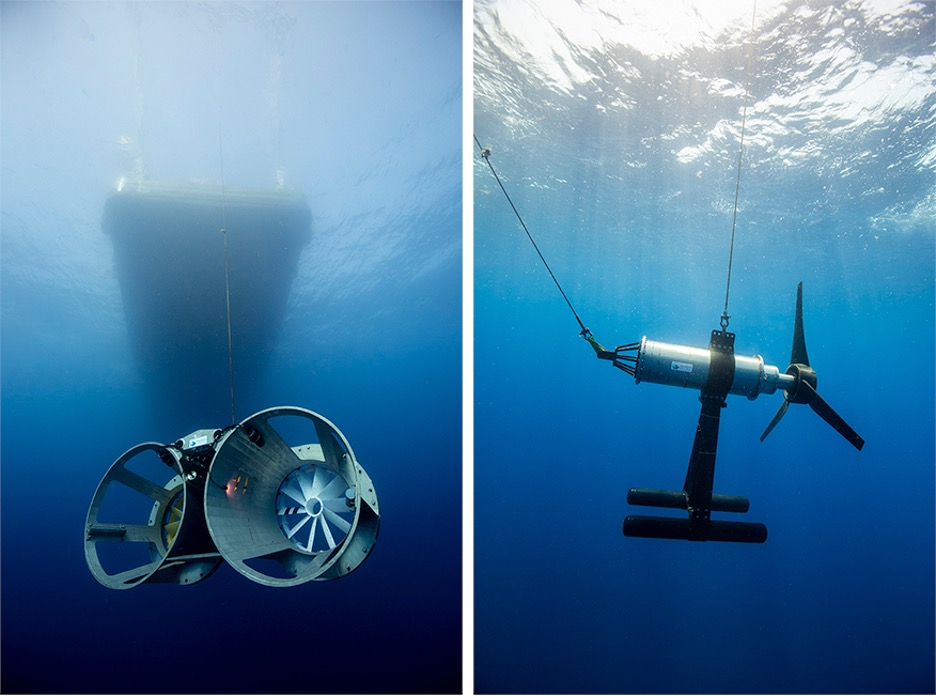
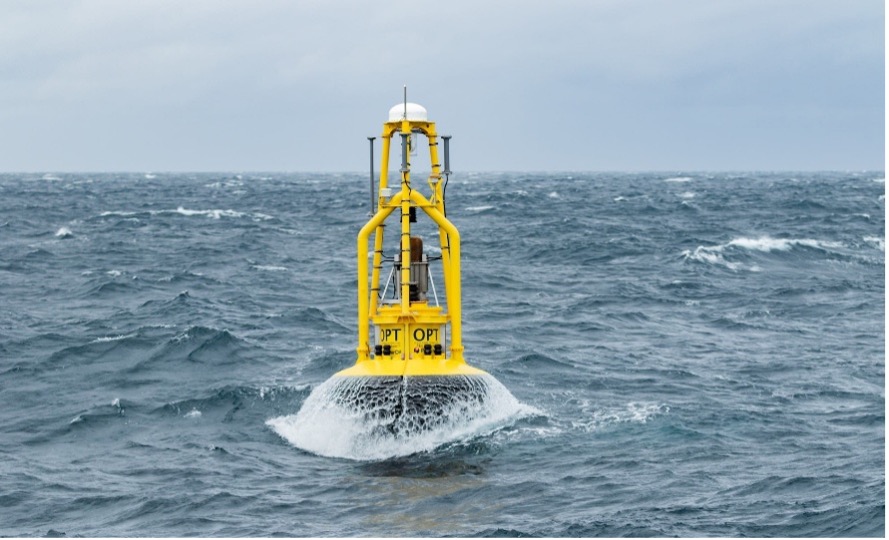
One-week on-site short course training composed of tutorials and hands-on mini-projects for undergraduate and graduate students. There will be five full days of intensive training with a hands-on mini project that builds on the morning lecture sessions each day. This short course will introduce energy, energy conversion, and renewable energies (day 1), followed by two days focused on current energy production (days 2-3), a day on wave energy conversion (day 4), and finally a day on OTEC (day 5). Participating in this workshop will provide an understanding of the energy available in marine renewable energy resources and how these can be converted to electricity, as well as the latest developments in the marine renewable energy field.
Course Overview
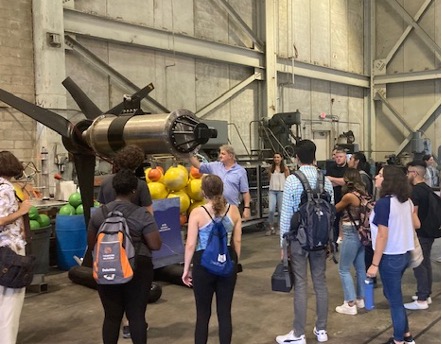
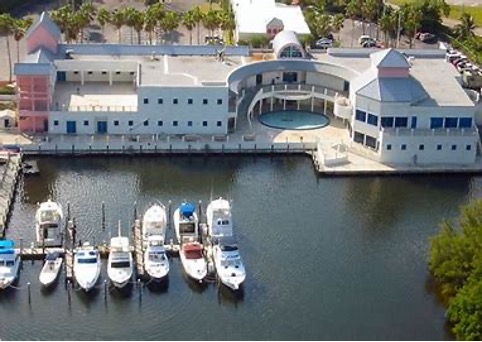
One-week on-site short course training composed of tutorials and hands-on mini-projects. There will be five full days of intensive training. Lectures/presentations will typically (days 2-5) be given in the morning session to introduce the fundamentals of the selected energy resource, and a hands-on mini project that builds on the morning session will be given in the afternoon. This short course will introduce energy, energy conversion, and renewable energies (day 1), followed by two days focused on current energy production (days 2-3), a day on wave energy conversion (day 4), and finally a day on OTEC (day 5). Participating in this workshop will provide an understanding of the energy available in marine renewable energy resources and how these can be converted to electricity, as well as the latest developments in the marine renewable energy field. This schedule may be modified, and could include a 1-day trip to visit FAU’s Harbor Branch Oceanographic Institute.
Who Should Apply
Undergraduate and graduate students of all majors from U.S. universities interested in marine renewable energy.
How to apply
1) Prepare a 1-page “statement of interest” summarizing your 1) academic background, 2) academic and career plans, and 3) how you believe this training will benefit your academic and career goals.
2) Download and complete the 2026 SMEC Marine Energy Introductory Short Course application form.
3) E-mail completed application form and statement of interest to Mahsan Sadoughipour (msadoughipou2023@fau.edu).
Timelines
Application Window: April 1- April 30, 2026.
Selection Notifications: May 7, 2026.
Acceptance Deadline: May 14, 2026.
Training: August 10-14, 2026.
Application Selection Criteria
We plan to support approximately twenty participants, with at least ten non-FAU students selected using the following criteria:
- Applicants who apply within the application window and whose marine energy related research, development, and career goals will be enhanced by this training.
- Priority will be given to sophomore-senior undergraduates and early-stage graduate students considering marine renewable energy as part of their research or career path.
Additional students may be invited to participate without receiving financial support.
Award Includes
- Five days of in-person training focused on Marine Renewable Energy.
- A flat-rate stipend of $800 to offset housing, meals, and other costs associated with this training. Full 5-day participation is required to receive this stipend, but receipts are not needed.
- An additional travel stipend of up to $500 to cover flight costs or mileage ($0.445/mile) associated with traveling to this location. Flight receipts or departure location information is required to receive this additional stipend. Flights must utilize standard/coach class tickets.
- A Southeast Marine Energy Center (SMEC) certificate of completion for those who complete this training.
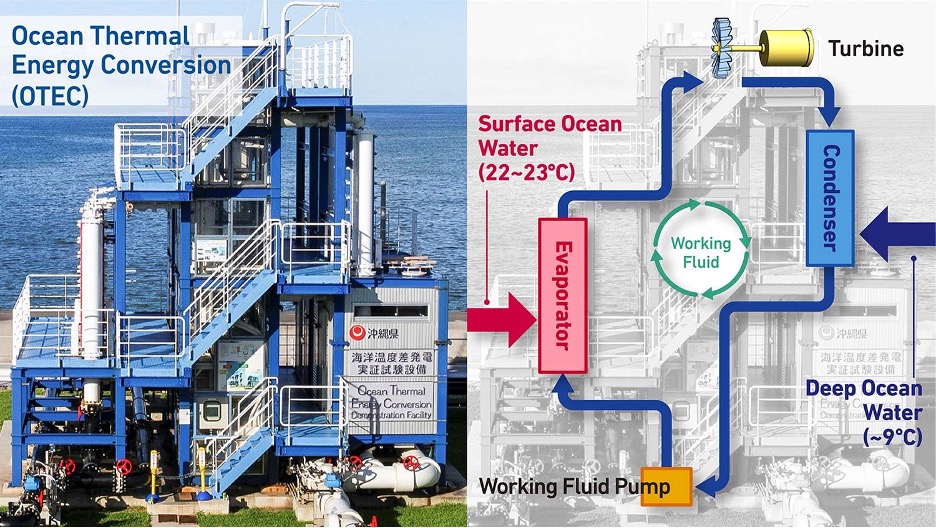
2026 Marine Energy Specialized Short Course: Ocean Thermal Energy Conversion
One-week (5 day) on-site short course training for undergraduate and graduate students composed of tutorials and hands-on mini-projects. By the end of the short course, participants will understand the challenges of developing and implementing Ocean Thermal Energy systems; learn the fundamental physics of how open-cycle, closed cycle, and hybrid cycle Ocean Thermal Energy plants operate; learn the practical aspects of how these systems can be built through the construction and testing of mini Ocean Thermal Energy plants; and understand how this can be done at a commercial scale. Includes lectures and hands-on activities.
A Marine Energy Short Course offered by the Southeast Marine Energy Center at Florida Atlantic University
May 11-15, 2026
Funded through the US Department of Energy’s Hydropower and Hydrokinetic Office, DE-EE0011382
Course Overview
One-week on-site short course training composed of tutorials and hands-on mini-projects. By the end of the short course, participants will understand the challenges of developing and implementing Ocean Thermal Energy systems; learn the fundamental physics of how open-cycle, closed cycle, and hybrid cycle Ocean Thermal Energy plants operate; learn the practical aspects of how these systems can be built through the construction and testing of mini Ocean Thermal Energy plants; and understand how this can be done at a commercial scale. This short course will greatly benefit researchers and practitioners in the field of Ocean Thermal Energy-based power production and Ocean Thermal Energy-based desalinization. Short lectures will be given in the morning session to introduce the background and basic knowledge of the subject, and a hands-on project will be the focus each afternoon for the first four days and tested on the fifth day. The format for the mini project will be both cooperative and competitive, with student groups competing to develop the Ocean Thermal Energy plant that produces the maximum amount of electrical power when installed between the FAU research pool (warm water resource) and an ice bath (cold water resource).
Who Should Apply
Undergraduate and Graduate students of all majors from U.S. universities interested in ocean thermal energy.
How to apply
1) Prepare a 1-page “statement of interest” summarizing your 1) academic background, 2) academic and career plans, and 3) how you believe this training will benefit your academic and career goals.
2) Download and complete the 2026 SMEC Specialize Short Course on Ocean Thermal Energy conversion application form found here.
3) E-mail completed application form and statement of interest to Mahsan Sadoughipour (msadoughipou2023@fau.edu).
Timelines
Application Window: March 20- April 4, 2026.
Selection Notifications: April 8, 2026.
Training: May 11-15, 2026.
Application Selection Criteria
We plan to support approximately fifteen participants, with at least eight non-FAU students selected using the following criteria:
- Applicants who apply within the application window and whose marine energy related research, development, and career goals will be enhanced by this training.
- Priority will be given to graduate students and senior undergraduate students considering ocean thermal energy as part of their research or career path.
Additional students may be invited to participate without receiving financial support.
Award Includes
- Five days of in-person training focused on Ocean Thermal Energy.
- A flat-rate stipend of $800 to offset housing, meals, and other costs associated with this training. Full 5-day participation is required to receive this stipend, but receipts are not needed.
- An additional travel stipend of up to $500 to cover flight costs or mileage ($0.445/mile) associated with traveling to this location. Flight receipts or departure location information is required to receive this additional stipend. Flights must utilize standard/coach class tickets.
- A Southeast Marine Energy Center (SMEC) certificate of completion for those who complete this training.