
Faculty Profiles
Department Chair
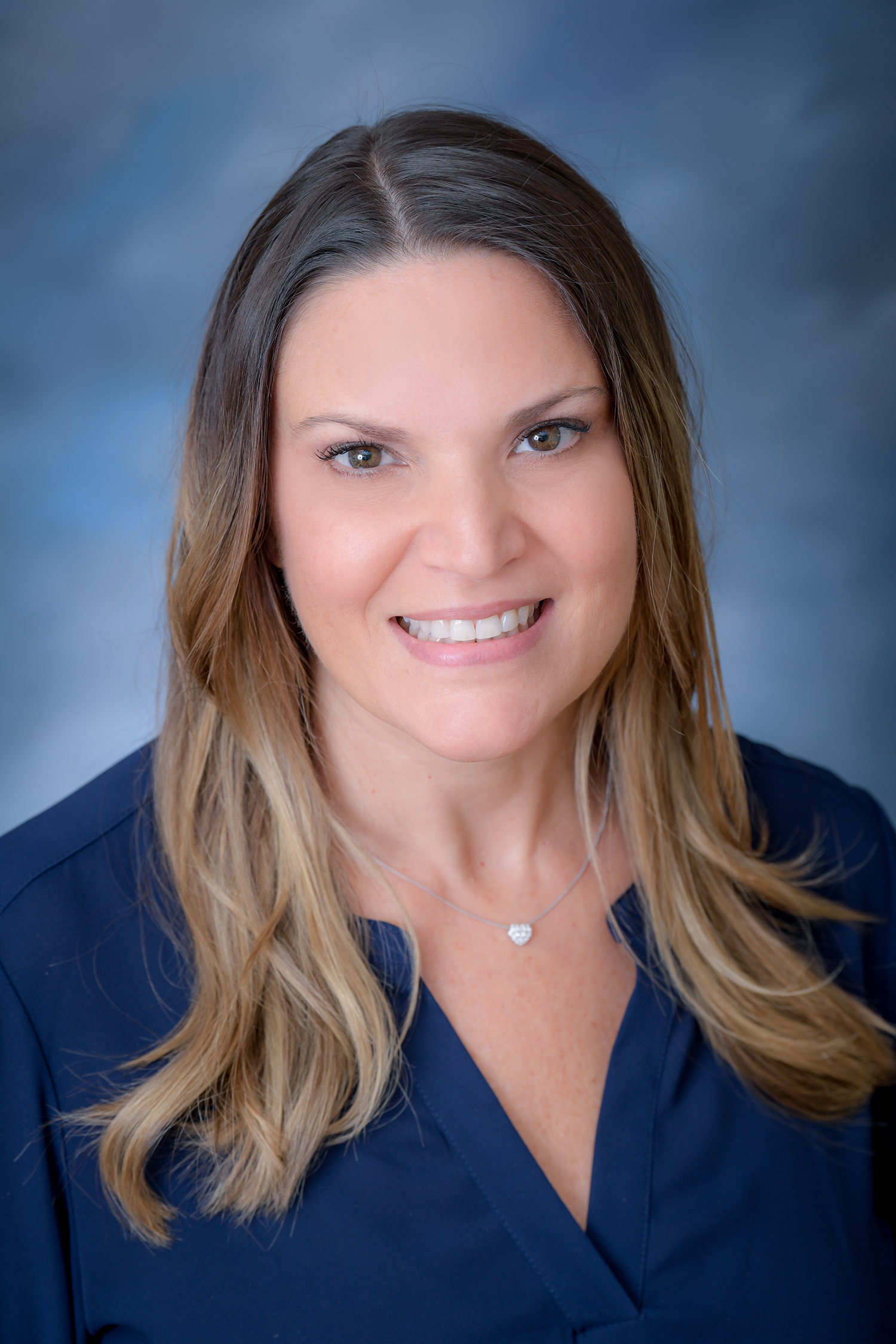 Dr. Elizabeth Villares Sacks
is Department Chair and Professor of School Counseling in the Department of Counselor Education at Florida Atlantic University. She has worked as a teacher, school counselor, and guidance director at the secondary level. Her area of specialization includes counseling children and adolescents, integrating technology in school counseling programs to improve data driven practices, and collaborating with school counselors to develop action research, outcome research, and program evaluation projects. Dr. Villares is also interested in the implementation of school counselor led evidence-based programs that lead to an improvement in student achievement.
Dr. Elizabeth Villares Sacks
is Department Chair and Professor of School Counseling in the Department of Counselor Education at Florida Atlantic University. She has worked as a teacher, school counselor, and guidance director at the secondary level. Her area of specialization includes counseling children and adolescents, integrating technology in school counseling programs to improve data driven practices, and collaborating with school counselors to develop action research, outcome research, and program evaluation projects. Dr. Villares is also interested in the implementation of school counselor led evidence-based programs that lead to an improvement in student achievement.
Email Dr. Villares or visit her faculty page.
Research Interests:
- Counseling children and adolescents
- Improving social/emotional skills
- Improving school counseling action and outcome research
- Evidence-based programs that improve student achievement
- Impact of positive psychology on academic, social and emotional performance
Our Faculty
 Dr. Hannah Bowers
is Associate Professor of School Counseling at Florida Atlantic University and serves as the school counseling program coordinator. Dr. Bowers has been working with children and families for the past seven years, both as a marriage and family therapist and a school counselor. Her research thus far has focused on investigating school counseling programs and interventions that are aligned with the ASCA National Model, and which advocate for the school counseling profession, and engage the entirety of the school system. Dr. Bowers was recently selected as an Emerging Leader for the Association of Humanistic Counseling and promoted to Associate Editor of the Journal of Humanistic Counseling. She is excited for her recent return to South Florida and looks forward to further engaging with the local and regional counseling community.
Dr. Hannah Bowers
is Associate Professor of School Counseling at Florida Atlantic University and serves as the school counseling program coordinator. Dr. Bowers has been working with children and families for the past seven years, both as a marriage and family therapist and a school counselor. Her research thus far has focused on investigating school counseling programs and interventions that are aligned with the ASCA National Model, and which advocate for the school counseling profession, and engage the entirety of the school system. Dr. Bowers was recently selected as an Emerging Leader for the Association of Humanistic Counseling and promoted to Associate Editor of the Journal of Humanistic Counseling. She is excited for her recent return to South Florida and looks forward to further engaging with the local and regional counseling community.
Research Interests:
- Evidence-based and data-driven school counseling practices
- School, family, and community collaboration
- Interventions that improve social and emotional learning and cognitive functions.
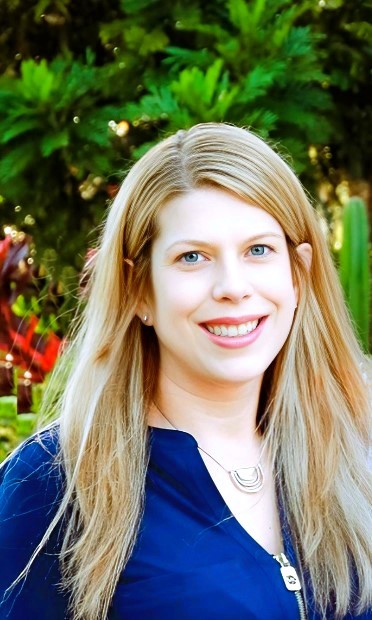 Dr. Kelly Emelianchik-Key
is Associate Professor of Clinical Mental Health Counseling and serves as the doctoral program coordinator. She received her Bachelor of Science degree from Florida Atlantic University, her Master's and Educational Specialist degrees in Mental Health Counseling from the University of Florida, and her Doctorate in Counselor Education and Supervision from Old Dominion University. As a licensed mental health counselor and nationally certified counselor, Dr. Emelianchik-Key has experience working with diverse populations, such as children, teens, couples, college students, and families. She has worked in a variety of capacities and settings, including but not limited to: inpatient facilities, community agencies, and private practices.
Dr. Kelly Emelianchik-Key
is Associate Professor of Clinical Mental Health Counseling and serves as the doctoral program coordinator. She received her Bachelor of Science degree from Florida Atlantic University, her Master's and Educational Specialist degrees in Mental Health Counseling from the University of Florida, and her Doctorate in Counselor Education and Supervision from Old Dominion University. As a licensed mental health counselor and nationally certified counselor, Dr. Emelianchik-Key has experience working with diverse populations, such as children, teens, couples, college students, and families. She has worked in a variety of capacities and settings, including but not limited to: inpatient facilities, community agencies, and private practices.
Dr. Emelianchik-Key is an engaged member of the counseling community via her work with clients, teaching, research, providing clinical supervision, and serving on editorial boards. She is an active member of several national and state professional organizations, in addition to having several peer reviewed journal publications, book contributions, and national presentations.
Research Interests:
- Gender issues
- Dating and intimate partner violence
- Self-injurious behavior
- Clinical supervision and ethics
- Career development with marginalized populations
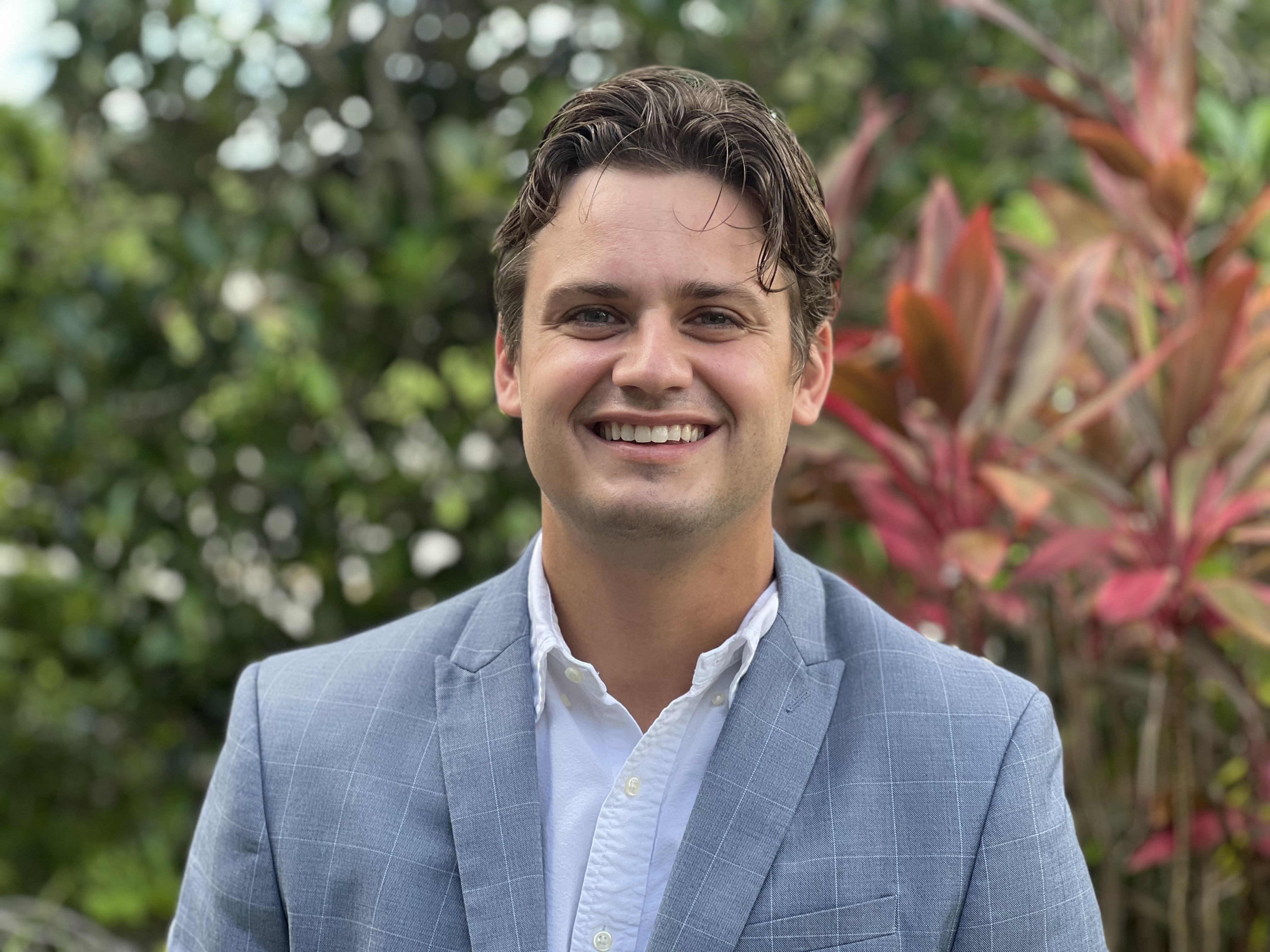 Dr. Alexander (Alex) M. Fields
is an Assistant Professor of School Counseling at Florida Atlantic University. He received a Bachelor of Science in Neuroscience from The Ohio State University, a Master of Arts in Counselor Education (Concentration in Clinical Mental Health Counseling and Certificate in Marriage, Couples, and Family Therapy) from the University of Central Florida, and a Doctorate in Counselor Education and Supervision from the University of South Carolina. In addition, Dr. Fields is a licensed counselor and nationally certified counselor with diverse clinical experiences treating individuals, couples, and families. He has provided counseling services in a variety of integrated behavioral healthcare and community mental health settings working with addictions, severe mental illnesses, co-occurring disorders, chronic illnesses, and disabilities. He is also an Applied Suicide Intervention Skills Training (ASIST) internationally recognized trainer.
Dr. Alexander (Alex) M. Fields
is an Assistant Professor of School Counseling at Florida Atlantic University. He received a Bachelor of Science in Neuroscience from The Ohio State University, a Master of Arts in Counselor Education (Concentration in Clinical Mental Health Counseling and Certificate in Marriage, Couples, and Family Therapy) from the University of Central Florida, and a Doctorate in Counselor Education and Supervision from the University of South Carolina. In addition, Dr. Fields is a licensed counselor and nationally certified counselor with diverse clinical experiences treating individuals, couples, and families. He has provided counseling services in a variety of integrated behavioral healthcare and community mental health settings working with addictions, severe mental illnesses, co-occurring disorders, chronic illnesses, and disabilities. He is also an Applied Suicide Intervention Skills Training (ASIST) internationally recognized trainer.
Dr. Fields is active within the counseling profession through his involvement with state and national organizations, scholarship, editorial boards, community service, clinical work, teaching, and clinical supervision. His research is primarily client-focused, with a specific interest in integrated behavioral healthcare, wellness, disabilities, and group counseling. Dr. Fields also has an interest in creative strategies to prepare counselors and other healthcare professionals to work in a diverse society. His contributions to counseling scholarship have been recognized at the university and national level, with recent recognition from the Association for Assessment and Research in Counseling (AARC) for the Counseling Outcome Research and Evaluation (CORE) Article of the Year.
Research Interests:
- Integrated behavioral healthcare
- Client outcome research
- Wellness
- Chronic illness and disabilities
- Group counseling
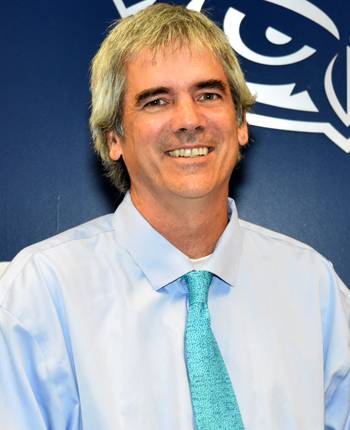 Dr. Michael Frain
is Professor of Clinical Rehabilitation Counseling and a Certified Rehabilitation Counselor (CRC). He earned his Ph.D. from the University of Wisconsin - Madison. He is a published leader within the field of Rehabilitation Psychology, and has produced over 50 peer reviewed journal articles.
Dr. Michael Frain
is Professor of Clinical Rehabilitation Counseling and a Certified Rehabilitation Counselor (CRC). He earned his Ph.D. from the University of Wisconsin - Madison. He is a published leader within the field of Rehabilitation Psychology, and has produced over 50 peer reviewed journal articles.
Email Dr. Frain, or visit his faculty page.
Research Interests:
- Vocational evaluation and rehabilitation
- Developmental disabilities, assessment, and claims
- Post-traumatic stress disorder (PTSD)
- Disability discrimination and the workplace
- Life care planning and personal injury consulting
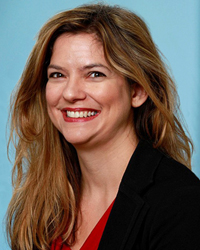 Dr. Carman Gill
is Professor of Clinical Mental Health Counseling at Florida Atlantic University and serves as the clinical mental health program coordinator. She has extensive counseling and related experience including crisis services manager, inpatient unit counselor, crisis services clinician (covering three hospital emergency departments), and UNC-G university clinic counselor. Dr. Gill has presented locally, nationally, and internationally on a variety of theoretical and research based topics, with her primary area of research being spirituality and counseling. She is a co-author of DSM-5: Learning Companion for Counselors, a textbook published by the American Counseling Association (ACA). Dr. Gill is a member of ACA, the Association for Counselor Education and Supervision (ACES), and the Association for Spiritual, Ethical, and Religious Values in Counseling (ASERVIC). She has worked for ASERVIC as newsletter editor, secretary, board member, membership committee co-chair, conference committee co-chair and is a past president of that organization.
Dr. Carman Gill
is Professor of Clinical Mental Health Counseling at Florida Atlantic University and serves as the clinical mental health program coordinator. She has extensive counseling and related experience including crisis services manager, inpatient unit counselor, crisis services clinician (covering three hospital emergency departments), and UNC-G university clinic counselor. Dr. Gill has presented locally, nationally, and internationally on a variety of theoretical and research based topics, with her primary area of research being spirituality and counseling. She is a co-author of DSM-5: Learning Companion for Counselors, a textbook published by the American Counseling Association (ACA). Dr. Gill is a member of ACA, the Association for Counselor Education and Supervision (ACES), and the Association for Spiritual, Ethical, and Religious Values in Counseling (ASERVIC). She has worked for ASERVIC as newsletter editor, secretary, board member, membership committee co-chair, conference committee co-chair and is a past president of that organization.
Research Interests:
- Wellness theory for counselors
- Ethical issues and distance supervision in counseling
- Spirituality and religion in counseling
- Substance use disorders
- Spiritual Competency Scale (SCS)
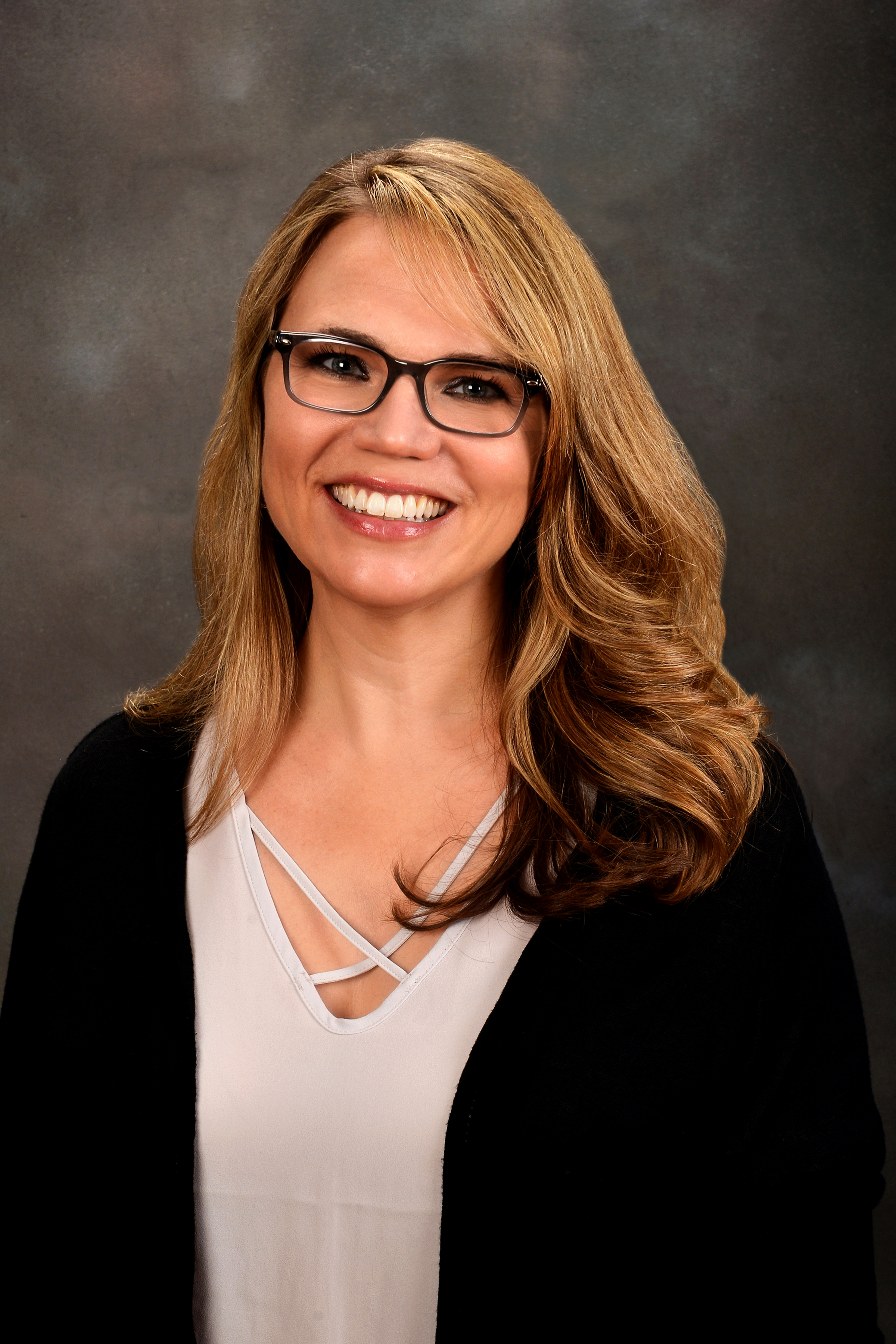 Dr. Jennifer Rogers
is Assistant Professor of School Counseling in the Department of Counselor Education at Florida Atlantic University. Dr. Rogers has worked as a school counselor and a licensed mental health counselor in private practice. She has years of experience working with educators currently in the field to strengthen their practices in seminars on counseling related topics. She has worked with school districts across the country as a school counselor, researcher, administrator, supervisor, and coach trainer.
Dr. Jennifer Rogers
is Assistant Professor of School Counseling in the Department of Counselor Education at Florida Atlantic University. Dr. Rogers has worked as a school counselor and a licensed mental health counselor in private practice. She has years of experience working with educators currently in the field to strengthen their practices in seminars on counseling related topics. She has worked with school districts across the country as a school counselor, researcher, administrator, supervisor, and coach trainer.
Her research focus is on maximizing efficiency through data driven processes in building evidence-based school counseling programs to enhance student outcomes. Dr. Rogers has written three books that augment adult capabilities to work with youth. One is a group counseling intervention for children that uses experiential games, artistic expression, and community service to foster prosocial skills called PLAY Group: Prosocial Peer Relational Learning Activities for Youth: Group Counseling Interventions in School Settings. The second is Leading for Change: Advocating for Positive School Culture Through Whole School Social Emotional Learning the Process of Systems Change (Corwin, 2019), which is a first-person account of real-world implementation of systems change in a school setting. In 2022, The SEL Coach: Planning and Implementation Resources for Social and Emotional Learning Leaders (Corwin) was written to give SEL implementation leaders the resources to organize and plan their work at the school level.
Research Interests:
- Systemic implementation of social, emotional, behavioral, and mental health interventions in school settings
- School counselor professional growth and development
- Sustainable, scalable school mental health systems
- Data-based decision-making models
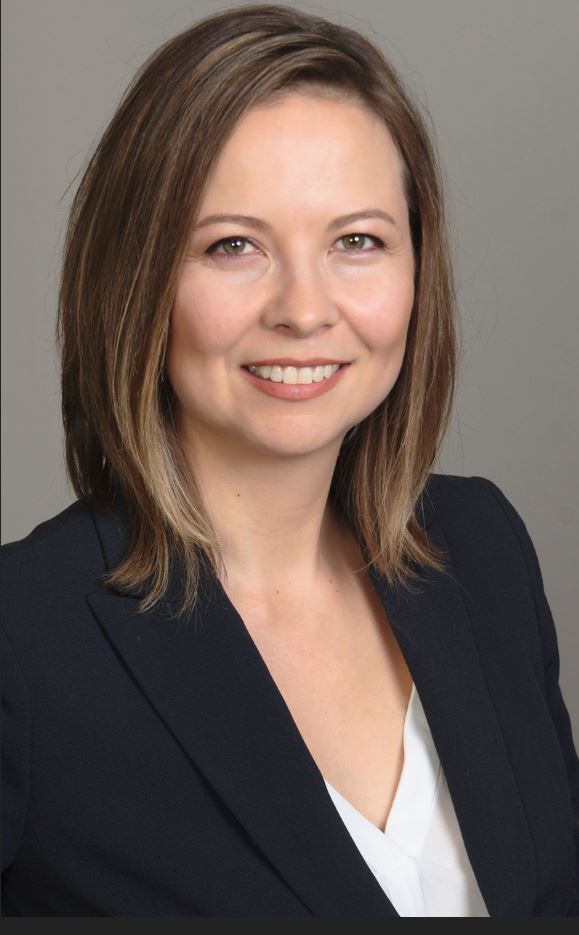 Dr. Ayse Torres
is Associate Professor of Clinical Rehabilitation Counseling at Florida Atlantic University and serves as the clinical rehabilitation counseling program coordinator. Dr. Torres has worked in various counseling and leadership roles in public rehabilitation counseling settings. As a certified rehabilitation counselor, she has gained extensive experience in working with individuals with a wide range of physical and mental disabilities. Dr. Torres’s research has focused on investigating evidence-based practices in clinical rehabilitation counseling, and on the integration of veterans with disabilities into communities. She developed a motivational interviewing training for rehabilitation counselors and trained counselors throughout the State of Florida. In recognition for the contribution from her research to the field of Counselor Education, her dissertation recently won the 2018 Florida Atlantic University, College of Education, Outstanding Dissertation award.
Dr. Ayse Torres
is Associate Professor of Clinical Rehabilitation Counseling at Florida Atlantic University and serves as the clinical rehabilitation counseling program coordinator. Dr. Torres has worked in various counseling and leadership roles in public rehabilitation counseling settings. As a certified rehabilitation counselor, she has gained extensive experience in working with individuals with a wide range of physical and mental disabilities. Dr. Torres’s research has focused on investigating evidence-based practices in clinical rehabilitation counseling, and on the integration of veterans with disabilities into communities. She developed a motivational interviewing training for rehabilitation counselors and trained counselors throughout the State of Florida. In recognition for the contribution from her research to the field of Counselor Education, her dissertation recently won the 2018 Florida Atlantic University, College of Education, Outstanding Dissertation award.
Research Interests:
- Innovative approaches to employment and vocational rehabilitation for individuals with disabilities
- Advanced technology applications in job skills training, including augmented reality and virtual interventions
- Enhancing therapeutic alliance and client engagement in rehabilitation counseling
- Community-based initiatives for veteran support and mental health
- Culturally-responsive counseling and international rehabilitation practices