
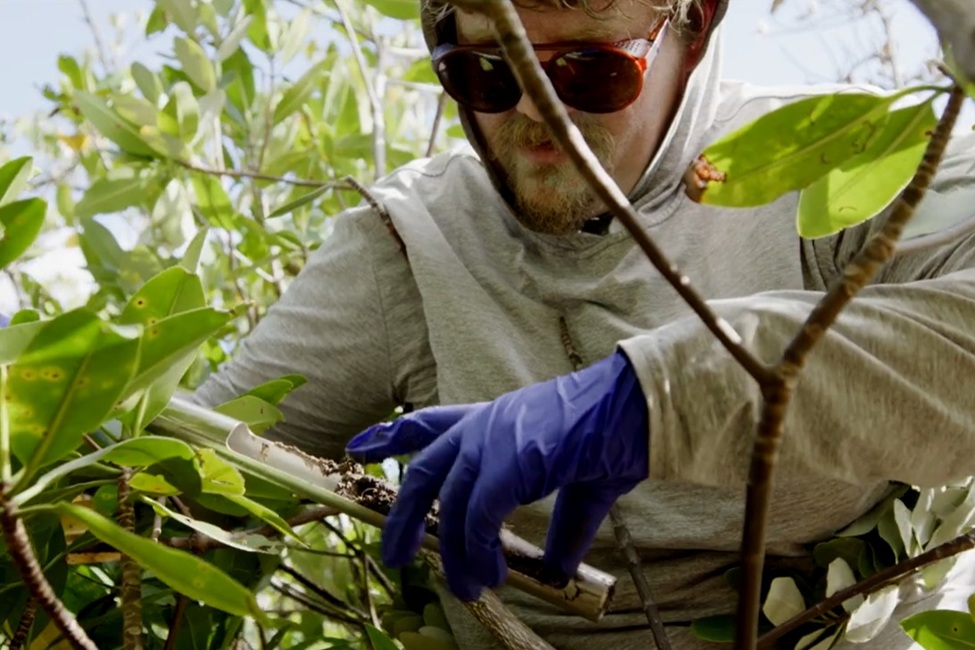
FAU Study: Tiny Windows in Petals Shape the Environment Inside Flowers
FAU researchers found that translucent "windows" in flower petals let in radiation that warms flowers and reduces microbes, revealing how petal design shapes the hidden microbial life within.
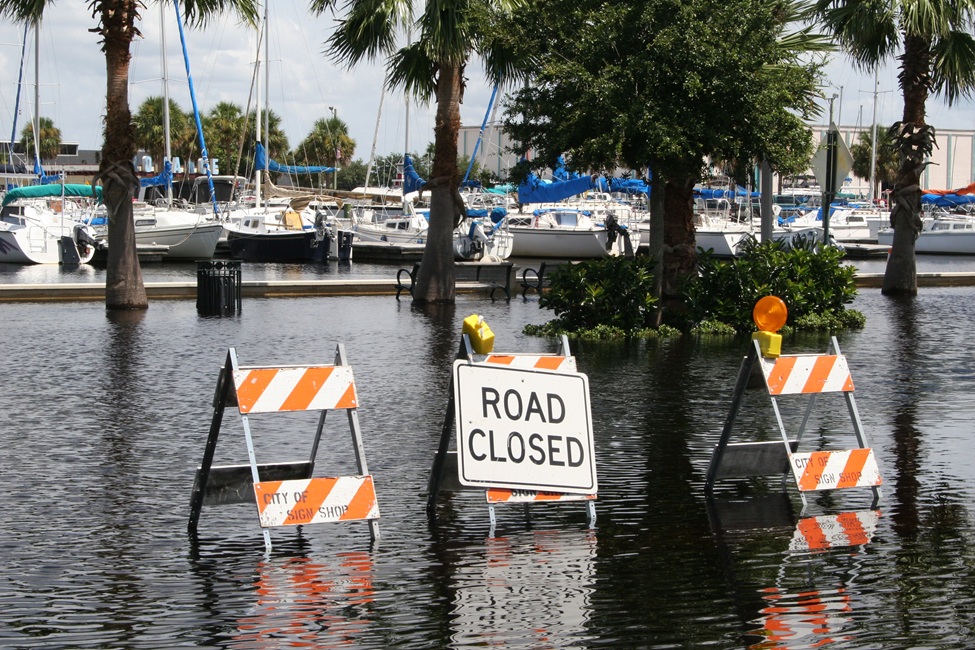
New VR Experience Brings Fort Lauderdale's Flooding Future to Life
Explore how king tides, storms and rising seas could flood Fort Lauderdale in FAU's immersive VR experience. See potential impacts on homes and infrastructure and discover solutions to build resilience.
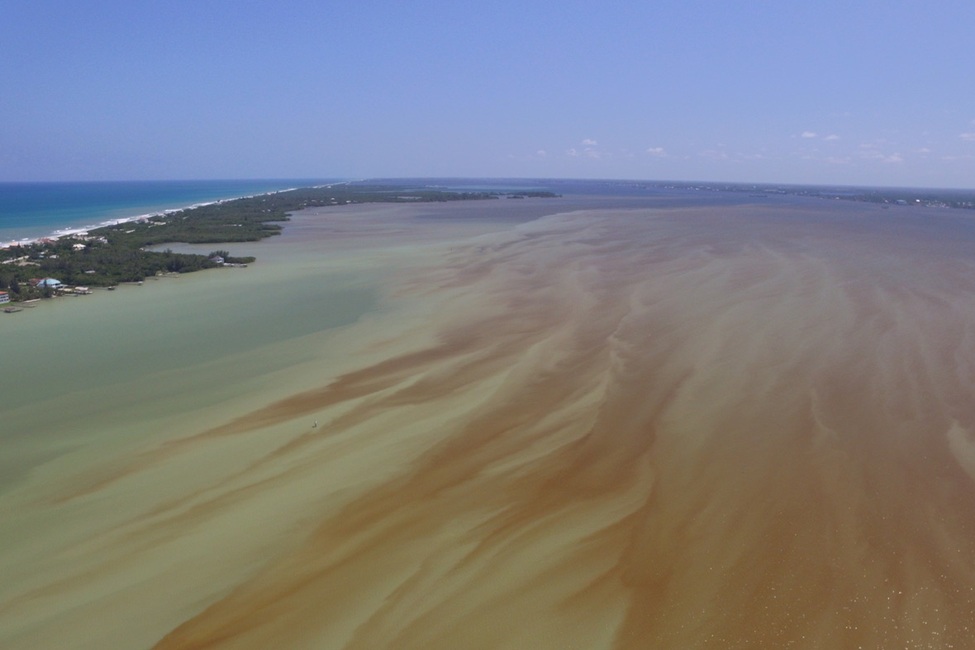
FAU Receives $1.3M NOAA Grant to Address Harmful Algal Blooms
FAU Harbor Branch researchers will investigate why harmful algal blooms persist in Florida's Indian River Lagoon but are less severe in a Georgia estuary, aiming to improve predictions and early warnings.

FAU Receives $400,000 NSF Grant to Advance Post-Quantum Cryptography

FAU Researcher Asks: Can AI Understand Space, Time and Pain?
A Florida Atlantic researcher suggests that patterns in language alone may explain more of AI's apparent understanding than previously thought, raising new questions about what these systems actually know.
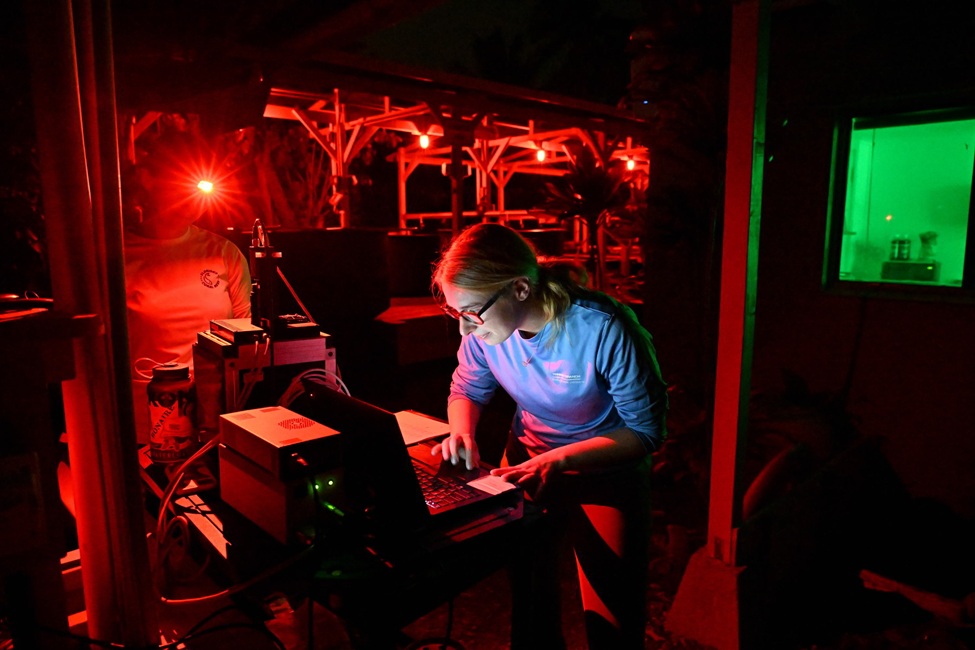
FAU Study Finds Hawaiian Corals Respond Differently to Ocean Heat
New FAU Harbor Branch research reveals why some corals withstand ocean warming better than others, offering insights to help identify resilient corals and guide reef restoration as marine heat waves intensify.
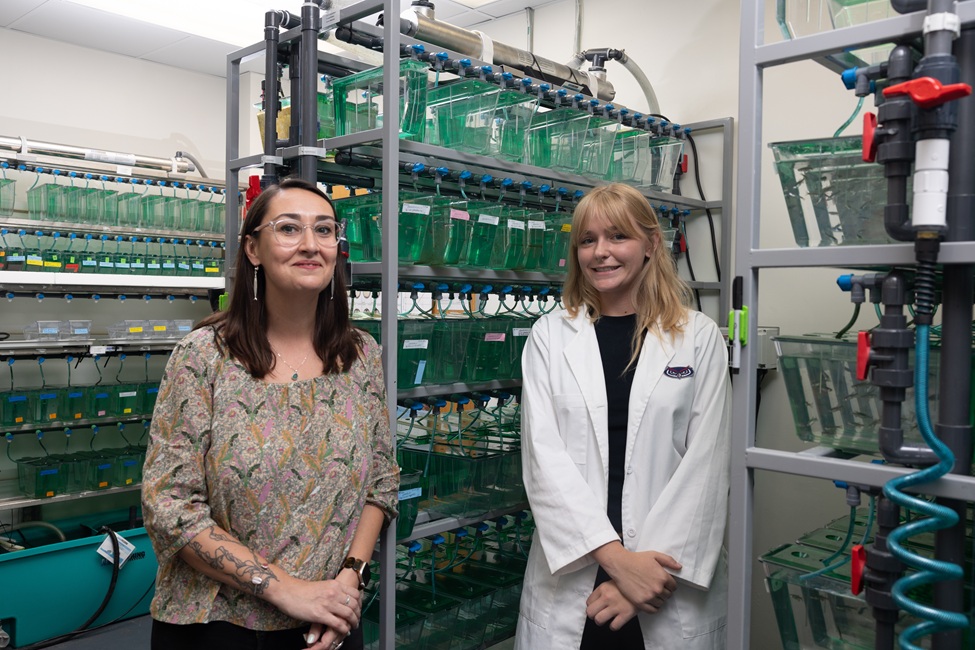
FAU Lands NIH Grant to Study New Cells That May Repair Nerve Damage
FAU researchers will study newly identified myelin-producing cells for clues to nerve repair and potential new treatments for neurological disorders such as multiple sclerosis.
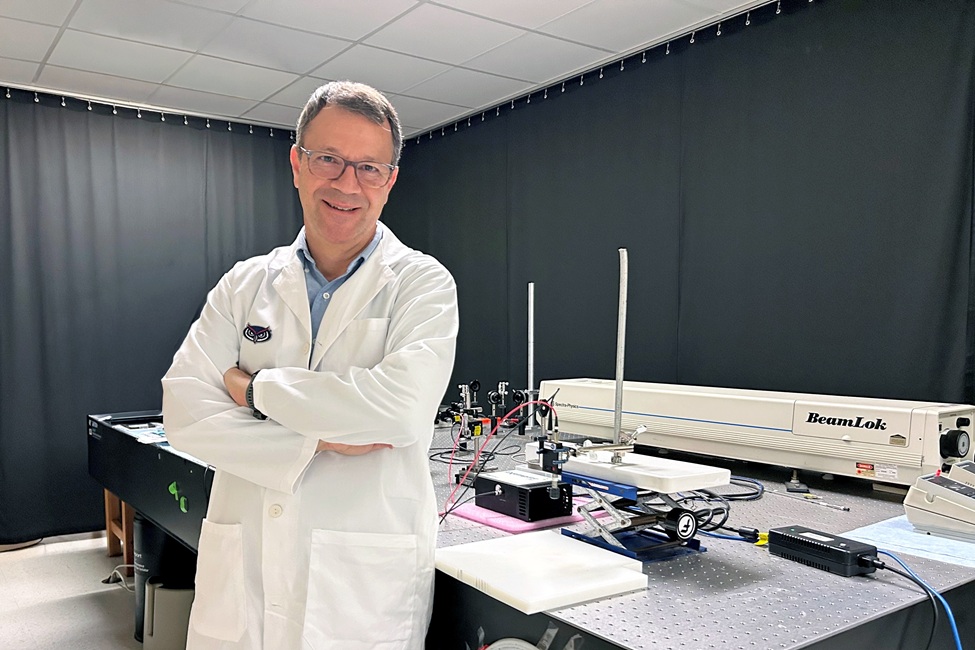
FAU Study Uses Raman Spectroscopy and AI to Detect Skin Cancer
Raman spectroscopy and machine learning correctly classified normal skin, basal cell carcinoma and squamous cell carcinoma 81% to 84% of the time, showing promise for rapid, non-invasive skin cancer detection.
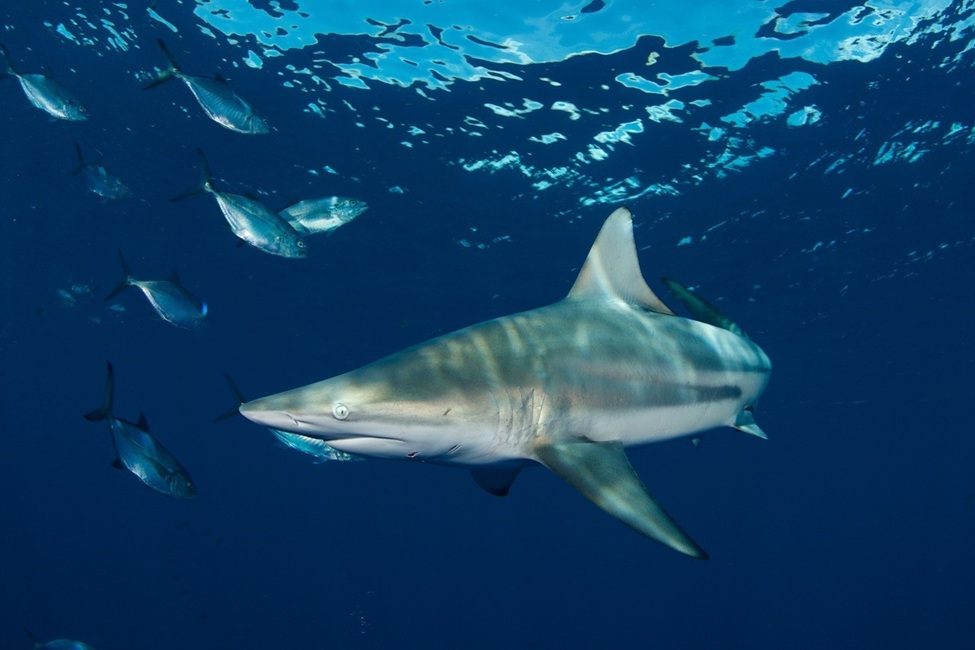
Sharks Can Hear Sounds Nearly 250 Feet Away and Find the Source
FAU research shows free-swimming sharks can detect and respond to underwater sounds from nearly 250 feet away, revealing new insights into how these ancient predators hear and navigate their environment.
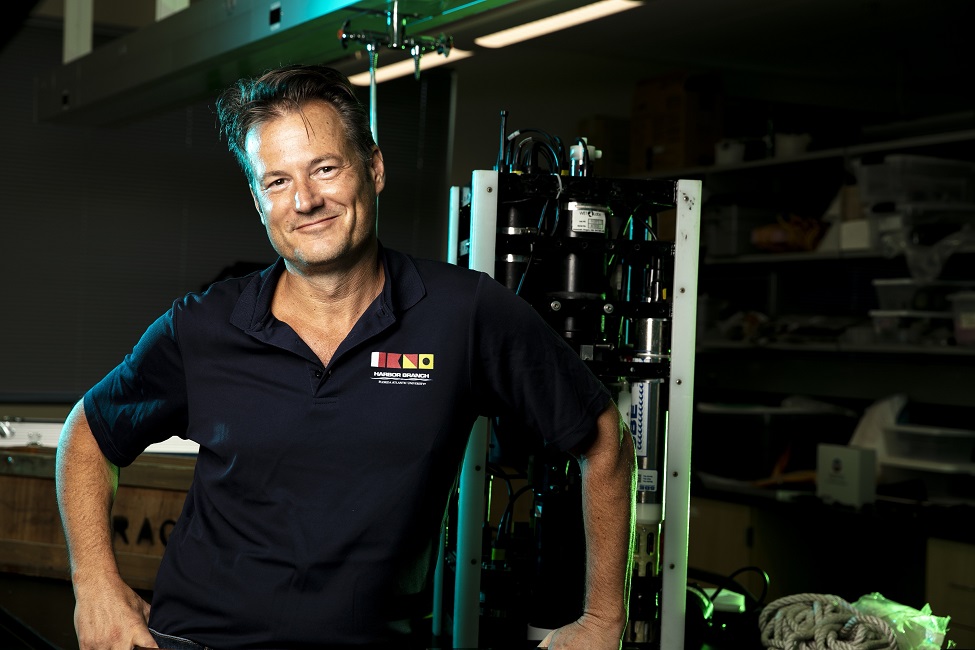
FAU's Michael Twardowski, Ph.D., Named Edwin A. Link Endowed Professor
FAU Harbor Branch names internationally recognized optical oceanography expert Michael Twardowski, Ph.D., as its first Edwin A. Link Ocean Technology and Defense Endowed Professor.