News
November 19, 2020
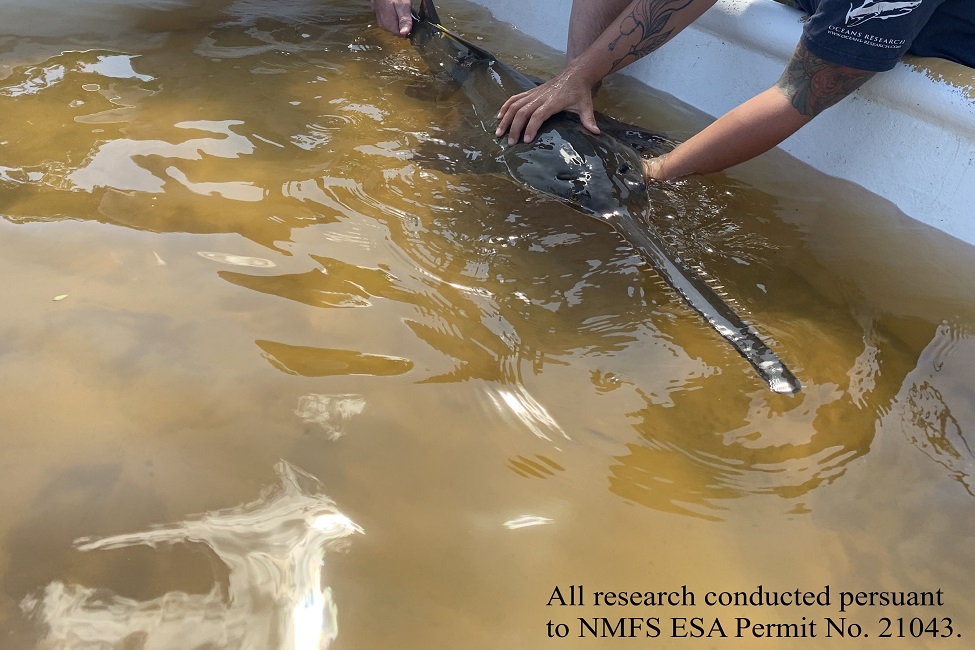
FAU Harbor Branch and FWC scientists successfully caught, tagged and released a juvenile smalltooth sawfish in the Indian River Lagoon - a major step for sawfish research and recovery efforts in Florida.
November 12, 2020
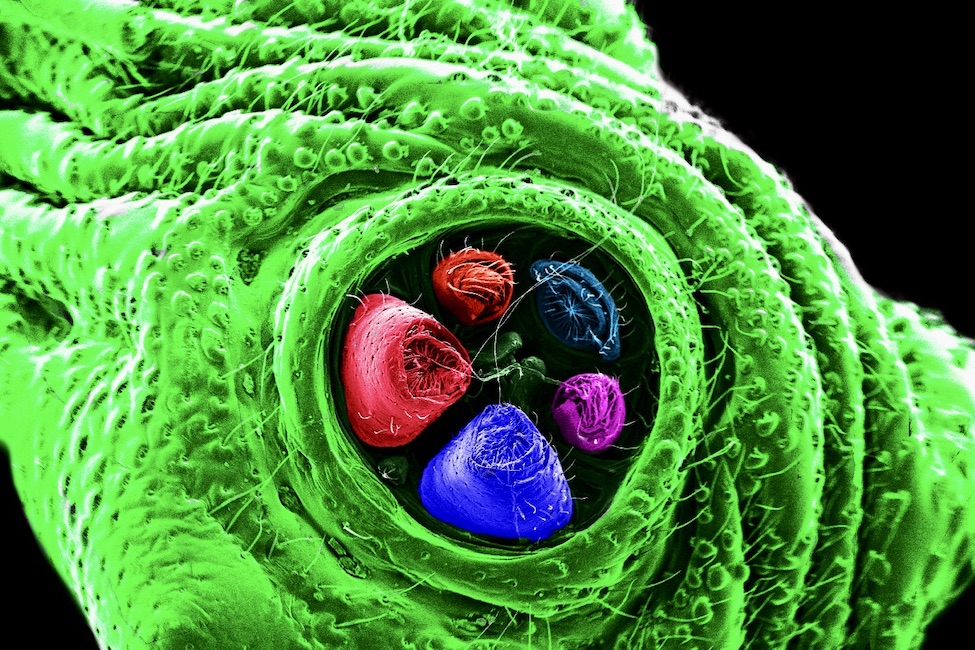
FAU is giving everyone the chance to cast their votes (again), but this time for the best images captured by its researchers in a contest that highlights work from across all of FAU's 10 colleges.
November 06, 2020
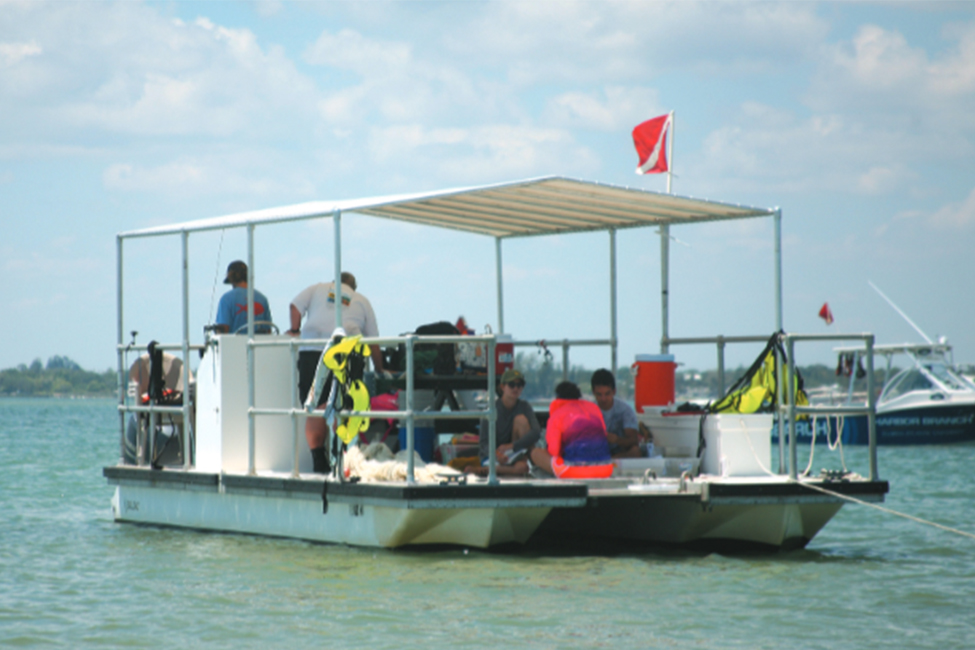
Florida Atlantic University’s Harbor Branch Oceanographic Institute is searching for mates that can help steer a vital program back on course and preserve our oceans’ health by inspiring and educating our youth. With...
November 04, 2020
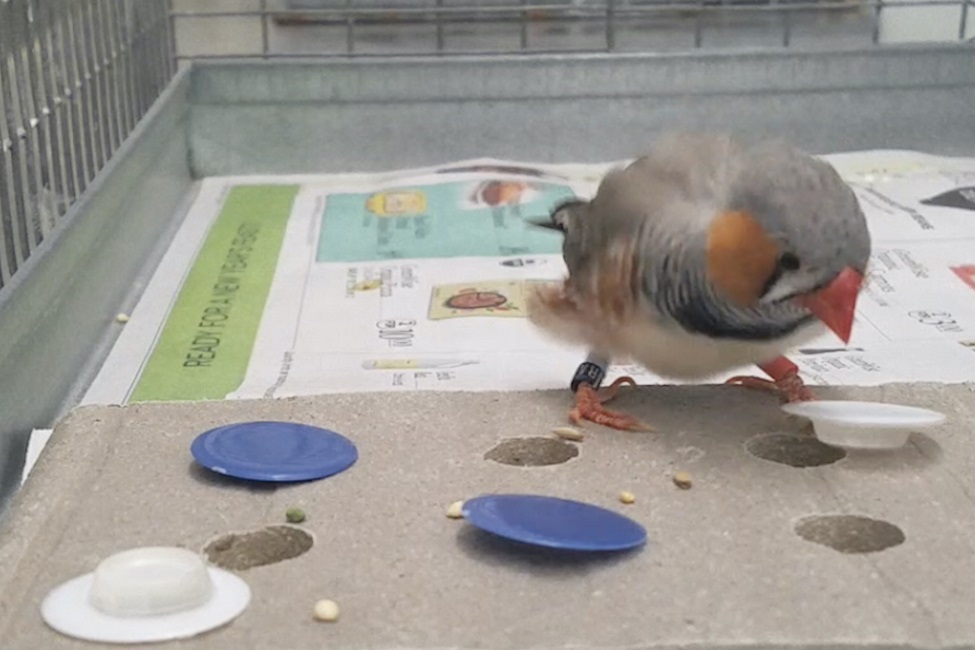
FAU scientists studied songbirds' gut microbiome and have identified potentially critical bacteria affecting cognition and performance.
October 29, 2020
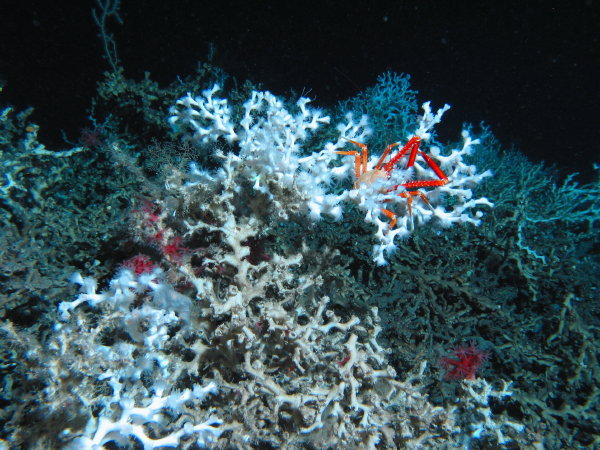
Gulf of Mexico deep-sea corals will soon be protected as part of a first-of-its-kind plan to safeguard some of the region's important coral hotspots and restrict damaging fishing gear in most of the areas.
The Gulf of Mexico...
October 20, 2020
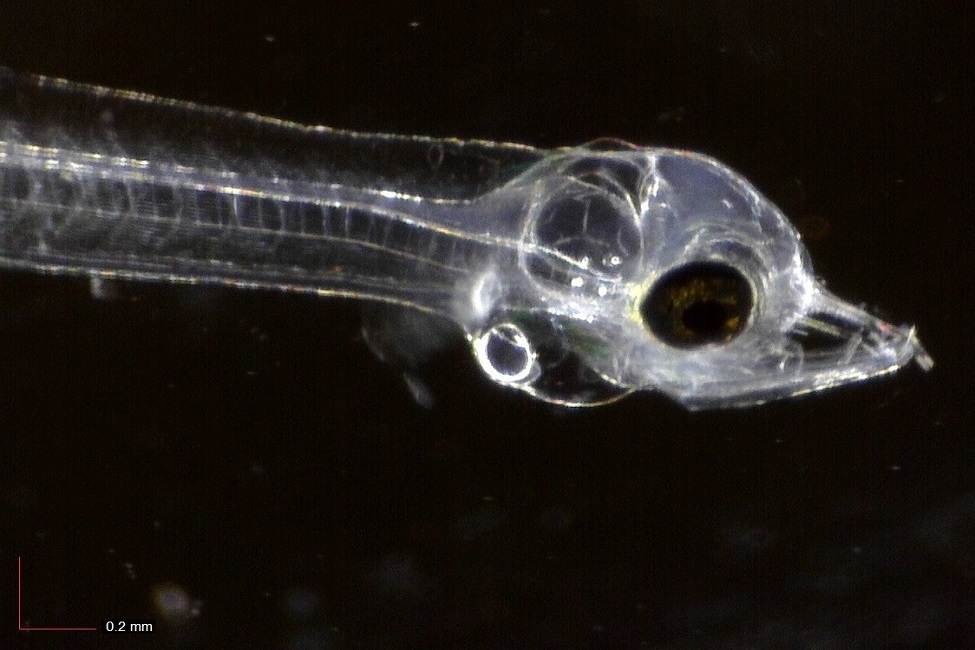
FAU Harbor Branch and Bonefish & Tarpon Trust have reached a groundbreaking milestone in fish reproduction research by successfully inducing captive bonefish to spawn in aquaculture tanks.
October 13, 2020
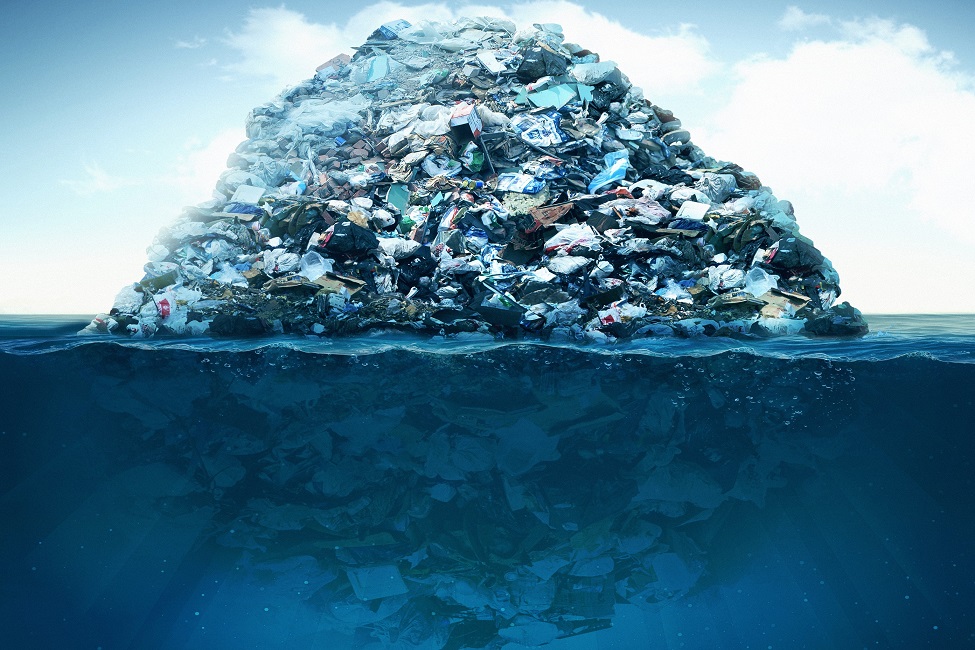
FAU Harbor Branch scientists and collaborators have obtained a quantitative number for biomass from oceanic plastic debris using a novel visualization method that provides the first estimate of its kind.
September 23, 2020
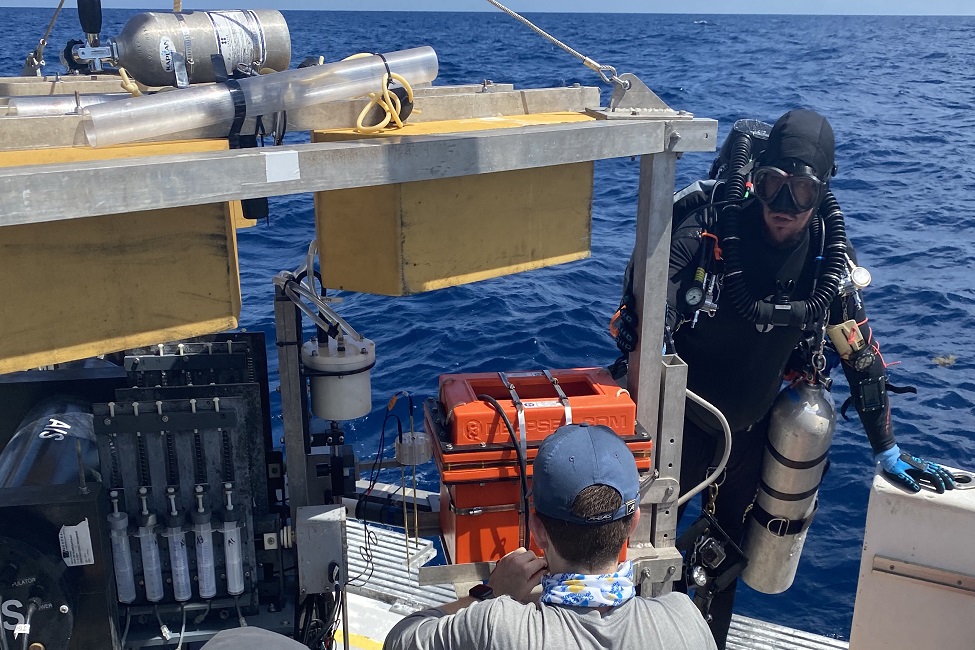
A team of scientists from FAU's Harbor Branch and collaborators recently explored the depths of the "Green Banana" Blue Hole thanks to gutsy scuba divers and an innovative 500-pound autonomous benthic lander.
September 16, 2020
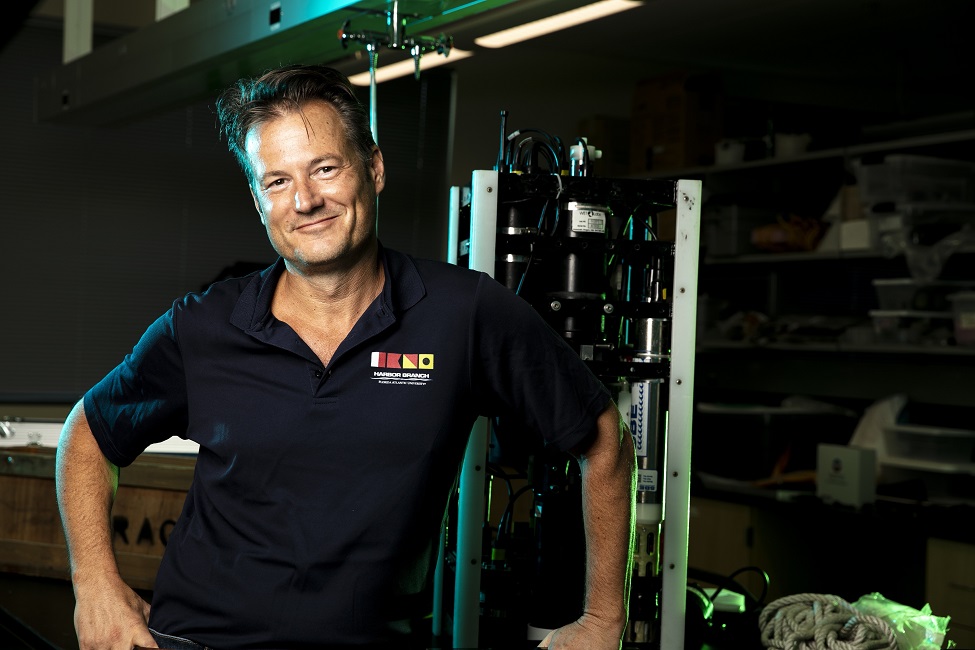
FAU's Harbor Branch has landed an $11,179,001 contract from the U.S. Office of Naval Research to develop a next-generation bathyphotometer sensor for natural oceanic bioluminescence assessments.
August 25, 2020
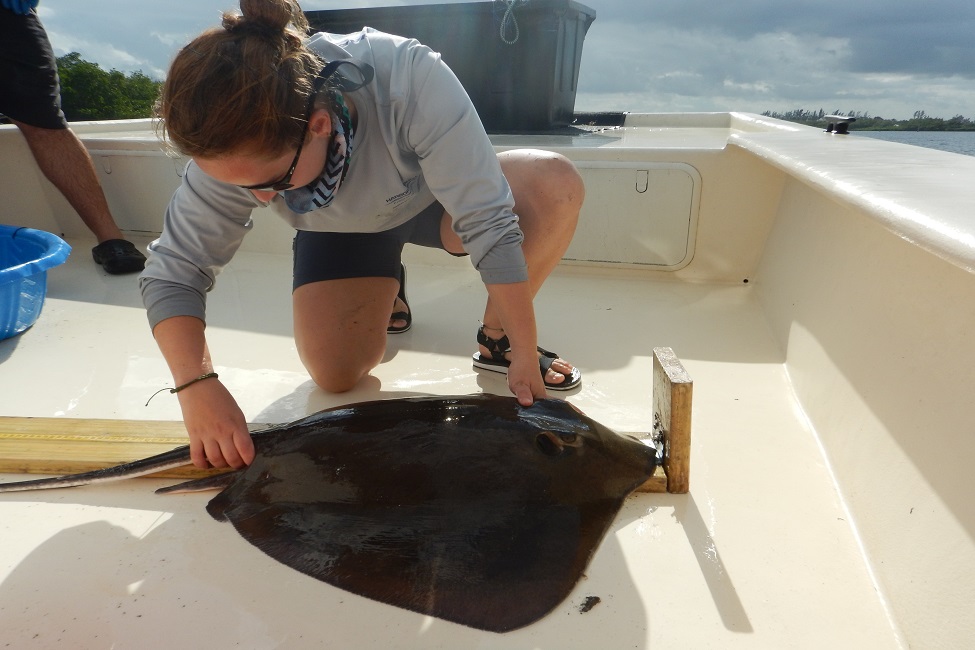
FAU Harbor Branch researchers conducted the first long-term, in-depth analysis of the elasmobranch community in the southern Indian River Lagoon, categorizing 630 individuals of 16 species.