Compressive Sensing

By Benjamin Maltbie
Slide 1: Title slide for Compressive Sensing presentation by Benjamin Maltbie

Slide-1

Benjamin Maltbie

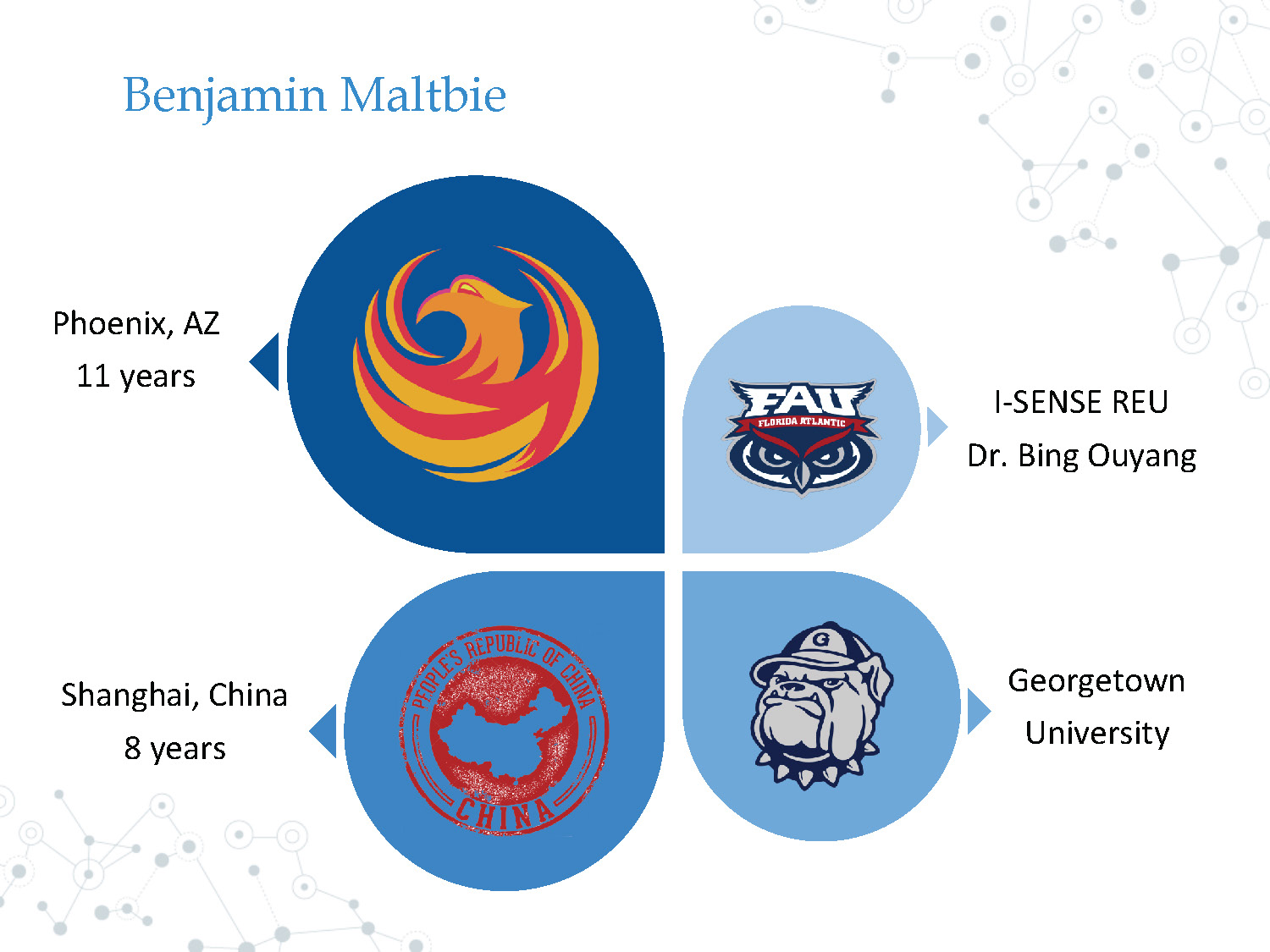
Slide 2: Background information showing Benjamin Maltbie's profile with locations and educational details

Slide-2

Background

Benjamin Maltbie

Phoenix, AZ - 11 years

Shanghai, China - 8 years

Georgetown University

I-SENSE REU

Dr. Bing Ouyang
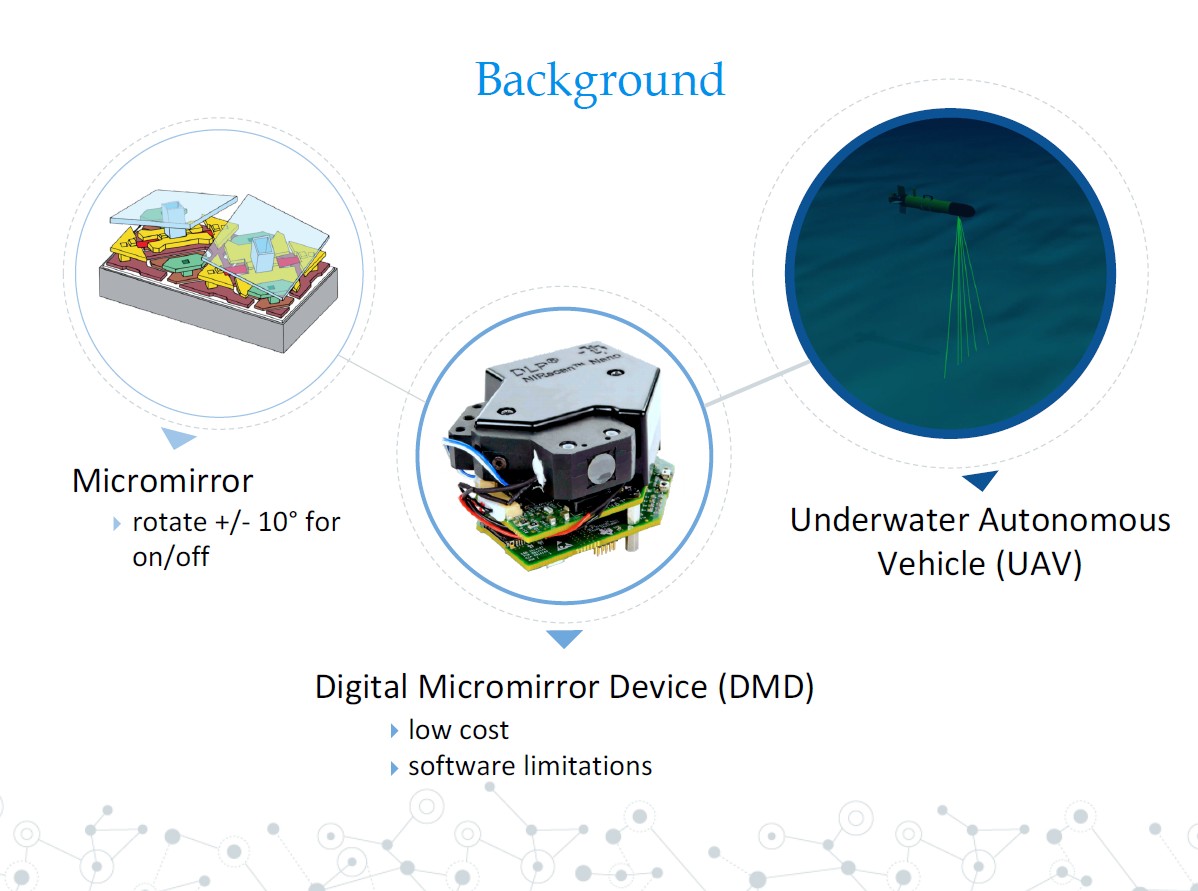
Slide 3: Technical background slide showing micromirror technology and DMD specifications

Slide-3

Background

Micromirror

rotate +/- 10° for on/off

Digital Micromirror Device (DMD)

low cost

software limitations

Underwater Autonomous Vehicle (UAV)
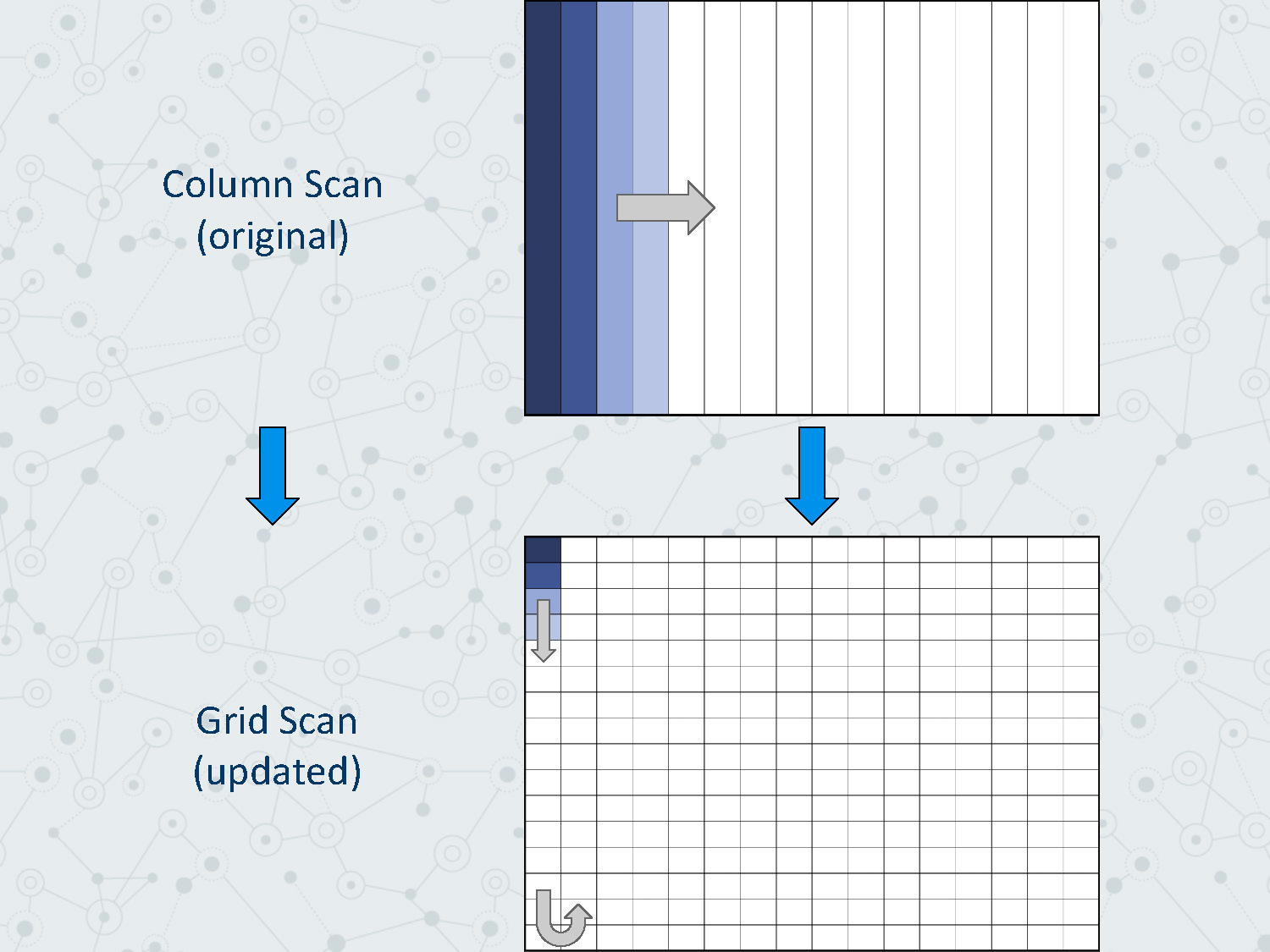
Slide 4: Scanning methods comparison showing Column Scan original method versus Grid Scan updated method

Slide-4

Scanning Methods

Column Scan (original)

Grid Scan (updated)

This slide illustrates the comparison between two scanning approaches used in the compressive sensing system.
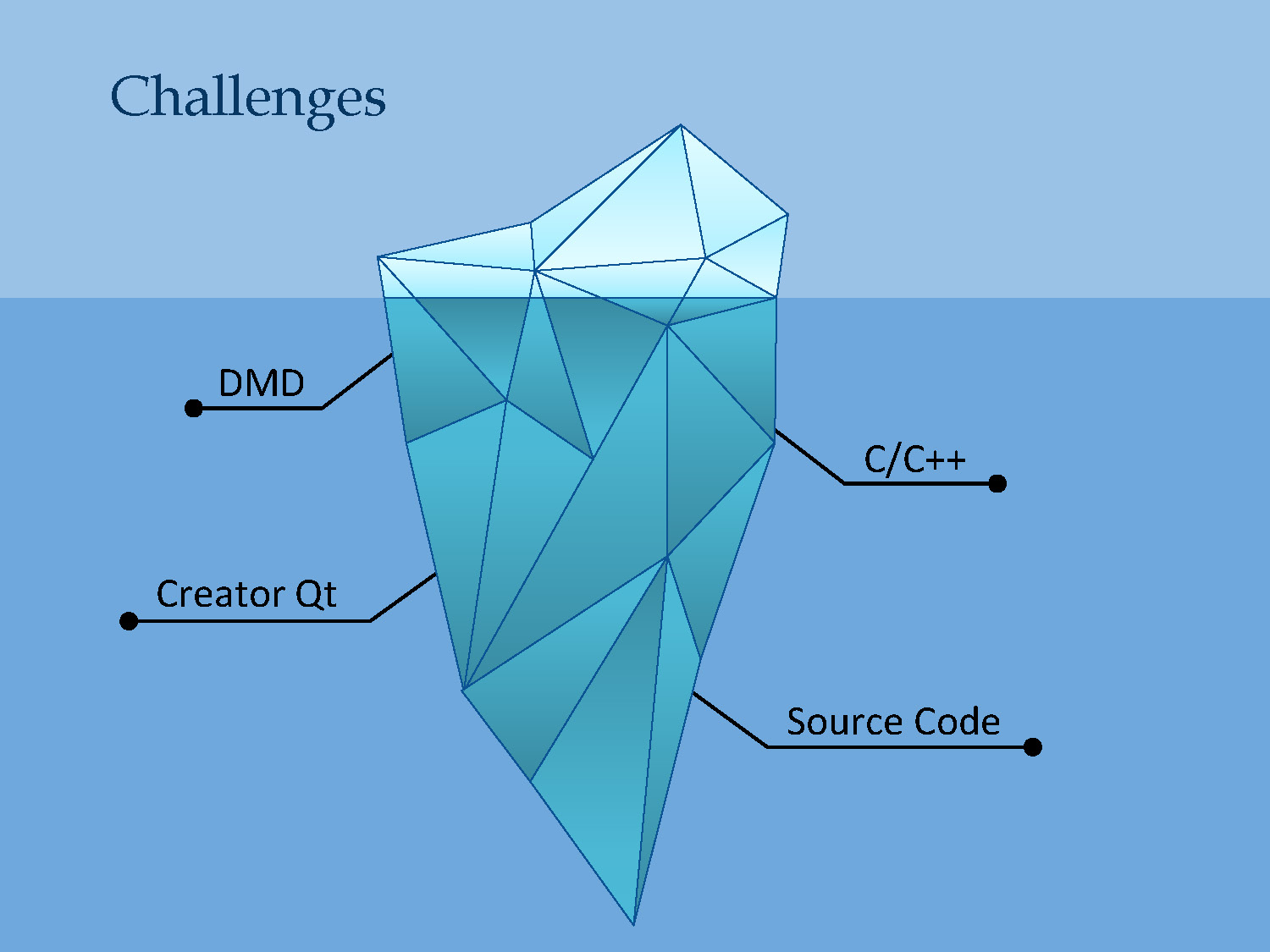
Slide 5: Challenges section listing technical implementation difficulties

Slide-5

Challenges

  • DMD
  • Creator Qt
  • C/C++
  • Source Code
Slide 6: Future Work section outlining planned improvements and developments

Slide-6

Future Work

  • Color map
  • Debug helper
  • Scan queue
Slide 7: Thank you slide with question prompt for audience interaction

Slide-7

Thank you!

Any questions?

Last slide: Contains plain text stating 'End of presentation. Click the right arrow to return to beginning of slide show.'

End of Presentation

Click the right arrow to return to the beginning of the slide show.

For a downloadable version of this presentation, email: I-SENSE@FAU.

Additional Information
The Institute for Sensing and Embedded Network Systems Engineering (I-SENSE) was established in early 2015 to coordinate university-wide activities in the Sensing and Smart Systems pillar of FAU’s Strategic Plan for the Race to Excellence.
Address
Florida Atlantic University
777 Glades Road
Boca Raton, FL 33431
i-sense@fau.edu