News
October 13, 2026
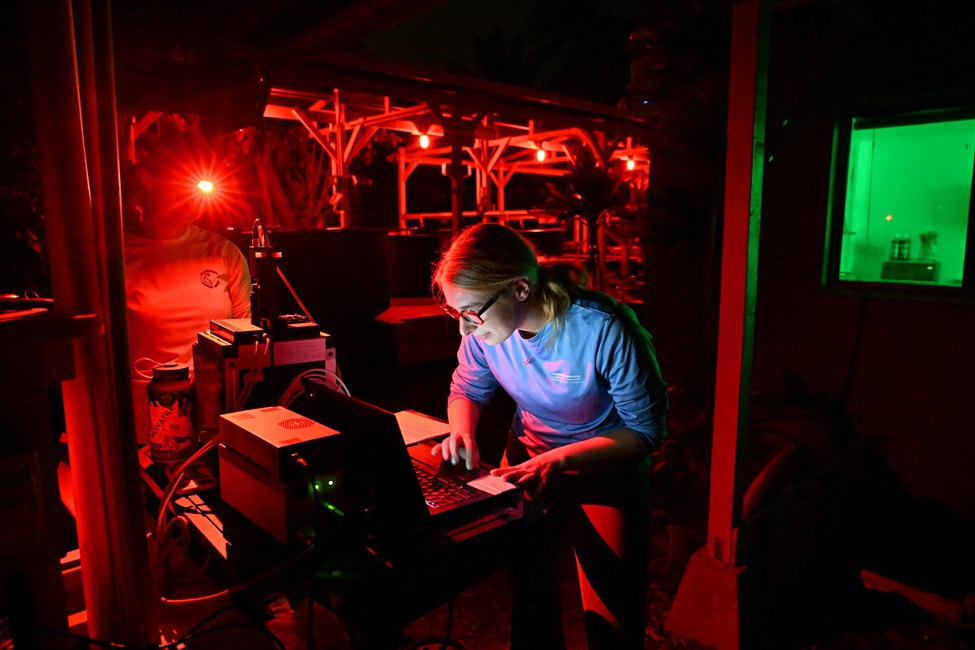
New FAU Harbor Branch research reveals why some corals withstand ocean warming better than others, offering insights to help identify resilient corals and guide reef restoration as marine heat waves intensify.
October 01, 2026
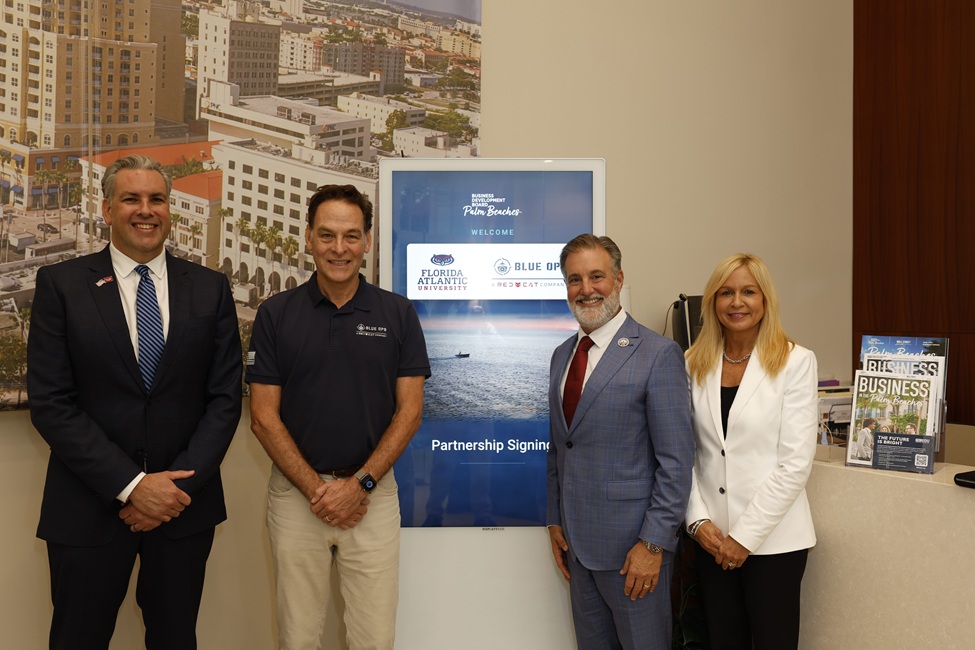
Blue Ops is establishing a maritime systems operation at FAU Harbor Branch in Fort Pierce, creating a hub for ocean technology, autonomous systems, national defense research, testing and workforce development.

September 23, 2026
FAU Harbor Branch names internationally recognized optical oceanography expert Michael Twardowski, Ph.D., as its first Edwin A. Link Ocean Technology and Defense Endowed Professor.
August 18, 2026
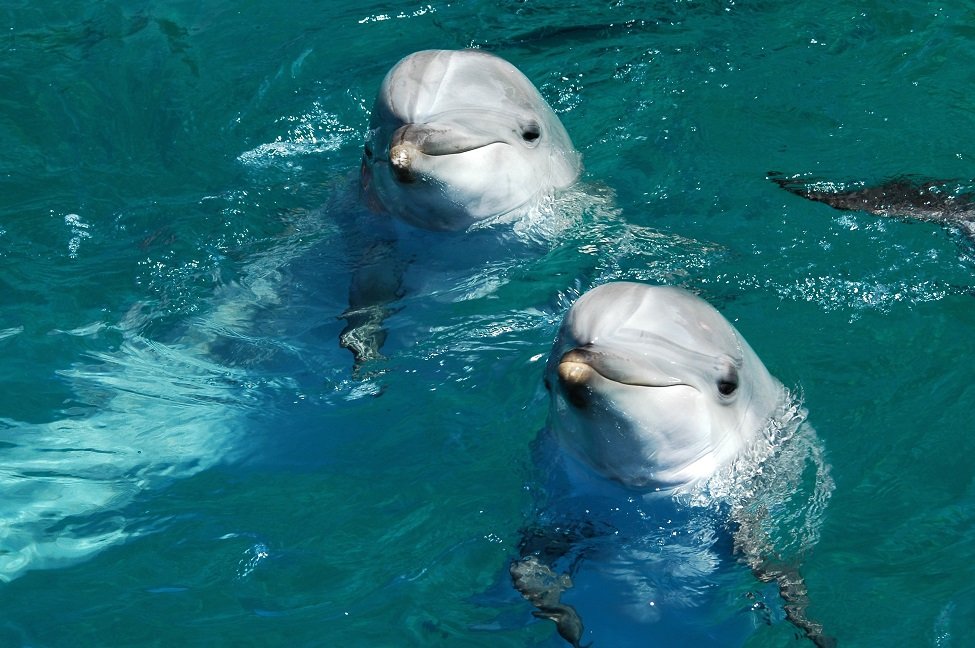
What if dolphins are listening to their prey--and their prey are listening right back? FAU researchers reveal acoustic clues about where dolphins socialize, hunt and interact with their underwater world.
August 04, 2026
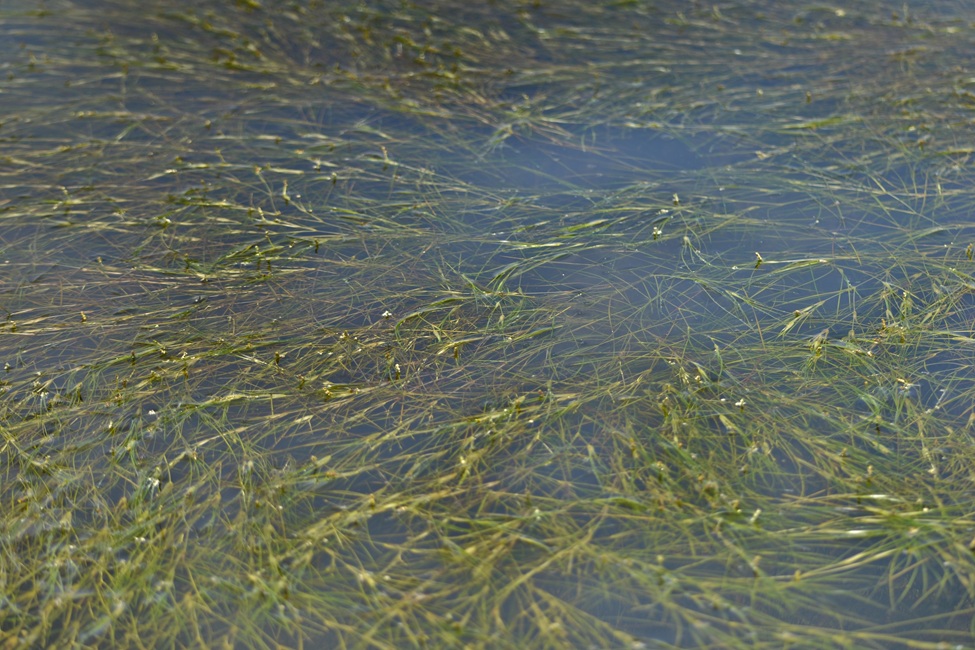
FAU Harbor Branch researchers found a resilient seagrass that survives environmental stress and regenerates from seeds, offering new hope for restoring degraded habitats in the Indian River Lagoon.
July 28, 2026
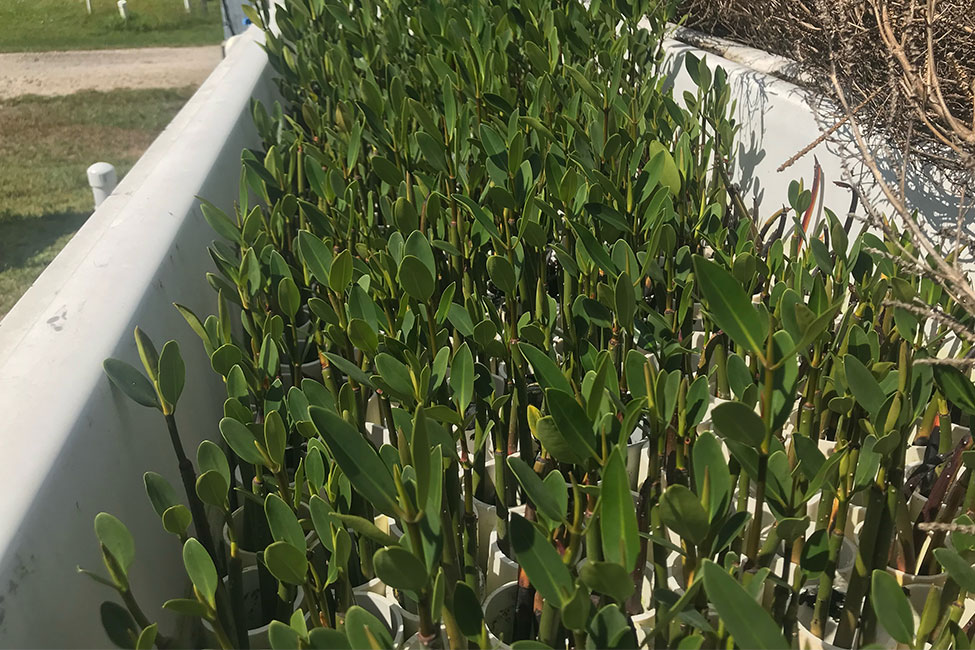
Florida Atlantic University's Harbor Branch Oceanographic Institute has received a $250,000 gift from the Betty Wold Johnson Foundation to develop a mangrove restoration project at Harbor Branch.
June 25, 2026
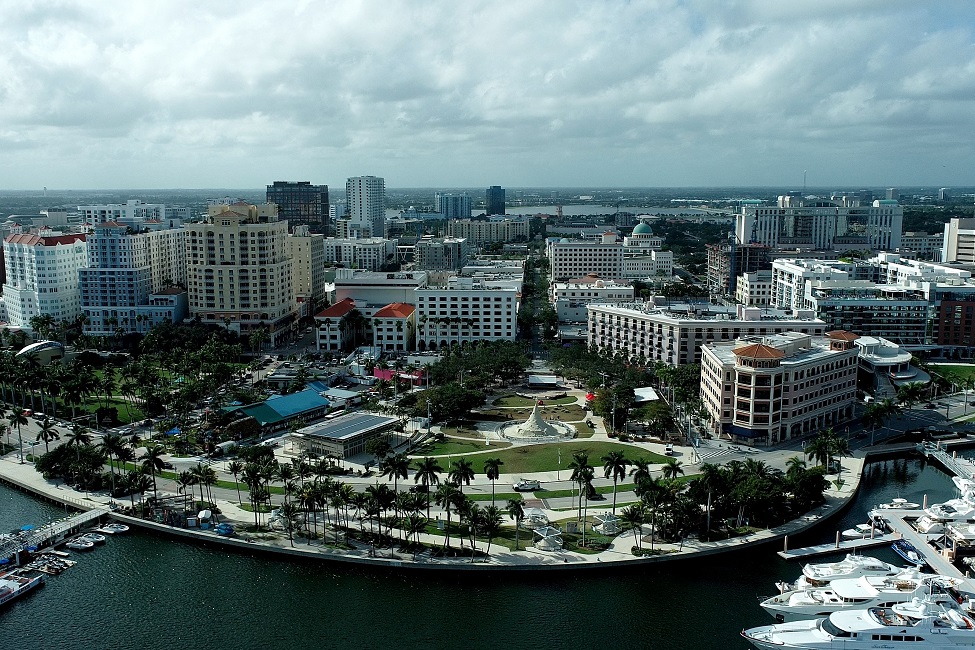
Celebrating a decade of innovation, FAU's I-SENSE has evolved into I-SENSE: The Institute for Smarter Cities, Spaces, and Health, reflecting its expanding impact on communities, technology and health.
June 17, 2026
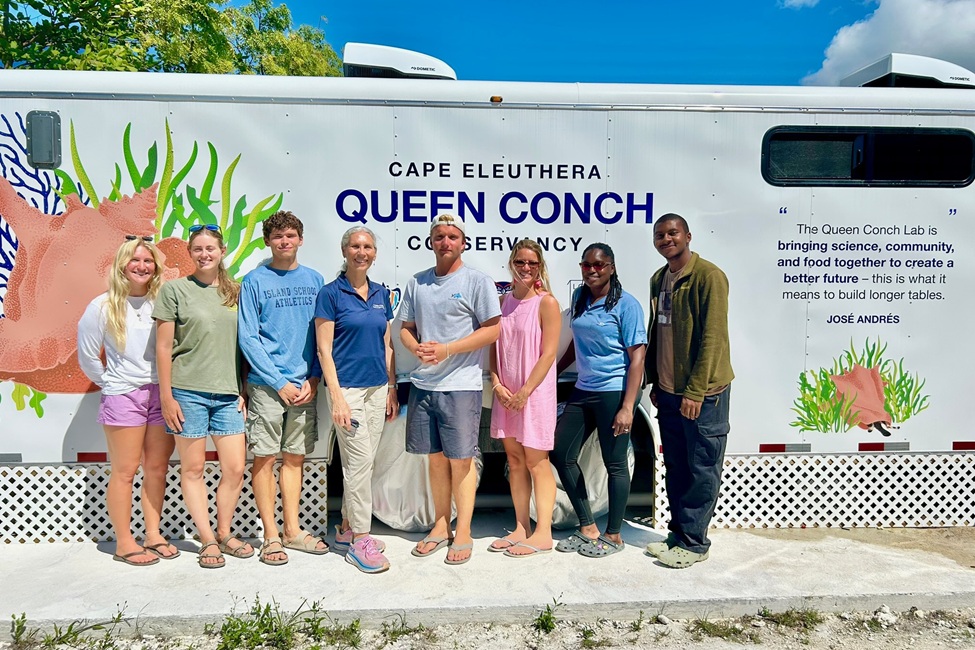
FAU Harbor Branch's Queen Conch Mobile Lab in The Bahamas has achieved its first hatch, marking a major step toward restoring this iconic species and producing up to 2,000 juveniles annually.
May 21, 2026
FAU faculty are leading experts on a wide range of hurricane-related issues and are available to discuss topics such as forecasting, flooding, storm impacts, climate resilience and disaster recovery.
March 31, 2026
By tracking infections across snails, crabs and fish, FAU researchers reveal a surprising twist to a classic biodiversity pattern. Certain trematode parasites are more common in cooler, temperate waters.