Data Sensing with Mobile Vehicles
By Jordan Miller
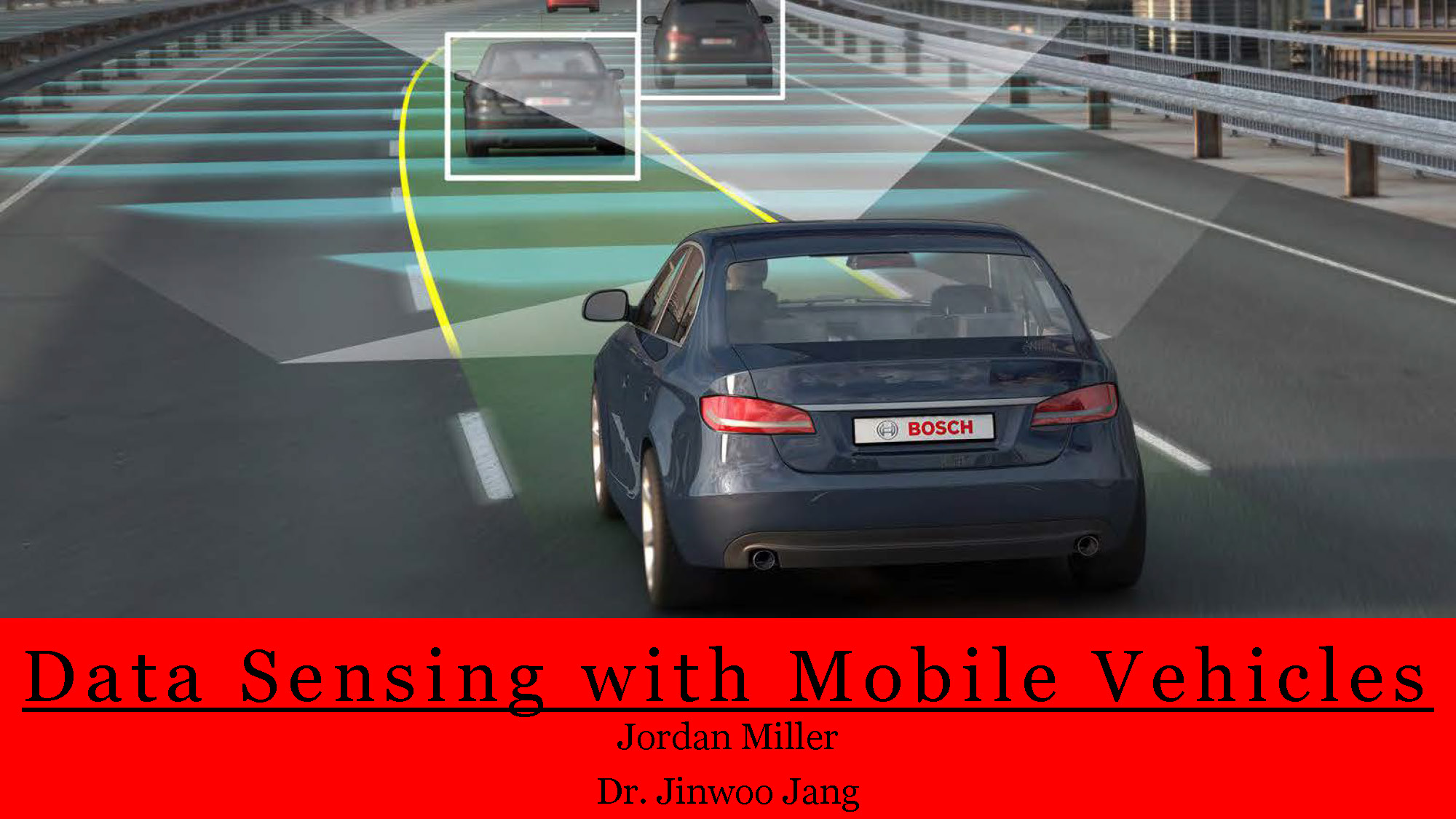
Slide 1: Title slide for Data Sensing with Mobile Vehicles presentation by Jordan Miller and Dr. Jinwoo Jang

Slide-1

Presenter: Jordan Miller

Advisor: Dr. Jinwoo Jang
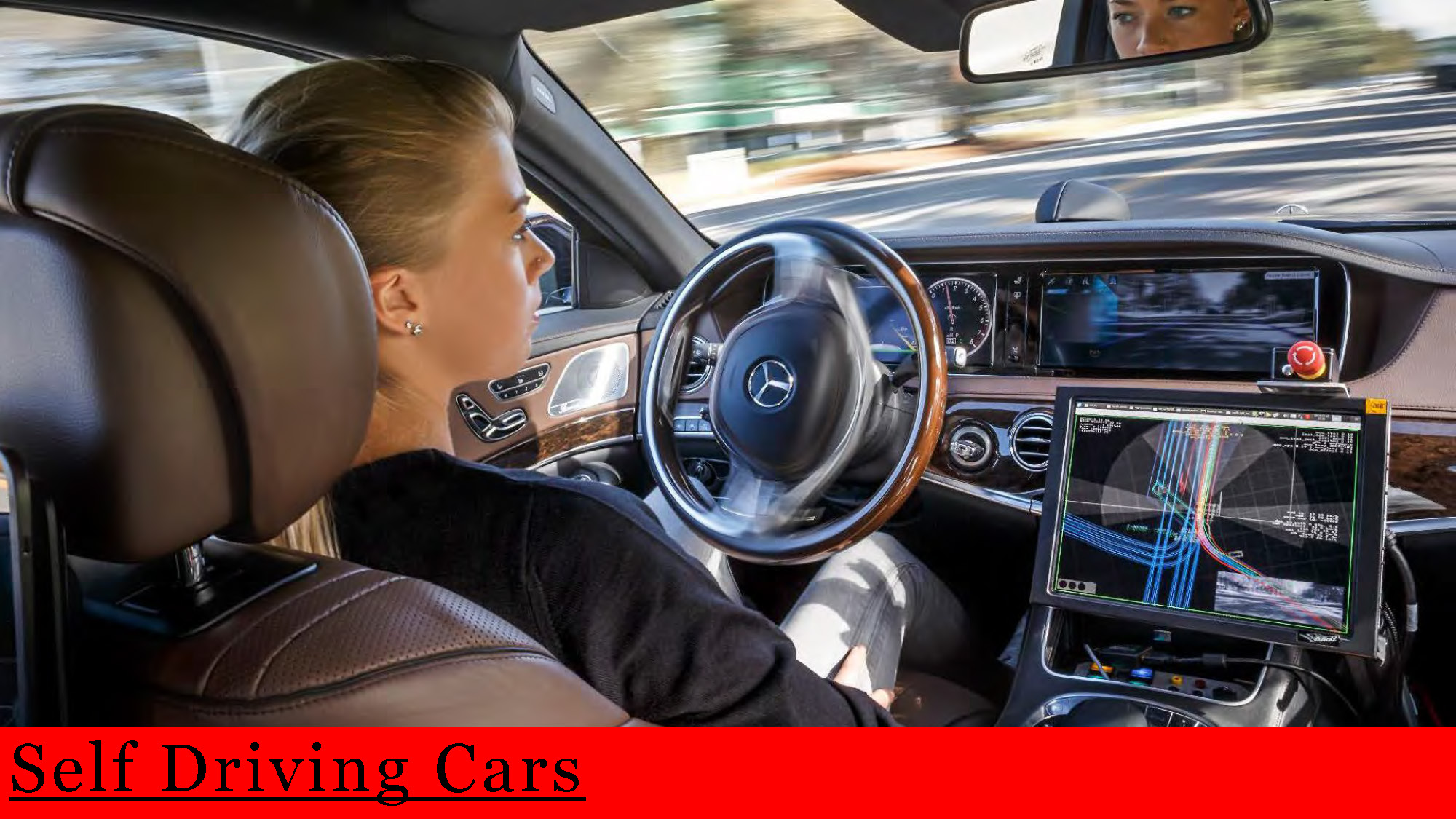
Slide 2: Self Driving Cars section with image of autonomous vehicle

Slide-2

Self Driving Cars

The slide features an image of an autonomous vehicle to illustrate the technology being discussed.
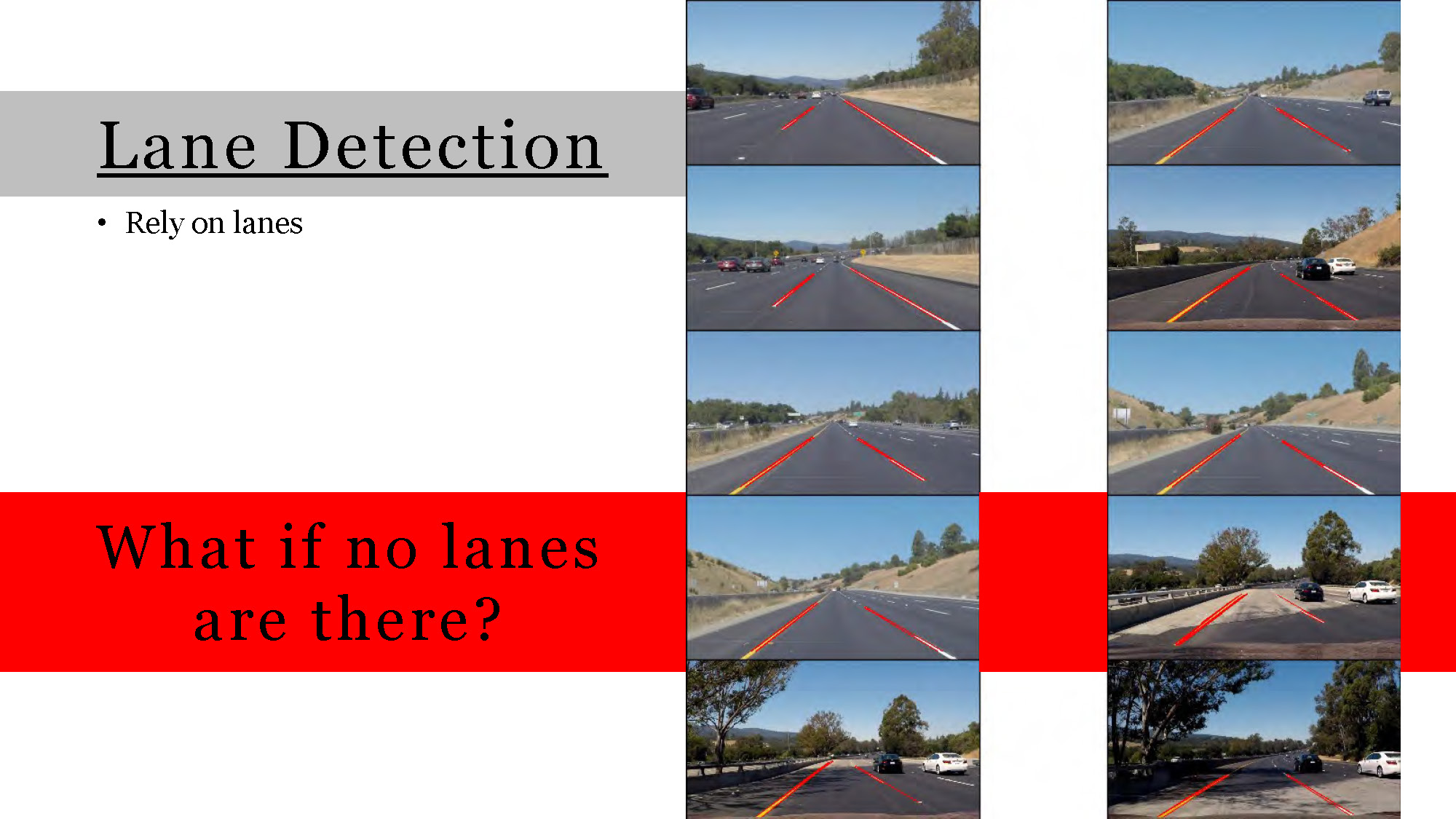
Slide 3: Lane Detection challenges showing road without lane markings

Slide-3

Lane Detection

• Rely on lanes

What if no lanes are there?

This slide addresses one of the key challenges in autonomous vehicle navigation: what happens when lane markings are not present or visible. The slide poses the critical question of how self-driving cars can navigate in situations where they cannot rely on traditional lane detection methods.
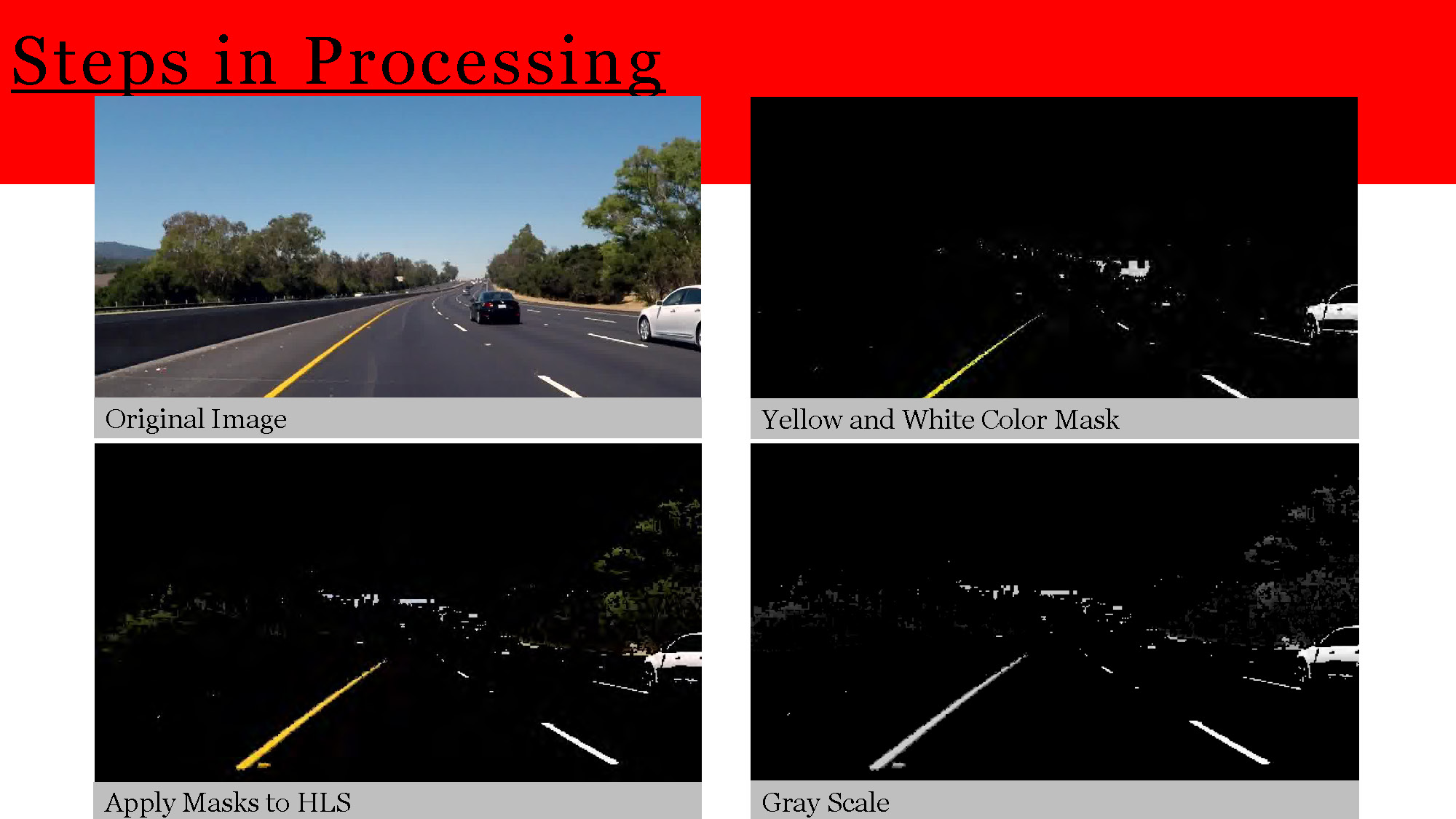
Slide 4: Image processing pipeline flowchart showing steps from original image to Gray Scale

Slide-4

Steps in Processing

The image processing pipeline consists of the following sequential steps:

  1. Original Image
  2. Yellow and White Color Mask
  3. Apply Masks to HLS
  4. Gray Scale
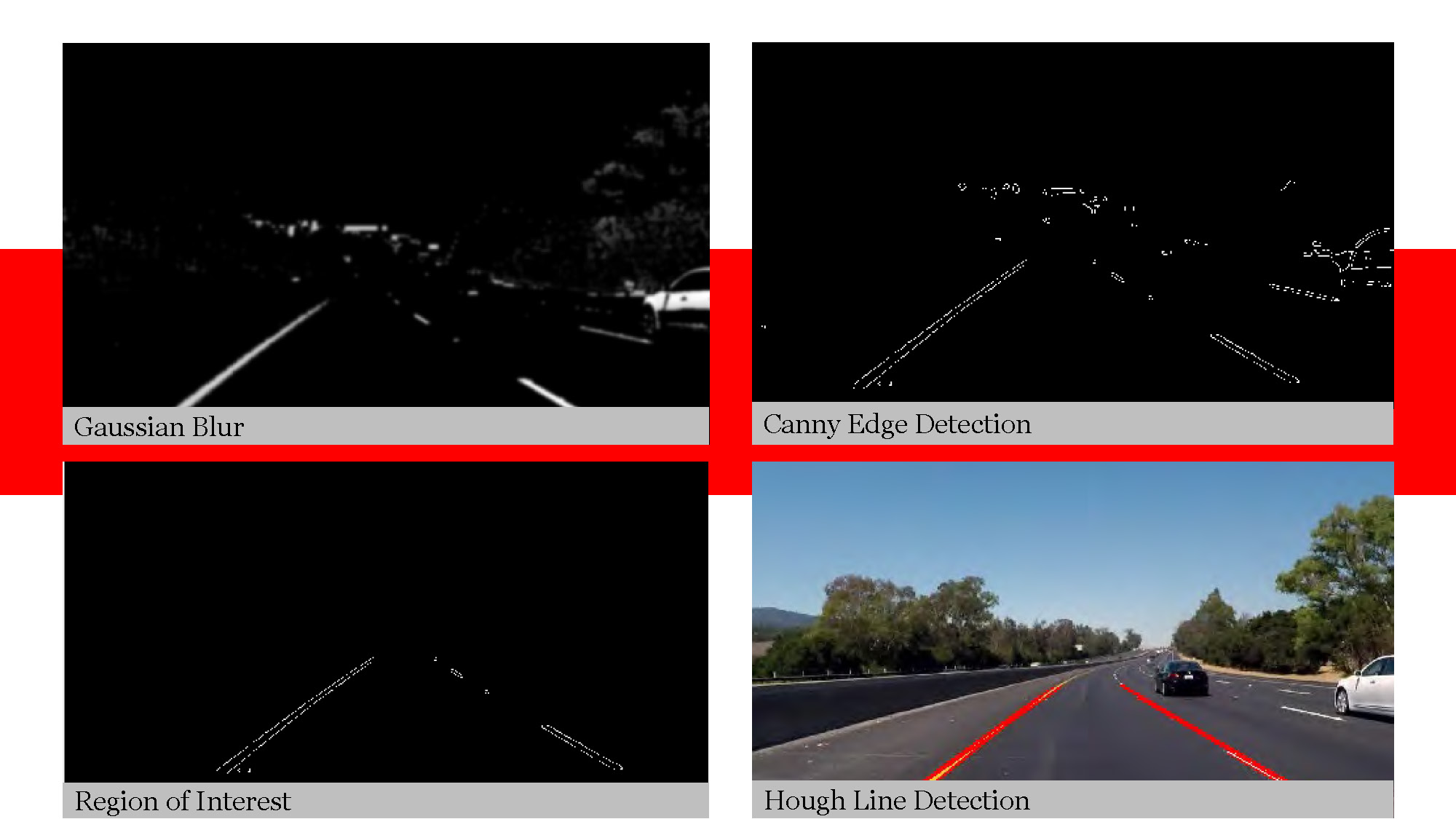
Slide 5: Image processing pipeline flowchart showing steps from Gaussian blur image to Hough Line Detection

Slide-4

Steps in Processing (continued)

  1. Gaussian Blur
  2. Canny Edge Detection
  3. Region of Interest
  4. Hough Line Detection
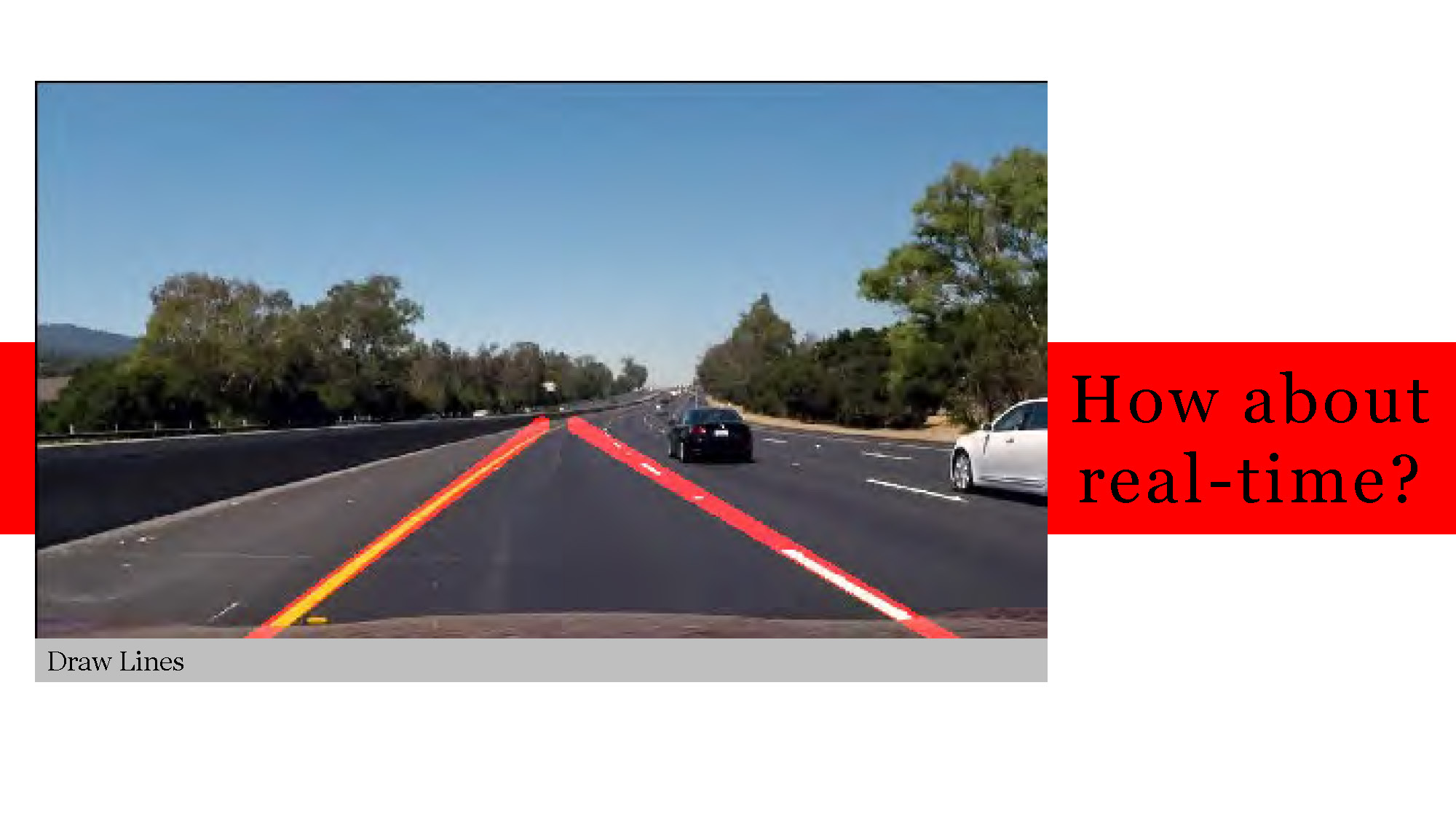
Slide 6: Image processing pipeline flowchart showing line drawing

Slide-4

Steps in Processing (continued)

  1. Draw Lines

How about real-time?

Slide 7: Conclusions listing Internet of Things, Lane Detection improvements, and GPS incorporation

Slide-7

Conclusions

  • Internet of Things
  • Lane Detection
  • Improve the algorithm
  • Incorporate GPS
Slide 8: Questions slide inviting audience interaction

Slide-8

Questions?

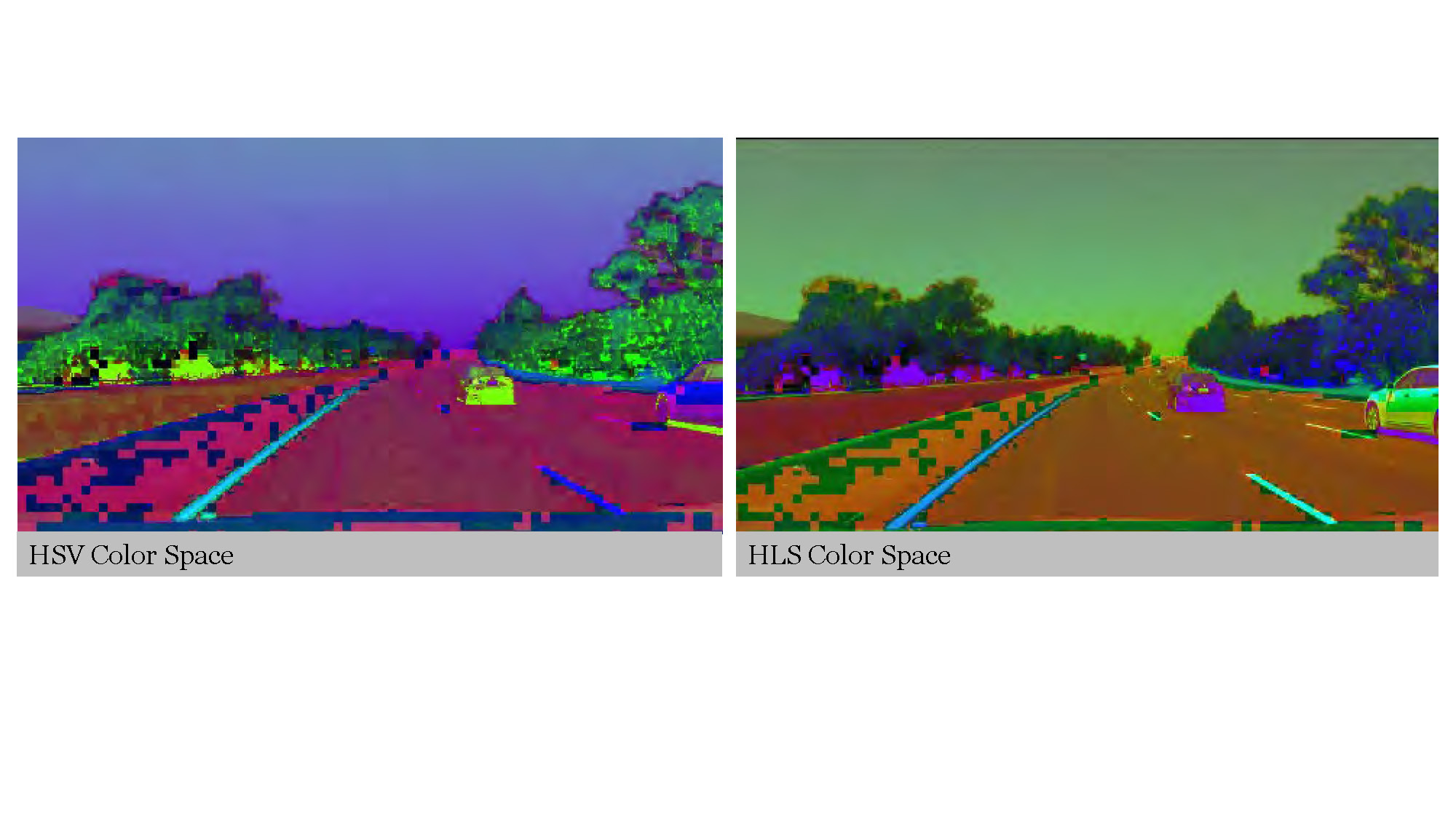
Slide 9: Color space comparison showing HSV and HLS color models

Slide-5

Color Spaces

HSV Color Space

HLS Color Space
Last slide: Contains plain text stating 'End of presentation. Click the right arrow to return to beginning of slide show.'

End of Presentation

Click the right arrow to return to the beginning of the slide show.

For a downloadable version of this presentation, email: I-SENSE@FAU.

Additional Information
The Institute for Sensing and Embedded Network Systems Engineering (I-SENSE) was established in early 2015 to coordinate university-wide activities in the Sensing and Smart Systems pillar of FAU’s Strategic Plan for the Race to Excellence.
Address
Florida Atlantic University
777 Glades Road
Boca Raton, FL 33431
i-sense@fau.edu