News
August 19, 2019
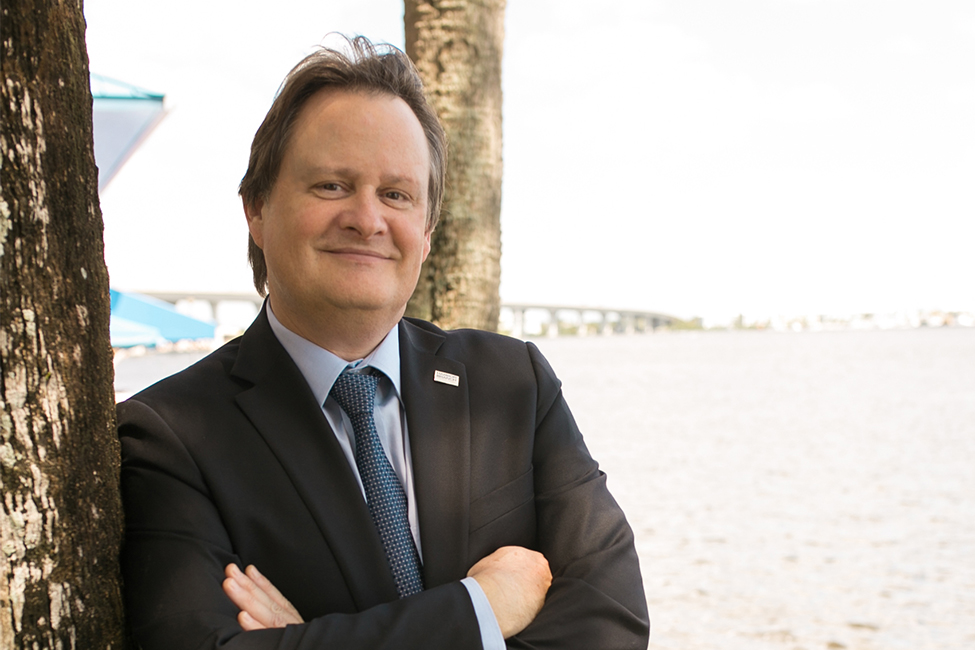
Florida Senate President Bill Galvano (R-Bradenton) announced the appointment of James M. Sullivan Ph.D., the executive director of Florida Atlantic University’s Harbor Branch Oceanographic Institute to the Florida Red...
August 07, 2019
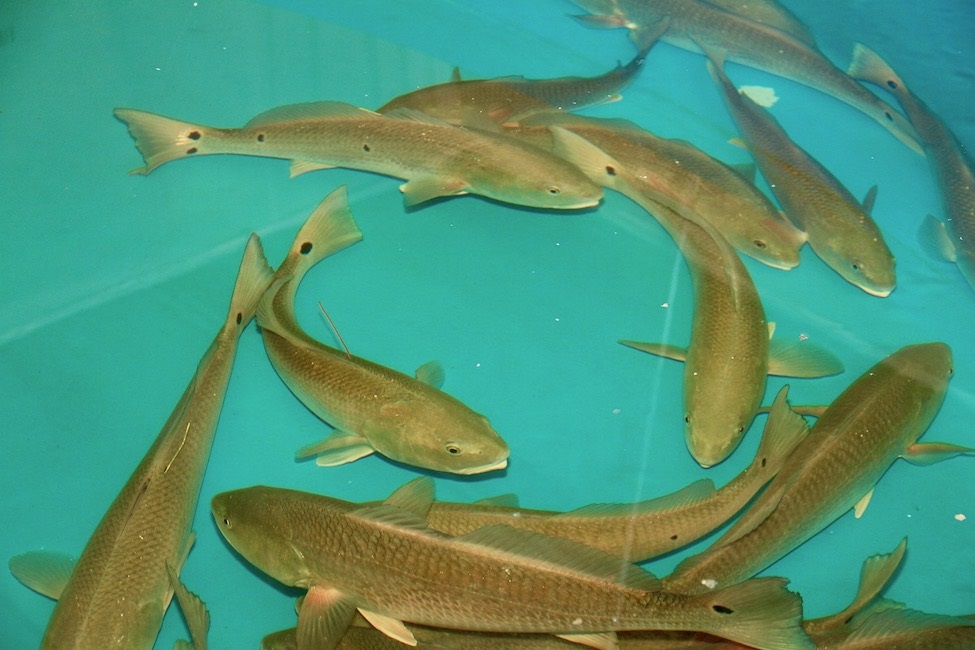
The USDA and FAU Harbor Branch aquaculture team will develop novel technologies to supply warm water marine fish seedstocks to help initiate a project that will boost the nation's aquaculture industry.
July 15, 2019
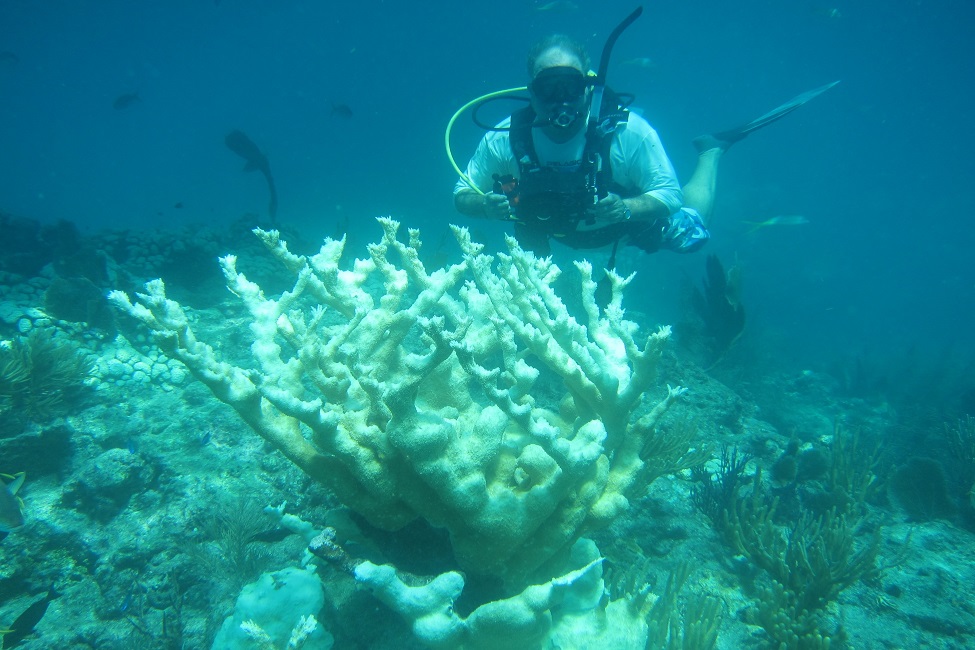
A long-term study by FAU's Harbor Branch shows that the coral bleaching problem is not just due to a warming planet, but also a planet that is simultaneously being enriched with reactive nitrogen.
July 05, 2019
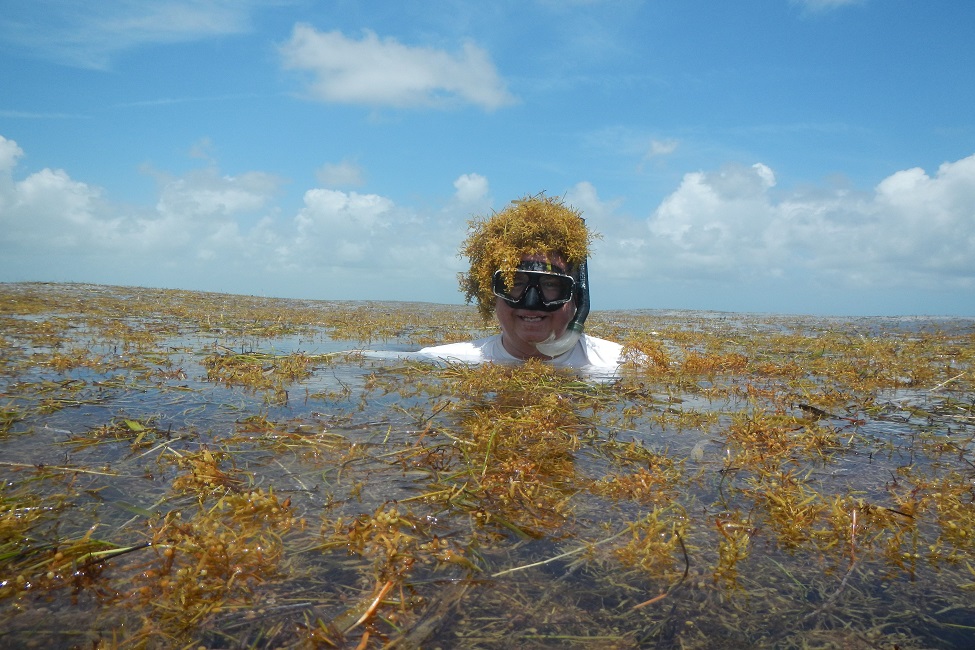
A researcher from FAU's Harbor Branch Oceanographic Institute is among a team of scientists who discovered the world's largest seaweed bloom, which spans from West Africa to the Gulf of Mexico.
June 10, 2019
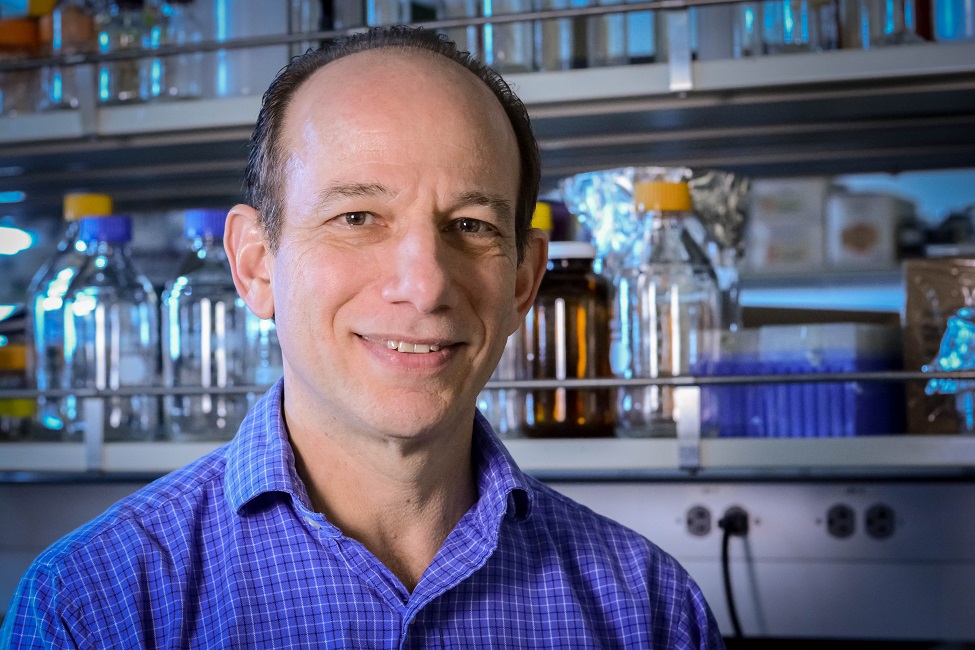
Gregg B. Fields, Ph.D., has been named as executive director of FAU's Institute for Human Health and Disease Intervention (I-HEALTH), one of the university's four research pillars.
May 16, 2019
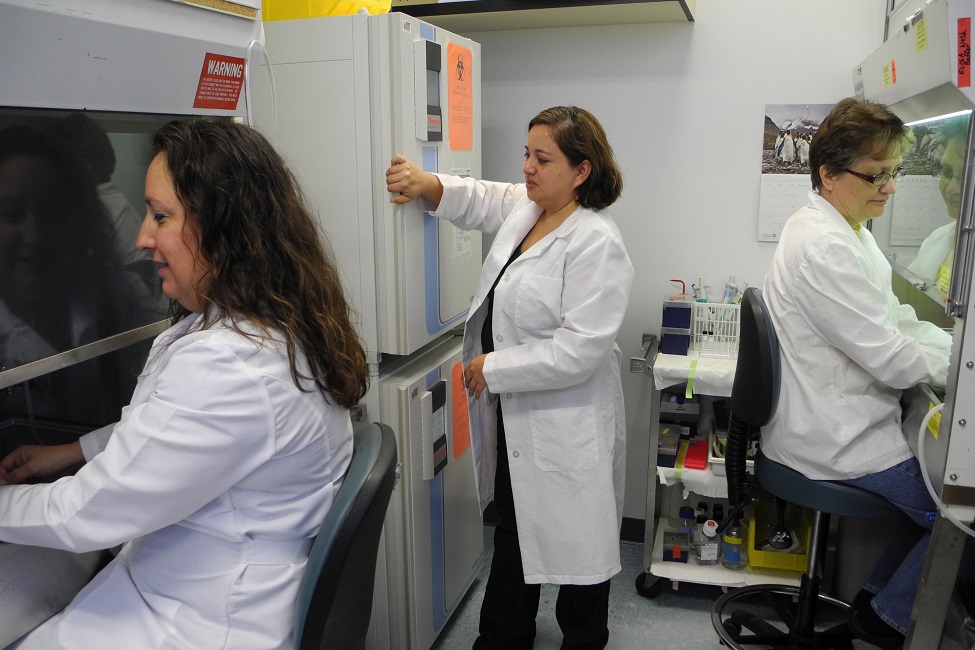
FAU Harbor Branch researchers have received $801,000 from the Florida Department of Health to investigate the use of marine natural compounds as potential treatments of triple negative breast cancers.

April 24, 2019
FAU has named Safiya George, Ph.D., as the new dean of the Christine E. Lynn College of Nursing. George is a leading scholar in the fields of HIV research, spirituality, religion and health.
February 27, 2019
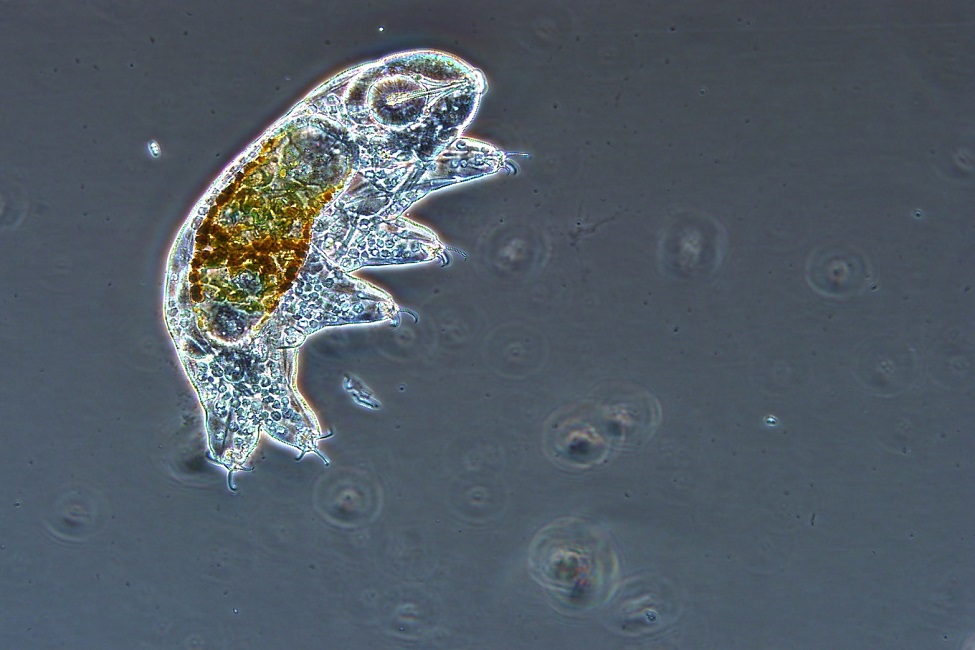
Hunter Hines is using Instagram at a global scale to engage audiences in scientific exchange. He has come up with the right formula for success and is encouraging other scientists to follow suit.
February 21, 2019
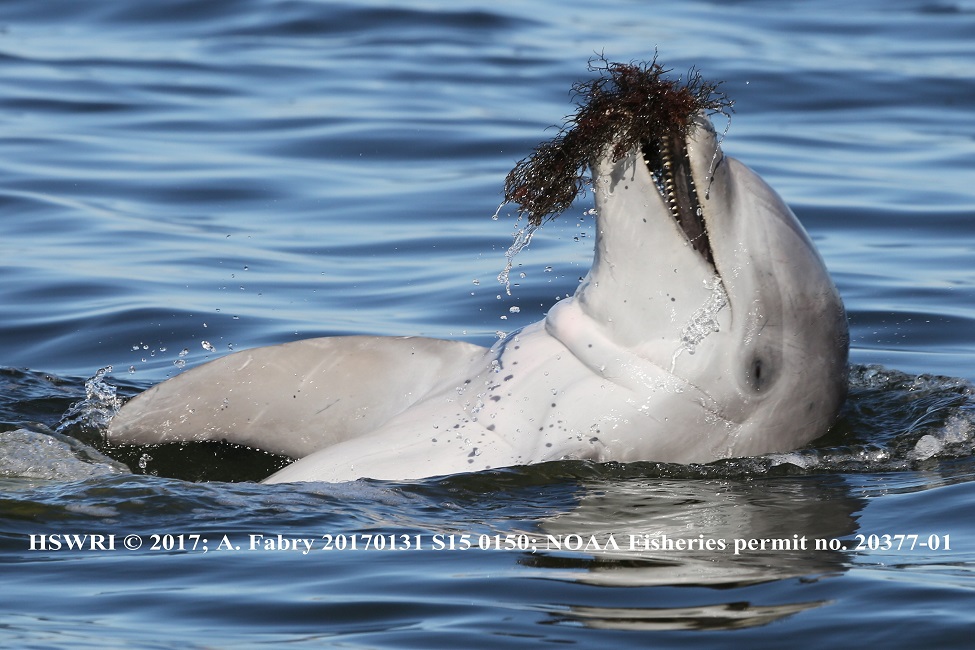
The most extensive radio-tracking effort of Indian River Lagoon bottlenose dolphins, reveals new information about how they use their habitats, spend their time, and interact with their own species.
February 20, 2019
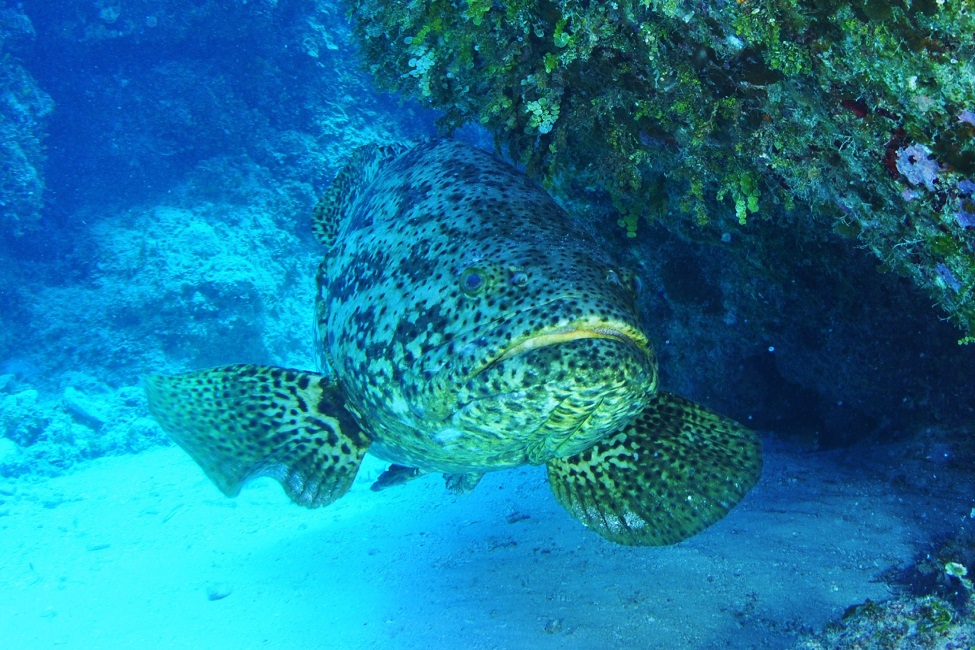
The U.S. Defense Advanced Research Projects Agency awarded FAU's Harbor Branch up to $5 million to detect undersea threats. The stealthy and exceptionally large Goliath grouper is the focus of this project.