News
January 20, 2022
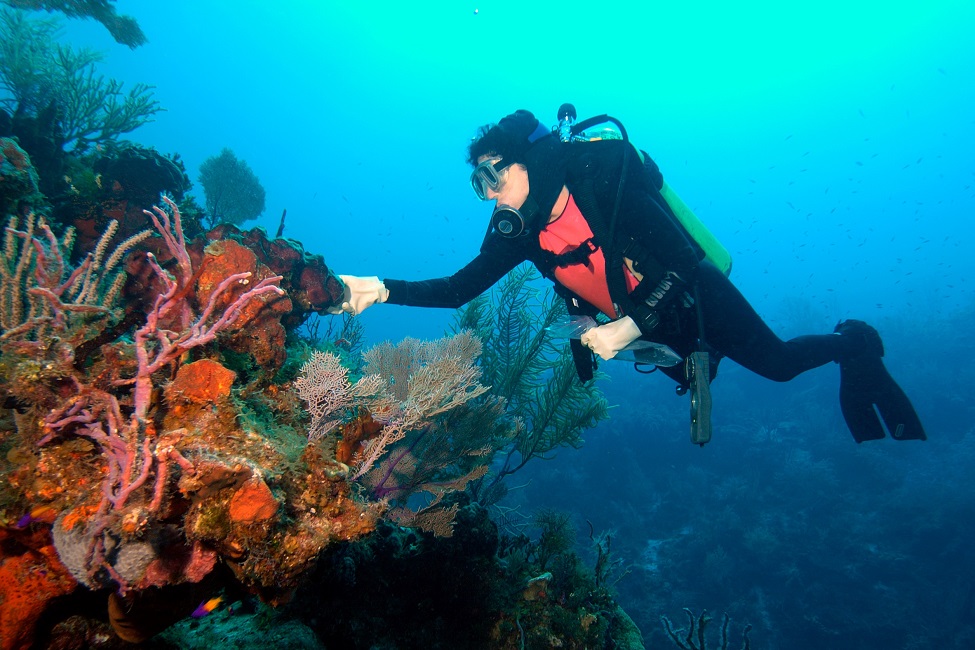
FAU Harbor Branch scientists are the first to culture sponge cells in 3D to scale-up production of sponge biomass and bioactive metabolites for novel drug compounds.
December 29, 2021
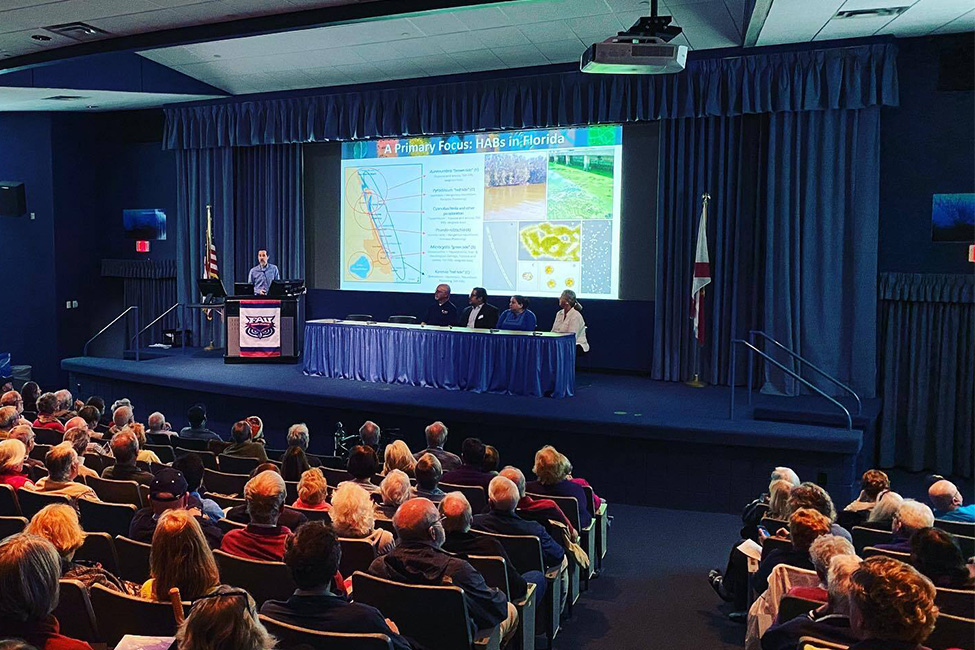
Florida Atlantic University’s Harbor Branch Oceanographic Institute in Fort Pierce will kick off the “50 Years of Ocean Science for a Better World Ocean Science Lecture Series” on Wednesday, Jan. 12, 2022 at 4 p.m.,...
December 02, 2021
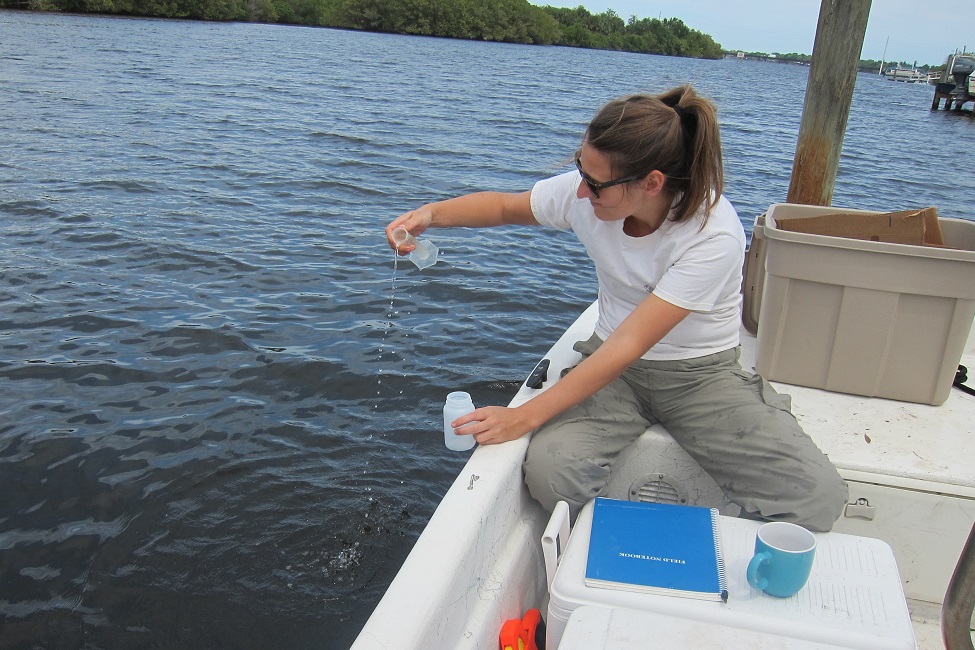
There are more than 300,000 septic systems adjacent to Florida's Indian River Lagoon. A new FAU Harbor Branch study shows even properly functioning septic systems contaminate groundwater and surface water.
November 18, 2021
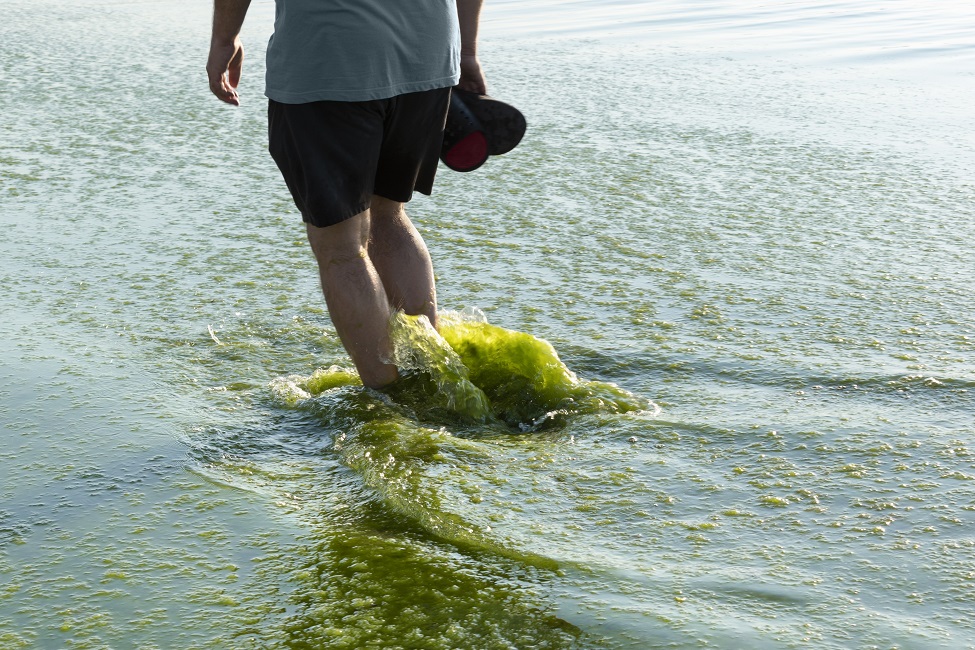
FAU has received a grant from the Florida Department of Health to continue a first-of-its-kind study of the short-term and potential long-term health effects of harmful algal blooms among Florida residents.
November 04, 2021
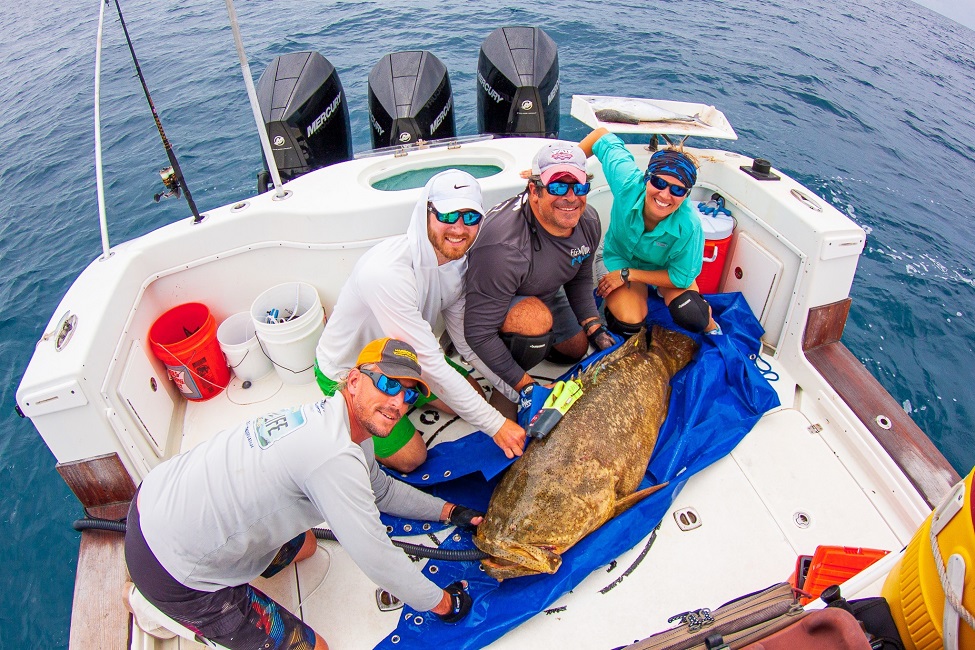
A study by FAU researchers is the first to reveal detailed behavior of massive goliath groupers in the wild using a custom-built multi-sensor tag combined with artificial intelligence.
October 20, 2021
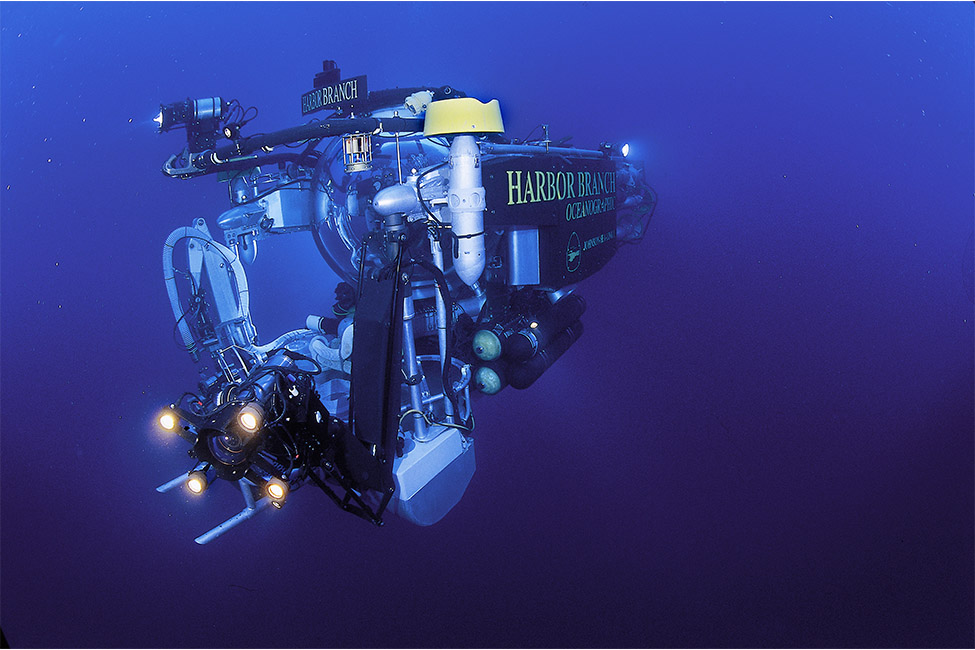
Florida Atlantic University Harbor Branch Oceanographic Institute will host a series of special events to celebrate its 50th anniversary with “Ocean Science for a Better World®,” beginning on Monday, Nov. 1.
October 14, 2021
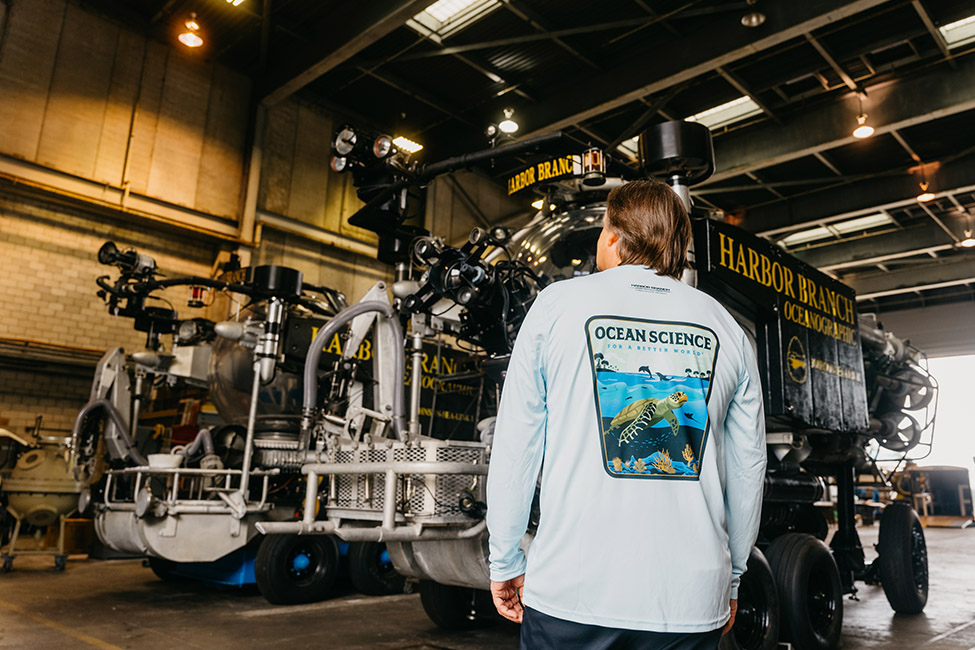
Florida Atlantic University Harbor Branch Oceanographic Institute today announced a new partnership with MANG® as a tribute to the institute’s key research areas.
September 22, 2021
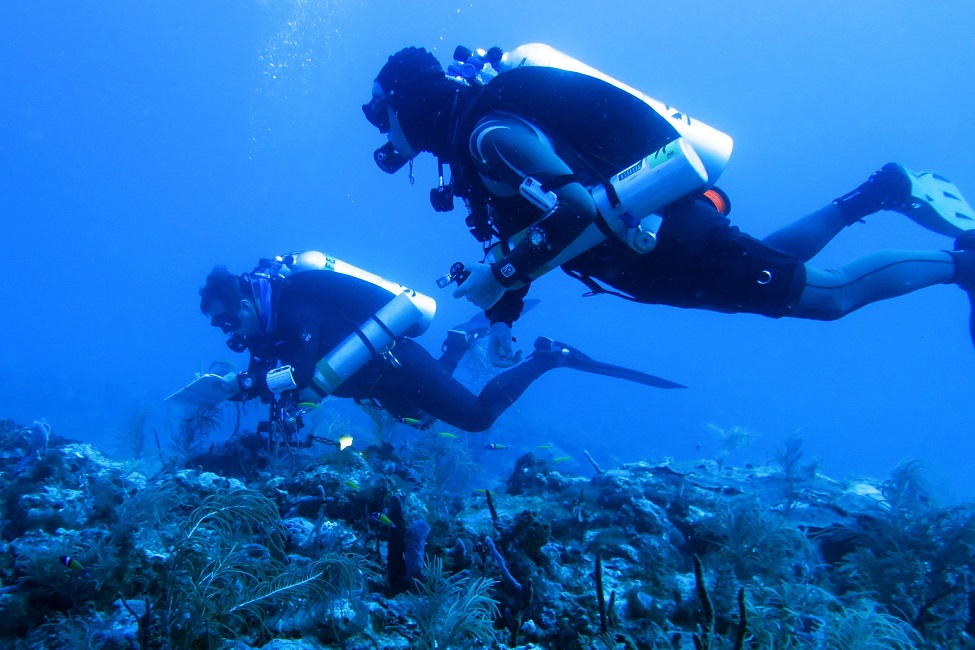
FAU Harbor Branch scientists compared coral genetic variation in the Dry Tortugas and Florida Keys…
September 16, 2021
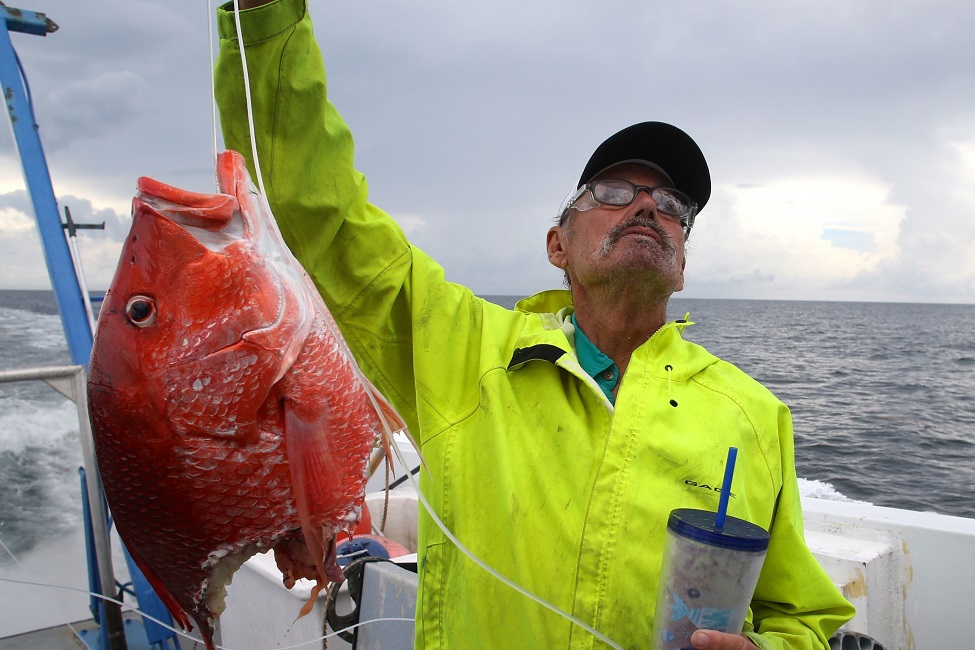
Researchers from FAU Harbor Branch will assess shark interactions with recreational fishing using a citizen-science approach, forensics and social media to gauge prevalence and species of fish involved.
September 15, 2021
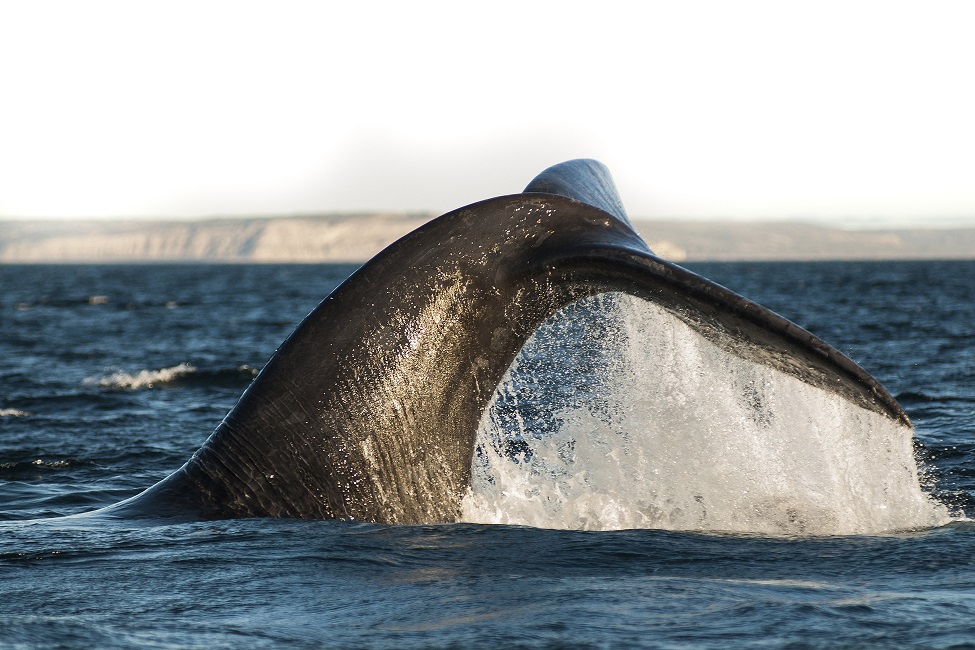
FAU researchers have developed autonomous passive acoustic technology that offers significant advances on conventional methods used to monitor and protect endangered whales in the increasingly noisy ocean.