Mind Over Matter
A Veteran-driven Roadmap to Research on Traumatic Brain Injury
Funding Information
This project was funded through a Patient Centered Outcomes Research Institute® (PCORI®) Eugene Washington PCORI Engagement Award (21037-FAU).
Disclaimer
The content presented in this roadmap are solely the responsibility of the author(s) and do not necessarily represent the views of the Patient-Centered Outcomes Research Institute® (PCORI®), its Board of Governors or Methodology Committee.
Contact Information
This document may not be reproduced, in whole or in part, without written permission. Please send all inquiries to
cpaww@health.fau.edu.
Acknowledgements
This roadmap was developed in collaboration with the numerous veterans, mental health clinicians, and researchers who donated their time, feedback, and expertise in participation of this project.
Table of Contents
Introduction
Contributors
Methods
Participation
Evaluation Metrics
Team Retreat
CER Questions
Engagement Strategies
Reference Page
Introduction
Veterans who have deployed overseas are a population of special concern due to an increased incidence of a traumatic brain injury (TBI) diagnosis. Symptom clusters of mild traumatic brain injury (mTBI) usually fall within four categories: thinking/remembering, physical, emotional/mood, and sleep. Oftentimes these symptoms require relying on trusted caregivers and clinicians when making health care decisions. The impact of a mTBI on a person and their family can be devastating. Sound treatment options and healthcare decision-making require veterans with mTBI and their caregivers to have accurate, up to date, understandable, evidence-based information, and the decision-making capacity to use that information.
Mind Over Matter (M.O.M.) targets that by creating a platform for veterans with a mTBI and their caregivers, giving them an active voice in developing a clear pathway for increasing the relevance of mTBI research and outcomes. This is important to help them live their healthiest lives and serve as the foundation for a veteran-driven PCOR community.
Contributors
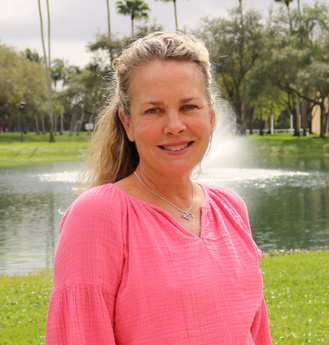
M.O.M. Project Lead
Associate Vice President for Research (Interim), Associate Executive Director & Faculty Fellow, Institute for Humand Health and Disease Intervention (I-HEALTH) Director, C-P.A.W.W. Canines Providing Assistance to Wounded Warriors Health Research Initiative for Veterans Professor (Secondary), Christine E. Lynn College of Nursing, Florida Atlantic University
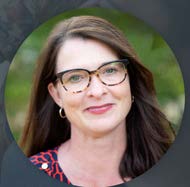
M.O.M. Project Co-lead
Director and Associate Professor Institute for Military & Veteran Family Wellness, Steve Hicks School of Social Work, University of Texas at Austin
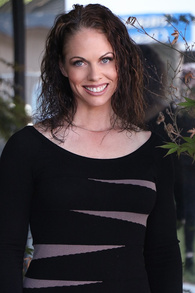

Lt Col USAFR NC (Retired)
Chief Officer Military and Veteran Affairs, Director V-CARE Veteran to BSN Pathway, Associate Professor University of South Florida
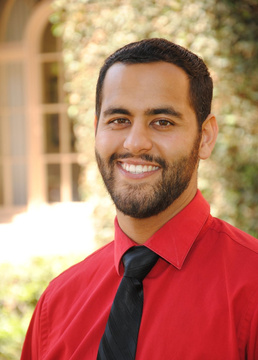
Mr. Anil Arora, LCSW
Graduate Research Assistant at University of Texas at Austin
PhD Student at University of Houston
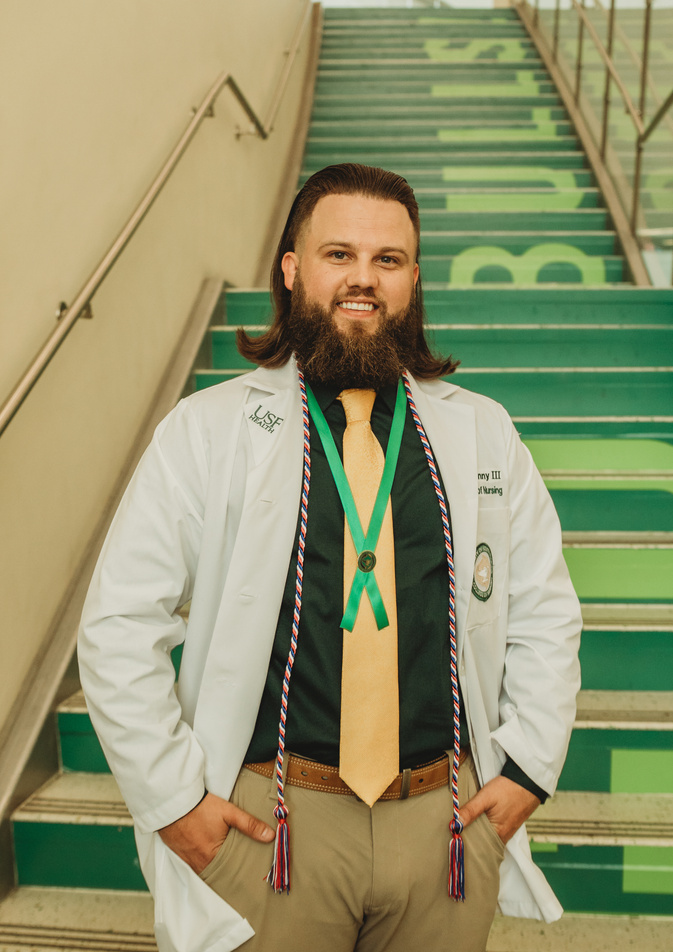
US Army Veteran. USF Nursing BSN-DNP AGPC NP Student. James A Haley VA Hospital ER Nurse.
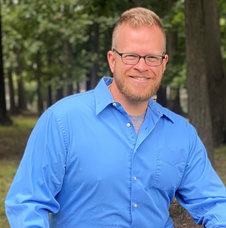
U.S. Army Veteran, 68W. PhD Candidate, Department of Evolution Ecology & Organismal Biology,
Military Community Advocate, Sesquicentennial Scholar, Ohio State University.Tillman Scholar. Military Research Consultant, C-P.A.W.W.
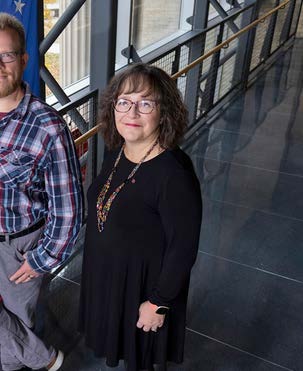
Licensed Independent Social Worker-
Supervisor (LISW-S), Outpatient
Rehabilitation, The Ohio State
University.
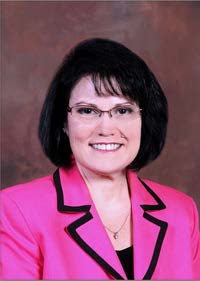
& formerly Adjunct Faculty, College of Nursing, Augusta University
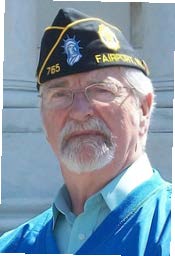
U.S. Army Veteran, Commander of American Legion Post (1971)
Malayka Gormally and Conor Gormally
Concussion Alliance Liasons
Methods
- Four state units
- Florida
- Texas
- South Carolina
- Ohio
- Two members in each unit
- Veteran/Concerned Significant Others (CSOs)
- Collaborative Academic Research Members (CARMs)
- Four domains
- Attention
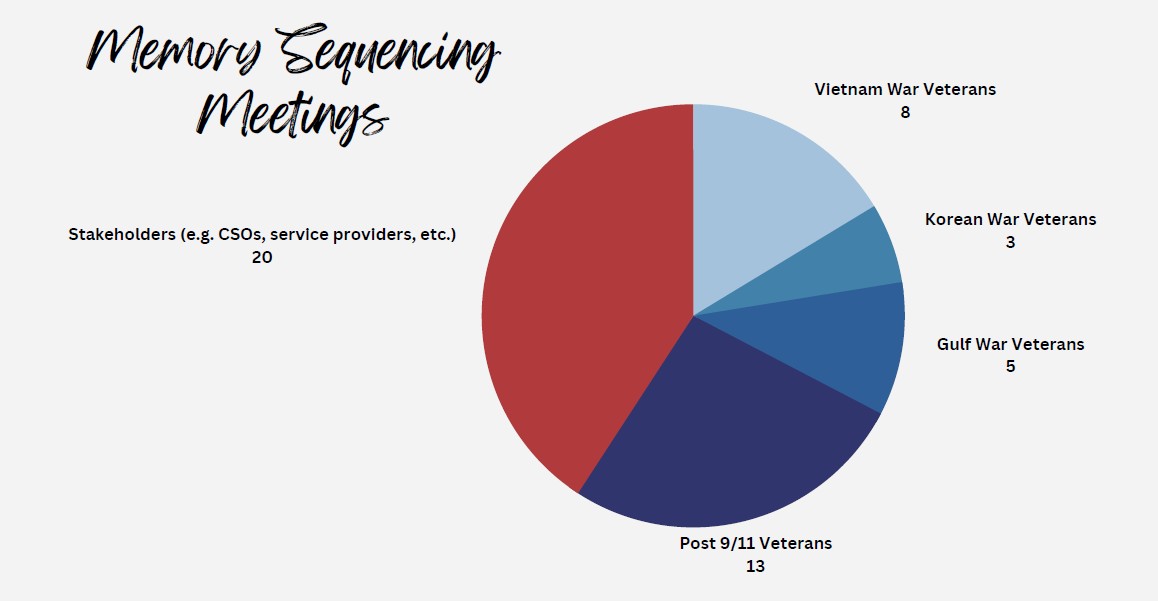
- Memory Sequencing
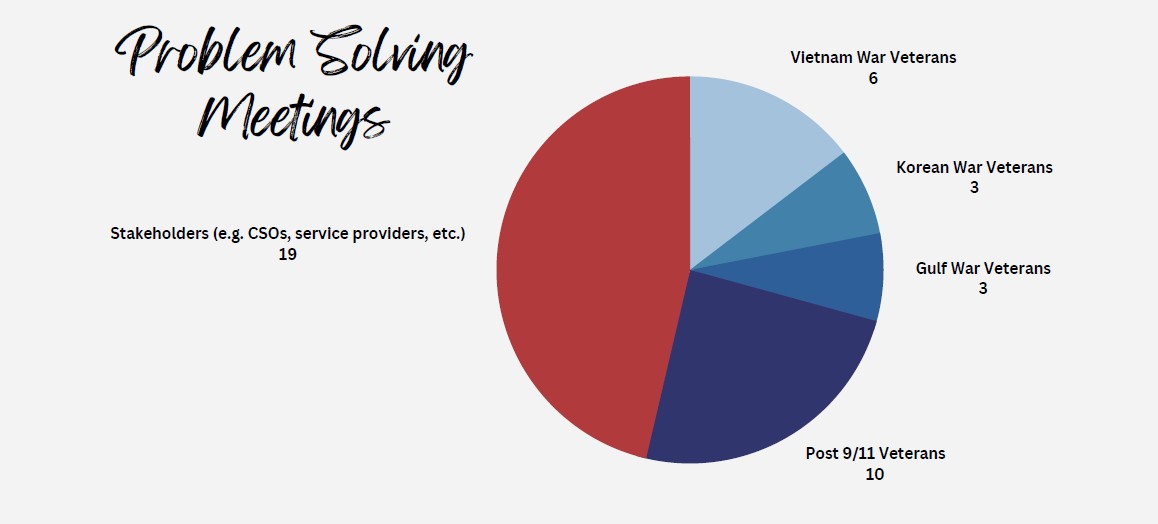
- Problem Solving
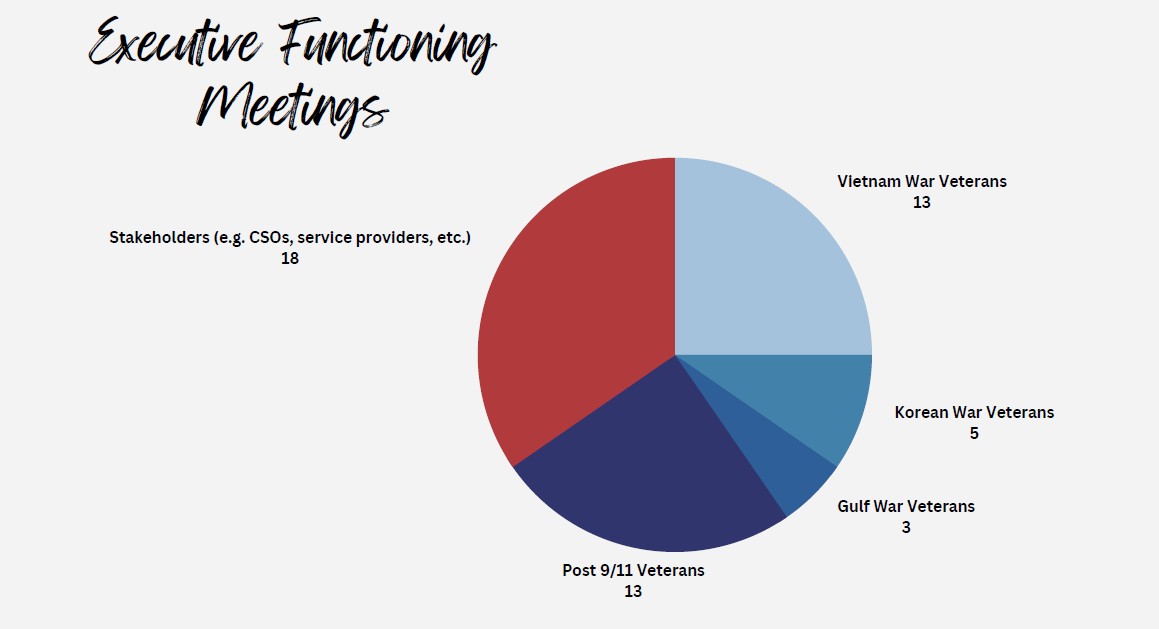
- Executive Functioning
- Four field note templates
- One field note template was created by the full M.O.M. team for each domain, these templates were used in each think tank meeting
- Think Tank Meetings
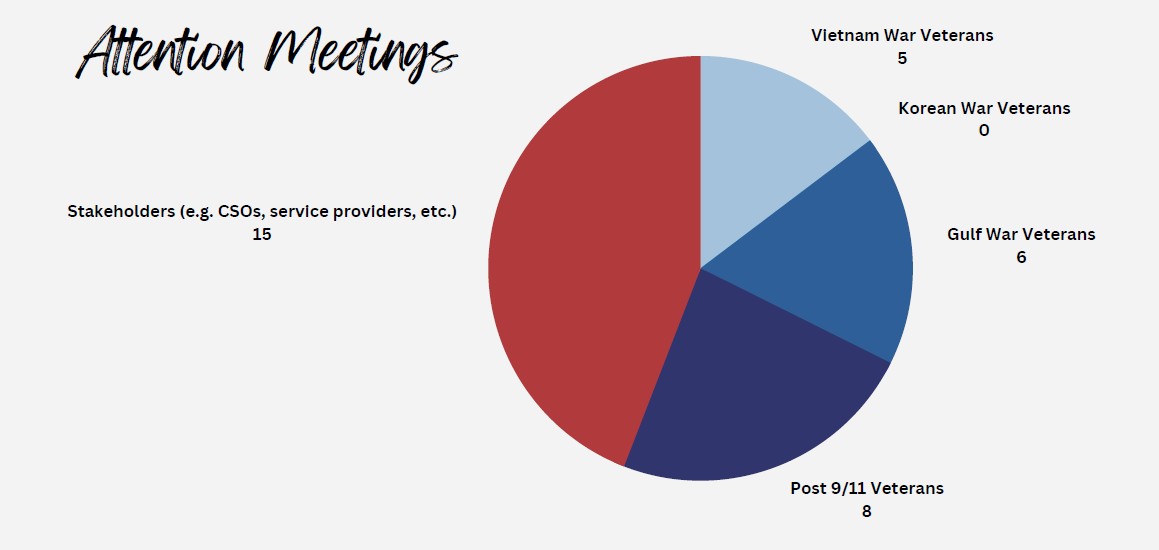
- Two think tank meetings were held by each unit for each domain
- Each meeting comprised of Veterans, CSOs, and community stakeholders
- Synthesis of main themes
- Lead by the Texas unit, the M.O.M. team synthesized all the main themes and topics recorded in the think tank meetings
- CER Question Completion
Participation Metrics
Formative Group Evaluation Metrics
The members of the project team have established a good understanding of the Mind Over Matter project objectives.
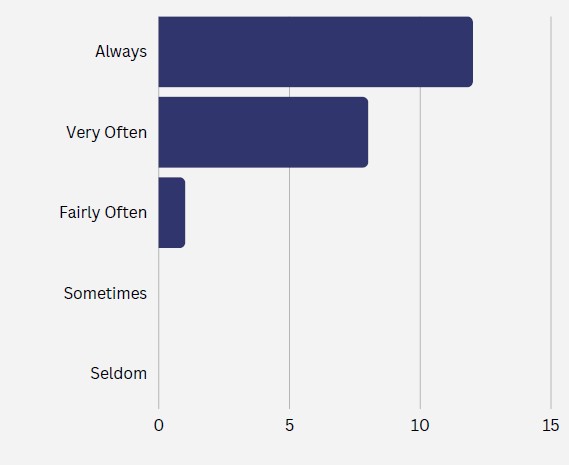
The members of this project team are working towards mutually agreed upon goals.
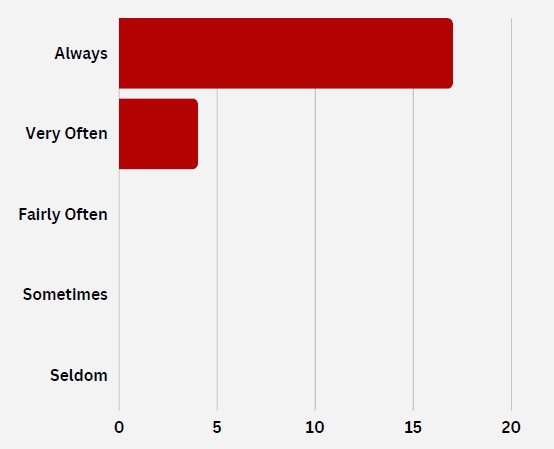
I believe the engagement methods in this project are beneficial to the development of a veteran-centered research agenda related to TBI.
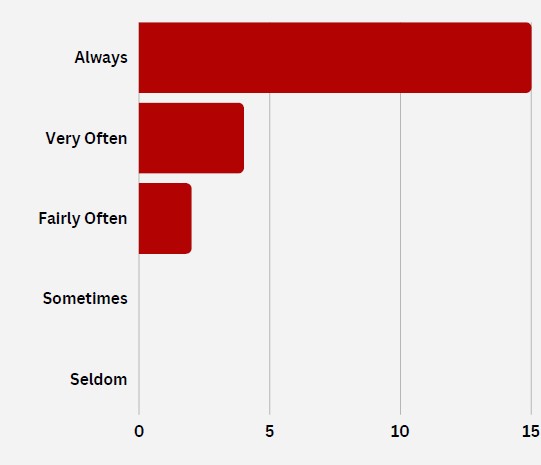
My participation in the project team gives me new ways of looking at traumatic brain injury research in collaboration with the veteran and concerned significant other population.
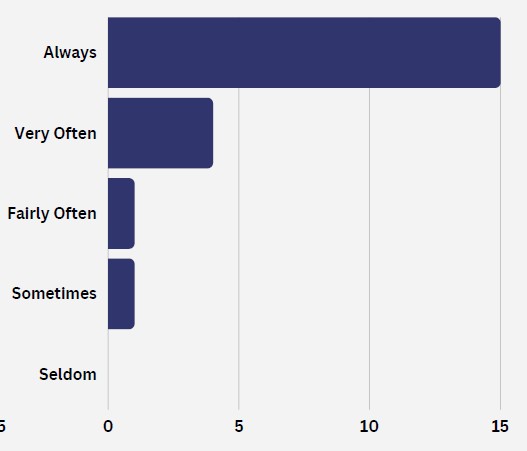
Stakeholder Evaluation Metrics
I plan to attend another Think Tank Meeting in the future.
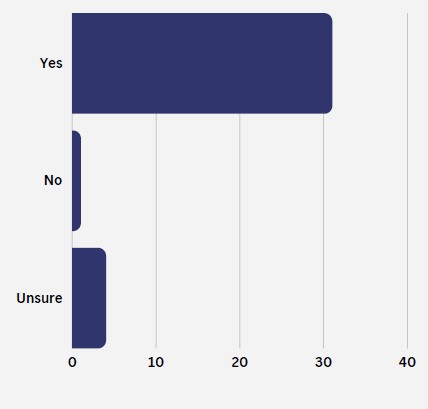
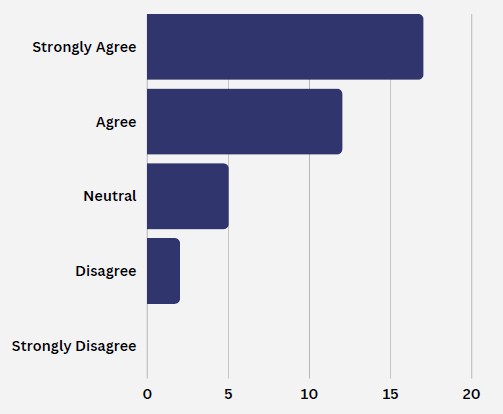
I felt that others listened to me and appreciated my contributions.
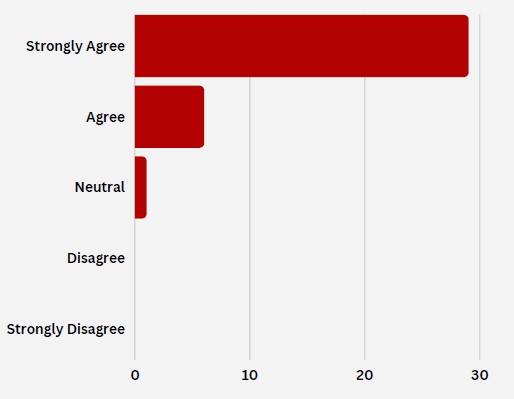
I felt that the Think Tank Meeting format allowed for open discussion on how to improve research on TBI.
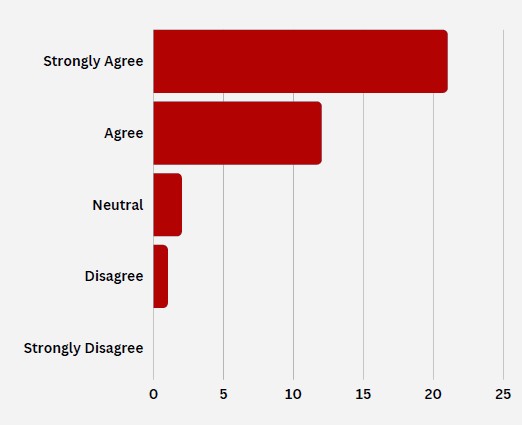
The group provided me with an opportunity to explore patient-centered research topics on traumatic brain injury.
Team Retreat
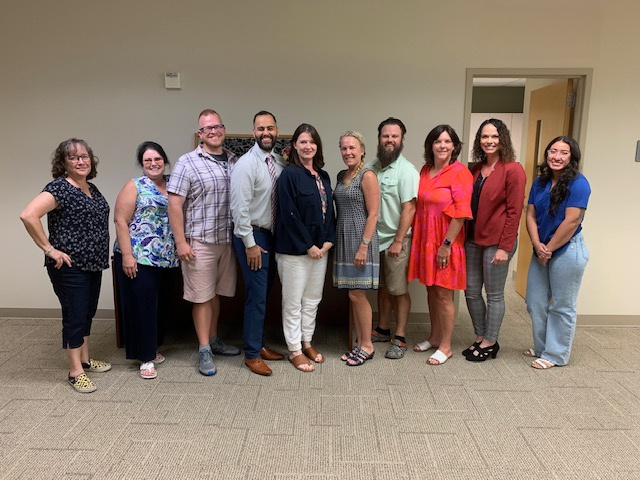
On July 14th and 15th 2023, the Mind Over Matter project team came together for a collaborative retreat. Over the course of the two day retreat the team brainstormed CER questions and engagement strategies based on the common topics that were synthesized from the Think Tank Meetings hosted throughout the project.
- Breakout groups to construct CER Questions
- Brainstorm engagement strategies
- Complete PCORI Evaluation Reporting Tool
- Complete PCORI MOM Team Evaluation

CER Questions
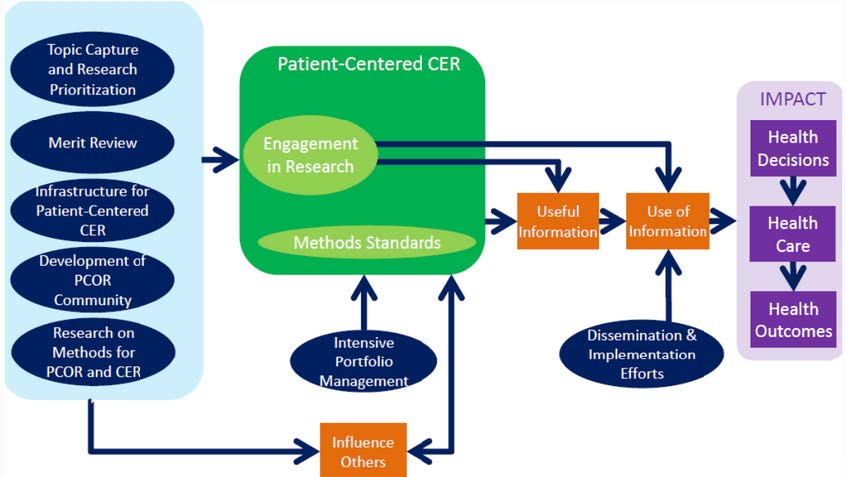
What is CER?
What does CER do?
PCORI. (2023, July 14). Research we support. PCORI. https://www.pcori.org/research/about-ourresearch/ research-we-support
CER Questions: Attention
- Peer facilitator v. family member/caregiver/care partner
- Family v. support animal
- Peer facilitator v. support animal
For veterans with mTBI, how does a personalized nutrition focused dietary pattern compare to a Standard American Diet impact the clinical outcomes of attention?

CER Questions: Memory Sequencing
CER Questions: Problem Solving


CER Questions: Executive Functioning


Engagement Strategies

- Reaching out to local support groups on campus (e.g. Neuro Nights program)
- Using campus based military organizations

- Partnering with clinics that have veteran programs
- Reach out to the members of related organizations

- Have both individualized and group based opportunities
- Utilize multiple platforms for participation to reach a greater variety of people
Mind Over Matter
To Reference this Roadmap see suggested citation below:
Krause-Parello, C.A., Borah, E., Kremer, A.M. et al., (2023). Mind Over Matter: A Veteran-Driven Roadmap to Research on Traumatic Brain Injury PCORI. https://www.pcori.org/researchresults/ 2021/mind-over-matter-veteran-driven-roadmapresearch- traumatic-brain-injury