Structure
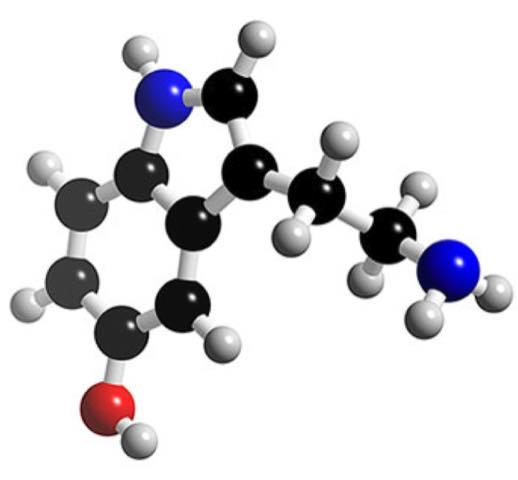 Synaptic transporters are vital for maintaining the ability of nerve cells and glia to use chemical messengers to communicate with one another. Over the past 30 years, my lab has focused on various aspects of transporter structure and protein interactions that permit precise localization and function of transporter proteins and their functional regulation. We know now that transporters are shuttled to synaptic areas and membrane microdomains via structural motifs evident in cytosolic sequences that can be post-translationally modified to achieve transporter regulation. We have identified multiple human mutations in these domains for various transporters and study the impact these mutations have on transporter structure, function and regulation to gain a glimpse into mechanisms that can support disease risk. We also gain insight into regulatory control of transporters via natural genetic variation in them across evolution.
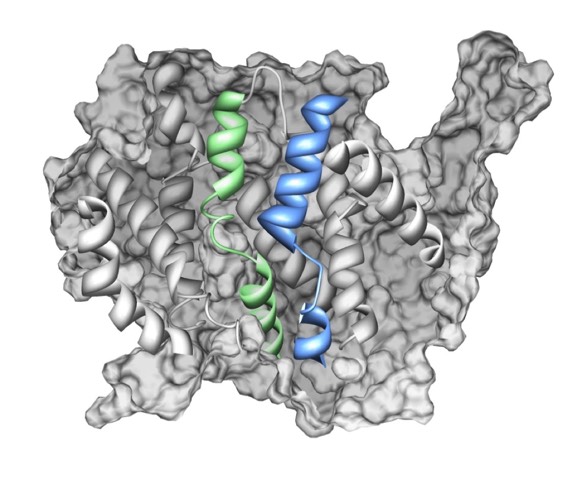 Such variation provides a rich opportunity to understand molecular networks that control and respond to subtle and not-so-subtle changes in transporter structure. With new AI-facilitated structural folding and imaging approaches, we are pursuing opportunities for functional elements in transporters and their regulators not evident through conservation-based approaches. These models, tested for functional relevance, provide efficient templates for drug discovery that can identify therapeutic leads with greater efficiency and specificity.