Smart Health and Biomedical Devices
What Is the Smart Health and Biomedical Devices Track in Biomedical Engineering?
Combine engineering, biology and technology to develop solutions that improve human health. The Smart Health and Biomedical Devices track at Florida Atlantic University prepares students to explore the intersection of engineering and medicine through coursework in biological sciences, engineering principles and emerging healthcare technologies.
Students build a foundation in genetics, biochemistry, microbiology and engineering while exploring applications in biomedical device development, tissue engineering and smart health technologies. The track prepares graduates to pursue careers in biomedical engineering, research and development, or advanced studies in engineering, medicine and related fields.
About Biomedical Engineering at Florida Atlantic
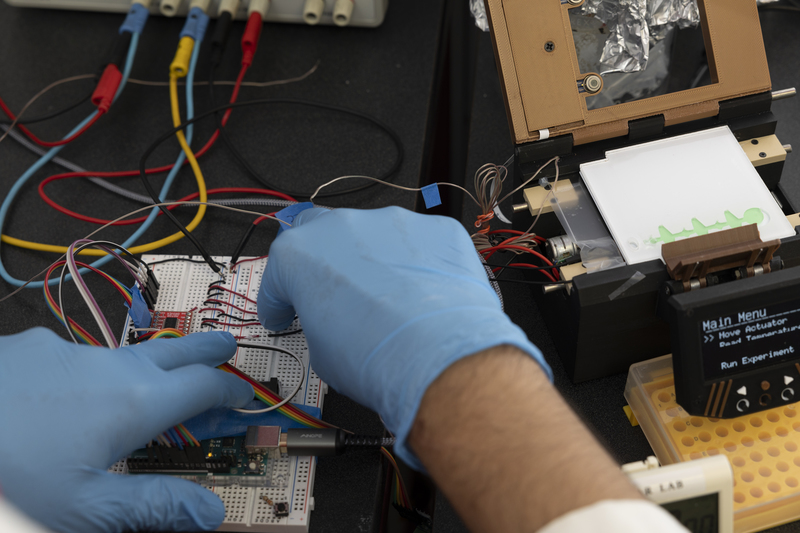
t Florida Atlantic, biomedical engineering students gain the knowledge and technical skills to address real-world healthcare challenges. Through hands-on learning, research opportunities and interdisciplinary collaboration, students explore how engineering innovations can advance medical technologies and improve patient care.
From developing biomedical devices to investigating tissue engineering applications, students gain practical experience that connects classroom learning with emerging challenges in healthcare. The curriculum provides a foundation for careers in biomedical engineering and related industries, as well as graduate and professional studies.
Degrees Offered at Florida Atlantic
Undergraduate
- Bachelor of Science in Biomedical Engineering – Smart Health and Biomedical Devices Track
Explore Degree Programs in Biomedical Engineering
Educational Objectives & Student Outcomes
2. Foster a dynamic research environment for innovative projects and practical healthcare solutions.
3. Offer hands-on experience through internships, research, and industry collaborations.
4. Focus on interdisciplinary research to develop new technologies and therapies.
5. Build a collaborative community with teamwork, mentorship, and industry engagement.
2. Engage in and contribute to research that advances biomedical engineering.
3. Communicate technical information effectively to diverse audiences.
4. Collaborate in multidisciplinary teams with engineers, scientists, and clinicians.
5. Commit to lifelong learning and professional development.
6. Recognize and address ethical issues in biomedical engineering practice.
Latest Engineering News
Start Your Journey
at Florida Atlantic