Geomatics Engineering
What Is Geomatics Engineering About?
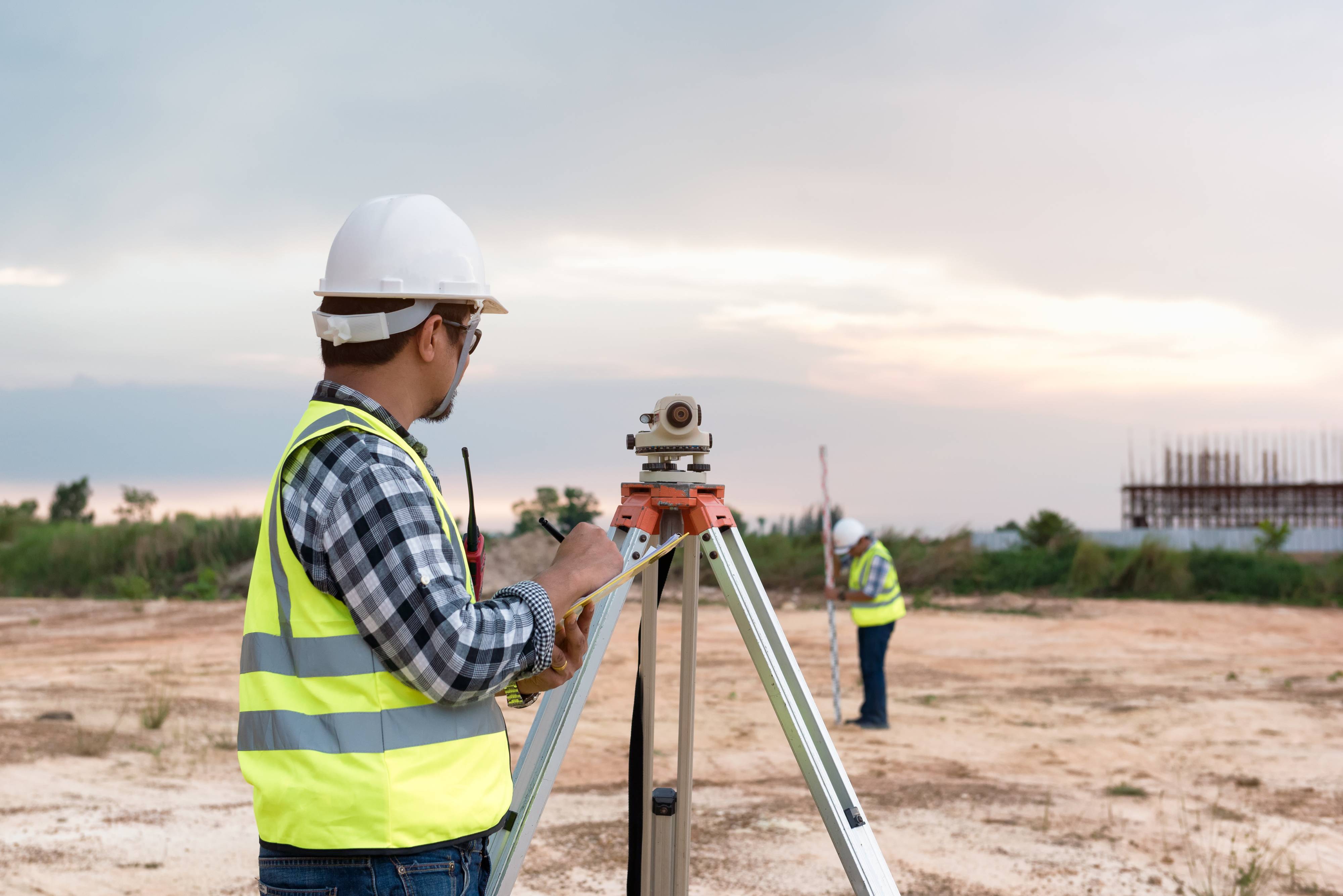
Geomatics Engineering at Florida Atlantic University is about capturing, analyzing and managing spatial data using advanced technologies. You’ll work with tools like GPS, drones, laser scanning, digital mapping, and geographic information systems (GIS) to solve real-world problems in land development, construction, environmental monitoring, and more. This field blends engineering, technology and science to help shape the world around us—from mapping cities to supporting disaster response.
About Geomatics Engineering at FAU
At Florida Atlantic, you’ll learn in a program that’s ABET-accredited and designed to prepare you for professional licensure. The curriculum is hands-on and future-focused, giving you experience with the latest imaging and mapping technologies. You’ll benefit from small classes, faculty who know your name, and opportunities to work on projects that matter to South Florida and beyond. The program’s strong industry connections and focus on emerging tech mean you’ll graduate ready to lead in a fast-growing field.
Accreditation
The Bachelor of Science in Geomatics Engineering is accredited by the Engineering Accreditation Commission of ABET, under the commission's General Criteria and Program Criteria for geomatics engineering and similarly named engineering programs.
Degrees Offered at Florida Atlantic
Undergraduate
- Bachelor of Science in Geomatics Engineering
- Minor in Geomatics Engineering
- Certificate in Surveying and Mapping
Explore Degree Programs in Geomatics Engineering
Educational Objectives & Student Outcomes
2. Advance your knowledge through lifelong learning, professional licensure, or graduate studies.
3. Serve as an effective professional with strong teamwork, ethical responsibility, and leadership skills.
4. Lead or participate in activities that support the economic development of your region, state, or nation.
2. The ability to design and conduct experiments, and analyze data.
3. The ability to design systems or processes to meet real-world needs.
4. The ability to work on multidisciplinary teams.
5. The ability to identify and solve engineering problems.
6. An understanding of professional and ethical responsibility.
7. Strong communication skills.
8. A broad education to understand the impact of engineering solutions globally and locally.
9. Recognition of the need for lifelong learning and the ability to pursue it.
10. Knowledge of contemporary issues.
11. The ability to use modern engineering tools and techniques, especially in surveying, GIS, photogrammetry, mapping, geodesy, and satellite positioning.
Explore the Latest News in Geomatics Engineering
Start Your Journey
at Florida Atlantic