The State of Florida’s Ocean Economy
Florida’s ocean economy is a vital and complex system that fuels prosperity across the state and serves as a cornerstone of its identity. With thousands of miles of coastline and a vibrant marine and coastal landscape, Florida supports a diverse set of industries that rely on healthy ocean resources, from ports and seafood to tourism and recreation. In 2023 alone, ocean-related activity sustained approximately 909,000 jobs, generated $59 billion in labor income and contributed $96 billion in Gross State Product (GSP). This represents over 6% of the state’s total economic output, making Florida not only the largest ocean economy by employment in the United States, but also one of the most ocean-dependent economies in the world.
Florida Ocean Economy at a Glance
Big Picture
- $96 billion in Gross State Product (GSP)
- 908,800 total jobs supported (517,800 direct)
- $59 billion in labor income
- $23 billion in federal, state and local tax revenues
- Accounts for 6% of Florida's GSP and 6.3% of all employment
Top Performing Sectors (2023 GSP Breakdown)
- Marine & Coastal Tourism: 37% of Ocean Economy GSP
- Marine Transportation:33%
- Construction, Energy, Military, Minerals (CEMM): 24%
- Remaining 6%: Marine Industries, Living Resources, Marine Research
Growth Outlook (2023–2026)
- 115,000 new jobs projected
- Marine Tourism: +95,000 jobs (CAGR 9.9%)
- Marine Transportation: +13,000 jobs (CAGR 3.4%)
- Modest growth in Construction, Energy, Military and Minerals (CEMM), Marine Industries and Marine Research
- Living Resources: slight dip, unless aquaculture outpaces wild catch
Wages and Workforce Trends
- Average Wages cluster in a $60K – $70K range (2025 dollars)
- Tourism jobs remain lowest-paid, though slowly rising
- Marine Transportation still highest-paying (~$78K), but losing ground
- Real wages fell 1.2% per year (2014 – 2023) in most sectors
- Wage erosion signals competitiveness concerns in skilled trades
Why It Matters
- Florida ranks #1 in ocean economy employment in the U.S.
- 16 publicly owned seaports, global cruise capital, 8,436 miles of coastline, including barrier islands
- Ocean economy ties together urban & rural economies across Florida
- Generates value far beyond coastal zones via supply chains and household spending
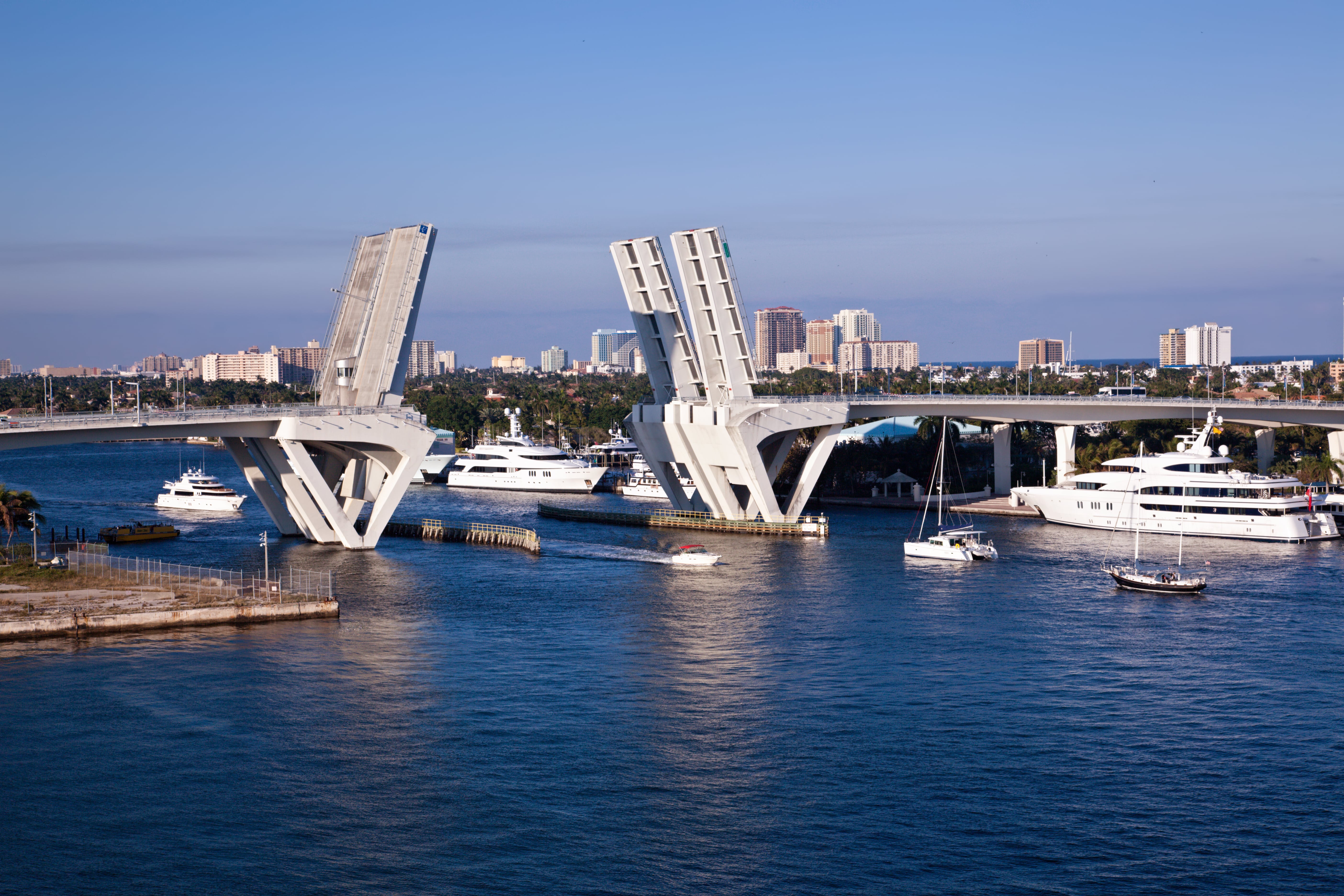
The table below summarizes the 2023 jobs and economic impact based on the six sectors of the ocean economy.
|
|
Direct Employment |
Total Employment (including indirect/induced) |
Total Labor Income |
Gross State Product |
|---|---|---|---|---|
|
Marine and Coastal Tourism |
288,806 |
430,439 |
$21.2B |
$35.6B |
|
Marine Transportation |
123,098 |
273,317 |
$20.5B |
$31.5B |
|
Construction, Energy, Military and Minerals |
86,658 |
156,896 |
$13.9B |
$22.9B |
|
Living Resources |
5,720 |
8,553 |
$238M |
$823M |
|
Marine Industry |
9,497 |
28,585 |
$2.4B |
$3.8B |
|
Marine Research and Education |
4,000 |
11,019 |
$827M |
$1.3B |
|
TOTAL |
517,779 |
908,808 |
$59B |
$96B |
|
% of Florida (2023) |
3.6% |
6.3% |
8.3% |
6.1% |
|
U.S. Ranking |
1 |
N/A |
3 |
3 |
Source: SFRPC analysis of QCEW, ENOW, QCEW, REMI and IMPLAN, 2025.
Florida’s ocean economy thrives on a dynamic mix of high-impact sectors. Tourism and transportation drive job growth and economic scale, while marine research and innovation deliver exceptional value per worker. Together, they position Florida to lead the nation in building a resilient, high-value ocean economy for the future.