Nervous System Aging and Glia: Modeling with Experimental Insights
By Dr. Casey Spencer and Dr. Rodrigo Pena
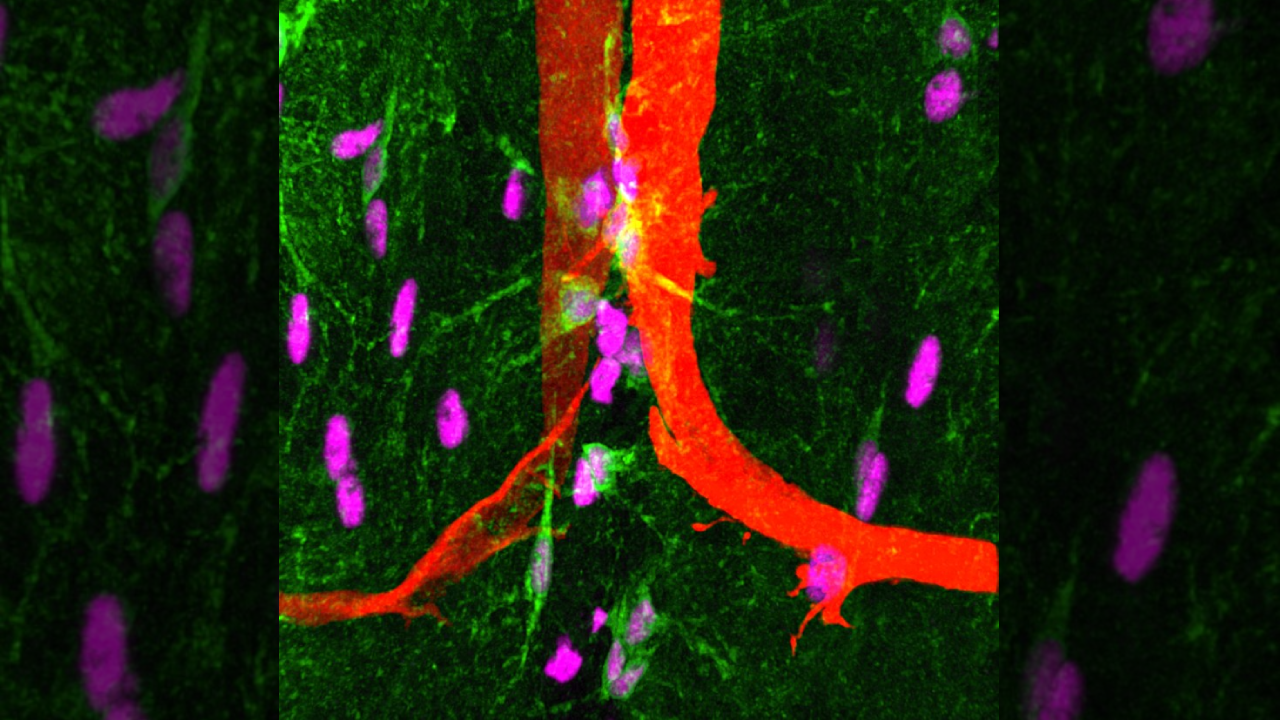
Keywords: aging, neurodegeneration, neuroscience, astrocytes, Drosophila, computational modeling, dementia, Alzheimer’s disease, AI-driven analysis
Our Research
As the brain ages, certain supportive cells called astrocytes can become dysfunctional, contributing to memory loss and age-related brain disorders. We study how changes in these cells affect neural circuits and behavior, using the fruit fly (Drosophila melanogaster) as a model system.
Our goal is to understand how astrocytes influence the breakdown of brain circuits and to identify ways to maintain brain health during aging.
Our Strategy
Students will engage in interdisciplinary research combining neuroscience, genetics, imaging, computational modeling, and AI-driven data analysis. Activities include:
- Recording neural circuit activity across the lifespan of fruit flies
- Imaging astrocytes and neurons to track structural changes
- Using genetic tools to manipulate astrocyte function
- Building computational models and AI pipelines to analyze large datasets
- Students gain experience in experimental neuroscience, data science, and modeling, developing a holistic view of brain aging.
Our Impact
Understanding astrocyte dysfunction can:
- Reveal new mechanisms of neurodegenerative diseases
- Support strategies to preserve cognitive function in aging
- Provide a model for testing interventions in age-related disorders
- The project bridges experimental biology with computational approaches to create a comprehensive framework for studying brain aging.