
The Center for Integrated Recovery and Wellness Studies (CIRWS) supports community-engaged research in behavioral health to inform best practices and policies that build and sustain healthy and resilient individuals and communities. CIRWS aligns with the University’s mission to maximize human potential, alleviate suffering, and promote a humane and just society.
Mission
The Center’s mission is to explore and address the role of social determinants and behavioral health factors that influence well-being across communities, with a focus on strengthening individual and community wellness, resilience, and recovery from substance use disorder and co-occurring mental illness.
By bridging gaps in data and research related to these conditions, the Center aims to improve policies and practices through a resilience and recovery ecosystems framework. As an R1 university, FAU provides CIRWS with an opportunity to leverage the talent, advanced data science, and technology necessary to enhance public access to quality information, research, and learning.
Programs and Activities
- Collaborate with local community organizations and recovery centers to create a designated space for research and learning.
- Create and maintain a live data dashboard for community and individual wellness with Palm Beach County Community Services and Commonly Well.
- Research workshops and interprofessional opportunities for community partners and graduate students in the FAU College of Social Work and Criminal Justice, the Stiles-Nicholson Brain Institute, the Lynn College of Nursing, the Schmidt College of Medicine, and other colleges and units across Florida Atlantic.
- Support community partners in obtaining grants and other sustained funding sources.
- Establish a culture of best practices using research to advance wellness and create recovery-oriented systems of care.
Internal Team Members
- Michael Robinson, PhD, MSSW, CAADC, founding director
- Precious Skinner-Osei, PhD, MSW, senior research associate
- Heather Howard, PhD, MSW, LICSW, senior research associate
- Naelys Luna, PhD, MSW, executive advisor for research and development
- Tod Marshall, program assistant
- Rebecca Booth, recovery research and operations consultant
- Samantha White, graduate research assistant
Some Facts about Substance Use Disorder in the U.S.
According to the 2023 National Survey on Drug Use and Health:
- 17.82% of adults in the U.S. had a substance use disorder in the past year, totaling more than 45 million people
- 28.9 million people ages 12 and older (10.2% in this age group) had alcohol use disorder in the past year, including:
- 16.8 million males ages 12 and older (12.1% in this age group)
- 12.0 million females ages 12 and older (8.3% in this age group)
- 9.41% of adults in America had a drug use disorder in the past year
Generous Supporters and Partners
We wish to offer our tremendous gratitude to the Palm Beach County Office of Behavioral Health and Substance Use Disorder and the Florida Association of Recovery Residencies, whose funding helped bring this center to life.
We also want to thank our dedicated collaborators whose ideas and partnerships support the impactful research and learning in the critically important area of integrated recovery and wellness:
- Stiles-Nicholson Brain Institute
- Charles E. Schmidt College of Medicine
- Christine E. Lynn College of Nursing
- Florida State University
- Hanley Foundation
Affiliates
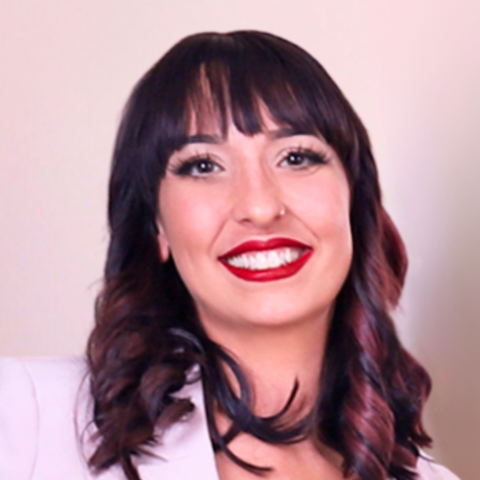
Rebecca Booth, MSW, CAC, CRRA
Rebecca Booth is a behavioral health professional focused on recovery-oriented systems of care, with emphasis on policy development, regulatory compliance, and the professionalization of recovery housing. Her work addresses the operational challenges of community-based recovery programs and the broader implications of ethical service delivery and long-term support for individuals with substance use and co-occurring disorders.
Her research includes behavioral health policy, recovery capital metrics in care evaluation, and systems-level strategies to improve recovery housing. With expertise in addiction counseling, credentialing, and standards-aligned policy development, Rebecca’s work contributes to shaping ethical practice, advancing regulatory alignment, and informing sustainable models of recovery care.
Alexander M. Fields, Ph.D.
John L. Hulick, MS
John Hulick currently serves as Director of Strategic Partnerships and Government for Commonly Well. Commonly Well is a pioneering provider of resilience and recovery services and technology, dedicated to improving individual and community well-being through innovative, evidence-based solutions. There John spearheads the company’s public and private partnership initiatives, drives the adoption of its innovative services and solutions, and positions the company as a thought leader in the public health and technology sectors.
With over three decades of experience in government relations, public policy, and strategic partnerships, John’s wealth of expertise in guiding the dynamic change activities of private and public sector organizations has enabled them to achieve all aspects of their desired strategic growth and policies.
Most recently, John served as Palm Beach County, Florida’s Drug Czar, where he was appointed by the Board of County Commissioners to lead the county’s response to the opioid epidemic; established the Office of Behavioral Health and Substance Use Disorders; and, designed a person-centered, recovery-oriented ecosystem of care which integrated Commonly Well’s resilience and recovery capital indexing and services as critical components.
His innovative Master Plan for opioid settlement funds, which allocated 90 percent of $120 million in anticipated revenues to social determinants of health, has been recognized as a national model. He also co-founded the Center for Integrated Recovery and Wellness Studies at Florida Atlantic University and successfully lobbied for more federal recovery grant funding.
John was nominated by New Jersey Governor Christopher Christie and confirmed by the State Senate to serve as Executive Director of the Governor’s Council on Alcoholism and Drug Abuse, where he shaped substance use disorder service policies. Prior, he served as Christie’s Policy Advisor for Human Services, Children and Families where he influenced human and child protection services and budget policy.
As Managing Partner of In Depth Solutions, LLC, John guides public and private sector organizations in achieving strategic growth and navigating regulatory environments. A pioneer in substance use disorder services for deaf and hard-of-hearing individuals, John founded Signs of Sobriety, Inc. He was key in enacting landmark legislation to provide services to this community.
John, who has been in recovery from alcoholism for over 39 years, brings a deeply personal perspective to his work, informed by his and his family’s experiences navigating his daughter’s early onset mental illness, substance use disorder and traumatic brain injury challenges. As such, he is deeply committed to the authentic voice of those living with and impacted by these challenges, their protections under the law, quality care, and outcome-driven solutions.
Hulick holds a Master of Science in Public Policy from Rutgers University and a Bachelor of Arts in Government from Western New England University.
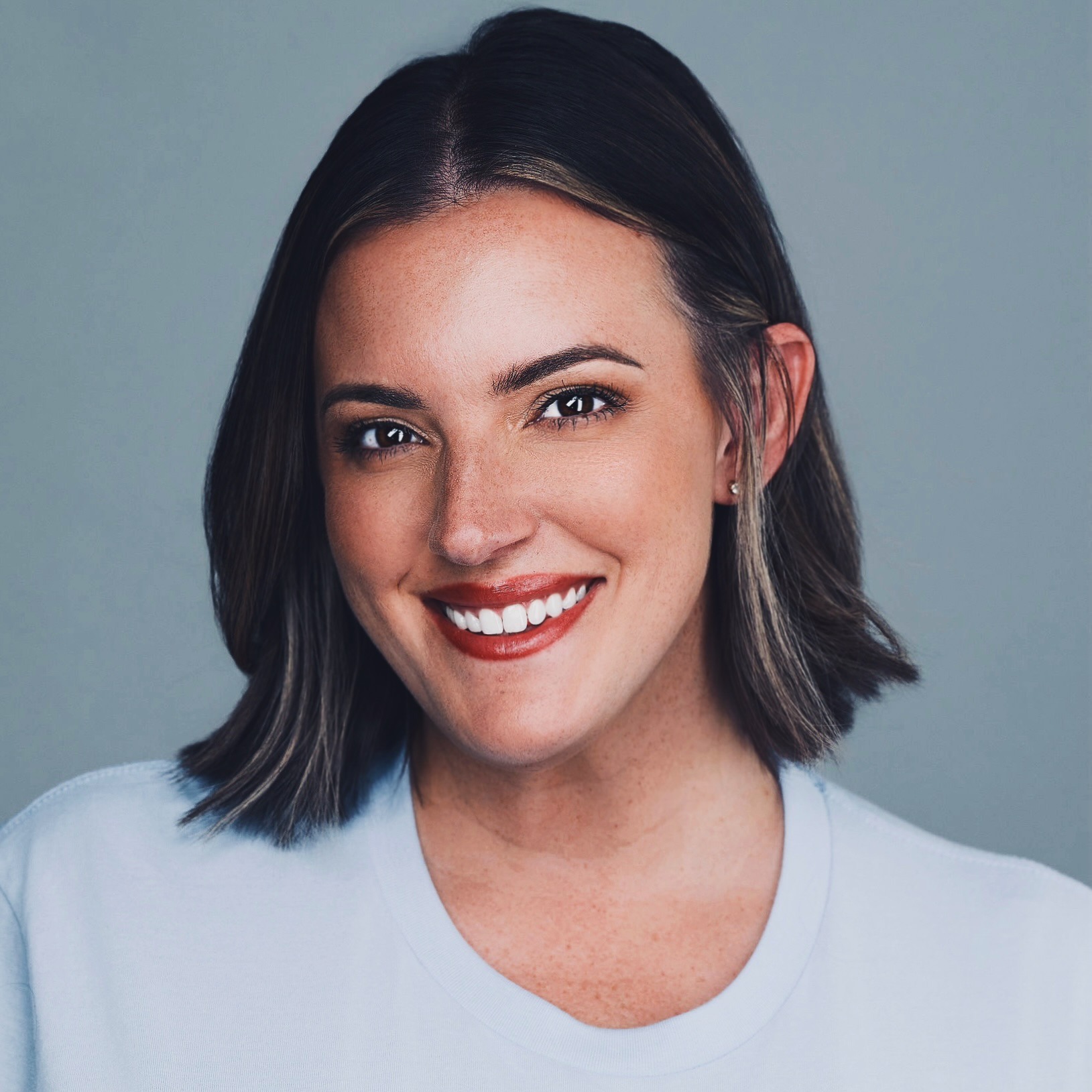
Allison Jimenez
Allison “Alli” Jimenez is a Licensed Mental Health Counselor, Certified Addiction Professional, Nationally Certified Counselor, and College Professor with over 15 years in the human services and nonprofit field, specializing in community partnerships, public affairs, trauma, and crisis intervention. Alli believes that personally and professionally, everything is relational and has built longstanding relationships with colleagues across the country. Through her personal and professional experiences, she has made it her life’s work to break generational cycles of trauma through counseling, prevention services, education, advocacy, writing, and public speaking. Alli has lived experience of sitting in the client seat and knows firsthand the positive impact consistent therapy has. She takes an integrative and holistic approach to everything she does, identifying root causes, not just focusing on the problem at hand. It is her belief that much of the detriment in our world is due to the shackles of unresolved generational traumas. If more people had access to mental health services, education, prevention, and treatment programs without barriers and the fear of stigma, our communities could and will be strengthened.
Alli is well known for building comprehensive programs including diversion programs for youth at risk of entering the juvenile justice system, teen and young mom mentoring programs, substance use disorder treatment programming for perinatal women, Narcan distribution initiatives, youth mentoring programs, family support groups, and suicide prevention.
She has held roles at the Executive level and through partnerships and grant writing, has solidified and sustained over $5 million in grants. As a professor at Palm Beach State College, she uses her multifaceted experience to teach in 3 departments. Alli holds a Master’s Degree in Clinical Mental Health Counseling from Palm Beach Atlantic University: Summa Cum Laude, Bachelor’s Degree in Psychology from Florida International University: Magna Cum Laude, and an Associate Degree in Human Services from Palm Beach State College.
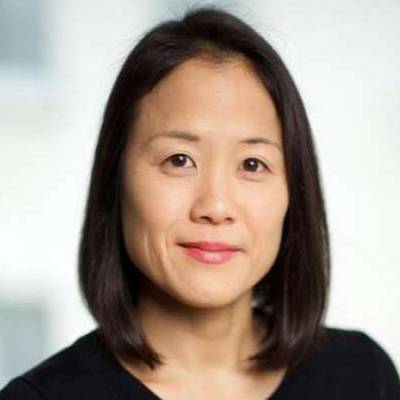
Sara Matsuzaka
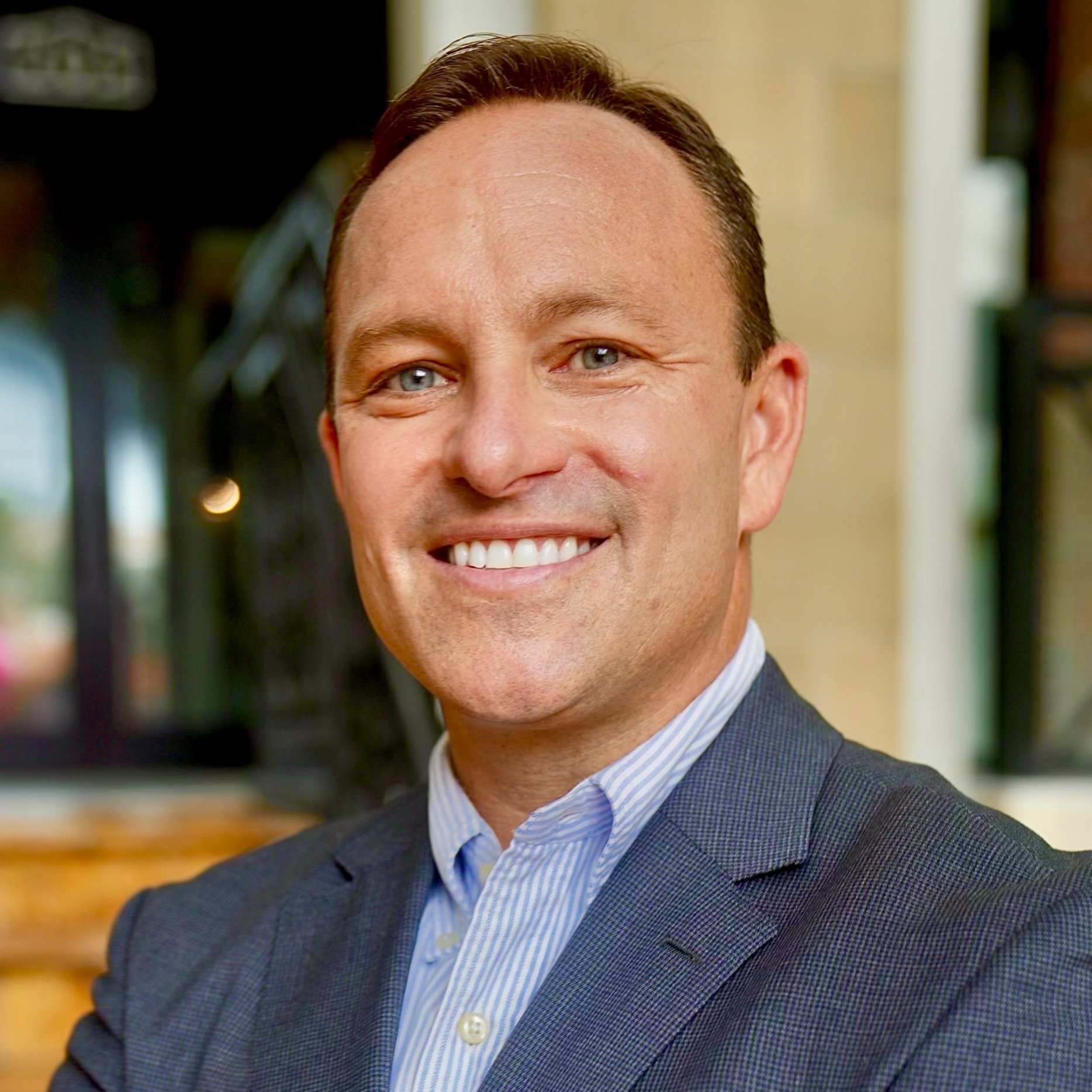
Alex Price
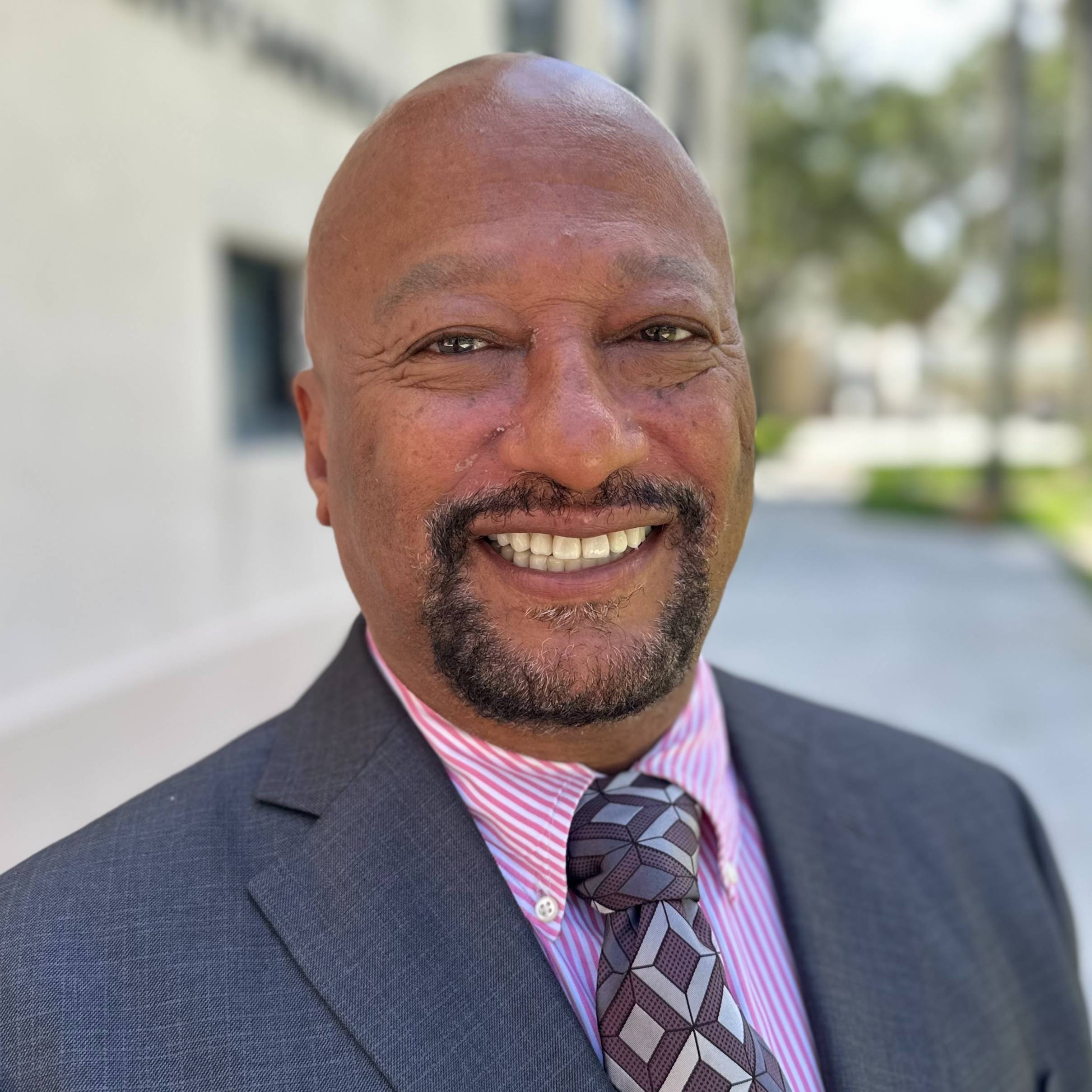
Dr. Michael A. Robinson, PhD, MSSW, CAADC
Founding Director, Center for Integrative Recovery and Wellness Studies
Professor and Director, Sandler School of Social Work, Florida Atlantic University
Dr. Michael A. Robinson is a distinguished scholar, educator, and practitioner with a career dedicated to improving the health and well-being of underserved populations. As the Founding Director of the Center for Integrative Recovery and Wellness Studies (CIRWS) at Florida Atlantic University, he leads innovative research and community-based initiatives focused on recovery, mental health, and wellness. Dr. Robinson has secured extensive grant funding and published widely on topics such as substance use recovery, mental health services, and program evaluation. His leadership at CIRWS reflects a commitment to advancing holistic, evidence-informed approaches that strengthen individuals, families, and communities.
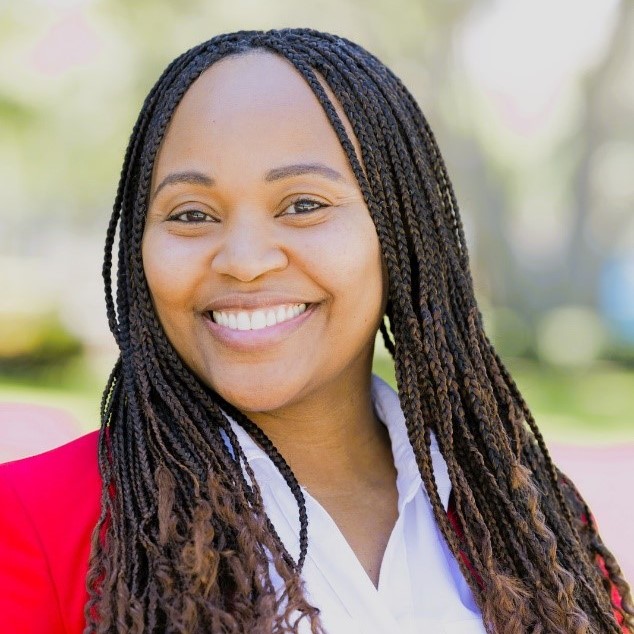
Dr. Precious Skinner-Osei
Dr. Suzanne Spencer
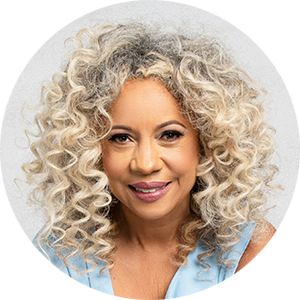
Dr. Suzanne Spencer has served as Chief Executive Officer of Living Skills in the Schools since 2013, leading an organizational turnaround with exponential growth.
Suzanne Spencer, Ed.D. brings a wealth of expertise and experience in nonprofit leadership to her career in community organizing. She has been recognized for innovations in mental health and addiction. She is the creator and producer of the Talk with Your Mouth Full Podcast and the visionary of The Family Box for Substance Abuse Prevention Series, as well as prior local community initiatives such as Project Trailblazer, What Happens After Narcan, and SUDTALKS, thus advancing the national dialogue on our public health crisis and opioid epidemic during her leadership tenure in prior roles. Her most recent product innovation addresses vicarious trauma in school systems because of school personnel’s chronic exposure to students with adverse childhood experiences.
Dr. Armiel Suriaga
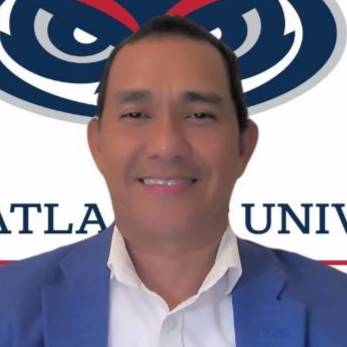
Dr. Armiel Suriaga is a tenure-earning Assistant Professor at Florida Atlantic University, Christine E. Lynn College of Nursing. His research centers on substance use, misuse, and abuse, with a particular focus on opioids, cannabis, kratom, and ethanol. He leads several key initiatives, including the Communities Talk campaign by the Substance Abuse and Mental Health Services Administration (SAMHSA) and the Action Collaborative pilot project by the National Academy of Medicine, for which he was awarded a Certificate of Achievement. He also received a substance use training award from the National Institute on Drug Abuse and the American Association of Colleges of Nursing (AACN) for his work on the SCCHRED study (Synthetic Cannabinoids and Cannabinoids for Harm Reduction and Education Dissemination).
Dr. Suriaga is recognized as an NDSN Scholar by the National Institute on Drug Abuse and as a Butler-Williams Scholar by the National Institute on Aging. His research is deeply community-engaged, with a strong emphasis on harm reduction and public awareness.
Janet Weisenford

Artesian Transitional Housing
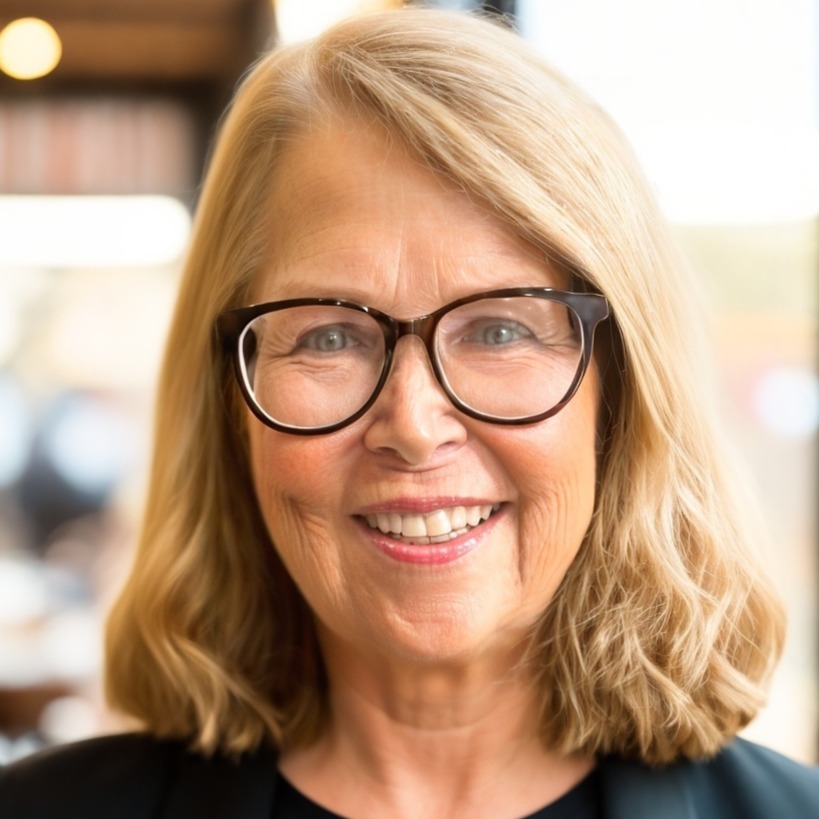
Artesian Transitional Housing offers a structured sober living environment in Stuart, Florida, serving as a vital bridge between treatment and independent living. As a type of transitional housing, Artesian is specifically designed for individuals in early recovery who are committed to maintaining sobriety and rebuilding their lives.
Residents benefit from a safe, substance-free setting that blends peer support, personal accountability, and life-skills development. Grounded in the Twelve‑Step philosophy, Artesian provides an ideal environment for those who are able to work and are ready to reenter the community with support.
Our program emphasizes:
- Structured sober housing with routine and responsibility
- Peer accountability and a supportive recovery community
- Access to 12-step meetings and relapse prevention
- Drug testing and recovery-focused guidance
- Life skills support and encouragement toward employment
Whether you’re transitioning from a treatment program, rebuilding after a setback, or looking for a fresh start in recovery, Artesian Transitional Housing offers the structure and community you need to move forward—one day at a time.
FARR
Michael Schlossman
CEO & Chief Legal Officer
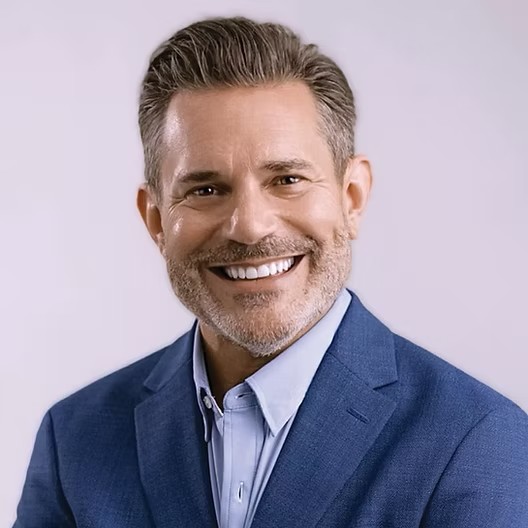
Michael Schlossman serves as CEO and Chief Legal Officer of the Florida Association of Recovery Residences (FARR), the state affiliate of the National Alliance for Recovery Residences. Under his leadership, FARR upholds Florida Statute 397.487 through statewide oversight, accreditation, education, and advocacy to promote ethical, high-quality recovery housing. Michael brings over two decades of legal, clinical, and executive leadership experience in behavioral health, including roles as treatment program CEO, clinical director, and general counsel. A person in long-term recovery since 2010, he is deeply committed to advancing evidence-based recovery systems and reducing barriers to housing for individuals with substance use and co-occurring disorders. He holds a Juris Doctor from New York Law School and is licensed to practice law in both New York and Florida. Michael also served as Chair of the Palm Beach County Behavioral Health, Substance Use, and Co-Occurring Disorder Steering Committee and is a former FARR Board Member.
FARR
Angie Sweeney
Angie Sweeney is the Director of Public Funding Initiatives at the Florida Association of Recovery Residences (FARR), where she oversees the management, reporting, and compliance of state and local government contracts supporting recovery housing across Florida. With over a decade of experience in both case management and financial administration, she has led large-scale housing initiatives for chronically homeless and developmentally disabled populations in Palm Beach County. Angie has administered more than $4 million in government and private funds, coordinating over 150 residential leases and implementing low-barrier, supportive housing programs. At FARR, she contributes to grant-funded initiatives, supports philanthropic reporting, and plays a key role on the Education and Outreach Team. Her work bridges operations and policy to ensure quality recovery housing is accessible, accountable, and sustainable. Angie is Six Sigma Green Belt certified and fluent in Spanish, bringing both efficiency and cultural competency to her statewide role.
FARR
Josh Thrasher
Deputy Executive Director
Josh Thrasher is the Deputy Executive Director of the Florida Association of Recovery Residences (FARR), where he oversees the application and renewal process for certified recovery residences statewide. Since joining FARR in 2021, he has led quality assurance efforts, provider training, and strategic collaboration with the Florida Department of Children and Families (DCF) and other key stakeholders. Josh is committed to advancing safe, ethical, and standards-based recovery housing that supports long-term recovery outcomes. His professional background includes a range of direct care and administrative roles in the recovery field, from sober living house manager to treatment center admissions coordinator. A Certified Event Interventionist, Josh brings both lived experience and systems-level insight to his work. He is passionate about improving access to quality recovery housing and fostering safe environments for individuals in recovery across Florida.
Fenix Recovery
Megan Garvey Foret, LCSW, MCAP, EMDR
The Sober Pad
Billy Davis
Billy Davis is a co-founder of The Sober Pad, a FARR-certified recovery residence dedicated to supporting men in early recovery. Their mission is deeply rooted in lived experience and personal conviction: Billy is a person in long-term recovery. Together with co-founder Rachel Davis, they saw a gap in safe, supportive housing and decided to build the kind of environment they believed every person in recovery deserves.
Since launching in 2021, The Sober Pad has grown to five homes with 48 beds—and will expand to six homes and 64 beds in 2026. Their program emphasizes structure, peer accountability, and community reintegration. Beyond day-to-day operations, Rachel and Billy use nearly four years of resident data to track outcomes such as length of stay, primary substance use, criminal justice involvement, and demographic trends. This data-informed approach allows them to continuously evolve their model to better support long-term recovery.
Their combined compassion, lived experience, and operational excellence make them trusted partners and dedicated advocates in the recovery housing landscape.
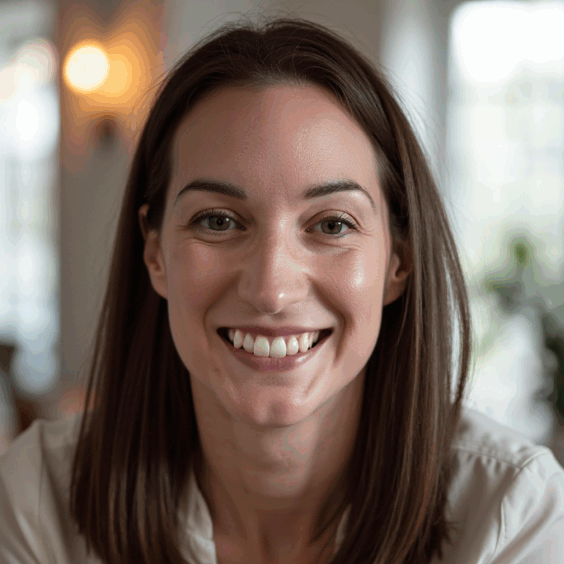
Rachel Davis
Rachel Davis is a co-founder of The Sober Pad, a FARR-certified recovery residence dedicated to supporting men in early recovery. Their mission is deeply rooted in lived experience and personal conviction: Rachel is a passionate recovery ally. Together with co-founder Billy Davis, they saw a gap in safe, supportive housing and decided to build the kind of environment they believed every person in recovery deserves.
Since launching in 2021, The Sober Pad has grown to five homes with 48 beds—and will expand to six homes and 64 beds in 2026. Their program emphasizes structure, peer accountability, and community reintegration. Beyond day-to-day operations, Rachel and Billy use nearly four years of resident data to track outcomes such as length of stay, primary substance use, criminal justice involvement, and demographic trends. This data-informed approach allows them to continuously evolve their model to better support long-term recovery.
Their combined compassion, lived experience, and operational excellence make them trusted partners and dedicated advocates in the recovery housing landscape.