FAU’s Environmental Education programs are flexible, fully online, and designed for working professionals and students from any background. You’ll benefit from hands-on experiences with South Florida’s unique ecosystems—like sea turtle nesting beaches, the Everglades, and the Loxahatchee River—while building connections with leading environmental educators. Graduate assistantships and in-person networking opportunities are available through partnerships with local environmental centers. The curriculum is interdisciplinary, grounded in the North American Association for Environmental Education’s Guidelines for Excellence, and prepares you to lead in a rapidly changing world.
Degrees Offered at Florida Atlantic
Graduate Degrees
- Master of Education (M.Ed.) in Environmental Education (Online)
- Graduate Certificate in Environmental Education (Online)
Undergraduate Degree (related)
- Major in Elementary Education with Honors in Environmental Education (EEhEE)
Explore Degree Programs in Environmental Education
Loading...
Educational Objectives & Student Outcomes
1. Develop deep content knowledge in environmental and sustainability education.
2. Build advanced skills in lesson planning, curriculum design, and program evaluation.
3. Gain practical experience through partnerships with environmental centers and community organizations.
4. Prepare for leadership roles in formal and informal education settings.
2. Build advanced skills in lesson planning, curriculum design, and program evaluation.
3. Gain practical experience through partnerships with environmental centers and community organizations.
4. Prepare for leadership roles in formal and informal education settings.
1. Demonstrate the ability to design and deliver effective environmental education for diverse audiences.
2. Apply current research and best practices in science and environmental education.
3. Evaluate and improve educational programs using culturally responsive and equitable methods.
4. Communicate environmental concepts clearly to students, colleagues, and the public.
5. Lead and collaborate on projects that promote sustainability and environmental stewardship.
Explore the Latest News in Environmental Education
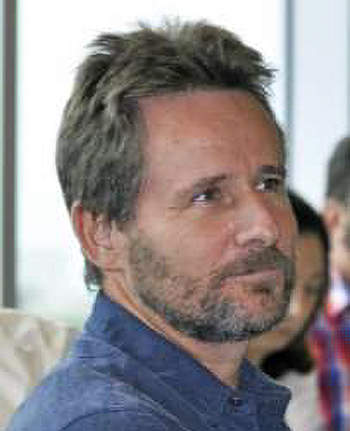
Bryan Nichols, Ph.D.
Associate Professor
College of Education
Curriculum and Instruction