The graduate course sequence is designed to meet the needs of individuals holding an undergraduate degree in Communication Sciences and Disorders as well as individuals who have an out-of-field baccalaureate degree. Coursework is offered for students whose baccalaureate degrees are in a field other than speech, language, and hearing and who require prerequisite coursework prior to initiating graduate courses. These prerequisite courses must be completed prior to admission into the graduate program (see Admission Requirements). Students receiving a Master's of Science degree in Speech – Language Pathology/Audiology will meet all academic and clinical requirements for the Certificate of Clinical Competence in Speech-Language Pathology (CCC-SLP) of the American Speech-Language-Hearing Association (ASHA), as well as the Florida Certificate of Registration in Speech-Language Pathology under Florida Statute 468.143 (3).
A wide range of academic preparation and clinical practicum experiences is provided with a variety of speech-language-hearing disorders. Training involves practicum experiences with adults and children, in a minimum of 3 different practicum settings. Graduates of the Department of Communication Sciences and Disorders are well equipped to assist in the team effort of providing appropriate services to speech and language impaired individuals of any age and in any professional setting and to pass the Praxis Examination in Speech-Language Pathology.
Florida Atlantic University is a member institution of the State University System of Florida. Course work is available on the Boca Raton campus, which also houses the Department's Communication Disorders Clinic (FAU-CDC), as well as the speech and hearing science and audiology laboratories. The FAU-CDC provides speech-language-hearing services to a wide service delivery area encompassing the southeast coast of Florida, including Martin, St. Lucie, Palm Beach, Broward, and Dade counties.
Policy of Nondiscrimination
The Department of Communication Sciences and Disorders and the Communication Disorders Clinic strictly follow the university’s policy of nondiscrimination.
Florida Atlantic University – Policy of Nondiscrimination
Florida Atlantic University is committed to a policy of nondiscrimination. It is against the policy of the University to discriminate against, or exclude from participation in benefits or activities, either on the staff or in the student body, any person on the grounds of race, color, religion, sex, age, national origin, marital status, or mental or physical disablement, provided such disablement, with reasonable accommodation, does not prevent satisfactory work performance. This nondiscrimination policy also relates to the University’s actions concerning choice of contractors and suppliers of goods and services and in the use of University facilities.
Students with Disabilities
In compliance with the Americans with Disabilities Act (ADA), students who require special accommodations due to a disability to properly execute coursework must register with FAU’s Student Accessibility Services (SAS) located on the Boca Raton campus, SU 133 (Student Support Services Building), 561-297-3880, and follow all SAS procedures.
How to Apply
Complete our program's CSDCAS application. CSDCAS: https://csdcas.liaisoncas.com/applicant-ux/#/login
Applicants will need to submit:
- Official GRE scores (verbal, quantitative, and written) obtained within the last five years.
Use GRE CODE for FAU CSDCAS: 7808 - Three recommendations on the CSDCAS recommendation form. Recommendations should be from former faculty members familiar with the applicant's academic/clinical work. Recommendation cannot be dated more than one year prior to the date of the application deadline.
- Applicants applying to this program who have attended a college/university outside the United States must provide a course-by-course credential evaluation with GPA calculation. Links are provided to the credential evaluation agencies accepted by the University, College, and Department:
- Josef Silny and Associates, Inc. http://www.jsilny.com/
- NACES (National Association of Credential Evaluation Service) www.naces.org
- Duolingo English Test (DET)
- All international students must meet CSD department minimum TOEFL score requirements regardless of the language in which the undergraduate program was completed. A minimum TOEFL score of 550 on the paper-based test (TOEFL PBT) or 80 on the internet-based version (TOEFL iBT) is required for admission. The CSD department also accepts IELTS test results with a minimum score of 6.5.
NOTE: An official TOEFL score must be sent directly to the FAU Graduate College. The school code is: 5229
Incomplete applications as of the January 15th deadline will NOT be reviewed.
All application materials MUST be sent directly to CSDCAS and the FAU Graduate College. Application materials must be received by CSDCAS no later than January 15th for fall admission. All materials submitted to the FAU Graduate College directly must also meet the January 15th deadline.
Reminder: Any materials submitted after the January 15th deadline will not be considered.
Please note that recommendation letters, credential evaluations, or TOEFL scores sent directly to the CSD program will not be accepted.
Admission to the Communication Sciences and Disorders program is granted on a competitive basis. Approximately twenty-five (25) students are admitted each fall.
APPLICATION DEADLINE
All application materials must be received by January 15th, prior to the fall for which applicants are seeking admission. These materials must be received, by the January 15th deadline, by CSDCAS. The program admits students for the fall term only. There are no spring or summer admissions.
Any materials submitted after the January 15th deadline WILL NOT BE CONSIDERED.
Meet the Department Faculty and Staff
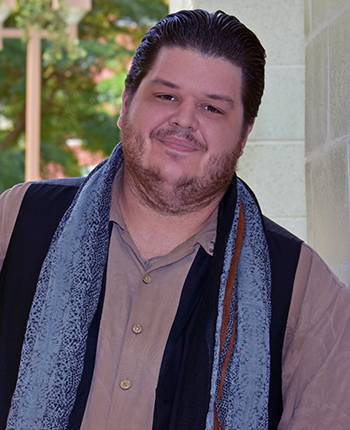
Jeremy E. Bayne
Office Manager
College of Education
Communication Sciences and Disorders / Communication Disorders Clinic
Terry Clark, M.Ed., CCC-SLP
Senior Instructor
College of Education
Communication Sciences and Disorders / Communication Disorders Clinic
Boca Raton Campus
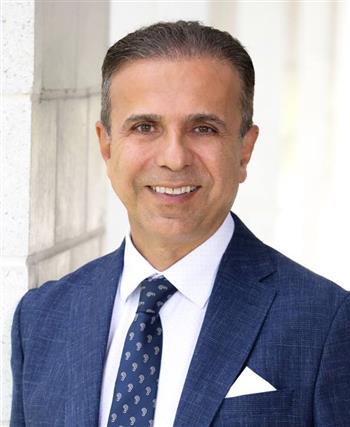
Ali Danesh, Ph.D., DFAAA, CCC-A
Professor
College of Education
Communication Sciences and Disorders / Communication Disorders Clinic
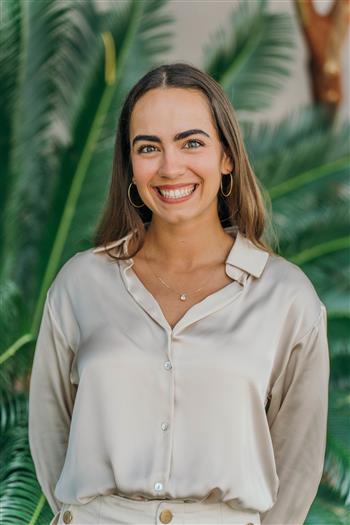
Christy Timm Fulkerson, Ph.D., CCC-SLP
Assistant Professor
College of Education
Communication Sciences and Disorders / Communication Disorders Clinic
Boca Raton Campus | ED 47 – 451
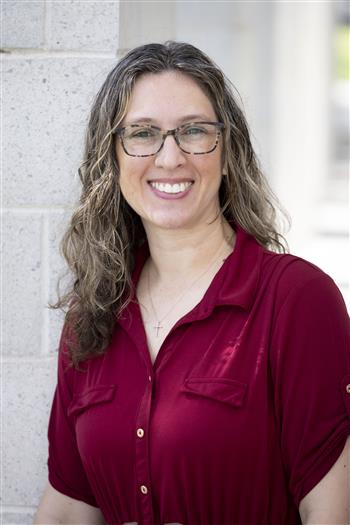
Kelly Steele, M.S., CCC-SLP
Clinic Director and Senior Instructor
College of Education
Communication Sciences and Disorders / Communication Disorders Clinic
Boca Raton Campus | ED 47 - 423, Boca
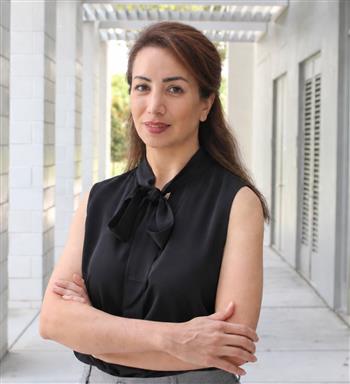
Fatemeh Tabari, Ph.D.
Assistant Professor
College of Education
Communication Sciences and Disorders / Communication Disorders Clinic
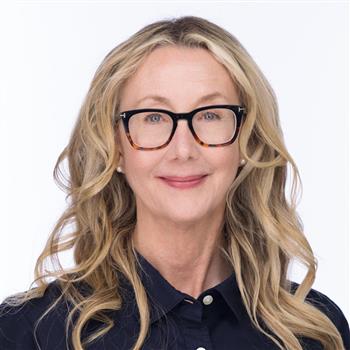
Anne L. van Zelst, Ph.D.
Assistant Professor
College of Education
Communication Sciences and Disorders / Communication Disorders Clinic
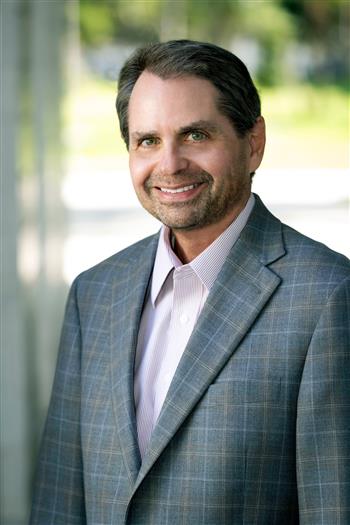
Dale F. Williams, Ph.D., CCC-SLP
Chair and Professor
College of Education
Communication Sciences and Disorders / Communication Disorders Clinic
Boca Raton Campus | ED 47 - 417
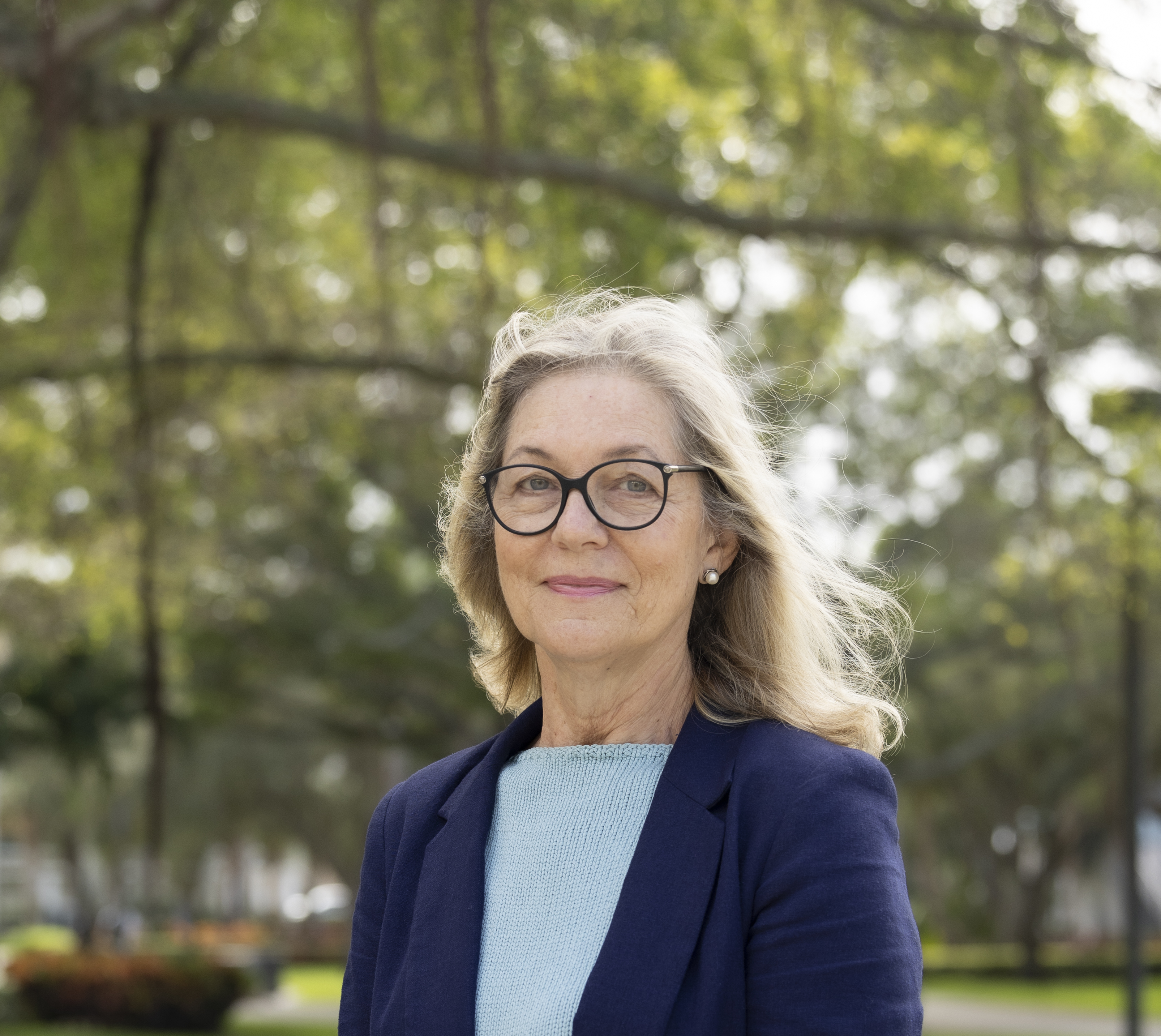
Lilyanna Zmijak, Ph.D.
Visiting Instructor
College of Education
Communication Sciences and Disorders / Communication Disorders Clinic
Boca Raton Campus | ED 47 - 449
Admission Requirements
Applicants must submit transcripts, GRE scores, and three letters of recommendation (see How to Apply). Admission to the Communication Sciences and Disorders Program is highly competitive. Applicants with GPAs less than 3.2 for the last 60 hours of the undergraduate degree, and GRE scores under 145 in verbal, 145 in quantitative, and 3.5 in analytical writing are unlikely to be admitted to the program.
All prerequisite coursework must be completed prior to enrollment. Students in the process of completing the prerequisite requirements may apply with the understanding that all prerequisites must be fulfilled before beginning the program. Final transcripts must be submitted that reflect the completion of the prerequisite requirements.
Students receiving a Master of Science degree in Communication Sciences and Disorders will meet all academic and clinical requirements for the Certificate of Clinical Competence in Speech-Language Pathology (CCC-SLP) of the American Speech-Language-Hearing Association (ASHA), as well as the Florida Certificate of Registration in Speech-Language Pathology under Florida Statute 468.143 (3).
A wide range of academic preparation and clinical practicum experiences is provided with a variety of speech-language-hearing disorders. Training involves practicum experiences with adults and children, in a minimum of 3 different practicum settings. Graduates of the Department of Communication Sciences and Disorders are well equipped to assist in the team effort of providing appropriate services to speech and language impaired individuals of any age and in any professional setting.
Florida Atlantic University is a member institution of the State University System of Florida. Course work is available on the Boca Raton campus only. Some of the required graduate course work may be offered in a distance learning format. The Boca Raton campus also houses the Department's Communication Disorders Clinic (FAU-CDC), as well as the speech and hearing science and audiology laboratories. The FAU-CDC provides speech-language-hearing services to a wide service delivery area encompassing the southeast coast of Florida, including Martin, St. Lucie, Palm Beach, Broward, and Dade counties.
Prerequisite Course Requirements
Prerequisite courses must be completed prior to beginning the graduate program, if not taken as an undergraduate:
I. General Education Requirements - 15 credits must be completed as listed below:
(Some or all of these classes may have been completed as part of the baccalaureate degree.)
- Biological Sciences – 3 credit hours
-
Biology is the study and characterization of living organisms and the investigation of the science behind living things. Broad areas include: anatomy, biophysics, cell and molecular biology, computational biology, ecology and evolution, environmental biology, forensic biology, genetics, marine biology, microbiology, molecular biosciences, natural science, neurobiology, physiology and zoology.
All basic science classes must appear on your academic transcript and/or credential evaluation report.
Possible Content Areas for General Biology:
- General biology
- Cellular biology: the basic structural and functional unit of all organisms; they may exist as independent units of life (as in monads) or may form colonies or tissues as in higher plants and animals
- Cybernetics biology: the field of science concerned with processes of communication and control (especially the comparison of these processes in biological and artificial systems)
- Bioscience, life science: any of the branches of natural science dealing with the structure and behavior of living organisms
- Ecology: the branch of biology concerned with the relations between organisms and their environment
- Cytology: the branch of biology that studies the structure and function of cells
- Embryology: the branch of biology that studies the formation and early development of living organisms
- Evolutionism, theory of evolution, Theory of organic evolution: a scientific theory of the origin of species of plants and animals
- Genetic science, genetics: the branch of biology that studies heredity and variation in organisms
- Microbiology: the branch of biology that studies microorganisms and their effects on humans
- Molecular biology: the branch of biology that studies the structure and activity of macromolecules essential to life (and especially with their genetic role)
- Morphology: the branch of biology that deals with the structure of animals and plants
- Neurobiology: the branch of biology that deals with the anatomy and physiology and pathology of the nervous system
- Physiology: the branch of the biological sciences dealing with the functioning of organisms
- Radiobiology: the branch of biology that studies the effects of radiation on living organisms
- Sociobiology: the branch of biology that conducts comparative studies of the social organization of animals, including human beings, with regard to its evolutionary history
- Basic Physical Sciences – 3 credit hours in either Physics or Chemistry
-
Physics deals with matter, energy, motion, and force. A broad survey of physics principles to enable students to appreciate the role of physics in everyday experiences in today's society and technology.
Classes evaluated by your credential evaluation agency as the equivalent of U.S. high school will not be accepted. All basic science classes must appear on your academic transcript and/or credential evaluation report.
Possible Content Areas for Basic Physical Sciences:
- Basic physical principles for non-majors
- Basic principles of mechanics
- Basic principles of sound
- Basic principles of thermodynamics
- Basic principles of optics
- Basic principles of electricity and magnetism
- Courses may include practical examples of the role of physics in other disciplines
Basic Chemistry is selected concepts and topics designed to give students an appreciation for how chemistry impacts everyday life, especially energy and the environment; the study of substances.
All basic science classes must appear on your academic transcript and/or credential evaluation report.
Possible Course Content Areas for Basic Chemistry:
- Atomic structure
- Chemical bonding
- Radioactivity
- Behavior of gases and solutions
- Behavior of acid and bases
- Hydrocarbons
- Functional groups and important biological molecules
- Chemical principles in human or animal physiology
- Statistics – 3 credit hours
-
Statistics, as defined by the American Statistical Association (ASA), is "the science of learning from data, and of measuring, controlling, and communicating uncertainty; and it thereby provides the navigation essential for controlling the course of scientific and societal advances."
Courses not accepted:
- any directly related to communication sciences and disorders
- any research methods coursework taught in lieu of, or in the absence of, basic statistics (If statistics and research methods courses were taught in conjunction with each other, you must submit a course description showing a clear delineation between the two in order for them to be accepted.)
All statistics courses must appear on your academic transcript and/or credential evaluation report.
- Social Sciences and Behavioral Sciences – 6 credit hours
-
Social Sciences and Behavioral Sciences are the systematic analysis and investigation of human and animal behavior through controlled and naturalistic observation and disciplined scientific experimentation. These areas of study attempt to accomplish legitimate, objective conclusions through rigorous formulations and observation.
Possible Content Areas for Social Sciences:
- Anthropology
- Ethnic and cultural studies
- Archaeology
- Area studies
- Economics
- Gender and sexuality studies
- Geography organizational studies
- Political science
Possible Content Areas for Behavioral Sciences:
- Psychology
- Psychobiology
- Criminology and cognitive science
All social and behavioral science classes must appear on your academic transcript and/or credential evaluation report.
II. Normal Human Communication Processes – ALL of the courses listed below, 15 credits, must be completed prior to beginning the graduate program:
(Equivalent courses taken at another university/college may satisfy some of the requirements below. Please contact the department to verify that a course, taken elsewhere, is equivalent to one of the requirements listed below.)
- SPA 4101 - Anatomy and Physiology of the Speech and Hearing Mechanism 3 credits
- SPA 4011 - Speech & Hearing Science 3 credits
- SPA 5107 - Neural Bases of Human Communication 3 credits
- LIN 4710 - Normal Processes of Speech and Language Development 3 credits
- SPA 4112 – Clinical Phonetics for Communication Disorders 3 credits
(Special topics number varies, please call department for course number)
III. Additional Required Courses - ALL of the courses listed below, 6 credits, must be completed prior to beginning the graduate program:
(Equivalent courses taken at another university/college may satisfy some of the requirements below. Please contact the department to verify that a course, taken elsewhere, is equivalent to one of the requirements listed below.)
- SPA 4002 - Introduction to Communication Disorders 3 credits
- SPA 5033- Introduction to Audiological Sciences 3 credits
Start Your Journey
at Florida Atlantic