BrowardUp
Understanding GPRA: Assessing Progress and Data Collection
The Government Performance and Results Act (GPRA) plays a crucial role in evaluating the effectiveness of various initiatives. As part of the Department’s assessment process, GPRA indicators are used to measure progress comprehensively. For organizations implementing Promise Neighborhood grants, consistent and uniform data collection is essential. Below are the most recent and available GPRA data for the Broward UP Promise Neighborhood.
Key Points about GPRA Indicators:
- Purpose: GPRA indicators serve as yardsticks for evaluating the overall impact of initiatives. They help gauge progress and identify areas for improvement.
- Data Collection Frequency: Each GPRA indicator has a specified frequency for data collection. Grantees should adhere to these timelines to ensure accurate and timely reporting. Within this report annual samplings are displayed.
- Precise Definitions: To facilitate measurement and tracking, each GPRA indicator is precisely defined. This clarity ensures that Promise Neighborhoods understand what specific aspects need to be assessed.
- Enhanced Definitions: In some cases, the GPRA definition provides more detail than what was initially outlined in the Promise Neighborhood implementation notice. Additionally, revisions may occur to refine the original definition.
Remember, consistent data collection and a clear understanding of GPRA indicators are essential for successful program evaluation. By adhering to these guidelines, Promise Neighborhoods can effectively measure their impact and drive positive change.
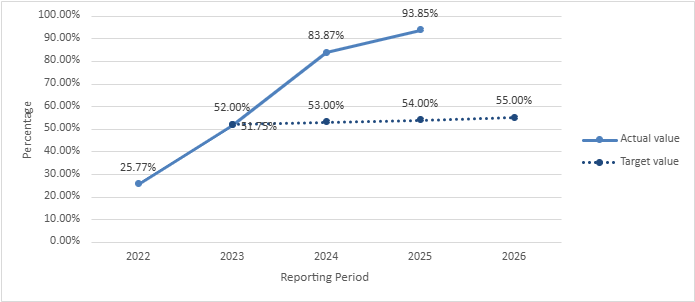
GPRA 1.a: Kindergarten Readiness
Definition: Percentage of children in kindergarten who demonstrate at the beginning of the program or school year age-appropriate functioning across multiple domains of early learning as determined using developmentally-appropriate early learning measures
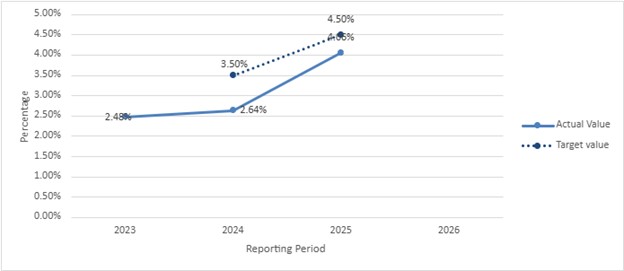
GPRA 2.1: Grade-level Mathematics
Definition: Percentage of students at or above grade level according to State mathematics assessments in at least the grades required by the ESEA (3rd through 8th grades and once in high school)
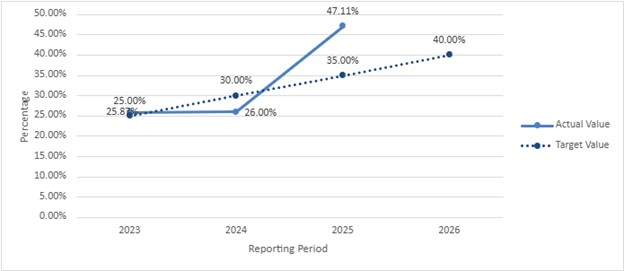
GPRA 3.1
Definition: Attendance rate of students in 6th, 7th, 8th, and 9th grade as defined by average daily attendance
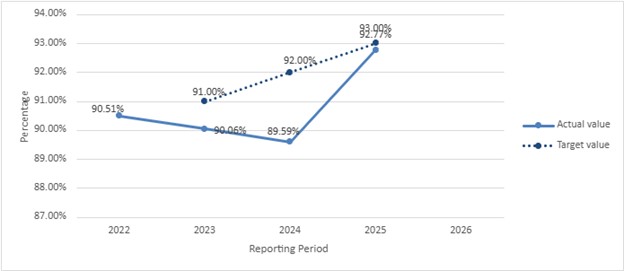
GPRA 4
Definition: Four-year adjusted cohort graduation rate
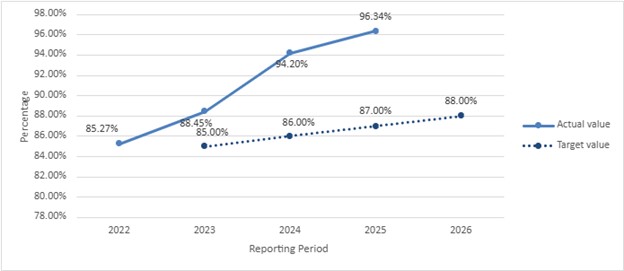
GPRA 5.1: Number and percentage of Promise Neighborhood students who enroll in a two-year or four-year college or university after graduation
Definition: Percentage of Promise Neighborhoods students who enroll in a two-year or four-year college or university after graduation.
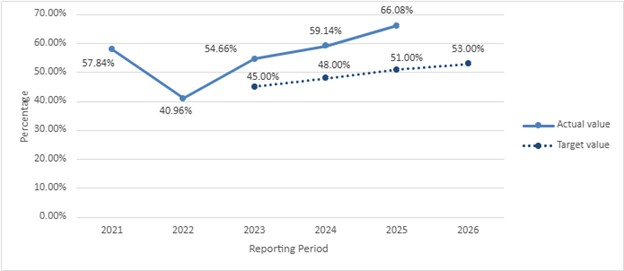
Definition: Percentage of children who consume five or more serving of fruits and vegetables daily
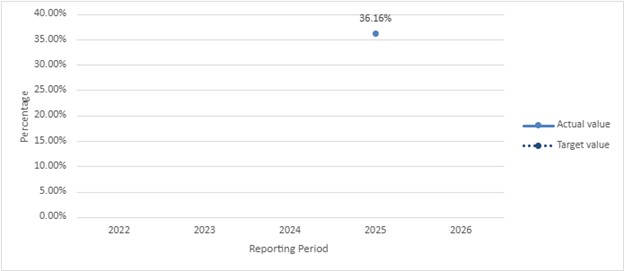
Definition. Percentage of students who feel safe at school and traveling to and from school, as measured by a School Climate Survey
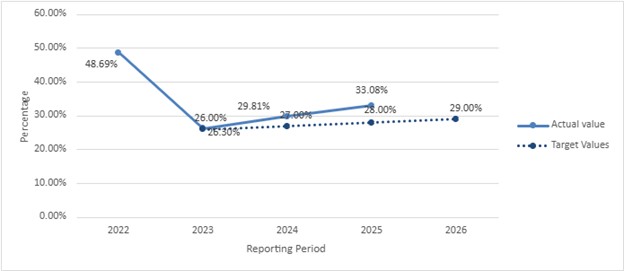
GPRA 9.1
Definition: Percentage of parents or family members that read to or encourage their children to read three or more times a week (birth to five-years-old) or reported their child read to themselves three or more times a week (Kindergarten–8th grade)
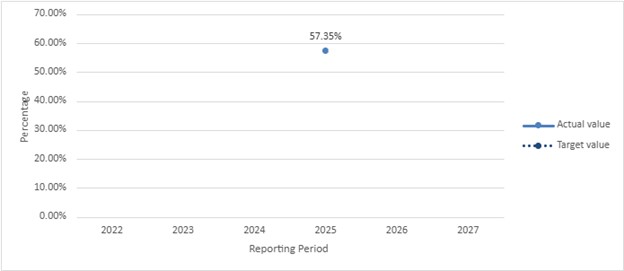
Definition: Percentage of students who have school and home access to broadband internet and a connected computing device