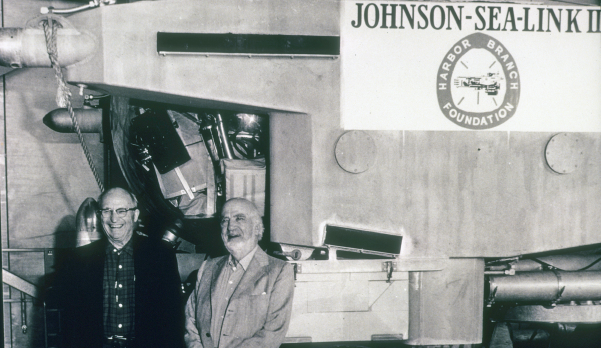
Original Johnson-Sea-Link designed with nearly 360-degree view inside the acrylic sphere to descend to 1,000 feet and support lockout diving. Operating for 40 years, with more than 9,000 dives and used by more than 3,000 scientists.
1973
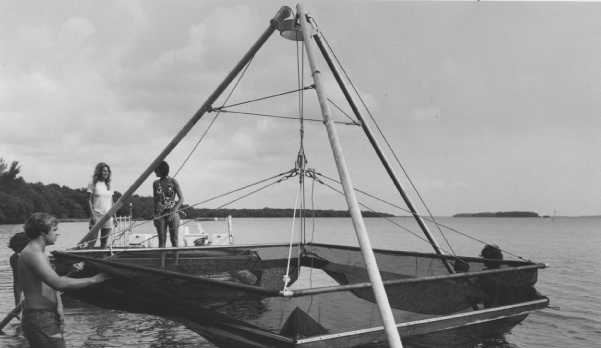
First major research project, Indian River Lagoon Coastal Zone Study, begins with researchers from Harbor Branch, Smithsonian Institute, Link Foundation and Woods Hole Oceanographic Institution.
1984
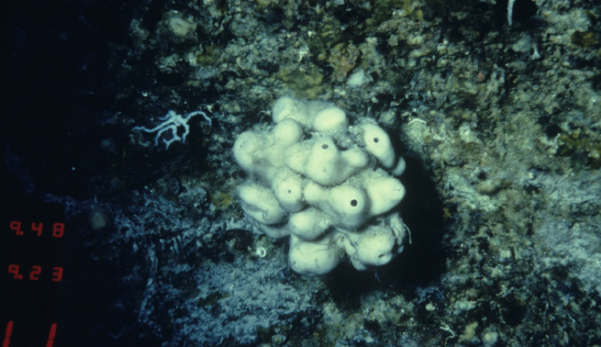
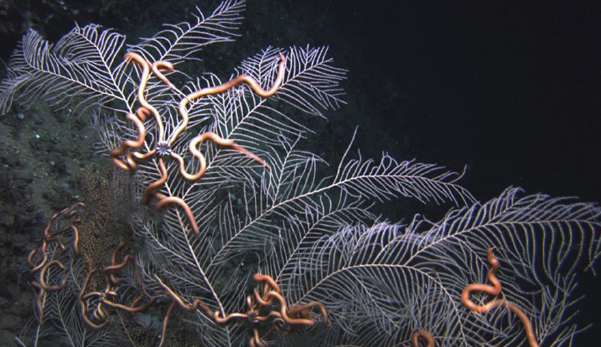
92 square miles of Oculina Bank were designated as the first marine-protected area to protect deep-water reefs in the world.
1986
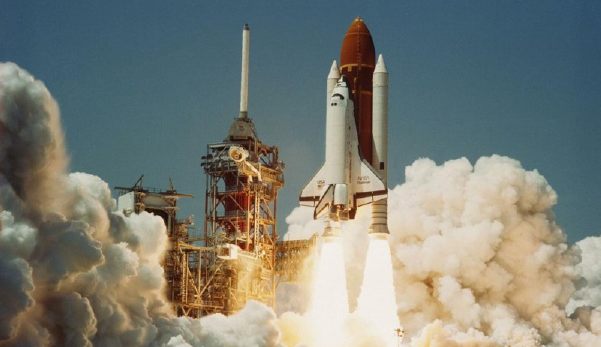
FAU Harbor Branch ships and JSL subs assisted the National Aeronautics and Space Administration and the U.S. Navy in locating and identifying pieces of the Challenger wreckage.
1991
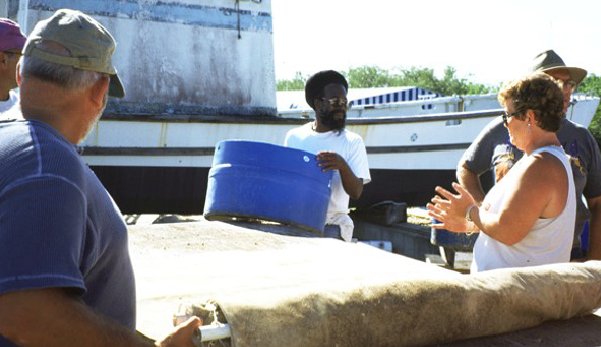
FAU Harbor Branch begins aquaculture training program, teaching fisherman displaced by Florida net ban how to grow clams, sparking a large new industry.
2002
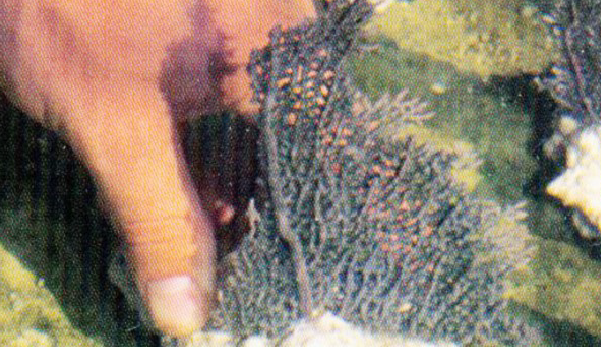
FAU Harbor Branch scientists first to successfully repopulate a damaged coral reef with sea fans raised in captivity.
2007
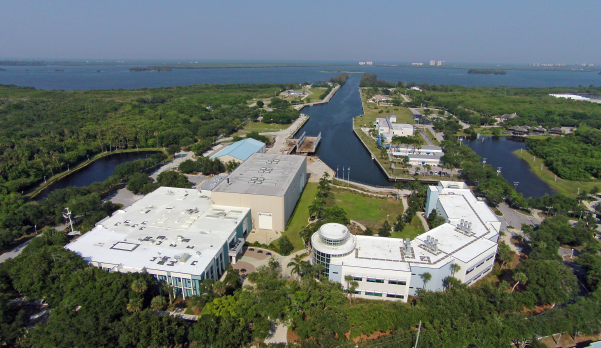
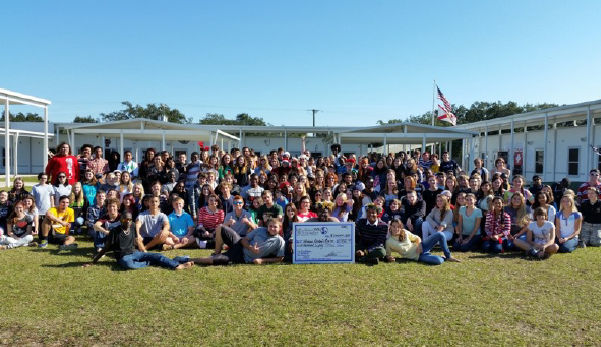
Marine and Oceanographic Academy launches on the FAU Harbor Branch campus in partnership with Westwood High School and the St. Lucie County school district.
2009
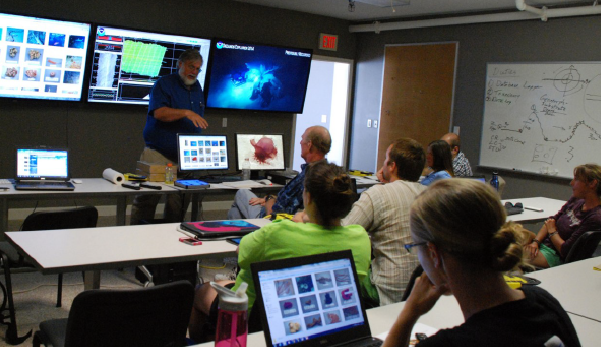
FAU Harbor Branch selected to host the National Oceanic and Atmospheric Administration Cooperative Institute for Ocean Exploration, Research and Technology.
2010
FAU Harbor Branch assesses the impact of the Deepwater Horizon Oil Spill.
2014
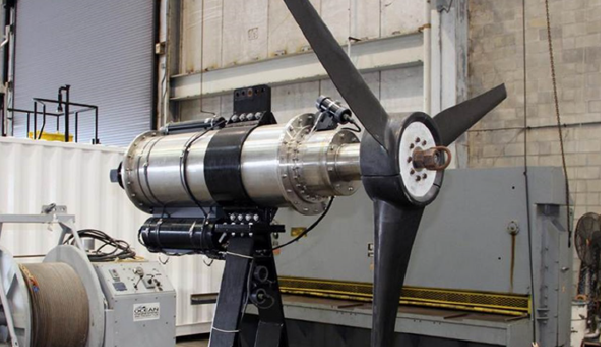
FAU Harbor Branch builds the world’s first ocean energy turbines for offshore testing.
2017
FAU Harbor Branch launches the Ocean Discovery Experience, an outreach program that educates children in underserved communities about marine science through a unique partnership with the Boys & Girls Clubs of St. Lucie County.
2019
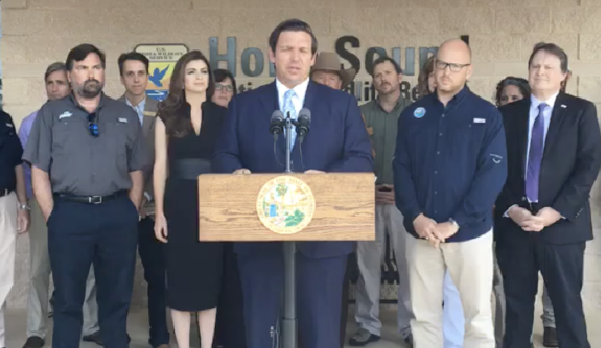
Florida Governor Ron DeSantis appoints Jim Sullivan, Ph.D., executive director of FAU Harbor Branch, to the newly established Florida Governor’s Blue-Green Algae Task Force.