Lipid Droplets
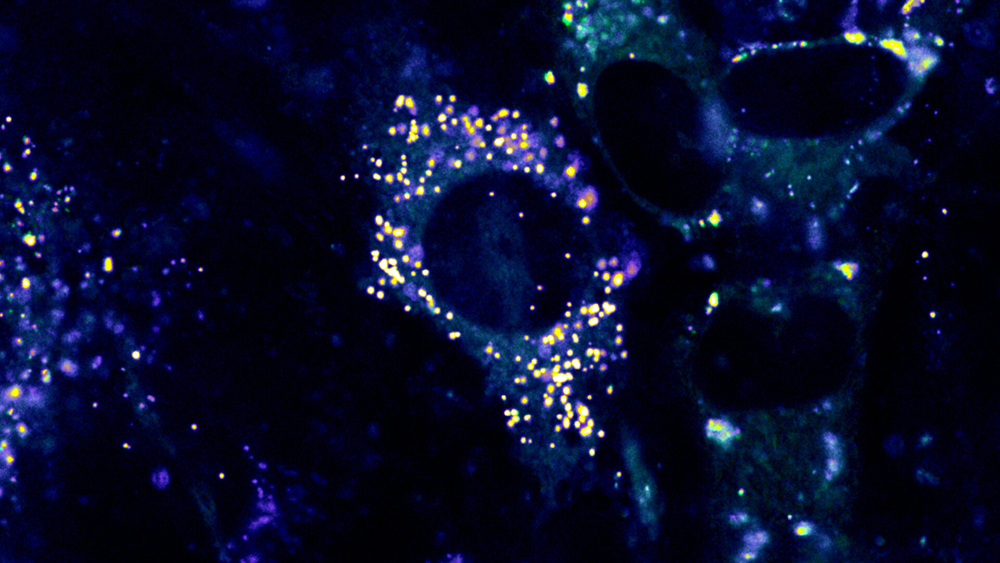
Lipid droplets, organelles once viewed merely as inert fat depots, are now recognized as metabolically active organelles that regulate lipid storage, signaling and cellular stress responses. Their formation, turnover, and interactions with other organelles are tightly linked to metabolic balance and cell survival. The laboratory develops synthetic fluorescent acylglycerol analogs to visualize lipid droplet dynamics in living cells. These chemical probes reveal how neutral lipids are synthesized, mobilized, and exchanged across organelles, providing real-time insight into lipid trafficking pathways. Lipid droplets have emerged as key players in the biology of neurodegeneration, where disrupted lipid metabolism and oxidative stress contribute to neuronal dysfunction and disease progression. By illuminating lipid droplet behavior with fluorescent light, this research aims to elucidate how altered lipid homeostasis contributes to conditions such as Alzheimer's and Parkinson's disease. Shown here is a confocal live cell microscopy image of one of the acylglycerol-based probes (magenta) synthesized by an undergraduate researcher, and its colocalization with the existing lipid droplet marker — BODIPY (green).